Quick Answer: Nikola Corporation primarily manufactures heavy-duty commercial trucks (like the Tre BEV), not consumer passenger cars. As of 2026, Nikola does not offer a personal electric car for individual buyers. If you're searching for a "Nikola electric car" for personal use, you'll need to look at other manufacturers like Tesla, Ford, Hyundai, or Rivian. For commercial fleet operators, the Nikola Tre BEV offers up to 330 miles of range and costs around $250,000+ before incentives.
Understanding Nikola's Actual Product Lineup
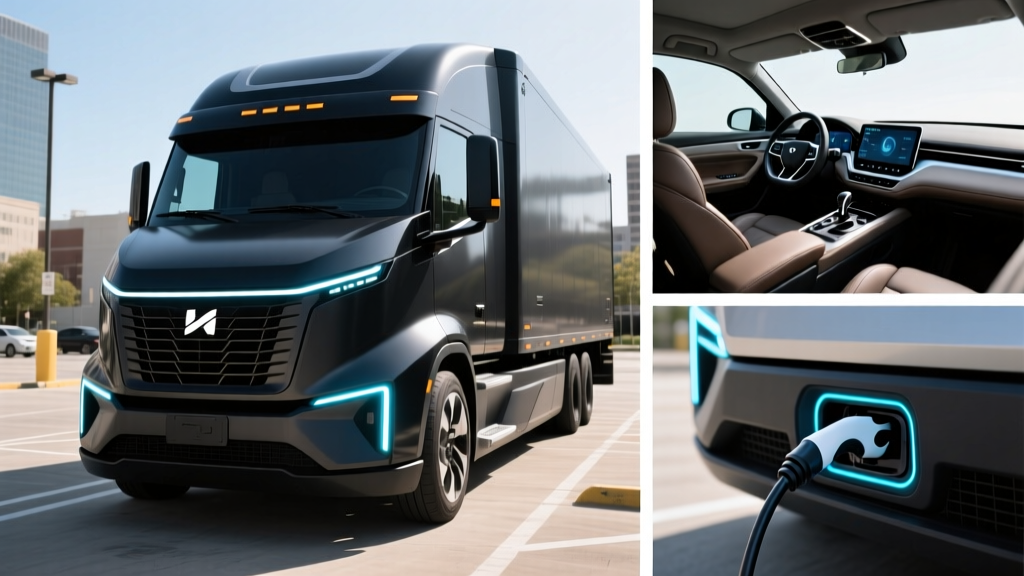
The confusion around "Nikola electric car" searches is understandable. The company's name evokes personal transportation, but Nikola Corporation focuses exclusively on Class 8 heavy-duty commercial trucks and hydrogen fuel cell technology. Their current lineup includes:
- Nikola Tre BEV: Battery-electric semi-truck for regional haul
- Nikola Tre FCEV: Hydrogen fuel cell electric truck (limited availability)
Unlike Tesla (which makes both the Semi and consumer vehicles like Model Y), Nikola has never announced or produced a passenger car, SUV, or pickup truck for individual consumers. If you're a first-time EV buyer looking for personal transportation, Nikola isn't an option.
Nikola Tre BEV: Commercial Specs at a Glance
For fleet operators and commercial buyers evaluating the Nikola Tre BEV, here are the key specifications based on manufacturer data:
| Specification | Nikola Tre BEV (2026) |
|---|---|
| Battery Capacity | ~753 kWh (usable, NMC chemistry) |
| EPA Estimated Range | Up to 330 miles (varies by configuration) |
| Real-World Range | ~250-280 miles (loaded, highway, moderate climate) |
| Peak DC Fast Charge | ~175 kW (CCS connector) |
| 10-80% Charge Time | ~120-150 minutes (commercial charging curve) |
| GVWR | 82,000 lbs (with trailer) |
| Base MSRP | ~$250,000-$280,000 (varies by spec) |
| Warranty | 5 years/600,000 miles (battery & powertrain) |
Real-World Ownership Note: Commercial operators report range varies significantly based on payload, terrain, and climate. In cold weather (below 32°F), expect 20-30% range reduction. Highway efficiency drops at sustained 70+ mph speeds, similar to diesel trucks.
Cost Comparison: Nikola Tre BEV vs Diesel Semi
For fleet managers weighing the Nikola Tre BEV against conventional diesel trucks, the economics depend heavily on duty cycle, electricity costs, and available incentives:
| Cost Factor | Nikola Tre BEV | Diesel Class 8 Truck |
|---|---|---|
| Purchase Price | $250,000-$280,000 | $150,000-$180,000 |
| Federal Tax Credit (2026) | Up to $40,000 (§45W commercial credit) | $0 |
| Fuel/Energy Cost per Mile | $0.25-$0.40 (electricity) | $0.60-$0.85 (diesel) |
| Maintenance per Year | $3,000-$5,000 | $8,000-$12,000 |
| 5-Year Total Cost (100k miles/yr) | ~$1.4M-$1.6M | ~$1.5M-$1.8M |
Key Insight: The Tre BEV's higher upfront cost is offset by lower fuel and maintenance expenses, but only if the truck operates on predictable regional routes with depot charging access. Long-haul operators without charging infrastructure will struggle to realize savings.
What Consumer EV Buyers Should Consider Instead
If you're an individual shopper looking for a personal electric vehicle, here's what you should evaluate based on your needs:
Decision Framework:
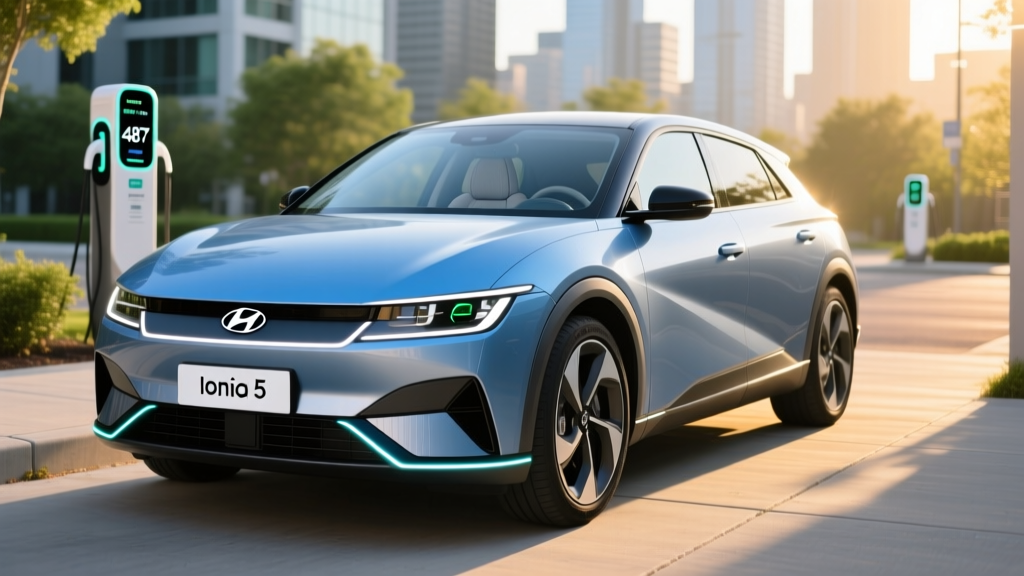
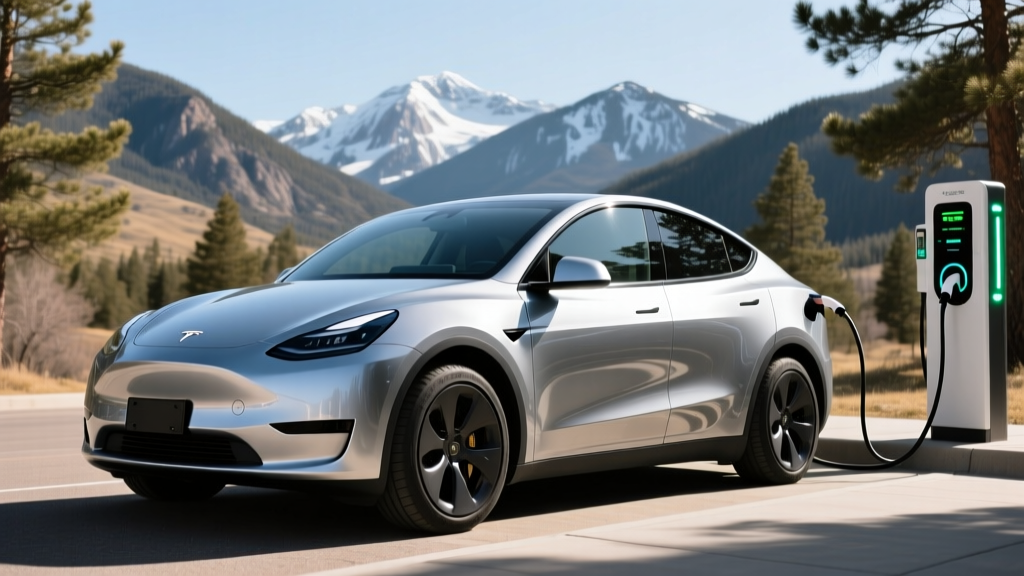
- If you need a family SUV with 300+ mile range: Tesla Model Y, Hyundai Ioniq 5, Ford Mustang Mach-E
- If you want a pickup truck: Ford F-150 Lightning, Rivian R1T, Chevrolet Silverado EV
- If you need a commercial delivery van: Ford E-Transit, Rivian EDV, BrightDrop Zevo
- If you're a fleet operator needing Class 8 trucks: Nikola Tre BEV, Tesla Semi, Freightliner eCascadia
Real-World Ownership Considerations for Any EV
Whether you're buying a consumer EV or evaluating commercial electric trucks, these factors determine success:
Charging Access
Home/Depot Charging: Most EV owners (consumer and commercial) rely on Level 2 charging at their base location. For consumers, this means installing a 240V home charger ($500-$2,000 including equipment and electrician). For fleets, depot charging infrastructure can cost $50,000-$500,000+ depending on scale and utility upgrades.
Public Charging: Consumer EVs can use networks like Tesla Supercharger, Electrify America, and EVgo. Commercial trucks require specialized high-power charging (150-350 kW) that's still limited in many regions.
Climate Impact on Range
Cold weather reduces all EV range by 20-40% depending on temperature and driving conditions. If you live in northern states, plan for 20-30% less range than the EPA sticker. Battery preconditioning (heating before charging) is critical for fast charging in cold weather.
Insurance and Depreciation
EV insurance premiums are typically 10-20% higher than gas equivalents due to repair costs and battery replacement risk. Depreciation varies widely—Tesla and Hyundai hold value better than some newer brands. Check IIHS safety ratings and reliability data before purchasing.
Common Misconceptions About Nikola
| Myth | Fact |
|---|---|
| "Nikola makes electric cars for consumers" | Nikola only produces Class 8 commercial trucks |
| "Nikola trucks are available everywhere" | Production and support are limited to specific regions; service network is still developing |
| "Nikola hydrogen trucks are widely available" | The Tre FCEV has extremely limited availability; hydrogen refueling infrastructure is sparse outside California |
| "All EVs qualify for $7,500 tax credit" | Consumer credits (§30D) have income caps, MSRP limits, and battery sourcing rules. Commercial credits (§45W) are separate. Check IRS guidelines. |
Frequently Asked Questions
Can I buy a Nikola electric car for personal use?
No. Nikola Corporation only manufactures heavy-duty commercial trucks for fleet operators. They do not produce passenger cars, SUVs, or pickup trucks for individual consumers.
How much does a Nikola Tre BEV cost?
The Nikola Tre BEV costs approximately $250,000-$280,000 depending on configuration and battery options. Commercial buyers may qualify for federal tax credits up to $40,000 under §45W, plus state incentives in some regions.
What's the real-world range of the Nikola Tre BEV?
While the EPA estimates up to 330 miles, real-world range with a full load and highway driving is typically 250-280 miles. Cold weather can reduce this further to 200-230 miles.
How long does it take to charge a Nikola Tre BEV?
At a 175 kW DC fast charger, the Tre BEV takes approximately 2-2.5 hours to charge from 10-80%. The massive 753 kWh battery means even high-power charging takes significantly longer than consumer EVs.
Are there consumer EVs with similar technology?
Consumer EVs use similar battery chemistry (NMC or LFP) and charging standards (CCS or NACS), but at much smaller scales. A Tesla Model Y has an 81 kWh battery vs. the Tre's 753 kWh. The fundamental technology is the same; the application is different.
Bottom Line: Know What You're Buying
If you're a consumer searching for a "Nikola electric car," you'll need to look elsewhere. Nikola's focus on commercial trucking means individual buyers should explore Tesla, Ford, Hyundai, Rivian, or other consumer EV manufacturers. For fleet operators, the Tre BEV offers competitive range and operating costs, but only if your routes align with charging infrastructure and duty cycles that maximize electric advantages.
Before purchasing any EV—consumer or commercial—verify charging access, calculate real-world range for your climate and driving patterns, and confirm tax credit eligibility based on current EPA data and IRS rules.