Quick Answer: What Are the Main Names for Electric Cars in 2026?
The most popular names for electric cars on the US market include Tesla Model Y, Tesla Model 3, Chevrolet Equinox EV, Hyundai Ioniq 5, Ford F-150 Lightning, Kia EV6, Rivian R1S, BMW i4, Cadillac Lyriq, Volkswagen ID.4, and Honda Prologue. These battery-electric vehicles (BEVs) range from roughly $29,000 to over $100,000, with EPA ranges between 230 and 400+ miles. The best name for your electric car depends on your budget, whether you can charge at home, your daily commute distance, and whether you need SUV, sedan, or truck utility.
If you've been searching for "names for electric cars" and feeling overwhelmed by the alphabet soup of model designations, you're not alone. The EV market has exploded past 60 distinct nameplates for the 2026 model year, spanning subcompacts to heavy-duty trucks. This guide cuts through the noise with exact EPA range figures, real-world charging data, and ownership economics so you can match a specific EV name to your actual driving needs — not a marketing brochure.
The Full Landscape: Electric Car Names by Category
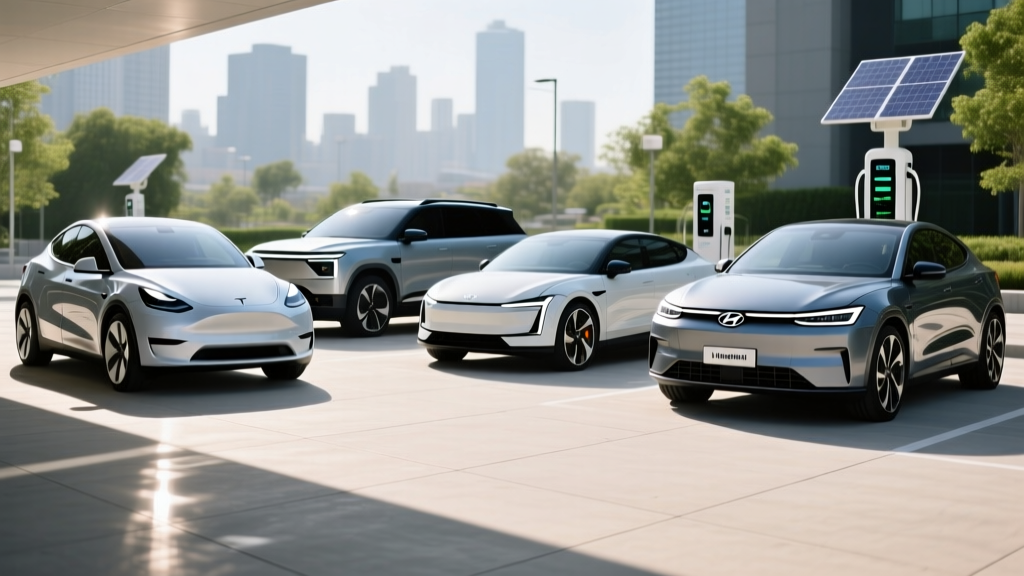
Rather than listing every EV nameplate alphabetically, it's far more useful to organize them by what buyers actually shop for: price bracket and vehicle type. Below is a snapshot of the most-shopped names for electric cars across segments, with the data points that matter most — EPA range, battery capacity, peak DC fast-charge rate, and starting MSRP before any incentives.
| EV Name | Segment | EPA Range (mi) | Battery (kWh usable) | Peak DC Charge (kW) | Base MSRP |
|---|---|---|---|---|---|
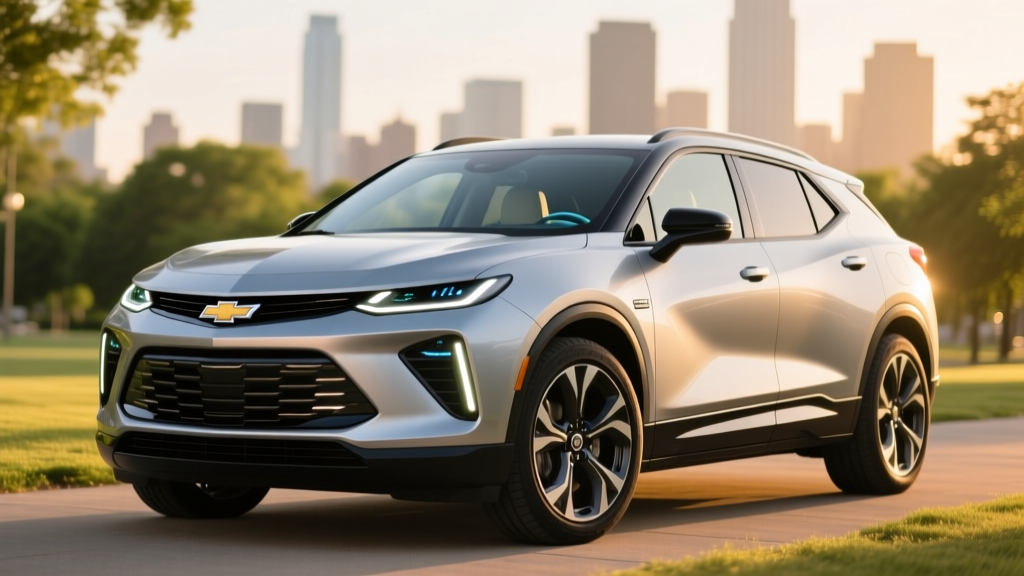
| Chevrolet Equinox EV | Compact SUV | 319 | 85 (NMC) | 150 | $33,600 |
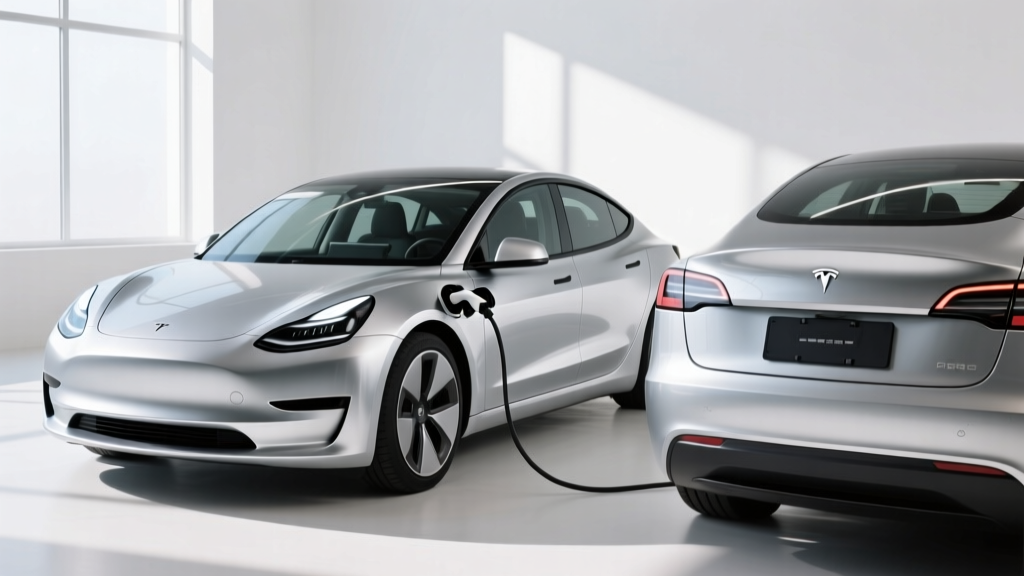
| Tesla Model 3 LR | Sedan | 363 | 79 (NMC) | 250 | $42,490 |
| Hyundai Ioniq 5 | Compact SUV | 318 | 84 (NMC) | 240 | $42,600 |
| Kia EV6 | Compact SUV | 310 | 77.4 (NMC) | 240 | $42,900 |
| Volkswagen ID.4 | Compact SUV | 291 | 82 (NMC) | 170 | $39,735 |
| Honda Prologue | Midsize SUV | 296 | 85 (NMC) | 150 | $47,400 |
| Ford F-150 Lightning | Truck | 320 | 131 (NMC) | 150 | $54,995 |
| Cadillac Lyriq | Luxury SUV | 314 | 102 (NMC) | 190 | $57,795 |
| BMW i4 eDrive40 | Luxury Sedan | 307 | 81.5 (NMC) | 200 | $57,900 |
| Rivian R1S Dual | Luxury SUV | 352 | 128.9 (NMC) | 200+ | $79,900 |
| Tesla Model Y LR | Compact SUV | 320 | 79 (NMC) | 250 | $44,990 |
| Lucid Air Pure | Luxury Sedan | 419 | 88 (NMC) | 200+ | $69,900 |
Sources: EPA fueleconomy.gov, manufacturer press sites. Range figures are for the longest-range RWD or AWD variant at base trim. Real-world highway range is typically 10–20% lower than EPA; cold-weather range can drop 20–35% below 20°F.
Decoding the Naming Conventions: What Do EV Letters and Numbers Mean?
One reason searching for names for electric cars feels confusing is that automakers use wildly different naming strategies. Understanding the pattern helps you instantly recognize what a model offers:
- EV/BEV suffixes: BMW adds "i" (i4, iX), Mercedes uses "EQ" (EQS, EQE), Hyundai uses "Ioniq" followed by a number, and Kia uses "EV" plus a number (EV6, EV9). These prefixes/suffixes signal a dedicated battery-electric platform.
- Carryover names: Ford kept "Mustang" for the Mustang Mach-E and "F-150" for the Lightning. Chevrolet revived "Equinox" and "Blazer" for their EVs. This helps buyers connect new EVs to familiar gas models, though the underlying platforms are entirely different.
- EV-only brands: Tesla, Rivian, and Lucid use standalone names (Model Y, R1T, Air) with no gas-car legacy.
- Trim designations: Look for "LR" (Long Range), "SR" (Standard Range), "AWD," or "Performance" — these change EPA range by 30–80 miles and MSRP by $3,000–$10,000 within the same model name.
When comparing two EVs with similar-sounding names, always check the battery chemistry and usable kWh. For example, some trims of the Tesla Model 3 use LFP (lithium iron phosphate) batteries, which are heavier and offer slightly less range but tolerate daily 100% charging better and generally cost less to replace. NMC (nickel manganese cobalt) packs deliver higher energy density and longer range per charge but are typically recommended to charge to 80% daily for longevity.
Real Costs: Electric Car Ownership vs. Gas and Hybrid
The name on the badge matters less than what leaves your wallet over five years. Below is a concrete cost comparison for a typical driver covering 12,000 miles annually, comparing a popular EV name (Hyundai Ioniq 5 SEL AWD), a comparable gas SUV (Hyundai Tucson AWD), and a hybrid alternative (Toyota RAV4 Hybrid).
| Cost Factor | Ioniq 5 SEL AWD (EV) | Tucson SEL AWD (Gas) | RAV4 Hybrid XLE (HEV) |
|---|---|---|---|
| Base MSRP | $45,600 | $33,250 | $34,550 |
| Est. Federal Tax Credit (§30D) | –$7,500* | $0 | $0 |
| Effective Purchase Price | $38,100 | $33,250 | $34,550 |
| Fuel/Energy (5 yrs @ 12k mi/yr) | $3,900 (home L2)** | $10,800 | $6,480 |
| Maintenance (5 yrs) | $1,200 | $3,500 | $3,200 |
| Insurance (avg 5 yrs) | $9,500 | $7,200 | $7,400 |
| 5-Year Total | $52,700 | $54,750 | $51,630 |
*§30D credit eligibility depends on MSRP caps (vans/SUVs/trucks ≤$80,000; sedans ≤$55,000), buyer AGI limits ($150K single / $300K joint), and battery critical-mineral sourcing rules per IRS.gov. Verify your eligibility with a tax professional. **Assumes 80% home Level 2 charging at $0.16/kWh national average, 20% public DC fast charging at $0.48/kWh.
The EV wins on energy and maintenance but loses ground on insurance premiums (typically 15–30% higher than comparable gas models) and higher upfront MSRP. The hybrid often posts the lowest total cost because it avoids the EV's insurance penalty while still cutting fuel use roughly in half versus a gas-only vehicle. Your personal numbers shift dramatically based on local electricity rates, whether you have access to free workplace or apartment charging, and your state's incentive structure.
Charging Reality: What First-Time EV Buyers Must Know
Before you pick a name off the lot, answer this honestly: Where will you charge? Roughly 80% of EV charging happens at home, and buyers without access to a Level 2 (240V) home charger or reliable workplace charging report significantly lower satisfaction.
| Level | Voltage | Power (kW) | Miles of Range/Hour | Typical Use |
|---|---|---|---|---|
| Level 1 | 120V | 1.4–1.9 kW | 3–5 mi/hr | Overnight top-up, PHEVs |
| Level 2 (Home) | 240V | 7.2–11.5 kW | 25–44 mi/hr | Daily primary charging |
| DC Fast Charge | 400–800V | 50–350 kW | 200–1,000+ mi/hr | Road trips, quick top-ups |
A critical concept many first-time buyers miss: peak DC fast-charge kW is not sustained. A vehicle rated for 240 kW peak (like the Ioniq 5 on an 800V architecture) will hit that rate only between roughly 10–30% State of Charge (SoC). Above 50%, the charge curve tapers significantly, and above 80% it slows to a trickle to protect the battery. A realistic 10–80% session on the Ioniq 5 takes approximately 18 minutes at a capable 350 kW charger, not the "under 18 minutes" marketing claim that implies the full session.
For home Level 2 installation, budget $500–$1,500 for the charger hardware (a quality 48-amp unit like the ChargePoint Home Flex or Emporia Level 2) plus $500–$2,500 for electrician labor and permits. If your home's electrical panel needs an upgrade from 100A to 200A service, add $1,500–$3,500. The federal Alternative Fuel Vehicle Refueling Property Credit (30C) covers up to $1,000 of home charger installation costs for eligible taxpayers in qualifying census tracts — check IRS.gov for details.
Common EV Misconceptions — Fact vs. Fiction
When researching names for electric cars, you'll encounter persistent myths. Here's what the data actually shows:
| Myth | Fact with Data |
|---|---|
| "EV batteries need replacing every few years" | Federal law mandates battery warranties of at least 8 years/100,000 miles. Real-world data from Tesla fleet reports and Recurrent Auto show most NMC packs retain 85–92% capacity after 150,000 miles. Full replacements cost $5,000–$20,000 but are rarely needed within the vehicle's practical life. |
| "EVs don't work in cold weather" | Cold reduces range — typically 20–35% at 20°F due to cabin heating demands and slower electrochemistry. A 318-mile Ioniq 5 may deliver ~210–250 miles in deep cold. EVs with heat pumps (standard on Hyundai/Kia/Tesla) recover 10–15% of that loss. Preconditioning the battery while plugged in mitigates both range loss and slow charging. |
| "Charging takes too long for road trips" | On a 300-mile trip in a 240-kW-capable EV, expect one 20-minute DC fast-charge stop. That aligns with a typical rest/food break. Vehicles limited to 50 kW charging (older or budget models) will require 45–60 minutes. |
| "EVs are worse for the environment" | Manufacturing an EV generates 30–40% more upfront CO₂ than a gas car (mostly battery production). However, the Union of Concerned Scientists and EPA data confirm that in every US grid region, lifetime emissions are lower for EVs — typically breaking even within 1–2 years of average driving. |
| "All EVs qualify for the $7,500 tax credit" | Fewer than half of 2026 EV nameplates qualify for the full credit due to battery-sourcing and critical-mineral requirements under §30D. Some qualify for $3,750 (partial), and luxury sedans over $55,000 MSRP or buyers above income caps qualify for nothing. Always verify on the IRS Clean Vehicle list. |
Your Decision Framework: Which EV Name Matches Your Life?
Use this if-then guide to narrow the list:
- If your budget is under $35,000 (after credits): Look at the Chevrolet Equinox EV (319 mi EPA, ~$26,100 after full credit) or the base Tesla Model 3 RWD ($38,990 MSRP, LFP battery, ~$31,490 after credit). These are the value leaders.
- If you need a family SUV with 300+ mile range: The Tesla Model Y Long Range (320 mi, Supercharger network), Hyundai Ioniq 5 (318 mi, ultra-fast 800V charging), or Kia EV6 (310 mi, same platform) are the strongest all-around picks.
- If you need a truck for towing or work: The Ford F-150 Lightning (320 mi, 7,700-lb max tow) or Rivian R1T (352 mi, 11,000-lb tow) are the only serious options. Note: towing at max capacity cuts range by 40–50%.
- If you can't charge at home: Prioritize EVs with the fastest DC charging (Hyundai/Kia 800V models at 240 kW, Tesla at 250 kW) and verify that you have a reliable Electrify America, EVgo, or Tesla Supercharger within 2 miles of home or work. If public charging is your only option, a PHEV like the Toyota RAV4 Prime (42 mi electric-only, then hybrid) may be more practical.
- If you live in a cold climate (sub-20°F winters): Choose an EV with a heat pump (standard on Tesla, Hyundai, Kia, BMW) and budget 25% more range than your daily needs. The Tesla Model 3 LR AWD and BMW i4 eDrive40 are cold-weather standouts based on real-world efficiency data.
- If luxury and maximum range matter most: The Lucid Air Pure (419 mi EPA, $69,900) and Tesla Model S (402 mi) lead, but note the Lucid does not currently qualify for the §30D credit due to MSRP and sourcing rules.
EV vs. Hybrid vs. Gas: Which Powertrain Name Should You Choose?
Not every driver is best served by a pure BEV nameplate. Here's a data-backed comparison to clarify:
| Factor | BEV (e.g., Ioniq 5) | PHEV (e.g., RAV4 Prime) | HEV (e.g., RAV4 Hybrid) | Gas (e.g., Tucson) |
|---|---|---|---|---|
| EPA Range / MPGe | 318 mi / 114 MPGe | 42 mi EV + 38 MPG | 40 MPG combined | 28 MPG combined |
| Home Charging Needed? | Strongly recommended | Recommended for EV miles | No | No |
| Fuel Cost per Mile | $0.04–$0.06 | $0.04 (EV) / $0.12 (gas) | $0.09 | $0.15 |
| Federal Tax Credit | Up to $7,500 | Up to $7,500* | None | None |
| Maintenance (5 yr) | ~$1,200 | ~$2,400 | ~$3,200 | ~$3,500 |
*PHEV credit requires ≥16 kWh battery capacity and meeting the same sourcing/income rules. The RAV4 Prime qualifies as of early 2026 but verify on fueleconomy.gov.
Frequently Asked Questions
Why do so many electric car names have numbers like EV6, i4, or ID.4?
Automakers use numbers to indicate relative size and positioning within their EV lineup — similar to how BMW's 3 Series, 5 Series, and 7 Series denote sedan tiers. Kia's EV6 is a compact crossover while the EV9 is a three-row SUV. BMW's i4 is a compact sedan while the i7 is a full-size luxury sedan. The numbers help you quickly compare within a brand, but they don't translate across brands (a Kia EV6 and a BMW i4 are different vehicles entirely).
Do EV names with "Long Range" or "Extended Range" always mean more miles?
Generally yes, but check the actual EPA number. "Long Range" typically adds 15–25 kWh of battery capacity and 40–80 miles of EPA range versus the standard variant, at a cost premium of $3,000–$8,000. However, adding AWD to a Long Range model can reduce range by 15–30 miles compared to the RWD version of the same name. Always look up the specific trim's EPA figure on fueleconomy.gov rather than relying on the trim name alone.
Which electric car names qualify for the full $7,500 federal tax credit in 2026?
Credit eligibility changes frequently due to evolving battery-sourcing and critical-mineral requirements under IRS §30D. As of early 2026, models that have qualified for the full $7,500 credit (subject to buyer income caps of $150K single/$300K joint and MSRP caps) include the Tesla Model Y, Tesla Model 3 LR AWD, Chevrolet Equinox EV, Ford F-150 Lightning, and Rivian R1S/R1T with specific battery packs. Many others qualify for $3,750 (partial credit). Always check the current list at IRS.gov Clean Vehicle Credits before purchasing, and confirm with your tax advisor. The credit can now be transferred to the dealer at point of sale, reducing your purchase price directly.
Is it better to buy an EV from a brand I already know or a new EV-only company?
Legacy automakers (Ford, Hyundai, BMW, VW) offer established dealer networks for service and warranty work, which matters if something goes wrong. EV-only companies (Tesla, Rivian, Lucid) often lead in software, charging speed, and over-the-air updates but may have limited service centers in rural areas. If you live near a major metro with a Tesla or Rivian service hub, the EV-only brands are strong picks. If you're in a smaller market, a legacy brand's dealer support provides practical peace of mind.
How do I compare two EVs with similar names and specs?
Look beyond EPA range to three often-overlooked factors: (1) DC fast-charge speed and curve — a 240 kW-capable EV saves 15–20 minutes on road trips versus a 150 kW model; (2) thermal management — liquid-cooled batteries (standard on nearly all 2026 EVs) last longer and charge more consistently; and (3) real cargo volume — some EVs with large batteries sacrifice under-floor storage. Cross-reference IIHS safety ratings and owner-reported reliability data on sources like Consumer Reports before deciding.