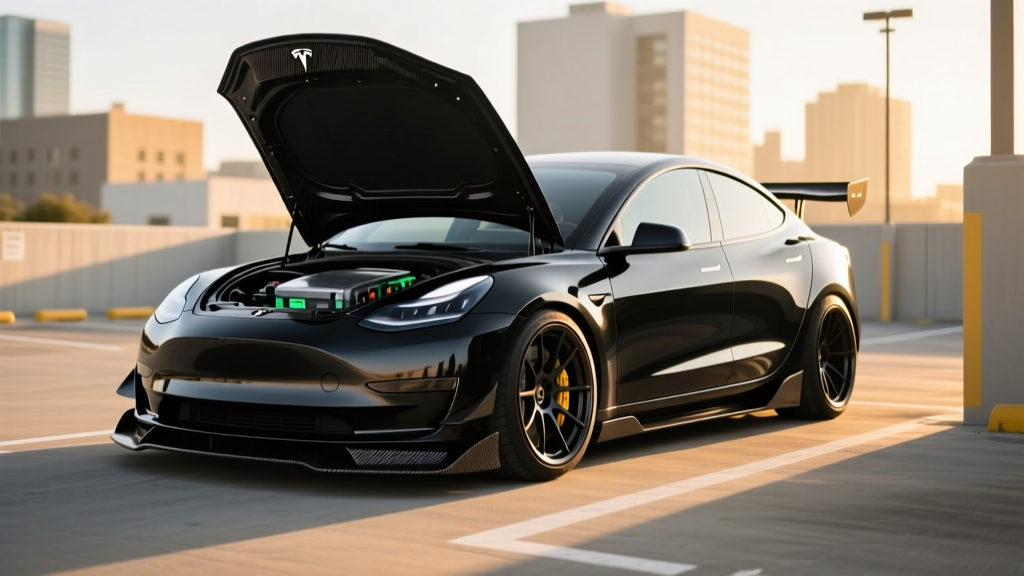
The Tesla Model 3 is already one of the most efficient electric sedans on the road. But for a growing segment of owners, stock isn't enough. A modded Tesla Model 3 — whether that means aftermarket wheels, a lowered suspension, a performance tune, or a full vinyl wrap — can transform the car's look and feel. What many owners don't realize until after the fact is how those modifications interact with the vehicle's range, charging behavior, and, critically, Tesla's battery and drive unit warranty.
This guide walks through the most common Model 3 modifications, quantifies their real-world impact on the car's EPA-rated efficiency, and explains which mods are safe, which are risky, and which can void your coverage. We'll use the current 2026 Model 3 lineup as our baseline.
2026 Tesla Model 3 Baseline Specs
Before modifying anything, you need to know exactly what you're starting with. The 2026 Model 3 is offered in three primary trims, all built on Tesla's refreshed "Highland" platform introduced for the 2024 model year.
| Spec | RWD (Standard) | Long Range AWD | Performance |
|---|---|---|---|
| EPA Range | 272 mi | 341 mi | 315 mi |
| Battery (usable) | ~57.5 kWh (LFP) | ~79 kWh (NMC) | ~79 kWh (NMC) |
| Drivetrain | Rear-Wheel Drive | Dual-Motor AWD | Dual-Motor AWD |
| Horsepower | 271 hp | 346 hp | 510 hp |
| 0–60 mph | 5.8 sec | 4.2 sec | 2.9 sec |
| Efficiency | 132 MPGe / 25 kWh/100mi | 132 MPGe / 25 kWh/100mi | 119 MPGe / 28 kWh/100mi |
| Max DC Fast Charge | 175 kW | 250 kW | 250 kW |
| 10–80% DC Time | ~25 min | ~22 min | ~22 min |
| Level 2 Home Rate | 11.5 kW (~44 mi/hr) | 11.5 kW (~44 mi/hr) | 11.5 kW (~44 mi/hr) |
| Base MSRP | $38,990 | $45,990 | $52,990 |
| Battery Warranty | 8 yr / 100,000 mi | 8 yr / 120,000 mi | 8 yr / 120,000 mi |
Sources: EPA fueleconomy.gov, Tesla Model 3 Design Studio.
The EPA numbers above assume a mix of city and highway driving at moderate temperatures. In our experience and consistent with third-party testing:
- Highway (75 mph, 70°F): Expect ~85–90% of EPA — roughly 230 mi (RWD), 290 mi (Long Range), 268 mi (Performance).
- Cold weather (30°F, mixed driving): LFP batteries in the RWD model are more susceptible to cold; expect 20–30% range loss without preconditioning. NMC trims fare slightly better at 15–25% loss.
- City/regenerative driving: You can match or slightly exceed EPA figures thanks to regen braking recapturing energy.
Any modification that increases rolling resistance, aerodynamic drag, or vehicle weight will push these real-world numbers lower.
The Most Popular Model 3 Mods — And What They Actually Do
Aftermarket Wheels and Tires
This is the single most common modification and the one with the most measurable impact on range. Tesla's stock 18" Photon or 19" Nova wheels are optimized for low rolling resistance and aerodynamic efficiency. Swapping to heavier, wider, or more aggressive aftermarket wheels changes the equation significantly.
Based on owner-reported data and independent testing, here's what you can expect:
- 19" → 20" aftermarket forged wheels (same tire width): ~3–5% range loss due to increased rotational mass.
- Stock all-season → wider summer performance tires (e.g., 235 → 255 section width): ~5–8% range loss from higher rolling resistance and increased contact patch.
- Combined (larger wheels + wider sticky tires): 8–12% range loss is realistic. On a Long Range AWD, that's 27–41 fewer miles per charge.
The trade-off is real: better grip, sharper turn-in, and a more aggressive stance. But you're paying for it at every Supercharger stop.
Coilover Suspension and Lowering Springs
Lowering a Model 3 by 1–1.5 inches on aftermarket coilovers (popular brands include Mountain Pass Performance, MPP, and Unplugged Performance) improves handling by lowering the center of gravity and reduces the frontal gap that disrupts airflow under the car.
The aerodynamic benefit is modest — roughly 1–3% efficiency gain at highway speeds from reduced underbody turbulence. However, this is typically offset by the fact that most owners pair suspension mods with wider wheels and tires. Net effect: neutral to slightly negative on range.
A more important consideration is ride quality and ground clearance. The Model 3's front splitter and underbody panels sit relatively low already. A 1.2" drop on aggressive coilovers will scrape on steep driveways and speed bumps without careful adjustment.
Performance ECU Tunes
Companies like Ingenext, EVX Performance, and others offer software modules or OBD-II dongles that can unlock additional boost pressure, sharpen throttle response, or raise the speed limiter. On a Model 3 Performance, some tunes claim 10–15% horsepower gains.
The efficiency penalty is usage-dependent. If you actually drive harder because the car feels more responsive, your kWh/100mi will climb. A tune that raises peak output but doesn't change your driving habits has a negligible effect on efficiency — but it does flag the car's telemetry.
Vinyl Wraps, PPF, and Cosmetic Aero
A full vinyl wrap (3M, Avery Dennison) adds approximately 5–8 lbs of weight — negligible for range. Paint protection film (PPF) adds slightly more. Neither has a measurable effect on efficiency.
Aftermarket aero add-ons (front splitters, rear diffusers, spoiler lips) are mostly cosmetic at the speeds most drivers travel. A properly designed rear diffuser can reduce drag at 70+ mph, but the gains are in the 1–2% range and difficult to verify without wind-tunnel testing.
How Mods Affect Your Tesla Warranty
This is the topic every modded Tesla Model 3 owner needs to understand before turning a wrench. Tesla's New Vehicle Limited Warranty covers 4 years / 50,000 miles bumper-to-bumper, and the Battery and Drive Unit Limited Warranty covers 8 years / 100,000–120,000 miles (depending on trim) with a minimum 70% capacity retention threshold.
Here's how modifications interact with warranty coverage:
| Modification | Warranty Risk Level | What Could Be Denied |
|---|---|---|
| Wheels/tires (same or similar spec) | Low | Unlikely to affect battery/drivetrain claims; could deny suspension-related claims if damage is linked to heavier wheels. |
| Lowering springs / coilovers | Medium | Suspension, steering, and half-shaft claims can be denied if Tesla attributes wear to altered geometry. |
| Performance ECU/software tune | High | Drive unit, inverter, and battery degradation claims are at serious risk. Tesla's telemetry logs detect non-stock power delivery. |
| Vinyl wrap / PPF | None | No mechanical or electrical impact. Wrap removal damage to paint is not covered. |
| Aftermarket audio/lighting (12V accessories) | Medium | Electrical system claims may be denied if an aftermarket amp or wiring causes a fault. |
The Magnuson-Moss Warranty Act protects consumers: a manufacturer cannot void your entire warranty just because you installed an aftermarket part. They must demonstrate that the modification caused the failure. In practice, Tesla's service centers have wide discretion, and disputes can require escalation. Document everything.
Charging Speed: Do Mods Change Your Supercharger Experience?
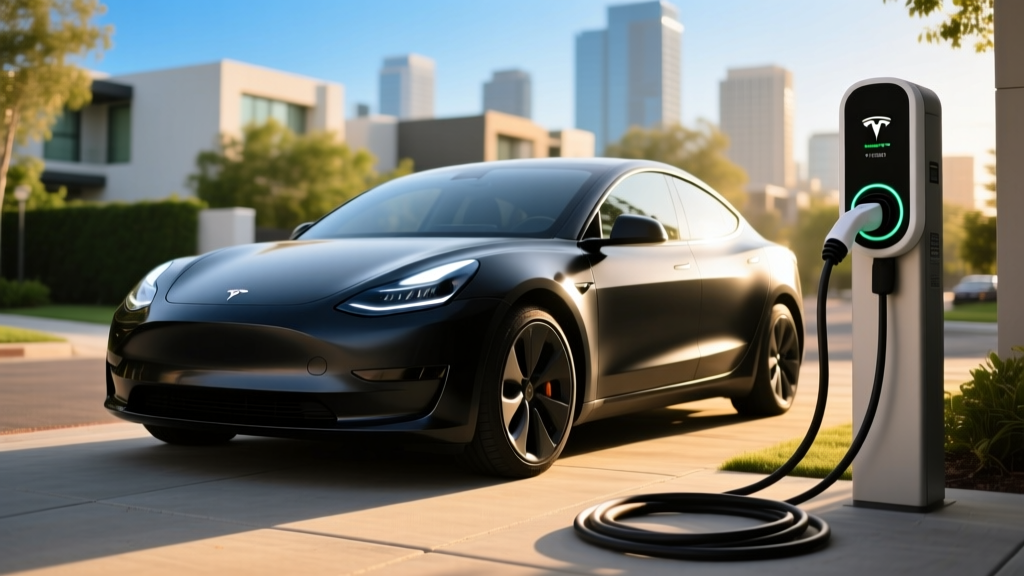
Short answer: No — not directly. Your vehicle's peak DC fast-charge rate (175 kW for RWD, 250 kW for Long Range and Performance) is determined by the battery management system and cell chemistry, not by your wheels or suspension.
However, there are indirect effects worth understanding:
- Increased energy consumption from mods means more frequent charging. If your modded Model 3 Long Range drops from 25 kWh/100mi to 28 kWh/100mi, you'll visit Superchargers ~12% more often on road trips.
- Heavier wheels increase rotational inertia. This doesn't slow your charge curve, but it does mean each kWh of stored energy gets you fewer miles — effectively making each charging session feel less productive.
- Aftermarket tires with higher rolling resistance will show up as higher Wh/mi on the car's energy graph, which some owners find frustrating even though the charge speed itself is unchanged.
| Charging Level | Power | Speed (Approx.) | Notes |
|---|---|---|---|
| Level 1 (120V outlet) | ~1.4 kW | ~5 mi/hr | Emergency/trickle only; impractical for daily use. |
| Level 2 (240V, 48A) | 11.5 kW | ~44 mi/hr | Full charge in ~6–8 hours; standard home setup. |
| DC Fast (RWD) | 175 kW peak | 10–80% in ~25 min | LFP chemistry; flatter charge curve, can charge to 100% regularly. |
| DC Fast (LR/Perf) | 250 kW peak | 10–80% in ~22 min | NMC chemistry; charge curve tapers sharply above 80%. |
One nuance: LFP batteries in the RWD model tolerate regular 100% charging better than NMC cells, which Tesla recommends keeping at 80% for daily use. This means the RWD model's usable range for daily driving is closer to its sticker number than the Long Range — something to factor in if mods will shrink your buffer.
Pricing and Federal Tax Credit Eligibility
Modifications don't affect your eligibility for the federal EV tax credit — that's determined at the time of purchase based on the vehicle's MSRP, your income, and battery sourcing requirements under IRS §30D.
| Trim | Base MSRP | MSRP Cap (Sedans) | Income Cap (Modified AGI) | Max Credit | Estimated After-Credit Price |
|---|---|---|---|---|---|
| RWD | $38,990 | $55,000 ✓ | $150K single / $300K joint | Up to $7,500* | ~$31,490 |
| Long Range AWD | $45,990 | $55,000 ✓ | $150K single / $300K joint | Up to $7,500* | ~$38,490 |
| Performance | $52,990 | $55,000 ✓ | $150K single / $300K joint | Up to $7,500* | ~$45,490 |
*The $7,500 credit is split into two halves: $3,750 for critical-minerals sourcing and $3,750 for battery-component sourcing. Both must be met for the full amount. Eligibility rules are subject to change — verify current requirements at irs.gov before purchasing. The credit can now be transferred to the dealer at point of sale as an upfront discount.
If you're budgeting for a modded Tesla Model 3, plan your modification spend on top of the after-credit vehicle price. A realistic "stage 1" build (aftermarket wheels, lowering springs, vinyl wrap) typically runs $4,000–$8,000 installed.
Cargo, Interior Space, and Daily Practicality
Modifications rarely affect interior dimensions, but they can change how practical the car is for daily use:
- Cargo volume: 23 cu ft (rear trunk + frunk combined). The frunk holds ~3 cu ft and is useful for charging cables.
- Rear legroom: 35.2 inches — adequate for adults on shorter trips, tight for tall passengers on long drives.
- Ground clearance (stock): ~5.5 inches. Lowering by 1–1.5" brings this to 4–4.5", which is sports-car territory and will limit driveway and parking-garage compatibility.
- Towing: Not rated for towing in the US market. No modifications change this.
The Model 3 remains a compact executive sedan. If you need family-hauler space, the Model Y is the logical alternative — and it supports a much larger aftermarket ecosystem.
Who Should Mod Their Model 3 — And Who Shouldn't
Mod your Model 3 if:
- You prioritize handling and aesthetics over maximum range.
- You have reliable home Level 2 charging and don't depend on public DC charging for daily use.
- You accept the warranty trade-offs and keep documentation of all work.
- You drive a Long Range or Performance trim where the range buffer absorbs efficiency losses.
Keep it stock if:
- You regularly drive 250+ miles between charges (road trips, rural commutes).
- You rely on the full 8-year battery warranty for peace of mind.
- You live in an area with extreme cold where every mile of range matters.
- You're leasing the vehicle (most lease agreements prohibit modifications).
Pros and Cons of a Modded Tesla Model 3
Pros
- Significantly improved handling and cornering with quality coilovers and sticky tires
- Unique appearance — wraps, wheels, and aero set your car apart from the sea of stock Model 3s
- Lowered center of gravity reduces body roll (already minimal, but noticeable on canyon roads)
- Aftermarket community is large and well-documented (Tesla Motors Club, Reddit r/TeslaMotors)
- Many mods are reversible before lease return or resale
Cons
- 5–12% range loss with wheel/tire upgrades — directly impacts road-trip practicality
- Suspension mods carry medium-to-high warranty risk for drivetrain and chassis claims
- ECU tunes can flag Tesla telemetry and jeopardize the 8-year battery/drive unit warranty
- Lowered ground clearance limits daily usability on rough roads and steep driveways
- Resale value impact is unpredictable — some buyers pay more for tasteful mods, many discount for any modification
Frequently Asked Questions
What is the real-world range of a modded Tesla Model 3?
It depends on the mods. A Model 3 Long Range AWD with aftermarket 20" wheels and wider performance tires will typically see its real-world highway range drop from ~290 miles (stock) to ~255–265 miles. Add cold weather and you may see 210–230 miles. Cosmetic-only mods (wraps, PPF, window tint) have no measurable impact.
How fast does a modded Model 3 charge at a Supercharger?
Peak DC charge rates are unaffected by wheels, suspension, or wraps. A Long Range or Performance model still peaks at 250 kW and charges 10–80% in ~22 minutes. The RWD model peaks at 175 kW with a 10–80% time of ~25 minutes. However, higher energy consumption from mods means each minute of charging buys you fewer miles.
How much does a modded Tesla Model 3 cost after tax credits?
Starting from a base of ~$31,490 (RWD after a $7,500 credit) or ~$38,490 (Long Range after credit), add $4,000–$12,000 for a typical stage 1–2 modification package. A well-modded Long Range build often lands in the $43,000–$50,000 range total. Tax credits apply only to the vehicle purchase, not aftermarket parts.
Is a modded Model 3 worth it vs. a BMW i4 or Hyundai Ioniq 6?
If you want a unique, driver-focused electric sedan and accept the range trade-off, a modded Model 3 offers handling that stock competitors can't match at this price. The BMW i4 M50 starts higher (~$67,000) but offers comparable performance stock. The Ioniq 6 is more efficient but has a smaller aftermarket. The Model 3's ecosystem of parts, chargers (Supercharger network), and software remains unmatched.
Does a modified Model 3 still qualify for the federal EV tax credit?
Yes — modifications made after purchase do not affect §30D eligibility. The credit is determined at the point of sale based on the vehicle's MSRP (must be ≤$55,000 for sedans), your modified adjusted gross income, and battery sourcing requirements. Always verify current rules at irs.gov before buying.
Will Tesla refuse to service my modded Model 3?
Tesla will not refuse service outright, but they can deny warranty claims if they determine a modification caused the failure. Out-of-warranty service is always available at standard rates. Some owners report no issues even with significant mods; others have had drivetrain claims denied after ECU tunes. Consistency varies by service center.