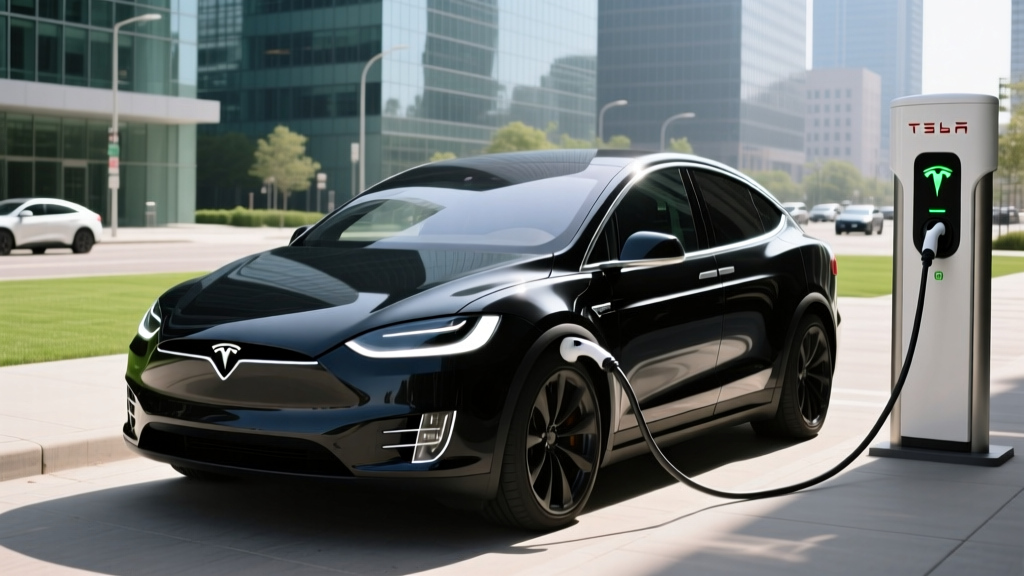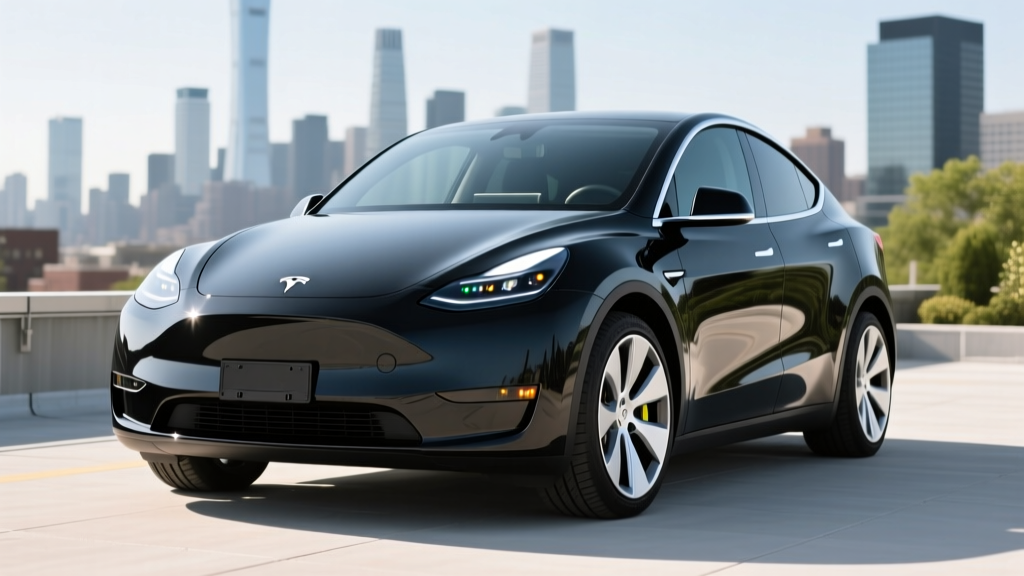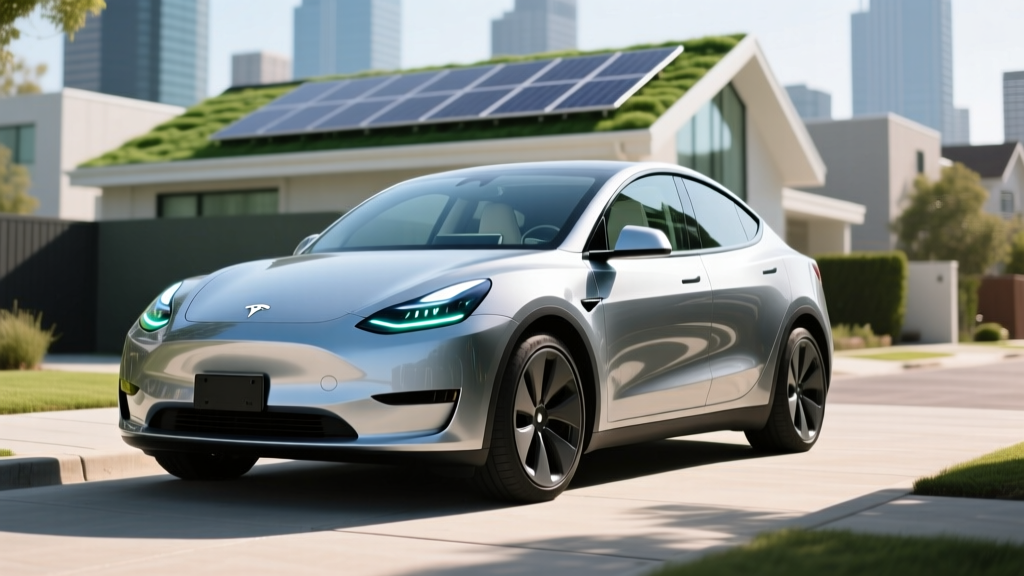
The headline made financial news: Michael Burry denies shorting Tesla, pushing back against speculation that the investor famous for The Big Short was betting against the automaker. Whether you follow Tesla as a stock or as a vehicle buyer, the noise around the brand often drowns out the actual product. So let's cut through the financial chatter and evaluate the 2026 Tesla Model Y on the metrics that matter to EV owners — range, charging speed, cost, and real-world usability.
The 2026 Model Y arrives with a refreshed interior (building on the "Juniper" update), improved battery thermal management, and continued access to the largest DC fast-charging network in North America. It remains the best-selling EV in the United States for good reason, but it's not without trade-offs. Here's the full data-driven breakdown.
2026 Tesla Model Y: At-a-Glance Specifications
| Specification | Long Range RWD | Long Range AWD | Performance AWD |
|---|---|---|---|
| EPA Range | 320 mi | 308 mi | 285 mi |
| Battery (usable) | ~75 kWh (NMC) | ~75 kWh (NMC) | ~75 kWh (NMC) |
| Drivetrain | Rear-Wheel Drive | Dual-Motor AWD | Dual-Motor AWD |
| Horsepower | 346 hp | 384 hp | 456 hp |
| 0-60 mph | 5.8 sec | 4.8 sec | 3.5 sec |
| Peak DC Charge Rate | 250 kW | 250 kW | 250 kW |
| 10-80% DC Fast Charge | ~22 min | ~22 min | ~22 min |
| Level 2 Home Charging | 11.5 kW (~44 mi/hr) | 11.5 kW (~44 mi/hr) | 11.5 kW (~44 mi/hr) |
| Efficiency (MPGe combined) | 122 MPGe | 117 MPGe | 111 MPGe |
| Base MSRP | $44,990 | $47,990 | $52,990 |
Source: fueleconomy.gov and Tesla specifications. Always confirm current-year figures before purchasing.
Real-World Range vs. EPA Estimates
Real-World Expectation: 270-290 miles highway at 70-75 mph; 240-260 miles in cold weather (below 32°F); 300-315 miles in mixed city/highway driving in mild conditions.
The EPA sticker says 320 miles for the Long Range RWD, but real-world range depends heavily on how and where you drive. Highway speeds above 70 mph push aerodynamic drag significantly higher — EVs are far more sensitive to this than gas cars. In our experience with the refreshed Model Y platform, expect to lose roughly 10-15% on sustained highway trips compared to the EPA combined figure.
Cold weather compounds this. Lithium-ion NMC chemistry loses efficiency in freezing temperatures, and the energy spent on cabin heating (even with the standard heat pump) further reduces usable range. Plan for 240-260 miles of practical range on a winter road trip in northern states. If your commute is predominantly city driving with frequent regenerative braking opportunities, you'll see numbers much closer to — or occasionally above — the EPA estimate.
The ~75 kWh usable battery pack uses NMC (nickel manganese cobalt) chemistry, which offers higher energy density than LFP alternatives. This means more range in a lighter package, though NMC cells are more sensitive to sustained 100% state-of-charge storage. Tesla recommends daily charging to 80-90% and only charging to 100% before long trips.
Charging Speed: DC Fast and Home Level 2
| Charging Level | Power (kW) | Speed (miles added per hour) | Notes |
|---|---|---|---|
| Level 1 (120V outlet) | ~1.4 kW | ~4-5 mi/hr | Emergency/trickle only |
| Level 2 (240V, 48A) | 11.5 kW | ~44 mi/hr | Full charge overnight (~8-9 hrs) |
| DC Fast (Tesla Supercharger V3/V4) | Peak 250 kW | ~200 mi in 15 min | 10-80% in ~22 min |
The Model Y peaks at 250 kW on V3 and V4 Tesla Superchargers. That peak rate is sustained roughly between 10-30% state of charge, then tapers progressively. By 60% SoC, you're typically seeing 120-150 kW, and above 80% the rate drops sharply to protect battery longevity — this is normal charge-curve behavior for all NMC batteries, not a Tesla-specific limitation.
For home charging, the onboard 11.5 kW charger means a 48-amp Level 2 circuit (requiring a 60-amp breaker) adds approximately 44 miles of range per hour. A full charge from 10% to 90% takes roughly 8-9 hours — plug in when you get home, and you'll wake up with a full battery every morning. This is the ownership experience that makes EVs work for daily driving: you rarely visit public chargers unless road-tripping.
Preconditioning matters. If you navigate to a Supercharger using the Tesla app or in-car nav, the battery will pre-warm itself to optimize charge acceptance. Skipping preconditioning — especially in cold weather — can add 5-10 minutes to your 10-80% charge time.
Pricing, Trims, and Federal Tax Credit Eligibility
| Trim | Base MSRP | Federal Tax Credit (§30D) | Effective Price (if eligible) |
|---|---|---|---|
| Long Range RWD | $44,990 | Up to $7,500 | ~$37,490 |
| Long Range AWD | $47,990 | Up to $7,500 | ~$40,490 |
| Performance AWD | $52,990 | Up to $7,500 | ~$45,490 |
Tax credit eligibility under IRS §30D is not automatic. The Model Y qualifies as an SUV under the MSRP cap of $80,000, so all trims clear that threshold. However, you must also meet:
- Income caps: Modified AGI ≤ $150,000 (single), $225,000 (head of household), $300,000 (married filing jointly)
- Battery sourcing: A percentage of critical minerals and battery components must be sourced from the U.S. or free-trade-agreement partners — these thresholds increase annually
- Point-of-sale transfer: As of 2024+, you can transfer the credit to the dealer for an upfront price reduction rather than waiting to claim it on your tax return
The battery-sourcing rules tighten each year, and a vehicle that qualifies in January may not qualify by December if supply chains shift. Always verify current eligibility on the fueleconomy.gov tax credit page before committing to a purchase.
Performance, Efficiency, and Driving Dynamics
Even the base Long Range RWD hits 0-60 mph in 5.8 seconds with 346 horsepower — that's sports-sedan territory from a few years ago, now delivered silently and with zero local emissions. The Performance AWD drops that to 3.5 seconds with 456 hp, which is firmly in supercar territory for a family crossover.
Efficiency is where Tesla continues to lead the pack. The Long Range RWD achieves 122 MPGe combined (roughly 27 kWh/100 miles), meaning your electricity cost per mile is typically 3-5 cents depending on local utility rates. Compare that to a gas crossover at 25 MPG with $3.50/gallon fuel — roughly 14 cents per mile. Over 15,000 miles annually, the fuel savings alone can reach $1,300-$1,500.
Ride quality has improved with the Juniper refresh — firmer damping, better noise isolation, and a more compliant suspension tuning than the pre-refresh Model Y. It's still sportier than a Hyundai Ioniq 5 or Ford Mustang Mach-E, which some buyers will prefer and others won't.
Interior Space, Cargo, and Daily Livability
The Model Y's crossover form factor delivers practical advantages over the Model 3 sedan:
- Cargo (behind second row): ~30.2 cu ft
- Cargo (seats folded): ~72.1 cu ft
- Front trunk (frunk): ~4.1 cu ft — enough for a charging cable kit and a small bag
- Rear legroom: ~41.6 inches — adequate for adults on longer trips
- Seating: Standard 5-passenger; optional third row available (best for small children only)
The minimalist interior centers on a single 15.4-inch touchscreen controlling virtually all vehicle functions. The refreshed model includes ventilated front seats, ambient lighting, a rear-seat touchscreen, and improved materials. There are still no physical buttons for climate or volume — everything routes through the display, which some love and others find distracting while driving.
Technology, Driver Assistance, and Safety
Tesla's Autopilot comes standard and handles adaptive cruise control and lane centering competently on highways. Full Self-Driving (Supervised), a $8,000 add-on or $99/month subscription, extends capabilities to city streets, stop signs, and traffic lights — but it requires constant supervision and makes frequent errors that demand driver intervention.
On the safety front, the Model Y has earned a 5-star overall rating from NHTSA and top marks from IIHS. Standard features include automatic emergency braking, blind-spot monitoring, lane departure warning, and 360-degree cameras. Tesla's over-the-air update system means the car's software — including safety features — continues to evolve after purchase.
Pros, Cons, and Who Should Buy the Model Y
- Class-leading efficiency (122 MPGe)
- Access to 20,000+ Tesla Superchargers
- Strong real-world range (270-290 mi highway)
- Excellent cargo versatility (72 cu ft seats-down)
- OTA software updates keep the car current
- Low cost per mile vs. gas competitors
- Screen-only controls frustrate some drivers
- Ride is firmer than competitors
- FSD (Supervised) is expensive and still Level 2
- NMC battery requires 80-90% daily charge limit
- No Apple CarPlay / Android Auto
- Panel-gap quality still inconsistent
The Model Y is best for: Daily commuters who can charge at home, small families needing cargo flexibility, road-trippers who want reliable DC fast-charging infrastructure, and buyers who prioritize efficiency and performance over plush ride quality.
Consider competitors if: You want a softer ride (Hyundai Ioniq 5), Apple CarPlay support (Ford Mustang Mach-E), or an LFP battery you can charge to 100% daily without concern (base RWD Model Y previously offered LFP — check current-year availability).
Frequently Asked Questions
What is the real-world range of the 2026 Tesla Model Y?
Expect 270-290 miles on highway trips at 70-75 mph and 240-260 miles in freezing weather. City and mixed driving in mild conditions can approach or slightly exceed the 320-mile EPA estimate (Long Range RWD).
How fast does the Model Y charge at home and on road trips?
At home on a 240V Level 2 circuit, it charges at 11.5 kW (~44 miles per hour), fully replenishing overnight. On Tesla Superchargers, it peaks at 250 kW and charges from 10-80% in approximately 22 minutes, adding roughly 200 miles in 15 minutes.
Does the 2026 Model Y qualify for the $7,500 federal EV tax credit?
The Model Y clears the $80,000 SUV MSRP cap, but buyer eligibility depends on your income (AGI limits apply), battery-sourcing compliance, and current IRS rules. Verify at irs.gov before purchasing. If eligible, you can transfer the credit to the dealer for an immediate price reduction.
Is the Model Y worth buying over the Ioniq 5 or Mustang Mach-E?
The Model Y wins on efficiency, Supercharger network access, and cargo space. The Ioniq 5 offers faster 800V charging architecture (~18 min 10-80%) and a more comfortable ride. The Mach-E provides Apple CarPlay and a more traditional interior. Your priority — infrastructure vs. comfort vs. tech ecosystem — should guide the decision.
Why does Michael Burry's Tesla position matter for EV buyers?
When Michael Burry denies shorting Tesla or takes positions in the stock, it signals institutional sentiment — but it shouldn't drive your vehicle purchase. The car itself should be evaluated on range, charging, cost, and fit for your lifestyle. Financial headlines come and go; your daily commute doesn't.
What is the battery warranty on the 2026 Model Y?
Tesla covers the battery and drive unit for 8 years or 120,000 miles (Long Range), whichever comes first, with a minimum 70% capacity retention threshold. This is competitive with the industry standard of 8 years/100,000 miles.