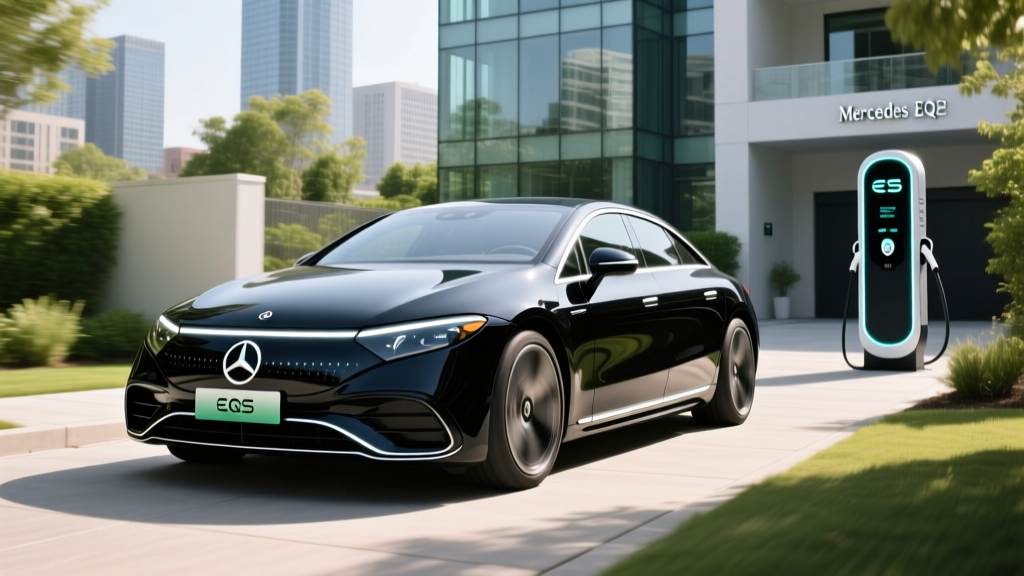
If you're researching a Mercedes EQS lease, you're likely weighing flagship luxury against real-world usability. The EQS sedan — Mercedes-Benz's electric S-Class equivalent — offers class-leading aerodynamics, a massive Hyperscreen dashboard, and range figures that top most luxury EV competitors. But leasing a $100,000+ electric sedan demands scrutiny beyond the brochure: What's the actual highway range? How quickly does it charge on a road trip? And crucially, does it qualify for the federal §30D tax credit, or does a lease structure change the incentive equation?
This review covers the 2026 Mercedes EQS lineup with exact figures on range, charging speed, pricing, and ownership economics — everything you need to evaluate whether an EQS lease makes financial sense versus buying or choosing a rival like the BMW i7 or Lucid Air.
2026 Mercedes EQS Lineup at a Glance
The 2026 EQS sedan carries over with the larger 118 kWh (usable) battery pack introduced for the 2025 model year, replacing the original 107.8 kWh unit. Mercedes offers the EQS in several configurations, from the efficient rear-wheel-drive EQS 450+ to the performance-oriented dual-motor EQS 580 4MATIC and the AMG EQS variant. All trims share the same NMC (nickel manganese cobalt) lithium-ion battery architecture.
| Spec | EQS 450+ | EQS 450 4MATIC | EQS 580 4MATIC |
|---|---|---|---|
| Drivetrain | RWD (single motor) | AWD (dual motor) | AWD (dual motor) |
| Horsepower | 355 hp | 355 hp | 536 hp |
| 0–60 mph | 5.9 sec | 5.3 sec | 4.1 sec |
| Usable Battery | 118 kWh (NMC) | 118 kWh (NMC) | 118 kWh (NMC) |
| EPA Range | 390 mi | 365 mi | 345 mi |
| EPA Efficiency | 97 MPGe (35 kWh/100mi) | 92 MPGe (37 kWh/100mi) | 88 MPGe (38 kWh/100mi) |
| Max DC Charge Rate | 200 kW | 200 kW | 200 kW |
| 10–80% DC Time | ~31 min | ~31 min | ~31 min |
| Level 2 Rate | 9.6 kW (~27 mi/hr) | 9.6 kW (~27 mi/hr) | 9.6 kW (~27 mi/hr) |
| Base MSRP | $105,550 | $108,550 | $127,350 |
Source: fueleconomy.gov and Mercedes-Benz USA. EPA estimates; your range will vary. MSRP excludes $1,150 destination charge.
Real-World Range: What to Actually Expect
EPA Sticker: 390 miles (EQS 450+)
Real-World Highway (70 mph, mild weather): ~310–330 miles
Real-World Mixed Driving: ~330–360 miles
Cold Weather (below 30°F, highway): ~250–280 miles
The EQS 450+ achieves its impressive EPA figure partly thanks to a drag coefficient of just 0.20 — the lowest of any production car. However, EVs lose efficiency at sustained highway speeds and in cold temperatures. Plan road-trip charging stops around 250-mile intervals for a comfortable buffer.
The EQS 450+ posts one of the highest EPA range figures in the luxury EV segment, and in real-world mixed driving, owners consistently report 330–360 miles on a full charge. The aerodynamic advantage is tangible at city and suburban speeds, but at 75–80 mph on the interstate, efficiency drops to roughly 3.0–3.2 kWh/mile, bringing effective range closer to 310 miles.
Cold weather is the bigger variable. The EQS uses a standard heat pump for cabin and battery thermal management, which helps mitigate winter losses compared to resistance-heated EVs. Still, expect 25–35% range reduction in sub-freezing highway driving. If you live in the upper Midwest or Northeast and regularly drive 200+ miles in winter, this is a meaningful planning factor.
The dual-motor EQS 580 4MATIC sacrifices about 45 miles of EPA range for all-wheel drive and 536 horsepower. In practice, the 345-mile EPA rating still translates to a comfortable 280–300 real-world miles in fair conditions — more than adequate for most use cases.
Charging Speed: DC Fast Charging and Home Setup
The EQS supports a peak DC fast-charge rate of 200 kW via CCS1 connector (NACS adapter availability depends on model year and region — check with your dealer for 2026 adapter status). Mercedes equips the EQS with battery preconditioning: when you navigate to a DC fast charger in the MBUX system, the battery thermal management system warms or cools the pack to optimal temperature before you arrive, maximizing charge speed.
| Charging Level | Power (kW) | Speed (miles/hr) | Notes |
|---|---|---|---|
| Level 1 (120V outlet) | ~1.4 kW | ~3–4 mi/hr | Emergency/trickle only; ~100 hr for full charge |
| Level 2 (240V home) | 9.6 kW | ~27 mi/hr | Full charge in ~12 hours; ideal overnight |
| DC Fast (peak) | 200 kW | ~500+ mi/hr (at peak) | 10–80% in ~31 min; tapers sharply above 80% |
Charging curve reality: The EQS hits its 200 kW peak only between roughly 10–40% state of charge. From 40–60%, the rate tapers to approximately 150 kW; from 60–80%, it drops further to around 100–110 kW. The 10–80% time of ~31 minutes is competitive but not class-leading — the Hyundai Ioniq 5 and Porsche Taycan can complete the same session faster due to 800V architectures that sustain higher rates longer. The EQS runs on a 400V architecture, which limits sustained peak charging.
For home Level 2 charging, the onboard 9.6 kW charger adds about 27 miles of range per hour. A full overnight session (10–12 hours) replenishes the entire 118 kWh pack. Most EQS owners will need a 48-amp or 60-amp dedicated circuit; budget $800–$2,500 for professional Level 2 installation depending on your electrical panel capacity and run distance. A panel upgrade to 200A can add $1,500–$3,000 if your home's service is insufficient.
Lease Pricing, MSRP, and Tax Credit Strategy
This is where an EQS lease gets strategically interesting. The 2026 EQS starts at $105,550 for the 450+ and climbs to $127,350 for the 580 4MATIC — well above the IRS §30D federal tax credit MSRP cap of $55,000 for sedans. This means no EQS trim qualifies for the $7,500 purchase tax credit if you buy outright.
However, there's a leasing workaround. Under the IRS commercial clean vehicle credit (§45W), leasing companies can claim a credit on vehicles that don't meet the consumer §30D requirements, and many pass this savings to lessees through reduced monthly payments. This "lease loophole" has been a significant factor in luxury EV leasing decisions. Note: IRS rules and lessor pass-through policies can change — verify current terms with your dealer and a tax professional. See irs.gov for the latest §30D and §45W guidance.
| Cost Factor | EQS 450+ (Purchase) | EQS 450+ (Lease Est.) |
|---|---|---|
| MSRP / Cap Cost | $105,550 | ~$105,550 (negotiable) |
| Federal Tax Credit (§30D) | $0 (exceeds $55K sedan cap) | N/A (see §45W below) |
| Commercial Credit (§45W) Pass-Through | N/A | Potentially up to $7,500 applied to cap cost reduction |
| Est. Monthly Payment (36 mo, 10K mi/yr) | ~$1,600–$1,800/mo (finance) | ~$1,200–$1,500/mo (varies by lessor) |
| Due at Signing | Down payment + taxes | First month + fees (~$3,000–$5,000) |
Key lease considerations for the EQS:
- Depreciation protection: Luxury EVs have historically steeper depreciation than ICE equivalents. Leasing transfers residual-value risk to the lessor — a significant advantage if you're concerned about long-term EQS resale value.
- Battery warranty: Mercedes covers the EQS battery for 10 years/155,000 miles (whichever comes first) against defects and excessive degradation below 70% capacity. A typical 36-month lease falls well within this coverage window.
- Mileage limits: Standard luxury leases run 10,000–12,000 miles/year. If you commute long distances, excess mileage charges ($0.25–$0.30/mi) can add up fast. Negotiate a higher annual allowance upfront if needed.
- End-of-lease: You won't own the vehicle, so there's no long-term battery degradation concern — but you also miss any potential upside if EQS residuals hold better than expected.
Interior Space, Tech, and Daily Livability
The EQS is a full-size luxury sedan with interior volume to match. Mercedes prioritized cabin space with a dedicated EV platform (EVA), yielding a flat floor and generous proportions:
- Front legroom: 41.7 inches
- Rear legroom: 41.5 inches — genuinely limousine-like
- Cargo volume (trunk): 22.0 cu ft (sedan); hatchback-style EQS liftback offers up to 63 cu ft with rear seats folded
- Frunk (front trunk): Not available — the EQS sedan does not include a front cargo compartment, a notable omission versus competitors like the Lucid Air
The centerpiece technology is the MBUX Hyperscreen — a 56-inch curved glass panel spanning the entire dashboard, integrating a 17.7-inch central OLED display, a 12.3-inch instrument cluster, and a 12.3-inch passenger screen. It's visually stunning and functionally comprehensive, though some owners report the glossy surface attracts fingerprints and reflections. Wireless Apple CarPlay and Android Auto are standard, along with a Burmester 4D surround sound system on higher trims.
Driver assistance: The EQS comes with Mercedes' latest Driver Assistance Package, including Active Distance Assist (adaptive cruise), Active Steering Assist (lane centering), Active Lane Change Assist, and automatic emergency braking. This is an SAE Level 2 system — it assists with steering and speed but requires continuous driver attention and hands on or near the wheel. It is not autonomous driving. The EQS also offers the optional DRIVE PILOT system (Level 3, in limited jurisdictions and conditions, up to 40 mph in heavy traffic on compatible highways), which represents a genuine step beyond typical Level 2 systems — but availability is restricted and comes with specific operational constraints.
Pros, Cons, and the Verdict on Leasing
- Class-leading EPA range (390 mi on 450+)
- Exceptionally quiet and refined ride quality
- Hyperscreen dashboard is tech-forward and functional
- Generous rear-seat legroom (41.5 in)
- Strong 10-yr/155,000-mi battery warranty
- Lease structure sidesteps purchase tax-credit MSRP cap
- Low drag coefficient (0.20 Cd) aids real-world efficiency
- 400V architecture limits sustained DC fast-charge rate vs. 800V rivals
- No front trunk (frunk) — cargo space trails some competitors
- Hyperscreen is a $8,000+ option on lower trims; fingerprints and glare
- Steep starting price; no §30D purchase credit eligibility
- Regenerative braking feel is less intuitive than one-pedal competitors
- Heavy curb weight (~5,600 lbs) affects tire wear and handling agility
How the EQS Compares: Key Rivals
If you're cross-shopping an EQS lease, you're likely also considering these luxury EV sedans:
| Metric | Mercedes EQS 450+ | BMW i7 xDrive50 | Lucid Air Pure |
|---|---|---|---|
| EPA Range | 390 mi | 318 mi | 419 mi |
| Battery (usable) | 118 kWh (NMC) | 101.7 kWh (NMC) | 88 kWh (NMC) |
| Max DC Charge | 200 kW | 195 kW | 220 kW |
| 0–60 mph | 5.9 sec | 4.5 sec | 5.0 sec |
| Base MSRP | $105,550 | $106,695 | $78,900 |
| §30D Purchase Credit | No (MSRP cap) | No (MSRP cap) | No (MSRP cap) |
| Rear Legroom | 41.5 in | 42.8 in | 38.5 in |
The Lucid Air Pure beats the EQS on range and price but offers less rear-seat space and a less established dealer/service network. The BMW i7 provides a more traditional luxury sedan experience with a slightly sportier character but significantly less range. The EQS occupies a middle ground: maximum range among German luxury sedans, best-in-class aerodynamics, and a tech-forward cabin that appeals to early adopters.
Who Should Lease the EQS?
- Executive commuters who value range, rear-seat comfort, and a whisper-quiet cabin for 200+ mile weekly commutes
- Tech-forward luxury buyers who want the Hyperscreen experience and the latest Mercedes driver assists
- Depreciation-conscious shoppers who prefer to transfer residual-value risk to the lessor on a six-figure EV
- Lease-credit strategists who can leverage the §45W commercial credit pass-through that isn't available on outright purchases
- You need fast DC charging for frequent long road trips (consider 800V platforms like the Porsche Taycan or Hyundai Ioniq 5)
- You want maximum cargo versatility — the Lucid Air or an electric SUV offers more utility
- You drive under 10,000 miles/year — the monthly savings of leasing vs. buying narrow at low mileage
Frequently Asked Questions
Does the Mercedes EQS qualify for the $7,500 federal EV tax credit?
Not through the standard §30D consumer purchase credit — the EQS sedan exceeds the $55,000 MSRP cap for sedans set by the IRS. However, when leased, the leasing company may qualify for the §45W commercial clean vehicle credit and pass some or all of that savings to you as a cap cost reduction. Always confirm current lessor policies and consult a tax professional, as these rules evolve. Check the latest guidance at irs.gov.
What is a typical EQS lease payment in 2026?
Expect roughly $1,200–$1,500/month on a 36-month lease of the EQS 450+ with 10,000 annual miles, depending on negotiated cap cost, money factor, any lease cash or §45W pass-through, and your state's tax treatment of leases. Higher trims (580 4MATIC, AMG) push payments to $1,600–$2,200+/month.
How does the EQS handle cold-weather range loss?
The EQS includes a heat pump as standard equipment, which is more efficient than resistive heating for cabin warmth and battery preconditioning. Expect 25–35% range reduction in sustained sub-freezing highway driving. A 390-mile EPA rating drops to roughly 250–280 real-world miles in harsh winter conditions. Preconditioning the cabin and battery while plugged in at home recovers significant range.
Is the EQS Hyperscreen worth the cost?
The Hyperscreen is standard on the EQS 580 and available as part of a premium package on the 450+ (adding ~$8,000+ to the vehicle price). It replaces the standard 12.8-inch central display with a 56-inch curved glass expanse. Functionally, it offers excellent navigation visualization and a dedicated passenger entertainment screen. Whether it's "worth it" depends on your tolerance for screen-centric interfaces — some drivers prefer physical controls, which the EQS has minimized.
What's the battery warranty, and should I worry about degradation on a lease?
Mercedes covers the EQS high-voltage battery for 10 years or 155,000 miles against defects and capacity loss below 70% of original. On a standard 36-month lease (typically 30,000–45,000 total miles), you'll be well within warranty coverage. NMC batteries in thermally managed packs like the EQS typically show 5–8% degradation over the first three years based on industry data — far above the 70% threshold. Battery degradation is essentially a non-issue for lessees.
How does EQS charging speed compare to 800V competitors?
The EQS uses a 400V architecture with a 200 kW peak charge rate. Competitors on 800V platforms — like the Porsche Taycan (270 kW peak) and Hyundai Ioniq 5 (240 kW peak) — sustain higher rates for longer, achieving 10–80% in 18–22 minutes versus the EQS's ~31 minutes. For road-trip-heavy owners, this 10-minute-per-stop difference adds up over long distances. For daily and weekly charging at home or at moderate-speed public chargers, the difference is negligible.
Data sourced from fueleconomy.gov, Mercedes-Benz USA, and the IRS. Specifications and incentive rules are subject to change; verify with your dealer and tax advisor before signing a lease agreement.