Quick Answer: What Is the Mercedes-Benz Electric Truck?
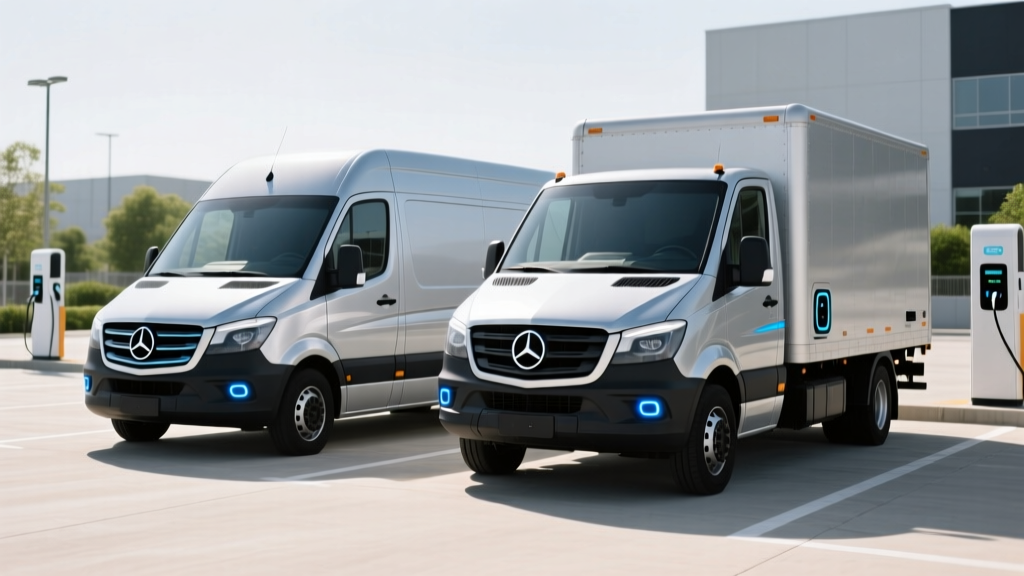
As of 2026, Mercedes-Benz does not sell a consumer electric pickup truck. The brand's electric "truck" lineup in the U.S. consists of the eSprinter (a full-size electric cargo van for commercial fleets and owner-operators) and the newly announced eCanso (a Class 4–5 medium-duty electric truck aimed at last-mile delivery and regional haul). If you're searching for a Mercedes-Benz electric truck for personal use, the closest option is the eSprinter configured as a cargo or passenger van. For a consumer electric pickup, you'll need to look at the Rivian R1T, Ford F-150 Lightning, Chevrolet Silverado EV, or Tesla Cybertruck.
The eSprinter: Mercedes-Benz's Electric Workhorse
The Mercedes-Benz eSprinter is the brand's flagship electric commercial vehicle in North America. Redesigned for the 2024 model year and carried into 2026, it sits on a dedicated electric architecture shared with the Rivian EDV (the van Amazon uses for deliveries). Here's what the numbers look like:
| Specification | 2026 eSprinter Cargo Van (High Roof, 170" WB) |
|---|---|
| Usable Battery Capacity | 113 kWh (NMC lithium-ion) |
| EPA-Estimated Range | ~200 miles (cargo); up to ~245 miles (passenger, lighter load) |
| Real-World Range (loaded, mixed driving) | ~150–180 miles |
| Motor Output | 201 hp (150 kW), 273 lb-ft torque |
| Max DC Fast Charge Rate | 115 kW (CCS1) |
| 10–80% DC Charge Time | ~42 minutes |
| Level 2 AC Charge Rate | 9.6 kW (~25 miles/hr of range) |
| Max Payload Capacity | ~2,830 lbs (cargo van) |
| Cargo Volume | Up to 533 cu ft (high roof, long wheelbase) |
| Starting MSRP | ~$74,000 (cargo van base) |
| Battery Warranty | 8 years / 100,000 miles |
Real-World Range Reality Check
The eSprinter's ~200-mile EPA estimate assumes moderate loads and mixed driving. In practice, commercial operators report 150–180 miles with typical cargo loads. Cold weather (below 30°F) can reduce range by 20–30%, dropping real-world range to as low as 120–140 miles. Highway speeds above 65 mph also hit efficiency hard in a vehicle with the aerodynamics of a brick. Plan routes around 140-mile round trips to maintain a safety buffer.
The eCanso: Mercedes-Benz's Upcoming Medium-Duty Electric Truck
Announced in late 2025, the Mercedes-Benz eCanso is a Class 4–5 medium-duty electric truck targeting regional delivery, food/beverage distribution, and utility work. It's expected to arrive in U.S. showrooms in late 2026 or early 2027. Preliminary specifications include:
- Battery options: 100 kWh, 150 kWh, and 200 kWh (LFP chemistry for durability)
- Estimated range: 120–230 miles depending on battery pack and payload
- DC fast charging: Up to 150 kW peak, 10–80% in ~35 minutes (200 kWh pack)
- GVWR: Class 4 (15,000+ lbs) and Class 5 (19,500+ lbs)
- Target MSRP: $110,000–$150,000 depending on configuration
The eCanso is designed for depot-based charging, meaning fleet operators install Level 2 or DC fast chargers at their yards. This is not a consumer vehicle — it's built for businesses running predictable daily routes under 200 miles.
Electric vs. Diesel: Cost Comparison for Commercial Operators
For fleet managers and owner-operators, the real question is whether the eSprinter's higher upfront cost is offset by lower operating expenses. Here's a five-year cost breakdown comparing the eSprinter to the diesel Sprinter 2500:
| Cost Factor (5 Years / 75,000 Miles) | eSprinter (Electric) | Sprinter 2500 (Diesel) |
|---|---|---|
| Purchase Price (base MSRP) | $74,000 | $52,000 |
| Federal Commercial Clean Vehicle Credit (§45W) | –$40,000 (GVWR-dependent, up to $40K for heavy vehicles) | $0 |
| Net Effective Purchase Price | ~$34,000 | $52,000 |
| Fuel / Energy Cost | $4,500 (at $0.14/kWh avg) | $12,750 (at $4.25/gal diesel, 17 MPG) |
| Maintenance (oil, filters, DEF, brakes) | $1,800 | $5,500 |
| Insurance (avg commercial) | $9,500 | $8,200 |
| Estimated Total 5-Year Cost | ~$49,800 | ~$78,450 |
The numbers favor the eSprinter decisively — but only if you qualify for the §45W Commercial Clean Vehicle Credit, which provides up to $40,000 for vehicles above 14,000 lbs GVWR. This credit applies to businesses and tax-exempt organizations, not individual consumers. Consult a tax professional to verify eligibility based on your business structure and the vehicle's battery sourcing compliance.
Charging the eSprinter: What Fleet Operators Need to Know
Charging infrastructure is the single biggest barrier to eSprinter adoption. Here's the practical breakdown:
| Charging Level | Power (kW) | Miles Added per Hour | Time for Full Charge | Typical Use Case |
|---|---|---|---|---|
| Level 1 (120V outlet) | 1.4 kW | ~3–4 mi/hr | ~80+ hours | Not practical for commercial use |
| Level 2 (240V, 40A) | 9.6 kW | ~25 mi/hr | ~12 hours (0–100%) | Overnight depot charging |
| DC Fast (CCS1) | 115 kW peak | ~140 mi/hr (peak) | ~42 min (10–80%) | Mid-day top-ups, public stations |
Depot Charging Installation Cost Estimate
| Item | Cost Range |
|---|---|
| Level 2 EVSE hardware (commercial-grade, per unit) | $1,500–$4,000 |
| Electrical panel upgrade (if needed, 400A service) | $5,000–$15,000 |
| Wiring, conduit, and electrician labor (per stall) | $3,000–$8,000 |
| Permits and utility interconnection | $1,000–$5,000 |
| Total per Level 2 charging stall | $10,500–$32,000 |
For a fleet of five eSprinters, budget $50,000–$150,000 for depot charging infrastructure. Utility demand charges and time-of-use rates will significantly affect ongoing electricity costs — negotiate commercial EV rates with your utility provider.
Common Misconceptions About the Mercedes-Benz Electric Truck
| Myth | Fact |
|---|---|
| "Mercedes-Benz makes an electric pickup truck." | Mercedes-Benz does not sell a consumer electric pickup. Their electric truck lineup is commercial: the eSprinter van and eCanso medium-duty truck. |
| "The eSprinter has 300+ miles of range." | The EPA estimate is ~200 miles for the cargo variant. Real-world loaded range is 150–180 miles. Some European WLTP figures are higher, but WLTP is more generous than EPA testing. |
| "I can charge an eSprinter on a regular household outlet." | Technically yes via Level 1, but at ~3 miles of range per hour, a full charge would take over 80 hours. Commercial operators need Level 2 depot charging at minimum. |
| "The $40,000 commercial tax credit is automatic." | The §45W credit has battery component sourcing requirements and applies to businesses/tax-exempt entities. Individual consumers purchasing an eSprinter for personal use do not qualify for §45W (though §30D may apply with different caps and limits). |
| "Electric vans can't handle cold weather." | Range drops 20–30% in sub-freezing temps, but the eSprinter's liquid-cooled battery with preconditioning mitigates this. Fleets in Minneapolis and Chicago operate eSprinters year-round with adjusted route planning. |
Decision Framework: Is the Mercedes-Benz Electric Truck Right for You?
Choose the eSprinter If:
- You operate a commercial fleet or are an owner-operator with predictable daily routes under 150 miles
- You have depot or warehouse space where Level 2 chargers can be installed
- Your business qualifies for the §45W Commercial Clean Vehicle Credit (up to $40,000)
- You prioritize low operating costs and are willing to accept higher upfront investment
- You operate in urban or suburban areas with access to public DC fast chargers for mid-day top-ups
Look Elsewhere If:
- You need a consumer electric pickup truck — consider the Rivian R1T, Ford F-150 Lightning, or Chevrolet Silverado EV
- Your daily routes exceed 200 miles without reliable mid-route charging
- You lack access to depot charging and must rely solely on public infrastructure
- You're a private individual buying for personal/recreational use (tax credit eligibility is limited)
- You regularly tow heavy trailers (the eSprinter is not rated for heavy towing; payload is its strength)
What First-Time Electric Fleet Buyers Should Know
If you're transitioning from a diesel Sprinter to the eSprinter, these practical considerations matter more than spec sheets:
- Route analysis first, vehicle purchase second. Pull GPS data from your current fleet vehicles. If 90%+ of daily routes fall under 150 miles, the eSprinter is a viable replacement. If you regularly run 250+ mile days, wait for higher-capacity packs or plan mid-route DC fast charging stops.
- Understand the charge curve. The eSprinter peaks at 115 kW but only sustains that rate up to roughly 40% state of charge. Above 60%, charging slows significantly. A "42-minute 10–80%" figure doesn't tell you that the last 20% can take another 40+ minutes. Plan charging stops accordingly.
- Preconditioning matters. Use the Mercedes me connect app to precondition the battery before arriving at a DC fast charger. A cold battery charges much slower — preconditioning warms the pack to optimal temperature, enabling peak charge rates.
- Insurance costs more. Commercial EV insurance premiums run 10–20% higher than diesel equivalents due to higher repair costs and battery replacement values. Get quotes before purchasing.
- Battery degradation is real but manageable. NMC batteries typically lose 10–15% capacity over 8 years of commercial use. The 8-year/100,000-mile warranty covers drops below 70% state of health. LFP batteries (expected in the eCanso) degrade slower but are heavier.
Frequently Asked Questions
Does Mercedes-Benz make a consumer electric pickup truck?
No. As of 2026, Mercedes-Benz has no consumer electric pickup in its U.S. lineup. The brand's electric truck offerings are the eSprinter commercial van and the upcoming eCanso medium-duty truck. Mercedes-Benz has hinted at a future electric G-Class (the "G-Wagon" EV), which would be an off-road SUV, not a pickup truck.
How much does the 2026 Mercedes-Benz eSprinter cost?
The eSprinter Cargo Van starts around $74,000 MSRP. The passenger van variant starts near $78,000. After applying the §45W Commercial Clean Vehicle Credit (up to $40,000 for qualifying businesses), the effective price can drop to approximately $34,000 — making it competitive with the diesel Sprinter on a purchase-price basis alone.
What is the real-world range of the eSprinter?
The EPA estimates ~200 miles for the cargo variant. Real-world loaded range is typically 150–180 miles. In cold weather (below 30°F), expect 120–140 miles. Highway driving at 70+ mph reduces range further due to the vehicle's boxy aerodynamics.
How long does it take to charge the eSprinter?
On a Level 2 (9.6 kW) charger, a full charge takes about 12 hours — ideal for overnight depot charging. On a DC fast charger (115 kW peak), the 10–80% charge takes approximately 42 minutes, though charging slows considerably above 80% SoC.
Can I buy an eSprinter for personal use?
Yes, the eSprinter is available to individual buyers, but it's designed and priced as a commercial vehicle. Personal-use buyers won't qualify for the §45W Commercial Clean Vehicle Credit, though the §30D credit (up to $7,500) may apply if income, MSRP, and battery sourcing requirements are met. Check current IRS §30D guidelines before purchasing.
How does the eSprinter compare to the Ford E-Transit?
The Ford E-Transit starts lower (~$55,000 MSRP) but has a smaller 68 kWh battery and roughly 126 miles of EPA range. The eSprinter offers significantly more range (~200 miles) and cargo volume but at a higher base price. For operators needing 150+ miles daily, the eSprinter is the better fit. For sub-100-mile urban routes, the E-Transit's lower price may win out.
What is the eSprinter's payload capacity?
The eSprinter cargo van offers up to ~2,830 lbs of payload capacity in the high-roof, long-wheelbase configuration. That's less than the diesel Sprinter 2500 (~3,500+ lbs payload), so if you consistently max out payload, the electric variant may not yet meet your needs.