Quick Verdict: Is the 2014 Mercedes-Benz B-Class Electric Drive Worth Buying in 2026?
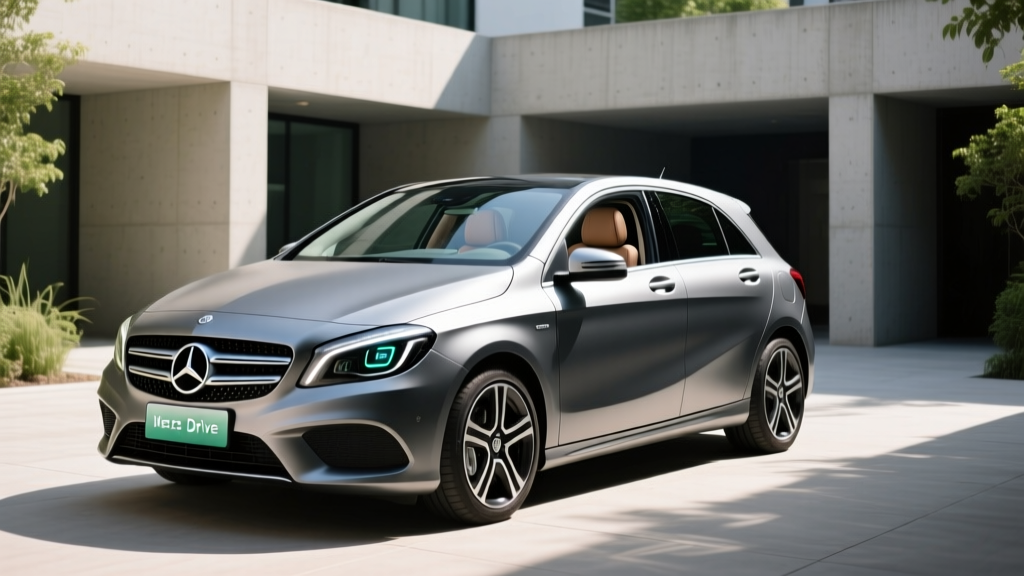
The Mercedes-Benz B-Class Electric Drive 2014 was Mercedes' first mass-market battery-electric vehicle, built on a collaboration with Tesla. It delivers an EPA-rated 87 miles of range from a 28 kWh usable lithium-ion battery, with a 100 kW (134 hp) electric motor. In 2026, used examples typically sell for $7,000–$12,000 depending on mileage and battery health. It remains a viable second car or short-commute EV for buyers who can charge at home, but its limited DC fast-charging capability (no standard CCS fast-charge port) and 87-mile range make it unsuitable as a sole vehicle for most drivers. The battery was manufactured by Tesla (the same 18650-cell architecture used in early Model S packs), which provides some long-term parts availability, but degradation should be carefully checked before purchase.
Range, Battery, and Efficiency: The Numbers That Matter
The 2014 B-Class Electric Drive (later rebadged as the B250e for 2016–2017) uses a 36 kWh gross / 28 kWh usable lithium-ion battery pack. Mercedes deliberately limited the usable buffer to protect longevity — a strategy borrowed from Tesla's own early pack management. The EPA rated it at 87 miles combined, with an efficiency of 84 MPGe combined (roughly 40 kWh/100 miles).
| Spec | Value |
|---|---|
| EPA Range | 87 miles |
| Battery (gross / usable) | 36 kWh / 28 kWh |
| Battery Chemistry | NMC (Tesla 18650 cells) |
| Motor Output | 132 kW (177 hp) / 228 lb-ft torque |
| 0–60 mph | ~7.9 seconds |
| Top Speed | 100 mph (electronically limited) |
| EPA Efficiency | 84 MPGe combined / ~40 kWh/100mi |
| Level 2 Charge Rate | 7.2 kW (240V, 30A) |
| DC Fast Charge | Not available (no CCS/CHAdeMO port) |
| Level 1 Charge (120V) | ~1.4 kW |
| Cargo Volume | 22.6 cu ft (rear seats up) |
| Original MSRP | $41,450 (before incentives) |
| Battery Warranty (original) | 8 years / 100,000 miles |
Real-World Range Expectations
EPA sticker: 87 miles. In real-world driving, expect:
- City / mild weather (65–75°F): 80–95 miles — regenerative braking helps in stop-and-go traffic.
- Highway (70 mph sustained): 60–70 miles — the B-Class's tall hatchback profile creates significant drag at speed.
- Cold weather (below 32°F): 45–60 miles — this pack has resistive heating, not a heat pump, so cabin heat draws heavily from the battery. Expect 30–40% range loss in sub-freezing conditions.
With a usable 28 kWh and no DC fast charging, this car demands predictable daily routes under 50 miles round-trip for comfortable ownership.
Charging at Home: What You'll Actually Experience
The B-Class Electric Drive charges exclusively via a J1772 Level 2 port at up to 7.2 kW. There is no DC fast-charging capability — a significant limitation even by 2014 standards, and an even greater constraint in 2026's charging landscape.
| Level | Power | Full Charge Time (0–100%) | Miles Added per Hour |
|---|---|---|---|
| Level 1 (120V household) | ~1.4 kW | ~20 hours | ~3.5 miles/hr |
| Level 2 (240V, 30A) | 7.2 kW | ~4 hours | ~18 miles/hr |
| DC Fast Charge | Not supported — no DC port | ||
For daily use, a Level 2 home charger is essentially mandatory. A full overnight charge on Level 2 restores the entire 28 kWh usable pack in roughly 4 hours. Level 1 (standard 120V outlet) is only viable as emergency trickle charging — adding ~3.5 miles per hour means a full charge takes nearly a full day.
Home charger installation cost: Expect to pay $500–$1,500 for a quality Level 2 EVSE (e.g., ChargePoint Home Flex, Emporia Level 2) plus $300–$1,500 for electrician installation, depending on whether your electrical panel needs an upgrade. Total: $800–$3,000. The federal Residential Clean Energy Credit (IRS §25D) covers 30% of home charger equipment and installation costs through 2032, up to $1,000 annually.
Cost of Ownership in 2026: EV vs. Gas Comparison
At current used prices of $7,000–$12,000, the B-Class Electric Drive is one of the most affordable ways to get into a Mercedes-branded EV. But the real savings show up in operating costs.
| Cost Category | B-Class Electric Drive | 2014 Gas Hatchback (28 MPG avg) |
|---|---|---|
| Purchase Price (2026 used) | $7,000–$12,000 | $8,000–$13,000 |
| Annual Fuel/Energy (12,000 mi) | $430–$620 (at $0.13–$0.18/kWh) | $1,285 (at $3.00/gal, 28 MPG) |
| Annual Maintenance | $300–$500 (no oil, fewer brake jobs) | $700–$1,100 |
| Insurance (annual avg) | $1,100–$1,500 | $1,000–$1,400 |
| 5-Year Total Operating Cost | $9,150–$13,100 | $14,925–$18,925 |
The electric drivetrain eliminates oil changes, spark plugs, transmission fluid, and most exhaust repairs. Brake pad life extends significantly thanks to regenerative braking. However, the B-Class is still a Mercedes, so suspension components, electronics, and climate-control parts carry premium pricing when they fail.
Federal tax credit note: The §30D New Clean Vehicle Credit does not apply to used EV purchases of this age. However, the Used Clean Vehicle Credit (IRS §25E) provides up to $4,000 or 30% of the sale price (whichever is less) for used EVs purchased from a dealer for $25,000 or less, subject to buyer income caps ($75,000 single / $150,000 joint). At a $10,000 purchase price, the maximum credit would be $3,000. Check current eligibility at irs.gov.
Battery Health and Longevity: What to Check Before Buying
The Tesla-sourced battery pack is the single most critical factor in a used B-Class Electric Drive purchase. The original 8-year/100,000-mile battery warranty has expired for all 2014 models (warranty ended in 2022 at the latest), meaning any pack failure is an out-of-pocket expense.
What to look for:
- State of Health (SoH): A diagnostic scan via OBD-II (using tools like LeafSpy-equivalent apps or a Mercedes-specific scanner) can reveal remaining capacity. Expect 75–90% SoH on a well-maintained 2014 pack. Below 70% means noticeably reduced real-world range (potentially under 55 miles).
- Charging history: Vehicles charged primarily on Level 2 at moderate SoC (20–80%) tend to degrade less than those frequently charged to 100% or deeply discharged.
- Climate history: Cars from hot climates (Arizona, Texas) may show accelerated degradation from sustained high-temperature exposure, as the pack uses passive thermal management rather than active liquid cooling for all conditions.
- Replacement cost: A refurbished or used replacement pack runs $5,000–$9,000 installed. Given the car's current value, a pack failure can be a total-loss scenario.
| Myth | Fact |
|---|---|
| "It's a Tesla underneath" | The battery cells and motor are Tesla-sourced, but the vehicle architecture, software, and chassis are Mercedes. It drives like a Mercedes, not a Model S. |
| "The battery will need replacing soon" | Tesla 18650 cells have proven durable; many packs retain 80%+ capacity after 10 years if not abused. Check SoH before buying. |
| "I can fast-charge it on road trips" | No DC fast-charging port exists. Road trips require overnight stops with Level 2 access. This is a commuter car, not a road-tripper. |
| "It qualifies for the $7,500 federal tax credit" | The §30D credit applies only to new vehicles. Used purchases may qualify for up to $4,000 under §25E (income and price caps apply). |
| "87 miles of range is enough for anyone" | 87 miles EPA translates to 60–70 highway miles or 45–60 cold-weather miles. It works only for predictable short commutes with reliable home charging. |
How It Compares: B-Class Electric Drive vs. Alternatives
| Vehicle | EPA Range / MPG | Used Price (2026) | DC Fast Charge? | Best For |
|---|---|---|---|---|
| Mercedes B-Class Electric Drive (2014) | 87 mi (84 MPGe) | $7,000–$12,000 | No | Premium commuter, short trips |
| Nissan LEAF (2015, 30 kWh) | 107 mi (114 MPGe) | $6,000–$10,000 | Yes (CHAdeMO) | Budget EV with fast-charge option |
| BMW i3 (2015, 60 Ah) | 81 mi (124 MPGe) | $8,000–$13,000 | Yes (CCS, optional) | Urban EV with unique design |
| VW e-Golf (2015) | 83 mi (116 MPGe) | $7,000–$11,000 | Yes (CCS, optional) | Normal-driving EV hatchback |
| Toyota Prius (2014, gas hybrid) | 50 MPG combined | $9,000–$13,000 | N/A | No-plug-needed efficiency |
The B-Class stands out for its interior quality and ride refinement — it's noticeably quieter and more solidly built than the LEAF or e-Golf. The Tesla powertrain delivers smooth, responsive acceleration. But the lack of DC fast charging is a serious disadvantage compared to the i3, e-Golf, and LEAF, all of which offered DC fast-charge capability (though not always standard — verify the specific vehicle).
If your daily commute exceeds 40 miles round-trip, or if you lack reliable home charging, a used Prius hybrid offers greater flexibility with zero range anxiety at similar cost. If you want a pure EV but need more range, look at a 2017+ Chevy Bolt EV (238 miles EPA, used prices ~$10,000–$14,000 in 2026).
Decision Framework: Should You Buy One?
Choose the 2014 B-Class Electric Drive if:
- Your daily round-trip commute is under 40 miles (leaving comfortable buffer for errands and weather)
- You have reliable Level 2 home charging (garage or driveway with 240V access)
- This will be a second vehicle — not your only car
- You value Mercedes interior quality and ride comfort over range and tech
- You can verify battery SoH above 80% before purchase
- You live in a mild climate (less cold-weather range penalty)
Look elsewhere if:
- You need to drive more than 60 miles in a single day regularly
- You rely on apartment or street parking with no charging access
- You need a single vehicle that handles road trips
- You live in a region with sustained sub-freezing winters
- The battery SoH reads below 75% and no replacement is budgeted
- You want modern ADAS features (this car has basic stability control and crosswind assist, but no adaptive cruise, lane-keeping, or automatic emergency braking)
First-Time EV Buyer Checklist
If the 2014 B-Class Electric Drive is your entry into EV ownership, here's what to prepare:
- Confirm home charging feasibility. Check your electrical panel for a spare 240V/30A circuit. Budget $800–$3,000 for Level 2 EVSE installation. If you're renting or in a condo, verify HOA/landlord approval.
- Get a pre-purchase battery diagnostic. An independent EV-savvy mechanic or Mercedes dealer can pull battery health data. Do not buy without this.
- Calculate your real daily mileage. Track your trips for two weeks. If your 95th-percentile daily mileage is under 50 miles, the B-Class works. If it's higher, consider a longer-range used EV.
- Understand your electricity rate. At $0.13/kWh (national average), a full charge costs ~$3.64. At $0.25/kWh (California peak), it's ~$7.00. Time-of-use plans can cut this significantly by charging overnight.
- Check insurance quotes before buying. Older Mercedes EVs can carry higher premiums than expected due to parts cost. Get a quote with the VIN.
- Research §25E used-EV credit eligibility. Income caps ($75K single / $150K joint), dealer-sale requirement, and $25K max sale price all apply. Verify at irs.gov/credits-deductions/used-clean-vehicle-credit.
Frequently Asked Questions
Can the 2014 B-Class Electric Drive use Tesla Superchargers?
No. Despite using Tesla battery and motor components, the B-Class has a standard J1772 Level 2 port only. There is no DC fast-charge port of any type (no CCS, no CHAdeMO, no NACS). You cannot connect to any DC fast-charging network, including Tesla Superchargers.
How long does the battery last?
Tesla's 18650-cell packs have shown good longevity — many retain 80–90% capacity after 10 years with moderate use. However, calendar degradation is real. A 2014 model in 2026 is 12 years old; expect 75–90% SoH depending on charging habits and climate exposure. Below 70% SoH, usable range drops noticeably below 60 miles.
What does a replacement battery cost?
Refurbished or used replacement packs typically run $5,000–$9,000 installed through an independent EV specialist. Mercedes dealer replacement (if available) can exceed $12,000. Given the car's $7,000–$12,000 used value, a battery failure is often an economic total loss.
Is the B-Class Electric Drive reliable?
The electric powertrain (Tesla-sourced) has proven reliable. The rest of the car is a Mercedes B-Class, which means premium-priced parts for suspension, electronics, and HVAC. Common issues include 12V battery failures (separate from the traction battery), climate-control compressor wear, and typical Mercedes electrical gremlins. Maintenance costs are lower than a gas Mercedes but higher than a Nissan LEAF.
How does it compare to a 2014 gas car in total cost?
Over 5 years of ownership at 12,000 miles/year, the B-Class Electric Drive saves approximately $3,000–$5,000 in fuel and maintenance compared to a comparable 28-MPG gas hatchback — assuming home charging at average electricity rates. The savings widen if you have access to cheap overnight electricity or solar panels. However, insurance may run $100–$200/year more, and the risk of a costly battery replacement is a factor the gas car doesn't carry.
Does it qualify for any tax credits in 2026?
The §30D new-vehicle credit no longer applies. The §25E used clean vehicle credit may provide up to $4,000 (or 30% of the sale price, whichever is less) if purchased from a licensed dealer for $25,000 or less, and your income is below $75,000 (single) or $150,000 (joint). The credit is claimed on your federal tax return. Consult a tax professional for your specific situation.
Sources: EPA Fuel Economy — 2014 Mercedes-Benz B-Class Electric Drive, IRS Used Clean Vehicle Credit (§25E), IRS Residential Clean Energy Credit (§25D).