Why the Tesla Model Y Dominates the Lyft Tesla Program
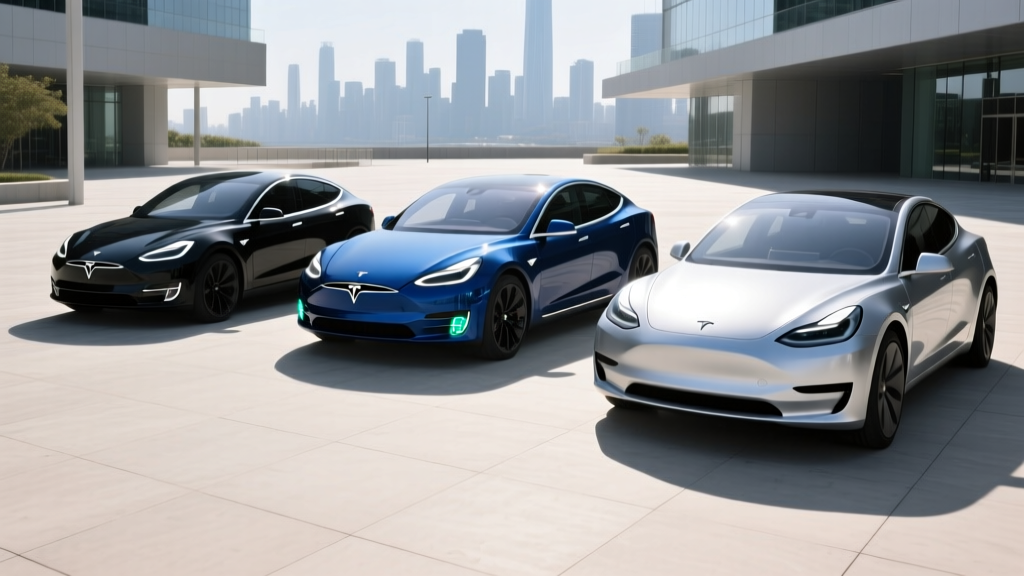
The Lyft Tesla program — which incentivizes drivers to use Tesla vehicles on the Lyft platform through preferred pricing, charging perks, and bonus earnings — has made the Tesla Model Y the default rideshare EV for thousands of drivers in 2026. The combination of Tesla's Supercharger network, strong EPA range, and spacious cabin makes the Model Y Long Range AWD a compelling tool for drivers who spend 30,000–50,000 miles per year behind the wheel.
This review breaks down the 2026 Tesla Model Y Long Range AWD with the exact numbers rideshare drivers and EV shoppers need: real-world range, DC fast-charging curves, total cost after the federal §30D tax credit, and whether it outperforms rivals like the Hyundai Ioniq 5 or Ford Mustang Mach-E for daily ride-hailing duty.
2026 Tesla Model Y Long Range AWD: Full Spec Sheet
| Specification | 2026 Model Y Long Range AWD |
|---|---|
| EPA Range | 320 miles |
| Real-World Range (mixed driving) | 265–290 miles |
| Battery Capacity (usable) | ~75 kWh (NMC chemistry) |
| Drivetrain | Dual-motor AWD |
| Horsepower | 384 hp |
| 0–60 mph | 4.8 seconds |
| Peak DC Fast Charge | 250 kW (V3 Supercharger) |
| 10–80% DC Charge Time | ~27 minutes |
| Level 2 Home Charge Rate | 11.5 kW (~44 mi/hr) |
| EPA Efficiency | 122 MPGe combined / 28 kWh/100 mi |
| Cargo Volume (rear seats up) | 30.2 cu ft |
| Cargo Volume (rear seats folded) | 72.0 cu ft |
| Rear Legroom | 41.6 inches |
| Battery Warranty | 8 years / 120,000 miles (70% capacity retention) |
| Base MSRP | $44,990 |
| Federal Tax Credit (§30D) | Up to $7,500 (eligibility varies) |
Charging Speed: What Rideshare Drivers Actually Experience
For Lyft drivers, charging downtime is lost earnings. The Model Y's 250 kW peak DC fast-charge capability on Tesla V3 Superchargers is a significant advantage — but understanding the charge curve matters more than the peak number.
| Charging Method | Power | Speed | Miles Added per Hour |
|---|---|---|---|
| Level 1 (120V outlet) | ~1.4 kW | Very slow | ~3–5 mi/hr |
| Level 2 (240V, 48A Wall Connector) | 11.5 kW | Overnight full charge | ~44 mi/hr |
| DC Fast (V3 Supercharger) | Up to 250 kW | 10–80% in ~27 min | ~200+ mi in 15 min (peak) |
| DC Fast (CCS adapter, non-Tesla) | Up to 150–170 kW typical | 10–80% in ~35 min | ~150 mi in 15 min |
Charge-curve reality: The Model Y sustains peak charging rates only between roughly 10–40% state of charge (SoC). Above 50%, the rate tapers to ~120 kW; above 80%, it drops further to ~40–60 kW. Rideshare drivers should target 10–80% sessions to maximize time efficiency. Charging from 80–100% at a Supercharger can add 20+ minutes for only ~60 miles of range — not worth it during a shift.
Home Level 2 charging with the Tesla Wall Connector (up to 11.5 kW on a 60A circuit) delivers a full overnight charge in roughly 7–8 hours. For Lyft drivers doing 150–200 miles per day, plugging in at home each night is usually sufficient to start the next shift at 90–100% SoC without any public charging stop.
Pricing, Tax Credits, and Total Cost for Lyft Drivers
The 2026 Model Y Long Range AWD starts at $44,990 (before destination). Here's how the federal tax credit and Lyft program economics stack up:
| Cost Factor | Amount |
|---|---|
| Base MSRP (Long Range AWD) | $44,990 |
| Destination Fee | $1,390 |
| Federal §30D Tax Credit (if eligible) | −$7,500 |
| Effective Price After Credit | ~$38,880 |
| Est. Annual Electricity Cost (40,000 mi, $0.14/kWh home) | ~$1,570 |
| Est. Annual Gas Equivalent (30 MPG, $3.50/gal) | ~$4,670 |
| Annual Fuel Savings vs Gas | ~$3,100 |
Federal §30D tax credit rules (2026): The full $7,500 credit requires meeting all of the following, per IRS guidelines:
- MSRP cap: SUVs/vans must be under $80,000 — the Model Y qualifies at $44,990.
- Buyer income cap: Modified AGI must not exceed $150,000 (single), $225,000 (head of household), or $300,000 (joint).
- Battery sourcing: A percentage of critical minerals and battery components must be sourced from the U.S. or FTA partners. Tesla's supply chain has been shifting, so confirm current-year eligibility on fueleconomy.gov before purchasing.
- Point-of-sale transfer: As of 2024+, you can transfer the credit to the dealer for an upfront price reduction — no need to wait for tax filing.
Note: Tax credit eligibility changes frequently. Consult a tax professional and verify current sourcing requirements before relying on the $7,500 figure.
Interior, Tech, and Passenger Comfort for Rideshare
The Model Y's cabin is minimalist but functional for ride-hailing. Rear passengers get 41.6 inches of legroom — competitive with midsize sedans and adequate for most adults on rides under 30 minutes. The panoramic glass roof creates an airy feel that riders consistently rate positively.
Standout tech features:
- 15.4-inch center touchscreen with navigation, Spotify, and trip planning
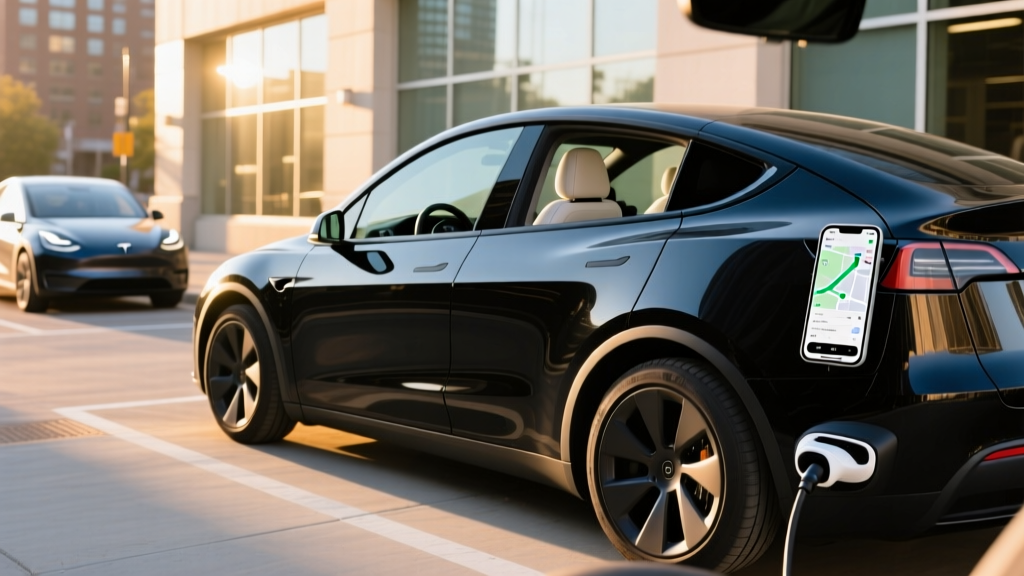
- Tesla app for remote climate preconditioning (warm/cool the car before a ride)
- Over-the-air (OTA) updates that add features without dealer visits
- Sentry Mode dashcam recording (useful for incident documentation)
- HEPA air filtration with Bioweapon Defense Mode
Notable drawbacks for rideshare use:
- No Apple CarPlay or Android Auto — passengers can't easily connect their phones
- Firm ride quality on rough city streets (sport-tuned suspension)
- Limited physical controls — adjusting climate or wipers requires screen taps while driving
- Regenerative braking is strong and non-adjustable, which some passengers find jerky at low speeds
Driver Assistance: Autopilot and FSD (Supervised)
For Lyft drivers logging long hours, Autopilot (included) provides adaptive cruise control and lane centering that reduces highway fatigue. FSD (Supervised), available as a $8,000 add-on or $99/month subscription, adds automatic lane changes, traffic light recognition, and navigation-based routing. It's a genuine fatigue-reducer on highway stretches between rides — but it does not drive the car for you, and Lyft's terms require the driver to remain in control.
Pros and Cons: Model Y for the Lyft Tesla Program
Pros
- 320-mile EPA range covers most full shifts without mid-day charging
- 250 kW Supercharger network is the most reliable public DC infrastructure in the U.S.
- Low per-mile energy cost (~$0.04/mi at home) vs gas (~$0.12/mi)
- Spacious rear seat and cargo area for airport runs and luggage
- OTA updates keep the vehicle current without dealer visits
- Strong resale value relative to EV competitors
Cons
- No Apple CarPlay/Android Auto frustrates some passengers
- Firm suspension and strong regen can reduce ride comfort
- Battery warranty caps at 120,000 miles — high-mileage rideshare drivers may exceed this in 2–3 years
- Insurance premiums run 15–30% higher than comparable gas crossovers
- Touchscreen-only controls are a distraction risk during active rides
How It Compares: Model Y vs Key Rideshare EV Rivals
The Hyundai Ioniq 5 (EPA 303 mi, ~$46,000) offers faster 10–80% charging at 350 kW chargers (~18 min) and a more comfortable ride, but its CCS charging network is less reliable than Tesla's Superchargers in many markets. The Ford Mustang Mach-E Extended Range (EPA 312 mi, ~$48,000) provides CarPlay and a more traditional cabin layout but trails on charging speed and efficiency.
For Lyft drivers specifically, the Supercharger network's uptime (>95% in most metro areas, per Tesla's own data) is the Model Y's strongest competitive moat. When a broken Electrify America stall can cost you 45 minutes of earnings, reliable infrastructure is a financial decision, not just a convenience one.
Who Should Buy the Model Y for the Lyft Tesla Program?
- You drive 150–250 miles per day and want to minimize mid-shift charging stops
- You have home Level 2 charging access for overnight top-ups
- You operate in a metro area with dense Supercharger coverage
- You value low per-mile energy cost and strong resale value
- You drive 300+ miles daily (consider the Model Y Long Range or plan for two DC sessions)
- You lack home charging access and rely entirely on public infrastructure
- Passenger comfort is your top priority (the Ioniq 5 rides softer)
- You plan to exceed 120,000 miles within the first 3–4 years (warranty limit risk)
Frequently Asked Questions
What is the real-world range of the 2026 Tesla Model Y Long Range?
The EPA rates it at 320 miles. In real-world mixed rideshare driving with HVAC use and passenger loads, expect 265–290 miles. Highway driving at sustained 75+ mph reduces this to roughly 250 miles, and sub-30°F winter temperatures can drop range to 210–240 miles due to battery resistance and cabin heating demand.
How fast does the Model Y charge at home and on DC fast chargers?
On a Tesla V3 Supercharger (250 kW peak), the Model Y charges from 10–80% in approximately 27 minutes, with the fastest charging occurring between 10–40% SoC. At home with a Level 2 Wall Connector (11.5 kW), it adds roughly 44 miles of range per hour — enough for a full overnight charge in about 7–8 hours.
Does the 2026 Model Y qualify for the $7,500 federal EV tax credit?
It can, but eligibility depends on your income (under $150K single / $300K joint), the vehicle's MSRP (under $80K for SUVs — the Model Y qualifies), and current battery-sourcing requirements under IRS §30D rules. Battery component and critical mineral sourcing thresholds tighten annually. Verify current eligibility at fueleconomy.gov and consult a tax professional before purchasing.
Is the Tesla Model Y worth it for Lyft compared to a gas car?
For high-mileage drivers (40,000+ miles/year), the fuel savings alone — roughly $3,100 per year vs a 30 MPG gas crossover — can pay back the price premium in 3–4 years. Add lower maintenance costs (no oil changes, fewer brake replacements due to regenerative braking) and the economics tilt further in the Model Y's favor. However, higher insurance premiums and the upfront price premium require a multi-year commitment to realize savings.
What's the battery warranty, and what happens if it degrades?
Tesla covers the Model Y battery for 8 years or 120,000 miles (whichever comes first), guaranteeing at least 70% capacity retention. For rideshare drivers averaging 40,000–50,000 miles per year, the mileage cap may be reached in 2.5–3 years. Out-of-warranty battery replacement currently costs between $12,000–$16,000 depending on the pack. Tesla's NMC chemistry typically shows 10–15% degradation in the first 50,000 miles, then a slower linear decline.
Can Lyft passengers charge their phones in the Model Y?
Yes — the 2026 Model Y includes USB-C ports in the front and rear. However, there is no Apple CarPlay or Android Auto integration, so passengers cannot mirror their phone screens to the vehicle's display. Many Lyft drivers provide a phone mount and charging cable in the back seat as a workaround.