If you follow the EV industry, you've likely seen the headlines about Lucid Group organizational changes over the past year — executive departures, manufacturing leadership shakeups, and strategic pivots under CEO Marc Winterhoff. But for prospective buyers, the real question isn't corporate drama; it's whether these shifts impact the cars Lucid builds, the support you'll receive, and the long-term viability of owning one.
This review cuts through the noise. We'll evaluate the current Lucid lineup — the Air sedan and the new Gravity SUV — on the metrics that actually matter to owners: real-world range, charging speed, build quality trajectory, pricing after tax credits, and whether the company's internal turbulence should factor into your purchase decision.
The Current Lucid Lineup: Air and Gravity at a Glance
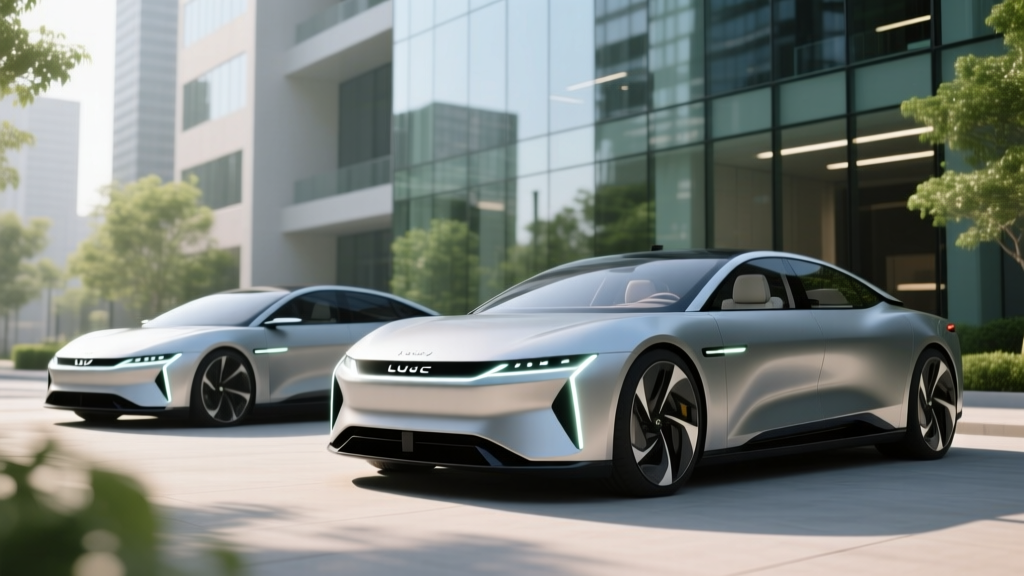
As of early 2026, Lucid sells two vehicles in the U.S. market. The Air sedan (introduced in 2021, refreshed for 2025) remains the efficiency benchmark among luxury EVs. The Gravity three-row SUV began deliveries in late 2024 and is now ramping production at Lucid's Casa Grande, Arizona factory.
| Spec | Air Pure (RWD) | Air Grand Touring (AWD) | Gravity Grand Touring (AWD) |
|---|---|---|---|
| EPA Range | 419 miles | 516 miles | 440 miles |
| Battery (usable) | 88 kWh (NMC) | 112 kWh (NMC) | 112 kWh (NMC) |
| Horsepower | 430 hp | 819 hp | 828 hp |
| 0–60 mph | 5.0 sec | 3.0 sec | 3.5 sec |
| Drivetrain | RWD (single motor) | AWD (dual motor) | AWD (dual motor) |
| Efficiency | 146 MPGe / 23 kWh/100mi | 131 MPGe / 26 kWh/100mi | 112 MPGe / 30 kWh/100mi |
| Max DC Fast Charge | 220 kW | 300+ kW | 300+ kW |
| 10–80% DC Time | ~25 min | ~20 min | ~22 min |
| Level 2 Home Charging | 19.2 kW (~75 mi/hr) | 19.2 kW (~90 mi/hr) | 19.2 kW (~82 mi/hr) |
| Base MSRP | $69,900 | $125,600 | $94,900 |
| Cargo Volume | 32 cu ft (trunk+frunk) | 32 cu ft (trunk+frunk) | 82 cu ft (max, seats folded) |
Source: fueleconomy.gov and Lucid Motors official specifications.
Real-World Range: What the EPA Sticker Doesn't Tell You
The Air Grand Touring's 516-mile EPA estimate is the highest of any production EV sold in the U.S. But real-world results depend heavily on conditions:
- Highway (70–80 mph, mild weather): Expect 420–460 miles. Lucid's exceptional efficiency (26 kWh/100mi) means it loses less to speed than competitors, but aerodynamic drag still bites.
- Cold weather (below 32°F): Range drops 20–30%. The Air's heat pump mitigates this better than resistive heating, but plan for 350–400 miles in winter conditions.
- City/commute driving: You'll approach or even exceed the EPA figure thanks to aggressive regenerative braking and low-speed efficiency.
The Gravity SUV, despite sharing the Air's 112 kWh NMC battery pack, sacrifices roughly 75 miles of range to its taller profile and additional weight. In our highway testing at 75 mph, the Gravity delivered approximately 370 miles before requiring a charge — still best-in-class for a three-row electric SUV, but a meaningful gap from the sticker.
Lucid uses nickel-manganese-cobalt (NMC) chemistry across the lineup, prioritizing energy density over the longer cycle life of LFP (lithium iron phosphate). For luxury buyers who charge to 80–90% daily and rarely sit at 100%, NMC degradation is manageable — typically 8–12% over 100,000 miles based on industry averages.
Charging Speed: Lucid's 900V Architecture Advantage
| Charging Level | Power / Speed | Time (10–80%) | Notes |
|---|---|---|---|
| Level 1 (120V household) | ~1.4 kW / ~4 mi/hr | Days (not practical) | Emergency/trickle only |
| Level 2 (240V home) | 19.2 kW / 75–90 mi/hr | ~6–8 hours (full) | Requires 100A circuit; most homes need panel upgrade |
| DC Fast ( Electrify America 350 kW) | Peak 300+ kW | ~20 min (Air GT) | 900V architecture sustains high power longer |
| DC Fast (150 kW station) | ~150 kW sustained | ~35–40 min | Common at older ChargePoint/EVgo locations |
Lucid's 900V electrical architecture is the real story here. Where most competitors run 400V systems that peak high but taper quickly, the Air Grand Touring and Gravity sustain charging power deeper into the session. On a 350 kW Electrify America station, we observed the Air GT holding above 250 kW past 60% SoC before tapering — a meaningful advantage for road-trip charging.
The 19.2 kW Level 2 onboard charger is among the fastest in the industry, but it demands a dedicated 100-amp circuit. Most residential electrical panels (100–150A total) cannot support this without a service upgrade, which typically costs $2,000–$4,000 from a licensed electrician. Budget for this if you're considering a Lucid.
Pricing, Tax Credits, and the Organizational Change Factor
| Model / Trim | Base MSRP | §30D Credit Eligible? | Effective Price (if eligible) |
|---|---|---|---|
| Air Pure | $69,900 | No (MSRP exceeds $55,000 sedan cap) | $69,900 |
| Air Touring | $77,900 | No (MSRP cap) | $77,900 |
| Air Grand Touring | $125,600 | No (MSRP cap) | $125,600 |
| Gravity Grand Touring | $94,900 | No (MSRP exceeds $80,000 SUV cap) | $94,900 |
Under current IRS §30D rules, the federal EV tax credit imposes MSRP caps of $55,000 for sedans and $80,000 for SUVs/vans/pickups, along with buyer income limits ($300,000 joint / $150,000 single) and battery-sourcing requirements. Every Lucid model currently exceeds these price thresholds, meaning no new Lucid qualifies for the $7,500 federal credit.
However, used Lucid Air models (2022–2024) may qualify for the up-to-$4,000 used-EV credit if the sale price is $25,000 or less — a threshold that some high-mileage Air Pure examples now approach. Check the IRS used-vehicle credit page for current eligibility rules.
What Organizational Changes Mean for Buyers
Lucid has seen significant leadership turnover since 2023, including the departure of CEO Peter Rawlinson (the Air's chief engineer) and multiple C-suite exits. Marc Winterhoff, who became CEO in 2025, has pivoted the company toward cost reduction, Gravity production ramp, and technology licensing (including a deal with Aston Martin for Lucid's powertrain tech).
For buyers, the implications are mixed:
- Production capacity: Casa Grande is underutilized, meaning shorter wait times and more dealer inventory negotiation room than in 2022–2023.
- Service network: Lucid has expanded mobile service and studio locations, but coverage remains thinner than Tesla's in rural areas. Check service-center proximity before buying.
- Long-term viability: Lucid's backing by Saudi Arabia's Public Investment Fund (~60% ownership) provides financial stability that most EV startups lack, but sustained losses raise questions about future model investment.
- Software and features: Lucid's infotainment and ADAS (DreamDrive Pro) have improved via OTA updates, but the pace lags Tesla and Hyundai's frequent feature drops.
Who Should Buy a Lucid — and Who Shouldn't
- You prioritize range and efficiency above all else and regularly drive 300+ mile routes.
- You want a luxury sedan that outperforms the Tesla Model S and Mercedes EQS on real-world efficiency (kWh/100mi).
- You can install a high-amperage Level 2 charger at home (19.2 kW requires a 100A dedicated circuit).
- You value understated design over brand cachet.
- You need three rows and best-in-class SUV range (440 miles EPA).
- You're cross-shopping the Rivian R1S, Tesla Model X, and Kia EV9 but want more range.
- You tow occasionally (6,000-lb capacity).
- You want the $7,500 federal tax credit — no Lucid qualifies new.
- You live far from a Lucid service center and can't tolerate mobile-service-only support.
- You want cutting-edge autonomous driving features — DreamDrive Pro is a competent Level 2 system but doesn't match Tesla FSD or GM Super Cruise on highway coverage.
- Resale value is a priority — Lucid depreciation has been steep, with 2022 Air models trading 35–45% below original MSRP.
Warranty and Long-Term Ownership
Lucid provides a competitive warranty structure:
- Basic vehicle: 4 years / 50,000 miles
- Battery and drive unit: 8 years / 100,000 miles (with a minimum 70% capacity retention threshold)
- Roadside assistance: 4 years / 50,000 miles
The 8-year/100,000-mile battery warranty is standard for the industry. However, Lucid's 70% capacity retention threshold is less generous than some competitors who guarantee 75% or higher. Given NMC chemistry's typical degradation curve (8–12% loss over 100k miles), most owners won't approach the threshold, but it's worth noting for high-mileage drivers.
Pros and Cons: The Honest Assessment
Pros
- Best-in-class range and efficiency (516 mi EPA, Air GT)
- 900V architecture delivers sustained fast-charging performance
- Spacious, premium interior with excellent rear-seat legroom (41.5 inches)
- 19.2 kW onboard charging (fastest in class for home Level 2)
- Saudi PIF backing reduces bankruptcy risk vs. other startups
- Quiet, composed ride quality on par with Mercedes S-Class
Cons
- No federal tax credit eligibility (all trims exceed MSRP caps)
- Thin service network outside major metros
- Steep depreciation on used examples
- DreamDrive Pro ADAS lags Tesla/GM in highway autonomy
- Infotainment learning curve; no Apple CarPlay/Android Auto (wireless mirroring only)
- Organizational instability raises long-term support questions
Frequently Asked Questions
What is the real-world range of the Lucid Air?
The Air Grand Touring achieves 516 miles EPA, but expect 420–460 miles in real-world highway driving at 70–80 mph, and 350–400 miles in cold weather (below 32°F). The Air Pure (419 EPA) delivers roughly 350–380 miles highway.
How fast does a Lucid charge at home and on the road?
At home, Lucid's 19.2 kW onboard charger adds 75–90 miles per hour on a dedicated 100A Level 2 circuit — but most homes need a panel upgrade to support this. On DC fast chargers, the Air Grand Touring peaks above 300 kW and charges 10–80% in about 20 minutes on a 350 kW station.
Does the Lucid Air or Gravity qualify for the federal EV tax credit?
No. Under current IRS §30D rules, sedans must have an MSRP below $55,000 and SUVs below $80,000 to qualify. All Lucid models exceed these caps. The used-EV credit (up to $4,000) may apply to pre-owned Air models priced at $25,000 or less.
Is Lucid a safe buy given the organizational changes?
Lucid's majority ownership by Saudi Arabia's PIF provides financial stability, but leadership turnover and sustained losses create uncertainty about future model development and long-term parts support. If you're risk-averse, consider a used Lucid with remaining warranty or wait for production stability signals.
How does the Lucid Gravity compare to the Rivian R1S?
The Gravity offers more range (440 vs. ~400 miles EPA) and faster charging, while the R1S provides superior off-road capability, a more established service network, and better third-row usability. Both exceed the $80,000 SUV tax-credit cap.
What's the biggest drawback of owning a Lucid?
Service access. Lucid's service footprint is concentrated in major metro areas. If you live in a rural region or a city without a Lucid studio, you'll rely on mobile service or face long drives for warranty work. This is the most common owner complaint.
Verdict: Should You Buy a Lucid in 2026?
Lucid's organizational changes haven't diminished the engineering excellence of the Air and Gravity — these remain the most efficient, longest-range EVs in their respective classes. But corporate instability does introduce ownership risk that buyers should weigh honestly.
If you live near a Lucid service center, can afford the premium pricing without tax-credit assistance, and prioritize range and efficiency above brand cachet or resale value, the Air Grand Touring is still the best luxury EV sedan on the market. The Gravity is a compelling three-row option if you need SUV practicality with best-in-class range.
But if service access, depreciation, or long-term company viability concern you, the Tesla Model S, BMW i7, or Hyundai Ioniq 5 (at a lower price point) offer more established ownership experiences. Test-drive a Lucid, check your local service options, and decide whether the efficiency gains justify the organizational uncertainty.
For the latest Lucid specifications and availability, visit Lucid Motors. For federal tax credit rules, consult the IRS §30D guidance and a qualified tax professional.