The Lucid Uber Deal: A Rideshare-Fleet EV Worth Considering?
When Lucid Motors announced a partnership with Uber to deploy its vehicles on the rideshare platform, the move sent ripples through both the EV and gig-economy worlds. The so-called Lucid Uber deal isn't just a marketing headline — it's a real fleet-integration play that puts the Lucid Gravity (and potentially the Air sedan) into the hands of Uber Black and Uber Comfort drivers looking to differentiate themselves, lower operating costs, and access Uber's EV incentive programs.
But does the math actually work? Can a luxury EV with a six-figure sticker price pencil out as a rideshare workhorse? In this review, we break down the 2026 Lucid Gravity's range, charging speed, ownership economics, and real-world suitability for high-mileage Uber drivers — with the exact numbers you need to decide.
2026 Lucid Gravity: Core Specs at a Glance
| Spec | Gravity Grand Touring | Gravity Touring |
|---|---|---|
| EPA Range | 440 miles | 390 miles |
| Battery (usable) | ~112 kWh (NMC) | ~112 kWh (NMC) |
| Drivetrain | Dual-motor AWD | Dual-motor AWD |
| Horsepower | 834 hp | ~620 hp |
| 0-60 mph | 3.5 seconds | ~4.2 seconds |
| Max DC Fast Charge | ~300 kW (peak) | ~300 kW (peak) |
| 10-80% DCFC Time | ~20 minutes | ~20 minutes |
| Level 2 Charge Rate | 19.2 kW (up to ~70 mi/hr) | 19.2 kW |
| MPGe (combined) | 117 MPGe | ~112 MPGe |
| Energy Consumption | ~29 kWh/100 mi | ~30 kWh/100 mi |
| Cargo Volume | ~110 cu ft (rear seats folded) | ~110 cu ft |
| Third-Row Seating | Standard (up to 7 passengers) | Standard |
| Base MSRP | $94,900 | $79,900 |
| Battery/Powertrain Warranty | 8 years / 100,000 miles | 8 years / 100,000 miles |
Real-World Range: What Rideshare Drivers Actually Get
EPA Sticker: 440 miles (Grand Touring) / 390 miles (Touring)
Real-World Expectation: In mixed city/highway rideshare driving, expect 360-400 miles from the Grand Touring. Sustained highway driving at 75+ mph drops that to ~330-350 miles. In cold weather (below 30°F), plan for a 15-25% reduction, yielding roughly 290-340 miles before you need a charger.
Lucid's efficiency advantage is real. The company's miniaturized drive units and 900V+ electrical architecture deliver class-leading kWh-per-mile figures. For a rideshare driver logging 300-400 miles per day, that means potentially completing a full shift on a single charge — a massive operational advantage over EVs with 250-300 mile ranges that require mid-shift fast-charging stops.
According to fueleconomy.gov, the Gravity's combined efficiency translates to roughly 117 MPGe, which is exceptional for a three-row, 5,500+ lb SUV. Compare that to the Rivian R1S (~2.6 kWh/mi) or Tesla Model X (~3.0 kWh/mi), and the Gravity's ~2.9 kWh/mi is competitive given its larger battery and longer range ceiling.
Charging Speed: Downtime Is Lost Income
| Charging Level | Power (kW) | Speed (miles added/hr) | Use Case |
|---|---|---|---|
| Level 1 (120V household) | ~1.4 kW | ~4 mi/hr | Emergency / trickle only |
| Level 2 (240V home, 48A) | ~11.5 kW | ~40 mi/hr | Overnight home charging |
| Level 2 (240V, 80A hardwired) | 19.2 kW | ~70 mi/hr | Fast home / depot charging |
| DC Fast Charge (peak) | ~300 kW | ~700+ mi/hr (at peak) | Road trips, mid-shift top-ups |
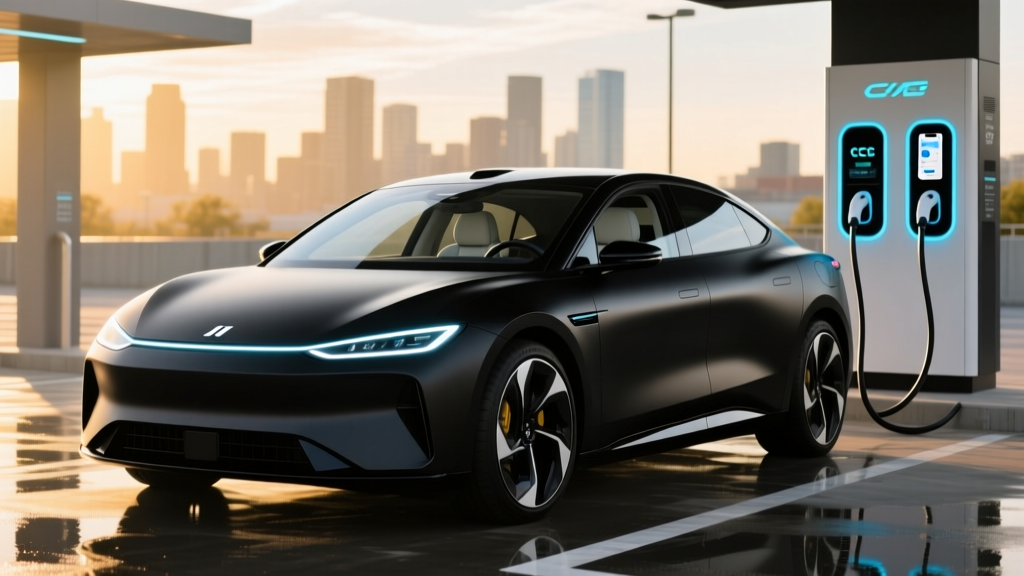
For rideshare use, charging speed is income-critical. The Gravity's ~300 kW peak DC fast-charge capability means a 10-80% session takes roughly 20 minutes at a compatible 350 kW station (such as Electrify America or EVgo's latest stalls). That's enough time for a quick meal break — not ideal, but workable.
However, there's a charging-curve reality to understand: the Gravity, like all EVs, does not sustain peak kW for the entire session. The 300 kW peak occurs in the low state-of-charge window (roughly 10-30%), and the rate tapers progressively above 50%. A full 10-80% session averages closer to 200-220 kW sustained. This is still excellent — comparable to the Porsche Taycan and faster than most competitors — but don't expect 300 kW for the full duration.
At home, Lucid supports up to 19.2 kW Level 2 charging (80A circuit, requiring a 100A breaker). Rideshare drivers with home charging can wake up to a full battery every morning, eliminating most public-charging dependency. According to Lucid's official specs, this adds roughly 70 miles of range per hour of Level 2 charging, meaning an 8-hour overnight session fully replenishes even the Grand Touring's 112 kWh pack.
Pricing, Tax Credits, and the Rideshare ROI Question
| Trim | Base MSRP | Federal §30D Credit | Effective Price | Notes |
|---|---|---|---|---|
| Gravity Touring | $79,900 | Up to $7,500* | ~$72,400 | MSRP under $80K cap; income & sourcing rules apply |
| Gravity Grand Touring | $94,900 | $0 | $94,900 | Exceeds $80K MSRP cap for SUVs under §30D |
*Per IRS §30D guidelines: the new clean vehicle credit has an MSRP cap of $80,000 for SUVs/pickups/vans, buyer income caps ($150K single / $300K joint MAGI), and critical-mineral/battery-component sourcing requirements that change annually. The Gravity Touring at $79,900 squeaks under the SUV cap, but eligibility depends on the buyer's income and Lucid's supply-chain sourcing for the model year. The credit can be transferred to the dealer at point of sale as an instant discount. Always verify current-year rules with a tax professional.
For the Lucid Uber deal specifically, Uber has offered EV incentives to drivers in select markets — including cash bonuses for completing a set number of trips in an eligible EV, plus reduced commission structures in some cities. Combined with the §30D credit (if eligible), state incentives (such as California's CVRP or Colorado's innovative motor vehicle credits), and dramatically lower per-mile energy costs versus gas, the Gravity Touring begins to make financial sense for high-volume Uber Black or Comfort drivers.
The per-mile math: At a national average electricity cost of ~$0.16/kWh and the Gravity's ~29 kWh/100 mi efficiency, fuel cost is roughly $0.046 per mile. A comparable gas SUV getting 22 MPG at $3.50/gallon costs $0.159/mile. Over 40,000 miles/year (typical full-time rideshare), that's a $4,520 annual fuel savings. Add lower maintenance costs (no oil changes, reduced brake wear from regen), and total operating savings can reach $5,500-$6,500/year.
Interior Space, Tech, and Passenger Experience
Rideshare ratings depend heavily on passenger comfort, and this is where the Gravity earns its keep. The three-row configuration seats up to seven, though Uber Comfort and Black riders will typically see 1-3 passengers in the first two rows. Second-row legroom is generous at ~41 inches, and the panoramic glass roof creates an airy, premium cabin feel that translates directly into better rider ratings.
Cargo space is a standout: with the third row folded, the Gravity offers approximately 110 cubic feet of cargo volume — more than enough for airport runs with heavy luggage. The front trunk (frunk) adds additional storage for smaller items or driver supplies.
On the tech front, the Gravity features Lucid's 34-inch curved Glass Cockpit display, a 17-inch center touchscreen with wireless Apple CarPlay and Android Auto, and a 21-speaker Surreal Sound audio system. For passengers, the rear-seat experience includes USB-C charging ports, climate controls, and available rear-seat entertainment screens.
Driver assistance: Lucid's DreamDrive Pro system provides adaptive cruise control, lane-centering, automated lane changes, and a 360-degree camera suite. Per NHTSA standards, this is an SAE Level 2 system — the driver must remain fully engaged and is responsible for the vehicle at all times. This is not a self-driving system, and rideshare drivers should not represent it as one.
Battery Longevity and Warranty: The High-Mileage Concern
Rideshare drivers put extraordinary mileage on their vehicles — often 40,000-60,000 miles per year. Battery degradation is the single biggest long-term cost risk.
Lucid's battery and powertrain warranty covers 8 years or 100,000 miles (whichever comes first), with a capacity retention threshold of 70%. For a driver putting on 50,000 miles annually, the mileage limit will be reached in roughly two years — well before the 8-year mark. This is a significant limitation for fleet and rideshare use.
The Gravity uses an NMC (nickel-manganese-cobalt) lithium-ion battery pack. NMC chemistry offers excellent energy density (enabling the 440-mile range), but it is more sensitive to repeated deep cycling and high-temperature fast charging than LFP (lithium iron phosphate) chemistry. Rideshare drivers should:
- Avoid routinely charging to 100% — set daily charge limits to 80-85%
- Use preconditioning before DC fast-charging sessions to reduce thermal stress
- Minimize consecutive same-day DC fast charges when possible
- Monitor State of Health (SoH) through the Lucid app and document readings for warranty claims
Battery replacement costs, should the pack fall below the 70% threshold outside warranty coverage, are estimated at $18,000-$25,000+ for a pack of this size — a sobering figure that must factor into any long-term rideshare business plan.
Pros and Cons for the Rideshare Use Case
Pros
- Class-leading 440-mile EPA range — complete most shifts on a single charge
- Exceptional ~300 kW DC fast charging minimizes downtime
- Ultra-low operating cost (~$0.046/mile electricity vs $0.16/mile gas)
- Premium cabin elevates Uber Black/Comfort rider ratings and tips
- 110 cu ft cargo space handles airport luggage runs easily
- Up to 7-passenger seating for UberXL eligibility in some markets
- Strong performance (834 hp, 3.5s 0-60) for confident highway merging
Cons
- $79,900-$94,900 MSRP — very high upfront investment for rideshare
- Grand Touring exceeds §30D MSRP cap; Touring eligibility depends on sourcing/income
- 100,000-mile battery warranty limit reached in ~2 years at rideshare mileage
- NMC battery chemistry requires careful charge management under heavy use
- Limited service center network compared to Tesla — repair downtime risk
- Insurance premiums for luxury EVs can be 30-50% higher than average
- Lucid's long-term reliability and resale value remain unproven vs established brands
Lucid Gravity vs. Rideshare Alternatives
How does the Gravity stack up against other EVs commonly used in rideshare fleets?
| Vehicle | EPA Range | DCFC Peak | Base MSRP | Best For |
|---|---|---|---|---|
| Lucid Gravity Touring | 390 mi | ~300 kW | $79,900 | Uber Black/Comfort, premium service |
| Tesla Model Y LR | 320 mi | 250 kW | $44,990 | UberX, high-volume cost efficiency |
| Hyundai Ioniq 5 Limited | 305 mi | 240 kW | $52,600 | Uber Comfort, value + fast charging |
| Rivian R1S Dual-Motor | 352 mi | ~200 kW | $79,900 | UberXL, adventure-oriented riders |
| Kia EV9 GT-Line | 270 mi | ~210 kW | $60,900 | UberXL, family-oriented rides |
For pure cost-efficiency in UberX, the Tesla Model Y remains the dominant rideshare EV — lower price, Supercharger network access, and proven reliability. The Gravity's advantage is squarely in the premium tier: Uber Black, Comfort, and SUV categories where riders expect (and rate) luxury. If you're running 250+ trips/month in a premium category and your market supports higher fares, the Gravity's range and passenger experience create a defensible competitive edge.
Who Should Buy the Lucid Gravity for Uber?
Choose the Gravity if:
- You drive for Uber Black, Comfort, or SUV in a major metro market with premium demand
- You have reliable home Level 2 charging (ideally 19.2 kW / 80A)
- You log 300+ miles/day and need single-charge shift completion
- You qualify for the §30D credit (Touring trim) and/or state EV incentives
- You plan to keep the vehicle 3-4 years and have budgeted for potential battery costs post-warranty
Look elsewhere if:
- You primarily drive UberX where lower fares don't justify a luxury vehicle cost
- You lack home charging and depend on public DC fast charging daily
- You need a proven 200,000+ mile track record before committing capital
- Your market doesn't reward premium-tier vehicles with meaningfully higher earnings
Frequently Asked Questions
What is the real-world range of the Lucid Gravity for rideshare driving?
In mixed city/highway rideshare use, expect 360-400 miles from the Grand Touring (EPA 440 mi) and 320-350 miles from the Touring (EPA 390 mi). Cold weather reduces these figures by 15-25%. Sustained highway driving at 75+ mph will also reduce range by approximately 15-20% versus the EPA combined estimate.
How fast does the Lucid Gravity charge?
The Gravity peaks at approximately 300 kW on a DC fast charger, achieving a 10-80% charge in roughly 20 minutes. At home on a 19.2 kW Level 2 charger (80A circuit), it adds about 70 miles of range per hour, fully recharging overnight in 7-8 hours. On a standard 48A Level 2 circuit (~11.5 kW), expect roughly 40 miles per hour.
Does the Lucid Gravity qualify for the federal EV tax credit?
The Gravity Touring at $79,900 falls just under the $80,000 MSRP cap for SUVs under IRS §30D, making it potentially eligible for up to $7,500. However, eligibility depends on buyer income limits ($150K single / $300K joint MAGI), battery component and critical mineral sourcing requirements, and point-of-sale dealer participation. The Grand Touring at $94,900 exceeds the MSRP cap and does not qualify. Verify current-year rules at IRS.gov and consult a tax professional.
How much does it cost to operate the Lucid Gravity for Uber?
At $0.16/kWh average electricity cost and ~29 kWh/100 mi efficiency, fuel cost is approximately $0.046/mile — roughly 70% less per mile than a gas SUV at 22 MPG. Over 40,000 miles/year, expect ~$1,840 in electricity versus ~$6,360 in gasoline, a savings of ~$4,520/year. Maintenance savings (no oil changes, reduced brake wear) add another $1,000-$2,000 annually.
Is the Lucid Uber deal worth it compared to a Tesla Model Y?
It depends on your rideshare tier. For UberX, the Model Y's lower price (~$45K), Supercharger network, and proven reliability make it the stronger financial choice. For Uber Black, Comfort, or SUV categories where premium fares and higher tips offset the Gravity's higher purchase price, the Lucid's superior range, luxury cabin, and passenger experience can generate meaningfully higher per-trip earnings and driver ratings.
What happens to the battery warranty at rideshare mileage levels?
Lucid's battery warranty is 8 years or 100,000 miles — whichever comes first. A full-time rideshare driver putting on 40,000-50,000 miles per year will hit the mileage cap in approximately 2-2.5 years. After that, any battery replacement (estimated $18,000-$25,000+) is an out-of-pocket expense. Factor this into your long-term business plan and consider setting aside a battery reserve fund.