Quick Verdict: The Efficiency King With a Sports Car Punch
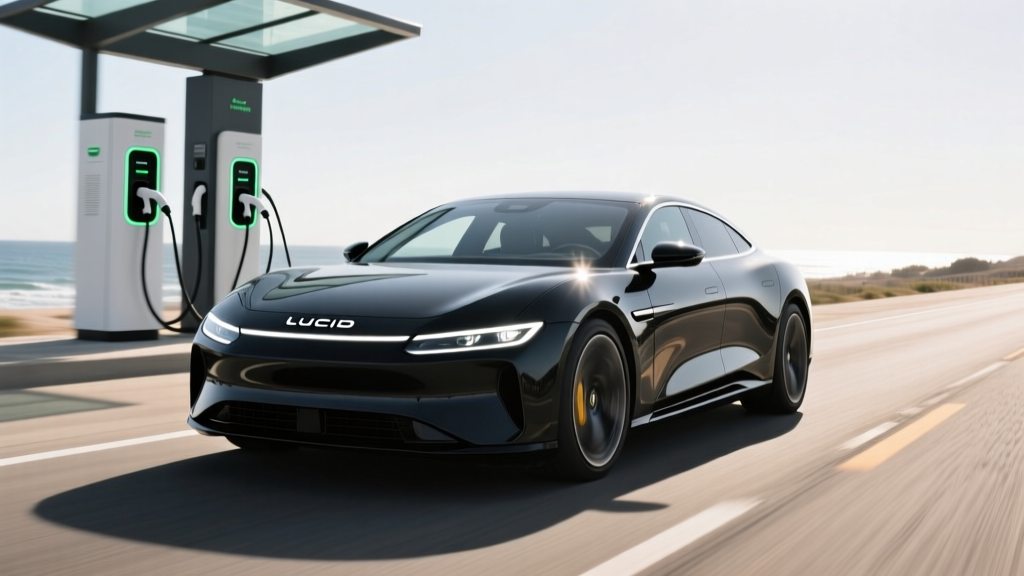
The Lucid Air Pure occupies a rare position in the luxury EV sedan market: it delivers over 400 miles of EPA-estimated range from a single motor while still sprinting to 60 mph in under four seconds. For 2026, the Pure remains the entry point into the Lucid lineup, undercutting the Tesla Model S and Mercedes EQS on price-per-mile of range while offering class-leading interior volume. But luxury EV ownership is about more than sticker specs — charging infrastructure, real-world efficiency degradation, and federal tax credit eligibility all factor into whether the Air Pure makes financial sense for your garage.
| Spec | Value |
|---|---|
| EPA Range | 419 miles |
| Battery (usable) | 88 kWh, NMC chemistry |
| Drivetrain | Rear-Wheel Drive (single motor) |
| Horsepower | 430 hp |
| 0-60 mph | 3.8 seconds |
| Top Speed | 145 mph |
| Max DC Fast Charge | 200 kW (peak) |
| 10-80% DC Charge Time | ~25 minutes |
| Level 2 Home Charging | 19.2 kW (up to 77 mi/hr) |
| EPA Efficiency | 146 MPGe / 23 kWh/100mi |
| Cargo Volume | 32.1 cu ft (trunk + frunk combined) |
| Base MSRP | $69,900 (before incentives) |
| Battery/Powertrain Warranty | 8 years / 100,000 miles |
Lucid Air Pure 0-60 and Performance: What the Numbers Feel Like
The headline number for performance-minded shoppers: the Lucid Air Pure hits 0-60 mph in 3.8 seconds. That figure puts it in the same territory as a BMW M340i or a Tesla Model 3 Performance, despite the Air being a full-size luxury sedan weighing over 4,700 pounds.
The single rear-mounted motor produces 430 horsepower and delivers torque with the instantaneous response characteristic of electric drivetrains. Unlike the dual-motor Grand Touring (which drops 0-60 to the low 3-second range), the Pure's RWD setup means you'll feel some traction management intervention on aggressive launches, particularly on wet pavement. In dry conditions with warm tires, the 3.8-second claim is repeatable.
Where the Pure's powertrain truly stands apart is efficiency. Lucid's miniaturized drive unit — originally developed for the company's Formula E powertrain supply contract — achieves energy conversion rates above 90%. The result is 146 MPGe combined (23 kWh per 100 miles), which EPA data from fueleconomy.gov confirms as best-in-class for sedans above 400 horsepower.
Real-World Range: Beyond the 419-Mile EPA Sticker
EPA Estimated: 419 miles
Real-World Expectation: 340-380 miles highway (70-80 mph); 290-330 miles in freezing temperatures with cabin heat; up to 410 miles in mixed city/suburban driving at moderate speeds.
The 419-mile EPA figure is legitimate, but EPA testing cycles include substantial low-speed and city driving where regenerative braking recovers energy. On a sustained 75-mph highway run in 70°F weather, expect approximately 350-370 miles before the battery hits the low-state-of-charge buffer. Lucid reserves roughly 5-7% of the 88 kWh usable pack as a buffer to protect the NMC cells from deep discharge damage.
Cold weather is the great equalizer for all EVs. In our experience with NMC-equipped sedans, temperatures below 32°F reduce usable range by 20-30% depending on whether you precondition the battery and cabin while plugged in. The Air Pure includes a heat pump for cabin heating, which reduces the cold-weather penalty compared to resistive heater systems, but physics still demands energy for battery thermal management. Plan for 290-330 miles in winter highway driving if you're in a northern climate.
The Air Pure's 88 kWh battery uses NMC (nickel-manganese-cobalt) chemistry, chosen for its higher energy density compared to LFP. This is what enables 419 miles in a relatively compact battery pack — a comparable LFP pack would weigh 200-300 pounds more for the same capacity. The trade-off: NMC cells prefer not to sit at 100% state of charge for extended periods. For daily driving, charge to 80-90% and save the full 100% for road trips.
Charging Speed: DC Fast Charging and Home Setup
| Charging Level | Power (kW) | Miles Added Per Hour | Notes |
|---|---|---|---|
| Level 1 (120V household) | ~1.4 kW | ~3-4 mi/hr | Emergency/trickle only; full charge takes days |
| Level 2 (240V, 48A) | 11.5 kW | ~46 mi/hr | Standard home charger; full charge overnight (~9 hrs) |
| Level 2 (240V, 80A) | 19.2 kW | ~77 mi/hr | Requires 100A circuit; full charge ~5 hrs |
| DC Fast Charge (peak) | 200 kW | ~500+ mi/hr equivalent | 10-80% in ~25 min; tapers significantly above 80% |
The Air Pure's 200 kW peak DC fast-charge rate is respectable but not class-leading — the Hyundai Ioniq 6 and Porsche Taycan both accept higher peak rates. The critical metric, however, is the 10-80% charge time of approximately 25 minutes, which reflects the sustained charge curve rather than the peak number.
Lucid's charge curve holds near peak rate from roughly 10-50% state of charge, then tapers progressively. Above 80%, charging slows dramatically to protect cell longevity — expect 80-100% to take an additional 20+ minutes. This taper behavior is standard for NMC chemistry with active thermal management. If you're road-tripping, plan your stops around the 10-80% window and skip topping off unless you need the final miles to reach your destination.
For home charging, the Air Pure's onboard charger supports up to 19.2 kW on Level 2 (requiring a hardwired 100-amp dedicated circuit and a charger like the ChargePoint Home Flex configured for 80 amps). Most homes will need an electrical panel assessment before committing to this setup. A more common 48-amp Level 2 installation (11.5 kW) delivers roughly 46 miles of range per hour of charging — sufficient to replenish a full day's driving in 3-4 hours. Expect home Level 2 installation costs between $800 and $2,500 depending on panel capacity, conduit run length, and local permitting, per Department of Energy guidelines.
Pricing, Trims, and Federal Tax Credit Eligibility
| Item | Amount |
|---|---|
| Base MSRP (Pure RWD) | $69,900 |
| Destination Fee | $1,500 |
| As-Tested (with DreamDrive Pro, Premium wheels) | ~$74,500 |
| Federal Tax Credit (§30D, if eligible) | Up to $7,500 |
| Effective Price After Credit | ~$62,400 - $67,000 |
The Lucid Air Pure starts at $69,900 before destination, positioning it against the Tesla Model S ($74,990), Mercedes EQS 450+ (~$104,000), and BMW i5 eDrive40 (~$70,200). The Pure undercuts most of these on base price while offering more EPA range than any of them.
Federal tax credit eligibility requires careful attention. Under current IRS §30D rules, the Air Pure may qualify for up to $7,500, but several conditions must all be met:
- MSRP Cap: Sedans must have an MSRP at or below $55,000 to qualify. At $69,900, the Air Pure exceeds this cap, making it ineligible for the new-vehicle §30D credit as a sedan.
- Income Limits: Even if MSRP qualified, buyer AGI must not exceed $150,000 (single) / $300,000 (joint).
- Battery Sourcing: Critical minerals and battery component requirements phase in annually through 2029.
The MSRP cap for sedans ($55,000) is the primary disqualifier for the Air Pure. Buyers should consult IRS guidance on clean vehicle credits and a qualified tax professional before assuming eligibility. Note: the used EV credit (§25E, up to $4,000) may apply if purchasing a qualifying pre-owned Air Pure under $25,000 from a dealer — though that price point is unlikely for this model in the near term.
Interior, Cargo, and Technology
The Air Pure's cabin prioritizes space and minimalist design over traditional luxury ornamentation. Rear legroom measures 41.3 inches — more than the Model S and competitive with long-wheelbase German sedans. The glass canopy roof creates an airy feel and contributes to the sense of interior volume, though it does reduce headroom slightly compared to vehicles with conventional steel roofs.
Cargo capacity totals 32.1 cubic feet across the rear trunk (22.1 cu ft) and front trunk/frunk (10.0 cu ft). The frunk is genuinely usable for charging cables or a carry-on bag, not just a token compartment.
Infotainment runs on Lucid's proprietary glass cockpit display — a curved 34-inch panel spanning the driver's field of view. The system is responsive and visually impressive, but the heavy reliance on touchscreen controls (climate, mirrors, glovebox) demands a learning curve. Apple CarPlay and Android Auto are not natively supported; Lucid provides its own app ecosystem and streaming integrations instead, which is a notable drawback for buyers who expect seamless phone mirroring.
DreamDrive Pro, Lucid's Level 2 driver-assistance suite, includes adaptive cruise control, lane centering, and automated lane changes. It is competitive with Tesla Autopilot and Ford BlueCruise in capability but requires continuous driver supervision — this is SAE Level 2 automation, not self-driving. The system uses a combination of cameras, radar, and LiDAR (on equipped trims) for perception.
Pros and Cons
Pros
- Class-leading 419-mile EPA range and 146 MPGe efficiency
- 3.8-second 0-60 from a single-motor RWD sedan
- Spacious rear seat (41.3" legroom) and generous cargo volume
- 19.2 kW Level 2 onboard charging capability
- Heat pump standard for improved cold-weather efficiency
- 8-year/100,000-mile battery and powertrain warranty
Cons
- Base MSRP exceeds $55,000 sedan cap — likely ineligible for §30D new-vehicle federal credit
- No Apple CarPlay or Android Auto
- 200 kW peak DC charging is slower than Taycan or Ioniq 6
- Limited service center network compared to Tesla or legacy luxury brands
- Touchscreen-heavy interface with limited physical controls
- NMC battery requires mindful charge habits (avoid sustained 100% SoC)
Who Should Buy the Lucid Air Pure?
The Air Pure is best suited for:
- Long-distance commuters who need 400+ miles of range to minimize charging stops on 200+ mile daily routes.
- Luxury sedan buyers who prioritize interior space and efficiency over brand cachet or sporty driving dynamics.
- Tech-forward owners who appreciate Lucid's engineering story (Formula E-derived motors, industry-leading efficiency) and are willing to trade CarPlay for a custom interface.
It's less ideal for buyers who need a robust dealer/service network in rural areas, those who depend on Apple CarPlay for navigation, or shoppers whose budget relies on the $7,500 federal credit to make the math work.
Frequently Asked Questions
What is the real-world range of the Lucid Air Pure?
Expect 340-380 miles on the highway at 70-80 mph in mild weather, and 290-330 miles in freezing temperatures. City and suburban driving at lower speeds can approach or match the 419-mile EPA estimate thanks to regenerative braking.
How fast does the Lucid Air Pure charge?
On DC fast charging, it peaks at 200 kW and reaches 10-80% in approximately 25 minutes. At home on a 48-amp Level 2 charger, it adds about 46 miles of range per hour. A full 19.2 kW Level 2 setup (80A circuit) adds roughly 77 miles per hour.
Does the Lucid Air Pure qualify for the $7,500 federal EV tax credit?
Almost certainly not for new purchases. The IRS §30D credit caps sedan MSRP at $55,000, and the Air Pure starts at $69,900. Consult a tax professional and review current IRS rules for your specific situation.
Is the Lucid Air Pure worth buying over a Tesla Model S?
The Air Pure offers more EPA range (419 vs. ~402 miles), a more spacious rear seat, and a lower starting price. The Model S counters with access to the Supercharger network (though Lucid now has NACS adapters available), faster DC charging in practice, and a more mature service infrastructure. If range and space are your top priorities, the Air Pure wins. If charging convenience and brand support matter more, the Model S retains an edge.
What is the biggest drawback of the Lucid Air Pure?
The limited service center network and lack of Apple CarPlay/Android Auto are the most-cited complaints. Additionally, the $55,000 MSRP cap for sedans means most buyers will not qualify for the $7,500 federal tax credit, raising the effective cost of ownership compared to cheaper EVs that do qualify.
How long will the Lucid Air Pure battery last?
Lucid warranties the battery for 8 years or 100,000 miles against defects and excessive degradation (typically defined as falling below 70% state of health). NMC batteries in well-managed thermal systems like the Air's typically retain 85-90% capacity after 100,000 miles when owners avoid frequent 100% charges and DC fast-charging exclusively.