Quick Answer: What Is an LSV Electric Vehicle?
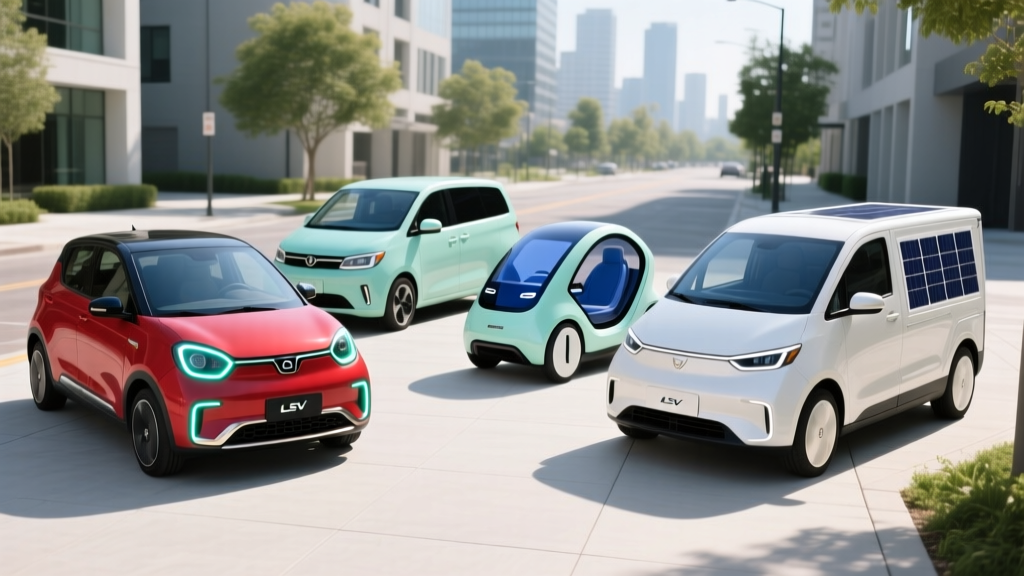
An LSV (Low-Speed Vehicle) is a federally regulated, street-legal electric vehicle limited to a top speed of 25 mph and permitted on roads with speed limits of 35 mph or lower. Modern LSV electric models offer 30–60 miles of real-world range, use 48V to 72V battery systems (typically lead-acid or lithium iron phosphate), and cost between $8,000 and $25,000 depending on features. They qualify as NEVs (Neighborhood Electric Vehicles) under FMVSS 500 and must include seat belts, headlamps, turn signals, and VINs for registration. LSVs are not eligible for the federal §30D EV tax credit, which applies only to highway-capable vehicles.
What Exactly Qualifies as an LSV Electric?
The term "LSV electric" refers to a specific vehicle classification defined by the National Highway Traffic Safety Administration (NHTSA) under Federal Motor Vehicle Safety Standard (FMVSS) 500. To be street-legal, an LSV must meet these hard requirements:
- Maximum speed: Greater than 20 mph but not greater than 25 mph
- Four wheels: Three-wheel configurations fall into different classifications
- GVWR: Under 3,000 pounds
- Safety equipment: Headlamps, front and rear turn signals, tail lamps, stop lamps, reflex reflectors, exterior mirrors, parking brake, windshield (glazed), VIN, and Type 1 or Type 2 seat belts
Critically, LSVs are exempt from crash-test standards (frontal, side, rollover) that apply to full-size passenger vehicles. This is both their cost advantage and their fundamental safety limitation. If you see a "golf cart" being sold for street use, verify it has been manufactured and certified as an LSV with a proper 17-character VIN — not merely a modified off-road cart.
LSV Electric vs. Gas Golf Cart vs. Full-Size EV: The Numbers
Buyers considering an LSV electric typically cross-shop three categories. Here's how they compare on concrete metrics:
| Metric | LSV Electric (e.g., GEM e4) | Gas Golf Cart | Full-Size EV (e.g., Chevy Bolt EV) |
|---|---|---|---|
| Top Speed | 25 mph | 15–19 mph (stock) | 93+ mph |
| Range | 30–60 mi (real-world) | ~80–120 mi (fuel tank) | 259 mi (EPA) |
| Battery / Fuel | 48V–72V LFP or lead-acid | Gasoline (3–5 gal tank) | 65 kWh NMC/LFP |
| "Refuel" Time | 6–10 hr (Level 1, 120V) | 2 min at gas station | ~30 min DC fast (10-80%) |
| Purchase Price | $12,000–$25,000 | $8,000–$15,000 | $28,000–$40,000 |
| Fuel/Energy Cost per Mile | ~$0.02–$0.04 | ~$0.12–$0.18 | ~$0.04–$0.06 |
| Annual Maintenance | $100–$300 | $400–$800 | $200–$500 |
| Federal Tax Credit (§30D) | Not eligible | Not eligible | Up to $7,500 (if eligible) |
| Crash Protection | Minimal (no airbags required) | Minimal | Full (airbags, crumple zones) |
| Street-Legal Where | Roads ≤35 mph (state-dependent) | Roads ≤35 mph (state-dependent) | All public roads |
The LSV electric's sweet spot is clear: dramatically lower operating costs than gas carts, far lower purchase price than full-size EVs, but limited to low-speed local roads with no crash protection beyond seat belts.
Real-World Range and Battery Reality
LSV electric manufacturers often advertise optimistic range figures. Here's what the physics actually deliver:
Lithium Iron Phosphate (LFP) packs (48V–72V, 8–15 kWh usable):
- Advertised range: 50–80 miles
- Real-world range (flat terrain, 70°F, 20 mph average): 40–60 miles
- Real-world range (hilly terrain, 40°F, 25 mph, full payload): 20–35 miles
- Cycle life: 2,000–3,000+ cycles before 80% capacity retention
- Replacement cost: $3,000–$6,000
Lead-acid packs (48V, ~5–8 kWh usable):
- Advertised range: 25–40 miles
- Real-world range: 15–30 miles
- Cycle life: 300–600 cycles before significant degradation
- Replacement cost: $800–$1,500 (but replaced every 2–4 years)
Real-World Range Warning: LSV range drops 30–50% in cold weather (below 40°F) and 15–25% with full passenger/cargo loads or hilly routes. A vehicle rated at 50 miles may deliver only 25 miles in winter with four occupants. Always size your battery for worst-case conditions, not best-case marketing.
Charging is exclusively Level 1 (standard 120V household outlet) for nearly all LSVs. At a typical 1.0–1.5 kW charge rate, expect 6–10 hours for a full charge from empty. There is no DC fast-charging infrastructure for LSVs — these vehicles are fundamentally overnight-charging devices.
Total Cost of Ownership: 5-Year Breakdown
The financial case for an LSV electric rests on extremely low operating costs offsetting limited utility. Here's a realistic 5-year projection assuming 3,000 miles driven annually:
| Cost Category | LSV Electric ($15,000) | Gas Golf Cart ($11,000) | Used Gas Car ($18,000) |
|---|---|---|---|
| Purchase Price | $15,000 | $11,000 | $18,000 |
| Fuel / Electricity (5 yr) | $375–$750 | $2,250–$3,375 | $5,250–$7,500 |
| Maintenance (5 yr) | $750–$1,500 | $2,500–$4,000 | $3,000–$5,000 |
| Battery Replacement (if needed) | $0–$6,000 | N/A | N/A |
| Insurance (5 yr avg) | $1,500–$3,000 | $1,500–$3,000 | $5,000–$8,000 |
| Registration / Taxes (5 yr) | $250–$750 | $250–$750 | $1,000–$2,500 |
| 5-Year Total | $17,875–$27,000 | $17,500–$22,125 | $32,250–$41,000 |
| Cost Per Mile (5 yr) | $0.12–$0.18 | $0.12–$0.15 | $0.22–$0.27 |
The LSV electric wins on per-mile operating cost but carries a battery-replacement risk that gas carts don't have. Choose LFP chemistry to minimize this — the higher upfront pack cost pays for itself in cycle life. Note that the IRS §30D clean vehicle credit does not apply to LSVs, as they are not classified as highway-capable motor vehicles under the tax code.
Common LSV Electric Myths — Corrected with Facts
| Myth | Fact |
|---|---|
| "LSVs qualify for the $7,500 federal EV tax credit." | False. LSVs are not eligible for §30D credits. They don't meet the highway-capable vehicle definition the IRS requires. Some state or local incentives may apply — check your state energy office. |
| "An LSV is just a street-legal golf cart." | Misleading. True LSVs are manufactured to FMVSS 500 with VINs, certified safety equipment, and 20–25 mph capability. A modified golf cart may not be legal for street registration in your state. |
| "I can drive an LSV on any road." | False. LSVs are generally restricted to roads with posted speed limits of 35 mph or below, and some states further restrict to 25 mph roads. Crossing higher-speed roads at intersections is usually permitted, but traveling along them is not. |
| "LSV batteries last forever." | False. Lead-acid packs degrade significantly within 2–4 years. LFP packs last 8–12+ years but will eventually need replacement at $3,000–$6,000. Budget for this. |
| "LSVs are as safe as regular cars at low speed." | False. LSVs have no airbags, no crumple zones, and no crash-test certification. A 25 mph collision in an LSV carries significantly higher injury risk than the same collision in a modern passenger car. Avoid mixed traffic with full-size vehicles whenever possible. |
| "I can charge an LSV at a public EV charging station." | Generally false. Public Level 2 and DC fast chargers use J1772, CCS, or NACS connectors. LSVs charge via standard 120V household outlets or proprietary onboard chargers. You cannot plug into a ChargePoint or Electrify America station. |
Who Should Buy an LSV Electric — and Who Shouldn't
Decision Framework: Is an LSV Electric Right for You?
Buy an LSV electric if:
- You live in a planned community, retirement community, beach town, or small island where most daily trips are under 5 miles on roads ≤35 mph
- You need a second or third vehicle exclusively for local errands, school drop-offs, or neighborhood commuting
- You have access to a standard 120V outlet for overnight charging (a garage or covered parking spot)
- You understand and accept the safety trade-off: no crash protection in exchange for low cost
- Your state allows LSV registration and your typical routes are legally accessible
- You want to eliminate fuel and oil-change costs for short local trips
Do NOT buy an LSV electric if:
- You need to travel on roads with speed limits above 35 mph regularly
- You live in an area with harsh winters and need reliable cold-weather transportation (range drops sharply, and the open or semi-enclosed cabin offers minimal climate protection)
- You expect crash protection comparable to a passenger car
- You cannot charge at home — there is no public charging infrastructure for LSVs
- You need to carry more than 4 passengers or significant cargo
- Your daily round-trip exceeds 25 miles (leaving insufficient range buffer for detours, climate, and battery degradation over time)
What First-Time LSV Buyers Must Know Before Purchasing
1. Verify State and Local Legality First
LSV regulations vary significantly by state. Some states (Florida, Arizona, Texas, South Carolina) have well-established LSV registration frameworks. Others restrict or prohibit them entirely. Before shopping, confirm with your state DMV that LSVs can be titled, registered, plated, and insured — and on which roads. The Insurance Institute for Highway Safety (IIHS) maintains a state-by-state summary of LSV and MSV laws.
2. Insist on LFP Battery Chemistry
If the LSV you're considering still ships with lead-acid batteries, negotiate an LFP upgrade or choose a different model. Lead-acid saves $2,000–$4,000 upfront but costs more over 5 years due to replacement cycles and lower usable range. LFP also maintains capacity better in cold weather and doesn't require watering or equalization maintenance.
3. Confirm the VIN and FMVSS 500 Certification
Every street-legal LSV must have a 17-character VIN and a manufacturer's certificate of origin stating FMVSS 500 compliance. Without this, your state DMV will not issue a title or registration. "Off-road only" carts cannot be converted to LSVs after manufacture in most jurisdictions.
4. Budget for Insurance
LSV insurance typically runs $300–$600 annually, but not all carriers offer LSV policies. Get a quote before purchasing — some insurers classify LSVs as specialty vehicles and require agreed-value coverage.
5. Plan Your Charging Setup
LSV charging is simple — a standard 120V/15A household outlet is all you need. However, the outlet must be on a dedicated circuit (not shared with other high-draw appliances) to avoid tripping breakers during the 6–10 hour charge cycle. If your parking spot is far from an outlet, budget $200–$500 for a licensed electrician to install a weatherproof exterior receptacle.
Frequently Asked Questions
Can I drive an LSV electric on highways or roads with speed limits above 35 mph?
Generally no. Federal and most state laws restrict LSVs to roads posted at 35 mph or below. You may cross higher-speed roads at intersections, but you cannot travel along them. Some states allow local jurisdictions to set even lower limits. Always check your state's specific statutes before planning routes.
How long does it take to charge an LSV electric vehicle?
Using a standard 120V household outlet at approximately 1.0–1.5 kW, a full charge from empty takes 6–10 hours depending on battery capacity (typically 8–15 kWh for LFP models). There is no Level 2 or DC fast-charging capability on current LSVs. Plan to charge overnight.
Do LSV electric vehicles qualify for any tax credits or incentives?
LSVs do not qualify for the federal §30D clean vehicle tax credit, which requires highway-capable vehicles meeting specific battery sourcing and MSRP criteria. However, some states, municipalities, and utility companies offer rebates or incentives for neighborhood electric vehicles. Check your state energy office and local utility for current programs.
What happens when an LSV battery needs replacement?
LFP battery replacement typically occurs after 8–12 years (or 2,000–3,000+ charge cycles) and costs $3,000–$6,000 depending on pack size. Lead-acid replacement is cheaper ($800–$1,500) but occurs every 2–4 years. Factor at least one battery replacement into your long-term ownership cost calculation unless you're buying new LFP and plan to sell within 8 years.
Are LSVs safe for families with children?
LSVs are required to have seat belts but are not required to have airbags, crumple zones, or any crash-test certification. They offer substantially less occupant protection than a full-size vehicle in any collision, particularly one involving a larger vehicle. Many families use LSVs for low-speed neighborhood trips but would not consider them a primary family vehicle. Evaluate your personal risk tolerance and the traffic conditions on your typical routes.
Can I tow a trailer with an LSV electric?
Most LSVs have a towing capacity of 500–1,000 pounds, suitable for a small utility trailer or light cargo. Towing significantly reduces range — expect a 20–40% reduction depending on trailer weight and terrain. Check the manufacturer's specific tow rating and ensure your state permits LSV towing on public roads.