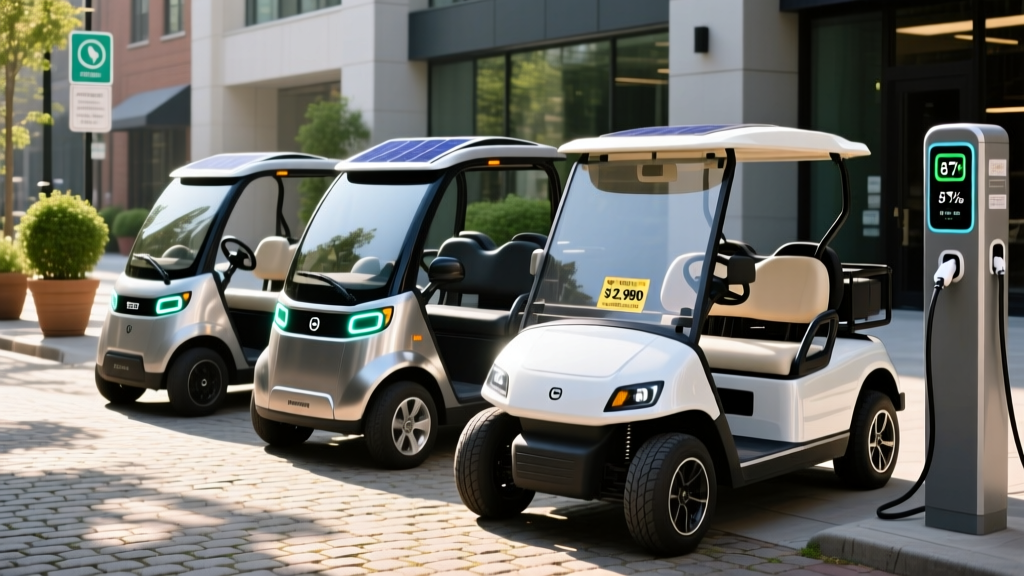
If you're researching a low speed electric vehicle (LSEV), here's the short answer: these are federally defined, street-legal electric vehicles capped at 25 mph, designed for neighborhoods, campuses, and short errands. Expect 30–60 miles of real-world range, 10–15 kWh battery packs, and purchase prices between $10,000 and $20,000. They cost pennies per mile to charge but cannot be driven on roads with speed limits above 35 mph in most states.
Quick Verdict: Who Should Buy an LSEV?
A low speed electric vehicle makes sense if your daily driving is under 30 miles, your roads have speed limits of 35 mph or less, you have access to a standard 120V outlet for overnight charging, and you want to eliminate fuel and most maintenance costs. It does not replace a full-speed EV or gas car for highway commuting, road trips, or cold-climate driving beyond a few miles.
What Exactly Is a Low Speed Electric Vehicle?
A low speed electric vehicle — sometimes called a Neighborhood Electric Vehicle (NEV) — is a four-wheeled vehicle classified under Federal Motor Vehicle Safety Standard (FMVSS) No. 500. The National Highway Traffic Safety Administration (NHTSA) defines it as having:
- A top speed of at least 20 mph but no more than 25 mph
- Four wheels
- A gross vehicle weight rating (GVWR) under 3,000 lbs
- Required safety equipment: headlamps, turn signals, tail lamps, stop lamps, reflex reflectors, exterior mirrors, parking brake, windshield (glazed), VIN, and seat belts
Critically, LSEVs are not required to meet crash-test standards that full-size passenger vehicles must pass. They lack airbags, crumple zones, and advanced structural reinforcement. This makes them ideal for low-speed neighborhood use but inappropriate for mixed traffic with faster vehicles.
Popular 2025–2026 LSEV models include the GEM e2/e4/e6 (by Waev, formerly Polaris GEM), the CLUB CAR Onward EV (adapted for street use), and various imported models from manufacturers like HDK and Cennic. Prices range from roughly $10,000 for a basic two-seater to $20,000+ for a fully equipped six-passenger model with lithium batteries and climate enclosures.
Real-World Range, Battery Specs, and Charging
LSEV battery packs are small by full-size EV standards, typically between 8 kWh and 15 kWh. Here's what that translates to in practical use:
| Specification | Typical LSEV (2025–2026) | Full-Size EV (e.g., Tesla Model Y) |
|---|---|---|
| Battery capacity | 8–15 kWh | 75–82 kWh |
| Chemistry | LFP or lead-acid (budget models) | NMC or LFP |
| EPA-equivalent range | 30–60 miles | 280–330 miles |
| Real-world range (flat, 70°F) | 25–50 miles | 250–300 miles |
| Real-world range (40°F, hilly) | 15–35 miles | 190–240 miles |
| Charging (120V Level 1) | 6–12 hours (full) | 30–50+ hours (full) |
| Peak charge rate | 1.2–1.5 kW (Level 1 only) | Up to 250 kW (DC fast) |
| 0–25 mph | 6–10 seconds | 0–60 in 3.5–6.5 seconds |
Range Reality Check
An LSEV advertised with "60-mile range" will realistically deliver 40–50 miles in mild conditions and as little as 20–30 miles in cold weather or on hilly terrain. Lead-acid battery models lose capacity faster over time — expect 30–40% degradation by year 3–4. Lithium (LFP) packs hold up far better, retaining 85–90% capacity after 5 years of daily use.
Most LSEVs charge exclusively from a standard 120V household outlet. Because the battery is small, this is actually practical: a 12 kWh pack charges fully in about 8–10 hours at 1.2 kW. You do not need a Level 2 home charger or a panel upgrade for an LSEV, which eliminates the $500–$2,000 installation cost that full-size EV owners face.
LSEV vs. Gas Golf Cart vs. Full-Size EV: Cost Comparison
The decision usually comes down to three options: a street-legal LSEV, a gas-powered golf cart (modified for road use where permitted), or a full-size EV used for short trips. Here's how they stack up financially over 5 years, assuming 30 miles/day, 5 days/week (roughly 7,800 miles/year):
| Cost Factor | LSEV (Lithium, $15K) | Gas Golf Cart ($12K) | Full-Size EV ($38K) |
|---|---|---|---|
| Purchase price | $15,000 | $12,000 | $38,000 |
| Federal tax credit (§30D) | $0 (not eligible) | $0 | Up to $7,500* |
| Net purchase | $15,000 | $12,000 | $30,500 |
| Fuel/energy cost (5 yrs) | $550–$750 | $4,500–$6,000 | $2,200–$3,000 |
| Maintenance (5 yrs) | $200–$500 | $1,500–$2,500 | $800–$1,200 |
| Insurance (5 yrs avg) | $1,500–$3,000 | $1,200–$2,500 | $6,000–$9,000 |
| Battery replacement (if needed) | $2,000–$4,000 (lead-acid) | N/A | Covered under warranty |
| 5-year total cost | $19,250–$23,250 | $19,200–$23,000 | $39,500–$43,700 |
*The IRS §30D clean vehicle credit applies to full-size EVs meeting MSRP, income, and battery-sourcing requirements. LSEVs do not qualify for the federal credit. Consult a tax professional for your specific eligibility.
The LSEV and gas golf cart land in a similar 5-year cost range, but the LSEV wins on convenience (no oil, no gas station trips, near-silent operation) and emissions. The full-size EV costs roughly double but gives you highway capability, crash protection, and year-round usability.
Street Legality: Where Can You Actually Drive an LSEV?
This is the most misunderstood aspect of LSEV ownership. Federal law (FMVSS 500) defines what an LSEV is, but state and local laws determine where you can drive one. The general framework:
- Most states allow LSEVs on roads with speed limits of 35 mph or less.
- Some states permit LSEVs to cross higher-speed roads at intersections but not travel along them.
- A few jurisdictions have additional equipment requirements (e.g., slow-moving vehicle emblems, additional lighting).
- Registration and insurance are required in most states — LSEVs receive a title and must be registered like any other motor vehicle.
- Driver's license required — you cannot operate an LSEV with a suspended license or without one.
Before purchasing, check your state's DMV or department of transportation for specific LSEV/NEV statutes. Gated communities, private campuses, and retirement communities often have their own rules that may be more permissive than public-road laws.
Common Misconceptions — Myth vs. Fact
| Myth | Fact |
|---|---|
| "LSEVs qualify for the $7,500 federal EV tax credit." | False. The IRS §30D credit applies to vehicles meeting full FMVSS passenger-car safety standards. LSEVs, classified under FMVSS 500, do not qualify. |
| "I don't need insurance for an LSEV." | In most states, LSEVs must be registered, titled, and carry minimum liability insurance — just like a full-size car. |
| "An LSEV is the same as a golf cart." | Golf carts are not federally classified as motor vehicles. LSEVs meet FMVSS 500 requirements (lights, mirrors, seat belts, VIN). A golf cart converted for street use may not be legal in your state. |
| "I can drive an LSEV on any road." | LSEVs are restricted to roads with speed limits of 35 mph or less in most states. Driving one on a 45 mph arterial road is illegal and dangerous. |
| "LSEV batteries last forever." | Lead-acid packs degrade significantly within 3–4 years. LFP lithium packs last 7–10+ years but cost $2,000–$4,000 to replace. |
| "LSEVs are safe in a crash." | LSEVs lack airbags, crumple zones, and crash-test certification. At 25 mph they're reasonably safe, but a collision with a full-size vehicle at any speed carries serious risk. |
Real-World Ownership: What First-Time Buyers Should Know
Charging at home is simple but requires planning. You'll need a dedicated 120V outlet near where you park — ideally a garage or covered area. A standard 15-amp circuit is sufficient. Do not use extension cords as a permanent solution; they cause voltage drop and slow charging. If your parking spot is far from an outlet, budget $200–$500 for an electrician to install a dedicated outlet.
Cold weather cuts range hard. If you live where winters regularly drop below 40°F, expect 30–50% range loss. An LSEV with a claimed 50-mile range might deliver only 25–35 miles in January. Lithium batteries handle cold better than lead-acid, but neither chemistry is immune. If cold-weather usability matters, look for models with battery thermal management (rare in this segment) or plan for shorter winter routes.
Maintenance is minimal but not zero. Expect to check tire pressure, brake pads, and windshield washer fluid. Lead-acid battery models require periodic water-level checks. Lithium models are essentially maintenance-free on the battery side. Budget $50–$100/year for basic upkeep.
Safety is your responsibility. Without airbags or crash structures, defensive driving is essential. Wear your seatbelt (required by law), use turn signals, avoid high-traffic roads even if technically legal, and add reflective tape or flags for visibility. Many LSEV owners report that larger vehicles don't see them — drive accordingly.
Resale value varies wildly. Lithium-battery LSEVs from known brands (GEM, CLUB CAR) hold value reasonably well — expect 40–55% of purchase price after 5 years. No-name imports and lead-acid models depreciate faster, often to 20–30% of original price.
Decision Framework: Is an LSEV Right for You?
Choose a Low Speed Electric Vehicle If:
- Your daily trips are under 30 miles round-trip
- Your routes use roads with speed limits ≤ 35 mph
- You have a 120V outlet within 25 feet of where you park
- You live in a mild climate or can accept winter range loss
- You want to eliminate gas costs and most maintenance
- You already own a full-size vehicle for highway trips
- You're in a retirement community, campus, or planned neighborhood with LSEV-friendly infrastructure
Choose a Full-Size EV Instead If:
- You need to drive on roads with speed limits above 35 mph regularly
- You commute more than 30 miles one-way
- You need crash-tested safety, airbags, and ADAS features
- You drive in extreme cold and need reliable year-round range
- You want to qualify for the federal §30D tax credit (up to $7,500)
- This will be your only vehicle
Choose a Gas Golf Cart If:
- You're on private property most of the time (no street-legal requirement)
- You need more range than an LSEV offers and can't charge mid-day
- Your budget is under $10,000 and you'll accept higher fuel and maintenance costs
Frequently Asked Questions
Do I need a driver's license to operate a low speed electric vehicle?
Yes. In virtually every state, an LSEV is a registered motor vehicle and requires a valid driver's license to operate on public roads. A suspended or revoked license applies to LSEVs just as it does to full-size cars.
Can I drive an LSEV on highways or roads with speed limits above 35 mph?
Generally no. Most states restrict LSEVs to roads with posted speed limits of 35 mph or less. Some states allow crossing higher-speed roads at intersections. Check your state DMV for specific statutes.
How much does it cost to charge an LSEV per month?
At the US average electricity rate of roughly $0.17/kWh (2025–2026 EIA data), charging a 12 kWh battery from empty to full costs about $2.04. Driving 30 miles/day, 5 days/week, you'll use approximately 50–65 kWh/month — roughly $8.50–$11.00/month. Compare that to $75–$100/month in gasoline for a gas golf cart covering the same distance.
Should I choose lead-acid or lithium batteries?
Lithium (LFP) is the better long-term choice despite a $2,000–$4,000 price premium. LFP packs last 2,000+ cycles (roughly 7–10 years of daily use), require zero maintenance, and hold 85–90% capacity at year 5. Lead-acid packs cost less upfront but degrade to 60–70% capacity within 3–4 years and require water-level maintenance. Over 5 years, total battery cost is often similar.
Are low speed electric vehicles safe for children?
LSEVs have seat belts but lack airbags, crumple zones, and child-seat anchors (LATCH). They are not crash-tested to the same standards as passenger cars. For short, low-speed neighborhood trips with an attentive driver, they're reasonably safe — but they should not replace a crash-tested vehicle for regular child transport.
Can I tow a small trailer with an LSEV?
Some LSEVs are rated for light towing (typically 500–1,000 lbs). Check the manufacturer's GVWR and tongue-weight specifications. Exceeding them strains the motor and brakes and may void your warranty.