Quick Answer: Is the Longbow Electric Speedster Worth It?
The Longbow electric speedster is an announced, low-volume EV that blends classic British roadster styling with a modern electric powertrain. As of early 2026, Longbow Motors has not published final EPA-certified range, pricing, or delivery timelines. Based on the company's preliminary specifications and comparable boutique EVs, expect a usable battery in the 40-55 kWh range, a target EPA range of roughly 150-200 miles, DC fast charging near 50-80 kW peak, and a starting MSRP likely between $75,000 and $95,000 before any incentives. This is a niche lifestyle vehicle — not a daily commuter — and buyers should treat all specs as preliminary until Longbow confirms production delivery.
What We Know About the Longbow Electric Speedster
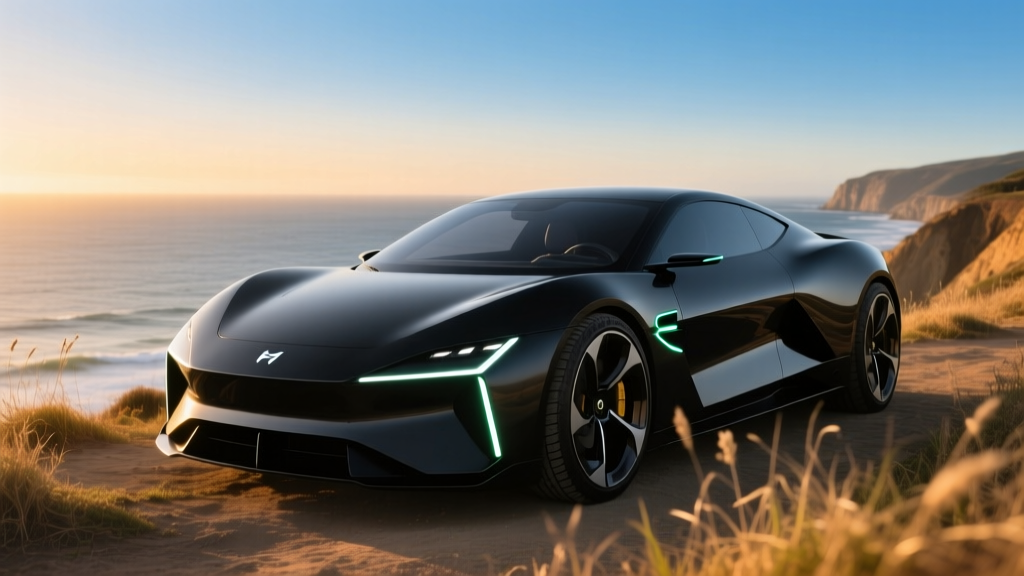
Longbow Motors, a UK-based boutique manufacturer, has positioned its electric speedster as a modern reinterpretation of the classic open-top British roadster. The vehicle is designed around a lightweight chassis with a focus on driving engagement rather than maximum range or cargo utility. For the EV-curious buyer researching the Longbow new electric speedster, the appeal is emotional: analog-feeling handling, minimal bodywork, and an open cockpit — paired with the instant torque and low running costs of an electric drivetrain.
Because Longbow operates at very low production volumes (similar to companies like Morgan or Caterham in the ICE world), detailed technical specifications have been released in stages and remain subject to change. Here is what the company and industry reporting have indicated so far:
| Attribute | Estimated / Announced | Notes |
|---|---|---|
| Battery (usable) | ~42-55 kWh | Likely NMC chemistry for energy density |
| EPA Range (target) | 150-200 miles | Not yet EPA-certified; real-world highway may be 120-160 mi |
| Motor Output | ~200-270 HP | Single rear motor expected |
| 0-60 mph | ~4.5-5.5 sec (est.) | Lightweight chassis aids acceleration |
| DC Fast Charge (peak) | 50-80 kW | 10-80% in ~35-50 min (est.) |
| Level 2 AC Charge | 7.4-11 kW | Full charge overnight on home Level 2 |
| Curb Weight (target) | ~2,400-2,800 lbs | Light for an EV; aids efficiency |
| Starting MSRP (est.) | $75,000-$95,000 | Final pricing TBD at production launch |
| Federal Tax Credit (§30D) | Unlikely eligible | Low-volume/boutique; battery sourcing rules a barrier |
| Battery Warranty | TBD | Expect 8 yr / 100,000 mi per industry norm |
Sources: Longbow Motors official announcements; comparable boutique EV specifications. Final specs will be confirmed at production launch.
Range Reality: EPA Sticker vs. Real-World Driving
The most common question from prospective buyers of any low-range EV is practical usability. A target EPA range of 150-200 miles places the Longbow speedster in the same territory as the base Porsche Taycan or older Chevy Bolt — adequate for most daily driving but limiting for long road trips.
Real-World Range Expectations
EPA Target: 150-200 miles
Highway (70 mph, warm weather): Expect ~120-170 miles — open-top aerodynamics and high-speed driving reduce efficiency by 15-20%.
Cold Weather (below 40°F): Expect 100-150 miles — battery chemistry loses 15-30% usable capacity in cold conditions, and cabin heating draws significant energy.
Mixed Commute (city/suburban): Close to EPA sticker — regenerative braking recovers energy in stop-and-go traffic.
For a weekend toy or fair-weather commuter, 150 miles is more than sufficient. The average American drives roughly 37 miles per day according to the Federal Highway Administration. But if you plan to drive the Longbow as a primary vehicle in a cold climate or take it on highway road trips, the range becomes a genuine constraint. There is no frunk or large cargo area to speak of, and the open cockpit means climate efficiency is inherently compromised.
Charging: What to Expect at Home and on the Road
Charging speed is where boutique EVs often lag behind mainstream models. The Longbow's estimated 50-80 kW peak DC fast charge rate is modest compared to the 250+ kW capabilities of vehicles built on 800V architectures (Hyundai Ioniq 5, Porsche Taycan, Kia EV6). Here is what that means in practice:
| Charging Level | Power (kW) | Miles Added per Hour | Typical Use Case |
|---|---|---|---|
| Level 1 (120V household) | ~1.4 kW | ~4-5 mi/hr | Emergency top-up only |
| Level 2 (240V home/public) | 7.4-11 kW | ~25-37 mi/hr | Overnight home charging; full charge in 5-7 hours |
| DC Fast Charge (public) | 50-80 kW peak | ~150-200 mi/hr (peak) | Road trips; 10-80% in ~35-50 min |
Home charging is essential for this vehicle. With a smaller battery, Level 2 overnight charging will fully replenish the pack, making daily driving effortless. However, relying on public DC fast charging for road trips will require patience — the 50-80 kW peak rate, combined with the typical charge-curve taper above 80% State of Charge, means a 10-80% session will take roughly 35 to 50 minutes at a compatible station.
Connector compatibility is another consideration. Longbow has not confirmed whether US-spec vehicles will ship with NACS (Tesla-standard, now adopted by most major automakers for 2025+) or CCS1. Buyers should confirm this before purchase, as it determines which public charging networks are natively accessible. An adapter can bridge the gap, but native compatibility is always preferable.
Cost Breakdown: Purchase, Charging, Insurance, and Maintenance
The Longbow electric speedster is a premium boutique product. Here is a realistic ownership cost picture compared to a gas-powered sports car in a similar price bracket (e.g., Mazda MX-5 Miata at ~$30,000 or Porsche 718 Boxster at ~$70,000):
| Cost Category | Longbow EV (est.) | Gas Sports Car (e.g., Boxster) | Notes |
|---|---|---|---|
| Purchase Price (MSRP) | $85,000 | $70,000 | Longbow is low-volume; premium pricing expected |
| Federal Tax Credit (§30D) | $0 (likely ineligible) | $0 | Boutique/battery sourcing rules likely disqualify; verify at IRS.gov |
| Fuel / Electricity (5 yr, 50k mi) | $2,200-$3,000 | $8,500-$11,000 | EV: ~$0.05-0.06/mi (home charging); Gas: ~$0.17-0.22/mi at 25 MPG |
| Maintenance (5 yr) | $1,500-$2,500 | $4,000-$6,000 | EVs skip oil, spark plugs, transmission; brake wear reduced by regen |
| Insurance (annual avg.) | $2,800-$3,500 | $2,200-$2,800 | Low-volume EVs carry higher premiums due to parts scarcity |
| Home Charger Install (one-time) | $800-$2,000 | $0 | Level 2, 240V/40A circuit; licensed electrician required |
| 5-Year Total (est.) | ~$105,000-$112,000 | ~$85,000-$90,000 | Longbow costs more upfront but saves $6,000-$8,000 on fuel/maintenance |
Key takeaway: The Longbow will almost certainly cost more to own over five years than a comparable gas sports car, primarily due to its higher purchase price and likely tax-credit ineligibility. The fuel and maintenance savings are real — roughly $1,200-$1,800 per year — but they do not close the gap on a $15,000+ price premium. Buyers are paying for the experience, the design, and the EV novelty, not for total-cost-of-ownership superiority.
Common Misconceptions About Boutique EVs Like the Longbow
| Myth | Fact |
|---|---|
| "All EVs qualify for the $7,500 federal tax credit." | Federal §30D credits require meeting MSRP caps ($80,000 for cars), buyer income limits ($150,000 AGI single / $300,000 joint), and strict battery component and critical-mineral sourcing rules. Boutique and imported EVs frequently fail sourcing requirements. Always verify at IRS.gov or with a tax professional. |
| "150 miles of range isn't enough for any real driving." | The average US commute is under 40 miles round-trip. A 150-mile EV covers 95%+ of daily driving for most households. The constraint is road trips, not daily use. |
| "EVs are always cheaper to own than gas cars." | EVs save on fuel and maintenance, but higher purchase prices, potentially higher insurance, and home charging installation costs can offset savings — especially in boutique/low-volume segments. |
| "I don't need home charging; public stations are everywhere." | Public DC fast charging costs 2-3x more per kWh than home charging and is less reliable. For a low-range EV like the Longbow, home Level 2 charging is practically mandatory for convenient ownership. |
| "Lightweight EVs don't exist." | While most mainstream EVs are heavy (4,000-5,500 lbs) due to large battery packs, boutique speedsters with smaller batteries can target sub-2,800-lb curb weights — improving handling and efficiency. |
EV vs. Gas vs. Hybrid: Where Does the Longbow Fit?
The Longbow speedster competes in an unusual space. It is not trying to be a Tesla Model 3 or a Toyota Prius. Its natural comparisons are with gas-powered roadsters and a small handful of electric alternatives:
| Vehicle | Powertrain | EPA Range / MPG | 0-60 mph | MSRP | Best For |
|---|---|---|---|---|---|
| Longbow Speedster (est.) | BEV | 150-200 mi | ~4.5-5.5 sec | $75k-$95k | EV enthusiasts wanting classic roadster style |
| Mazda MX-5 Miata | Gas | 26/34 MPG (city/hwy) | 5.8 sec | ~$30,000 | Budget-friendly open-top fun; proven reliability |
| Porsche 718 Boxster | Gas | 21/27 MPG | 4.7-5.1 sec | ~$70,000 | Premium gas roadster; dealer support network |
| MG Cyberster | BEV | ~200-270 mi (WLTP; EPA TBD) | ~3.2-5.0 sec | ~$55,000-$70,000 (est.) | Electric roadster with more range; limited US availability |
The Longbow's differentiator is its combination of classic British speedster aesthetics, lightweight construction, and electric propulsion. No mainstream automaker offers this exact blend. But buyers should weigh the trade-offs: higher price, uncertain tax-credit eligibility, limited dealer/service network, and modest range compared to the MG Cyberster or any mainstream EV sedan.
Decision Framework: Should You Buy the Longbow Electric Speedster?
Choose the Longbow if:
- You want a unique, low-volume EV with classic roadster styling and have a second vehicle for practical daily use.
- You have reliable home Level 2 charging (or can install it) and your typical drives are under 100 miles round-trip.
- You accept that boutique EV ownership means limited service centers, potentially long parts wait times, and higher insurance premiums.
- You value driving feel, lightweight dynamics, and open-air motoring over maximum range or cargo space.
Choose something else if:
- This would be your only vehicle — 150-200 miles of range and no cargo space make it impractical as a sole car.
- You lack home charging access — public-only charging at higher per-kWh costs erodes the EV ownership advantage.
- You need the federal §30D tax credit to make the math work — the Longbow's low-volume status and uncertain battery sourcing make credit eligibility unlikely.
- You live in a region with harsh winters — cold-weather range loss of 20-30% on an already modest battery is a real constraint, and an open-top speedster is a seasonal vehicle in most climates.
- You want strong resale predictability — boutique EVs from new manufacturers carry significant depreciation risk compared to established brands.
Frequently Asked Questions
Is the Longbow electric speedster available to buy right now?
As of early 2026, the Longbow electric speedster has been announced with preliminary specifications but is not yet in volume production or available for immediate delivery in the US. Interested buyers should contact Longbow Motors directly for reservation and delivery timeline updates.
Will the Longbow qualify for the $7,500 federal EV tax credit?
It is unlikely. The §30D credit requires the vehicle to meet MSRP caps ($80,000 for sedans/coupes), buyer income thresholds, and stringent battery component and critical-mineral sourcing rules that many imported and boutique vehicles do not satisfy. Always confirm eligibility through IRS.gov or a qualified tax professional before making a purchase decision.
Can I daily-drive a 150-mile range EV?
Yes, if your commute and errands stay under roughly 80-100 miles per day and you charge at home overnight. The average American drives about 37 miles per day. The constraint arises on road trips, in extreme cold, or if you lack home charging.
How much will it cost to install a home Level 2 charger?
A typical Level 2 (240V, 40A) home installation runs $800 to $2,000, including the charger unit ($300-$600), electrical labor, and permits. If your home's electrical panel needs an upgrade (common in older homes), costs can rise to $2,500-$4,000. Always get a quote from a licensed electrician before purchasing.
What is the difference between kW and kWh?
kW (kilowatts) measures power — the rate at which energy flows. In EV terms, it describes charging speed (e.g., 80 kW peak charge rate). kWh (kilowatt-hours) measures energy capacity — the size of the battery (e.g., 50 kWh battery). Think of kW as how fast you're filling the tank, and kWh as how big the tank is.
How does cold weather affect the Longbow's range?
All EVs lose usable range in cold temperatures due to reduced battery efficiency and the energy cost of heating the cabin. Expect a 15-30% reduction below 40°F. On a 175-mile EPA-rated vehicle, that could mean as little as 120-150 miles of real-world range in winter. An open-top speedster is especially affected since it lacks the insulated cabin of a hardtop vehicle.
What battery chemistry will the Longbow use?
Longbow has not officially confirmed battery chemistry. Given the vehicle's lightweight targets and moderate range goals, NMC (nickel manganese cobalt) chemistry is most likely, as it offers higher energy density than LFP (lithium iron phosphate). LFP is heavier but offers longer cycle life and can be charged to 100% regularly without degradation concerns. Final chemistry details should be confirmed at production launch.