The Quick Answer: Is the Lexus Electric Three-Row SUV Worth the Wait?
As of early 2026, Lexus has not yet released a dedicated all-electric three-row SUV for the U.S. market. The brand's current three-row offering — the TX — is available as a gas model (TX 350) and plug-in hybrid (TX 550h+), but not as a battery-electric vehicle (BEV). Industry reports and Toyota/Lexus product roadmaps suggest an electric three-row SUV built on the e-TNGA or a next-generation dedicated EV platform is in development, likely arriving for the 2027 or 2028 model year. Until then, buyers seeking a Lexus electric three-row SUV have two practical paths: wait for the anticipated BEV release, or consider the TX 550h+ plug-in hybrid as a bridge vehicle with ~33 miles of electric-only range and 294 combined horsepower.
What Lexus Currently Offers in the Three-Row Space
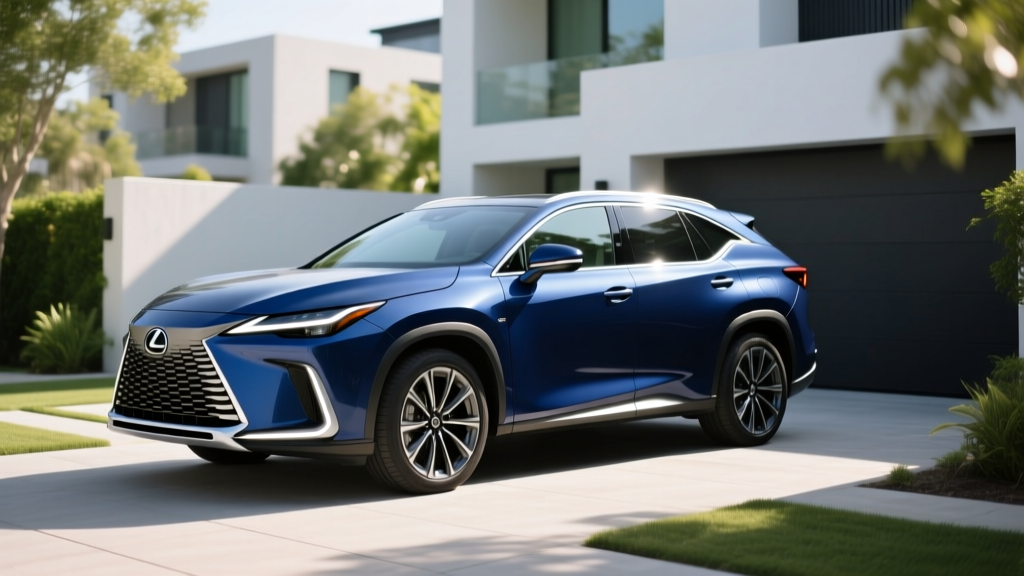
To understand where a future Lexus electric three-row SUV fits, we need to look at what's actually on dealer lots right now. The Lexus TX debuted for the 2024 model year as the brand's first purpose-built three-row SUV, replacing the stretched RX L. Here's how the current lineup breaks down:
| Specification | TX 350 (Gas) | TX 500h (Hybrid) | TX 550h+ (PHEV) |
|---|---|---|---|
| Powertrain | 2.4L Turbo I4 | 2.4L Turbo Hybrid | 2.4L PHEV |
| Horsepower | 275 hp | 366 hp | 406 hp |
| EPA Combined MPG / MPGe | 23 MPG | 27 MPG | 29 MPG + 33 mi EV |
| EPA Electric-Only Range | N/A | N/A | ~33 miles |
| Battery (usable) | N/A | ~1.4 kWh | ~20.5 kWh (est.) |
| 0-60 mph | ~6.5 sec | ~5.9 sec | ~5.7 sec |
| Starting MSRP (2025) | ~$55,090 | ~$63,590 | ~$73,590 |
| Seating | 6 or 7 passengers | 6 passengers | 6 passengers |
The TX 550h+ is the closest thing to an electrified three-row Lexus today. Its 33-mile electric-only range covers most daily commutes, but it's a plug-in hybrid — not a BEV. Once the battery depletes, you're running a conventional hybrid powertrain at 29 MPG combined. For buyers who specifically want a fully electric Lexus three-row SUV with zero tailpipe emissions and no gas engine, the TX 550h+ isn't the final answer.
What We Know About a Future Lexus Electric Three-Row SUV
Toyota and Lexus have been cautiously expanding their EV portfolio. The Lexus RZ 450e, a two-row electric crossover on the e-TNGA platform, launched for 2023 with 220 miles of EPA range and a 72.8 kWh battery. While the RZ proved Lexus can build a competitive BEV, its two-row layout and modest range left a gap for families needing three rows and longer legs.
Based on Toyota's announced battery-EV roadmap — which includes plans for next-generation batteries with up to 466 miles of range and improved cost structures by 2026-2028 — a Lexus electric three-row SUV is highly probable. Here's what we can reasonably project based on platform evolution and segment benchmarks:
Projected Specs: Lexus Electric Three-Row SUV (Estimated)
- Battery: ~95-110 kWh usable (likely NMC chemistry for energy density in a large vehicle)
- EPA Range (est.): 300-350 miles
- Real-World Highway Range: ~240-280 miles at 70+ mph; expect 20-30% reduction in sub-freezing temperatures
- DC Fast Charging (est.): Peak ~150-200 kW, 10-80% in approximately 25-35 minutes
- Level 2 Charging: ~11.5 kW onboard charger (est.), full charge in ~9-10 hours
- Horsepower: 400-500 hp (dual-motor AWD likely standard)
- 0-60 mph: ~4.5-5.5 seconds
- Starting MSRP (est.): $70,000-$80,000
Note: These are analyst projections based on segment trends and Toyota's published battery roadmap. Final specs will be confirmed by Lexus closer to launch. This model is not currently available for purchase.
For context, key competitors in the electric three-row SUV segment that are already available or announced include the Kia EV9 (EPA range up to 304 miles, starting ~$54,900), the Rivian R1S (up to 410 miles with Max Pack, starting ~$79,900), and the upcoming Hyundai Ioniq 9. A Lexus entrant would need to compete on luxury refinement, reliability reputation, and dealer experience rather than undercutting on price.
EV vs. PHEV vs. Gas: The Three-Row SUV Cost Comparison
Whether you wait for a Lexus electric three-row SUV, buy the TX 550h+ PHEV now, or go with the gas TX 350, the economics differ significantly. Here's a five-year ownership cost comparison based on 15,000 miles driven annually, $3.50/gallon gas, and $0.16/kWh home electricity (national average):
| Cost Category | TX 350 (Gas) | TX 550h+ (PHEV) | Future EV (Est.) |
|---|---|---|---|
| Purchase Price (MSRP) | $55,090 | $73,590 | $75,000 (est.) |
| Federal Tax Credit (§30D) | $0 | Up to $7,500* | Up to $7,500* |
| Effective Purchase Price | $55,090 | ~$66,090 | ~$67,500 (est.) |
| Annual Fuel/Energy Cost | ~$2,850 | ~$1,400 (mixed) | ~$840 (home charging) |
| 5-Year Fuel/Energy Total | ~$14,250 | ~$7,000 | ~$4,200 |
| 5-Year Maintenance (est.) | ~$3,500 | ~$3,000 | ~$1,800 |
| 5-Year Insurance (est.) | ~$9,000 | ~$9,500 | ~$10,500 |
| 5-Year Total Cost of Ownership | ~$81,840 | ~$85,590 | ~$84,000 (est.) |
*Federal §30D tax credit eligibility depends on MSRP caps (vans/SUVs/trucks: $80,000), buyer income limits ($150K single / $300K joint AGI), and battery component/critical mineral sourcing requirements per current IRS rules. Point-of-sale transfer is available. Consult a tax professional for your specific situation.
The gas TX 350 wins on upfront cost, but the EV and PHEV narrow the gap substantially through fuel savings and the tax credit. Over five years, the estimated BEV saves roughly $10,000 in fuel compared to the gas model. However, EV insurance premiums tend to run 10-20% higher, and the higher purchase price means more capital tied up upfront.
Real-World Ownership: What First-Time EV Buyers Must Consider
If you're seriously waiting for a Lexus electric three-row SUV or considering any large BEV, these practical factors will determine whether EV ownership works for your household:
Home Charging Access Is Non-Negotiable for Most Owners
Over 80% of EV charging happens at home. A Level 2 home charger (240V, typically 40-48 amps / 9.6-11.5 kW) will add roughly 25-35 miles of range per hour of charging. For a three-row SUV with a ~100 kWh battery, a full Level 2 charge takes approximately 9-10 hours — perfect for overnight. Installation costs typically range from $800 to $2,500 depending on your electrical panel capacity and the run distance from panel to garage. If your home has a 100-amp service panel, you may need a panel upgrade ($1,500-$3,000 additional) before adding a Level 2 charger.
If you lack home charging — common for apartment dwellers and street-parkers — relying on public DC fast charging for a large SUV battery gets expensive ($0.35-$0.55/kWh at networks like Electrify America or EVgo) and time-consuming. Budget roughly $2,000-$3,000 more annually in public charging costs versus home charging.
Climate and Driving Patterns Affect Range Significantly
EPA range estimates assume moderate conditions. In real-world testing across the EV segment:
- Cold weather (below 32°F): Expect 20-30% range loss due to battery chemistry limitations and cabin heating demands. A 320-mile EPA SUV might deliver only 220-250 miles in January in Minnesota.
- Highway driving (75+ mph): Aerodynamic drag reduces efficiency. Expect 10-15% below EPA combined range on sustained highway trips.
- Towing: If a future Lexus electric three-row SUV offers towing (likely 3,500-5,000 lbs capacity), expect range to drop 40-50% while towing a trailer.
Charging Speed: Peak kW Is Not Sustained kW
Automakers advertise peak DC fast-charging rates (e.g., "up to 200 kW"), but charging follows a curve. A battery typically sustains peak rates only between roughly 10-50% State of Charge (SoC), then tapers progressively. A 200 kW peak rate might average only 120-140 kW over a full 10-80% session. For a ~100 kWh battery, that means a realistic 10-80% charge time of 25-35 minutes at a properly rated DC fast charger — not the 15 minutes that peak-rate marketing might imply.
Common Misconceptions About Large Electric SUVs
| Myth | Fact |
|---|---|
| "Electric SUVs have enough range for any road trip." | A 300-350 mile EPA rating sounds great, but real-world highway + cold weather + cargo can reduce usable range to 200-240 miles. Plan charging stops every 180-200 miles on long trips. |
| "The federal tax credit knocks $7,500 off any EV." | The §30D credit has strict MSRP caps ($80,000 for SUVs), buyer income limits, and battery sourcing requirements. Many luxury EVs exceed the MSRP cap or fail sourcing rules. Always verify current eligibility on IRS.gov before assuming credit availability. |
| "I'll save money immediately by going electric." | EVs typically have higher purchase prices and insurance premiums. Savings accumulate over 3-5 years through lower fuel and maintenance costs. Break-even depends heavily on your annual mileage, local electricity rates, and whether you qualify for incentives. |
| "EV batteries need replacing after a few years." | Modern NMC and LFP batteries are designed to retain 70-80% capacity after 150,000-200,000 miles. Lexus/Toyota warranties typically cover the battery for 8 years/100,000 miles (10 years/150,000 miles in CARB states). Full replacement costs for a large SUV battery could range from $12,000-$20,000, but most batteries outlast the vehicle. |
| "Level 2 driver-assist means the car drives itself." | Any Lexus driver-assist system (Lexus Safety System+ 3.0) is SAE Level 2 — the driver must remain fully attentive with hands on or near the wheel at all times. It is not autonomous driving. |
Decision Framework: Should You Wait, Buy PHEV, or Look Elsewhere?
If-This-Then-That: Your Three-Row SUV Decision
Wait for the Lexus electric three-row SUV if:
- You have reliable Level 2 home charging (or can install it)
- Your daily driving is under 80 miles round-trip, with occasional 200-300 mile road trips
- You value Lexus reliability and dealer experience enough to wait 1-2 more model years
- You're currently driving a vehicle you're satisfied with for another year or two
- Your household income is under the §30D caps ($300K joint / $150K single) and you can benefit from the credit
Buy the TX 550h+ PHEV now if:
- You need a three-row Lexus today and can't wait 12-24 months
- Your home charging situation is uncertain (apartment, upcoming move)
- You regularly drive 300+ miles in a single day where charging infrastructure is sparse
- You want electric commuting (33 miles covers most errands) without range anxiety on longer trips
- You frequently drive in extreme cold where BEV range loss is a significant concern
Consider a competitor's electric three-row SUV now if:
- You want a BEV immediately — the Kia EV9 (304 mi EPA, ~$54,900) or Rivian R1S (up to 410 mi, ~$79,900) are available today
- Budget is a primary concern and the EV9's pricing is more accessible
- You want maximum range now and the Rivian R1S Max Pack (410 mi EPA) fits your budget
- Lexus brand loyalty isn't a deciding factor for your household
The Bottom Line on a Lexus Electric Three-Row SUV
A battery-electric Lexus three-row SUV is a matter of when, not if. Toyota's accelerating EV investment and the competitive pressure from the Kia EV9, Rivian R1S, and upcoming Hyundai Ioniq 9 make it virtually certain. Based on available roadmap information, expect an announcement within the next 12-18 months with a likely on-sale date for the 2027 or 2028 model year, a starting price in the $70,000-$80,000 range, and an EPA range target of 300-350 miles.
Until then, the TX 550h+ plug-in hybrid is a capable stand-in that delivers genuine electric commuting with gas-engine flexibility. For buyers who want an electric three-row SUV without waiting, the Kia EV9 and Rivian R1S represent the strongest current alternatives — each with distinct trade-offs in price, range, and luxury positioning.
Frequently Asked Questions
Does Lexus currently make a fully electric three-row SUV?
No. As of early 2026, Lexus does not offer a battery-electric three-row SUV. The Lexus TX is available as a gas model (TX 350), conventional hybrid (TX 500h), and plug-in hybrid (TX 550h+). The only all-electric Lexus currently sold in the U.S. is the two-row RZ 450e crossover.
When will the Lexus electric three-row SUV be available?
Lexus has not officially announced a specific model or launch date. Based on Toyota's published EV roadmap and industry analysis, a three-row electric Lexus SUV is most likely for the 2027 or 2028 model year, which would put it on dealer lots sometime in late 2026 through 2027.
How much will the Lexus electric three-row SUV cost?
No official pricing exists yet. Based on the current TX 550h+ pricing (~$73,590 starting), the RZ 450e starting price (~$52,900 for a smaller vehicle), and competitor pricing, a reasonable estimate is $70,000-$80,000 for a base trim. Higher trims could push past $85,000. Note that the §30D federal tax credit has an $80,000 MSRP cap for SUVs, so base trims may qualify while higher trims may not.
Will the Lexus electric three-row SUV qualify for the $7,500 federal tax credit?
It depends on final pricing, your income, and battery sourcing compliance. The §30D credit requires the SUV's MSRP to be at or below $80,000, buyer AGI under $300K (joint) or $150K (single), and the battery must meet critical mineral and component sourcing thresholds that tighten annually. Check IRS.gov for current rules when the vehicle launches.
What's the best electric three-row SUV I can buy right now?
The Kia EV9 offers the best value with up to 304 miles of EPA range and a starting price around $54,900. The Rivian R1S delivers more range (up to 410 miles with Max Pack) and off-road capability but starts around $79,900. The Tesla Model X remains available with up to 348 miles EPA and standard third row but starts above $80,000, making tax credit eligibility unlikely due to the MSRP cap.
Is the Lexus TX 550h+ a good alternative to waiting for an EV?
For many buyers, yes. The TX 550h+ provides ~33 miles of electric-only range (enough for most daily commutes and school runs), 406 horsepower, and the flexibility of a gas engine for road trips. You avoid range anxiety entirely while still reducing fuel consumption significantly. The trade-off is higher upfront cost versus the gas TX 350 and continued dependence on gasoline for longer trips.