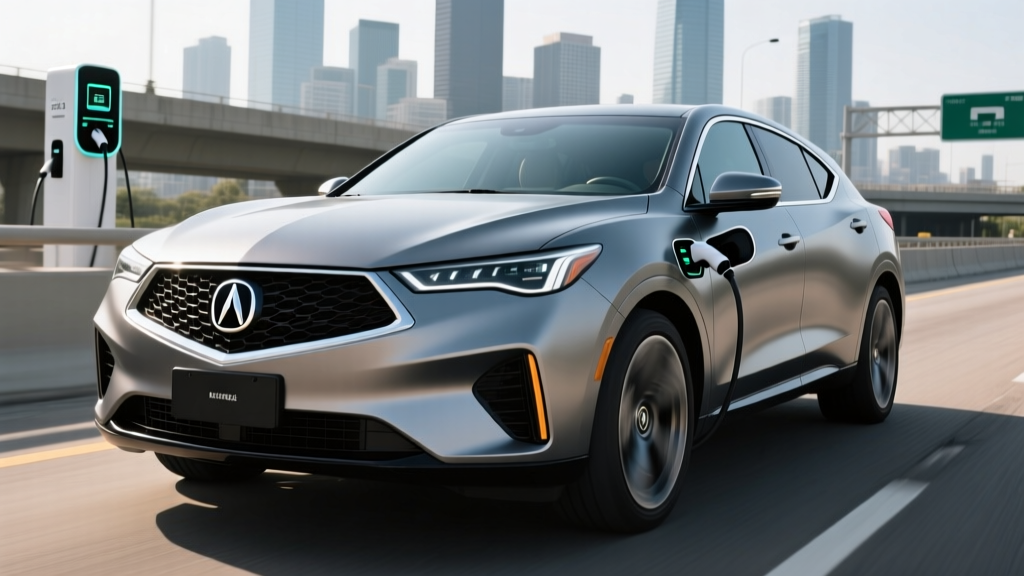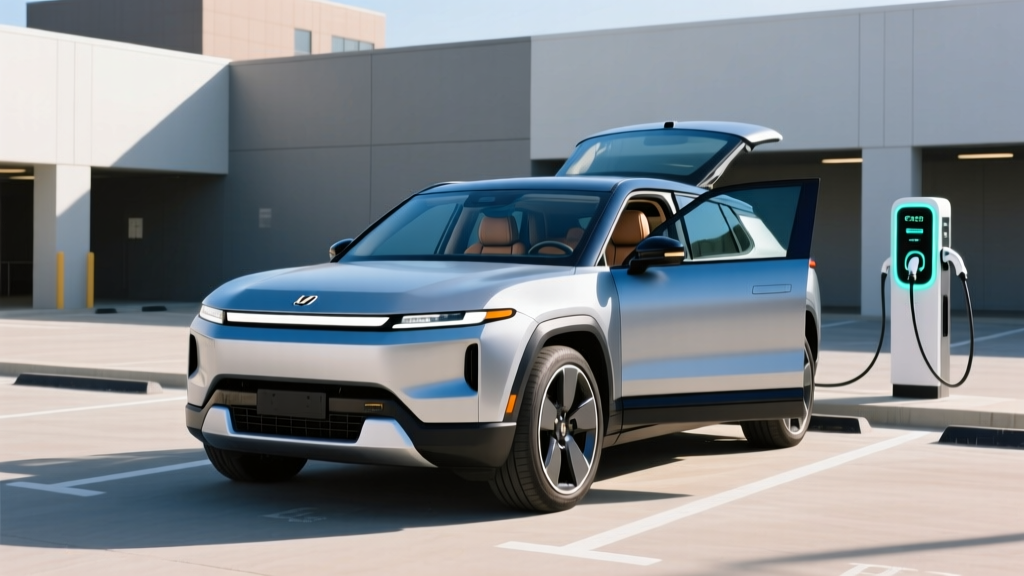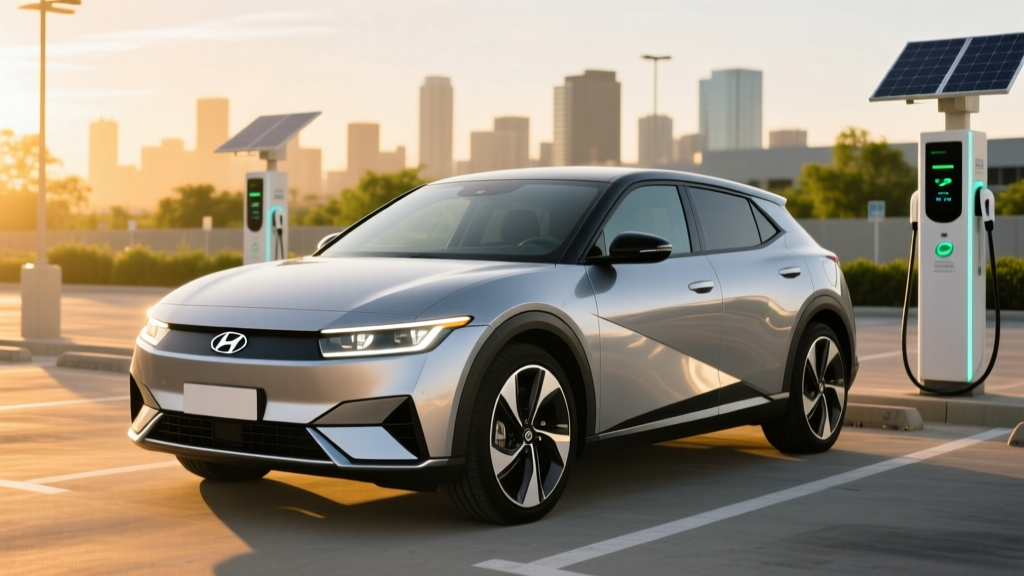
If you're researching leasing a Hyundai Ioniq 5, you're looking at one of the most capable midsize electric crossovers on the market. With its 800-volt architecture, retro-futuristic design, and genuinely practical interior, the Ioniq 5 has earned its spot on nearly every EV shortlist since its U.S. debut. For 2026, Hyundai has refined the formula with the addition of the North American Charging Standard (NACS) port, updated infotainment, and the high-performance Ioniq 5 N variant — making the lease-vs-buy calculus more nuanced than ever.
This review covers the 2026 Hyundai Ioniq 5's real-world range, charging performance, pricing across all trims, federal tax credit eligibility under IRS §30D, and whether leasing or buying makes the most financial sense. We'll also stack it up against the Tesla Model Y, Ford Mustang Mach-E, and Kia EV6 to help you decide.
2026 Hyundai Ioniq 5: Quick Specs at a Glance
| Spec | SE / SEL RWD | SEL / Limited AWD | Ioniq 5 N |
|---|---|---|---|
| EPA Range | 318 mi | 290 mi | 221 mi |
| Battery (usable) | 84.0 kWh (NMC) | 84.0 kWh (NMC) | 84.0 kWh (NMC) |
| Peak DC Fast Charge | ~240 kW | ~240 kW | ~240 kW |
| 10–80% DCFC Time | ~18 min | ~18 min | ~18 min |
| Level 2 Charge Rate | 10.9 kW (~37 mi/hr) | 10.9 kW (~37 mi/hr) | 10.9 kW (~37 mi/hr) |
| 0–60 mph | 7.0 sec | 4.5 sec | 3.25 sec (w/ N Grin Boost) |
| Horsepower | 168 hp | 320 hp | 641 hp (N Grin Boost) |
| Drivetrain | RWD (single motor) | AWD (dual motor) | AWD (dual motor) |
| Combined MPGe | 117 MPGe | 103 MPGe | 79 MPGe |
| Base MSRP (incl. dest.) | $42,600 | $49,100 | $66,295 |
Real-World Range: What to Actually Expect
EPA estimate: 318 miles (SE RWD) / 290 miles (AWD)
Real-world highway (70 mph, 72°F): ~260–280 miles (RWD) / ~235–255 miles (AWD)
Cold weather (30°F, mixed driving): ~210–240 miles (RWD) / ~190–215 miles (AWD)
Source: fueleconomy.gov
The Ioniq 5's EPA numbers are competitive, but as with any EV, real-world results depend heavily on speed, temperature, and terrain. The RWD model's 117 MPGe combined efficiency is excellent for a crossover this size — it translates to roughly 29 kWh per 100 miles. In our experience, sustained highway driving at 75+ mph drops range by 15–20% compared to the EPA sticker. The heat pump (standard on most trims) mitigates cold-weather losses, but you should still plan for a 25–30% range reduction in sub-freezing conditions.
For daily commuting under 60 miles round-trip, even the AWD model with its 290-mile EPA rating will only need charging every 3–4 days. Road trippers should plan stops every 200–220 miles in moderate weather to stay above a comfortable 15% state of charge.
Charging Speed: The 800-Volt Advantage
Hyundai's E-GMP platform uses an 800-volt architecture — a rarity in this price segment and one of the Ioniq 5's strongest selling points. Here's what that means across charging levels:
| Charging Level | Power / Rate | Speed (approx.) | Notes |
|---|---|---|---|
| Level 1 (120V household) | ~1.4 kW | ~5 mi/hr | Emergency/trickle only |
| Level 2 (240V home/public) | 10.9 kW | ~37 mi/hr | Full charge in ~8.5 hours |
| DC Fast Charge (peak) | ~240 kW | 10–80% in ~18 min | Requires 350 kW-capable station |
| DC Fast Charge (150 kW station) | ~150 kW | 10–80% in ~25 min | More common at Electrify America, EVgo |
The key nuance with DC fast charging: the Ioniq 5 peaks at roughly 240 kW but doesn't sustain that rate for the entire session. The charge curve holds strong from roughly 10–55% state of charge, then tapers progressively. If you arrive at a charger at 5% SoC, you'll see peak speeds quickly; arriving at 30% SoC means a shorter peak window. The 18-minute 10–80% claim assumes a 350 kW-capable charger and optimal battery temperature — the Ioniq 5's battery preconditioning feature (activated when a DCFC station is set as your navigation destination) is essential for hitting these numbers in cooler weather.
For 2026, the Ioniq 5 comes equipped with the NACS (Tesla-style) charge port natively, meaning direct access to Tesla Superchargers without an adapter. This dramatically expands the usable fast-charging network, especially in rural corridors where Superchargers often outnumber CCS stations. Hyundai includes a CCS adapter for backward compatibility with older Electrify America and ChargePoint stations.
Performance and Driving Dynamics
The Ioniq 5 lineup covers a wide performance spectrum. The SE and SEL RWD models use a single rear-mounted motor producing 168 horsepower and 258 lb-ft of torque. It's adequate for commuting and merging — the 7.0-second 0–60 time feels peppy around town thanks to instant electric torque — but it's not a thrill machine.
Step up to any AWD trim and you get a dual-motor setup with 320 hp and 446 lb-ft, dropping the 0–60 sprint to 4.5 seconds. The AWD models also gain a slight towing advantage (2,300 lbs vs. the RWD's 1,650 lbs) and better traction in rain and snow, though at the cost of 28 miles of EPA range.
The Ioniq 5 N is a different animal entirely — 641 hp with N Grin Boost engaged, a 3.25-second 0–60, simulated gear shifts, and a track-tuned suspension. It's one of the most engaging EVs on the market, but the 221-mile EPA range and $66,295 price tag make it a niche pick.
Interior, Cargo, and Everyday Practicality
The Ioniq 5's cabin is genuinely spacious, thanks to its long 118.1-inch wheelbase and flat floor. Rear legroom measures 39.4 inches — enough to rival midsize sedans — and the sliding rear bench lets you trade legroom for cargo as needed.
- Cargo behind rear seats: 27.2 cu ft
- Cargo with rear seats folded: 59.3 cu ft
- Front trunk (frunk): 0.85 cu ft (RWD) / 0.85 cu ft (AWD) — small, fits a charging cable bag
- Front headroom: 40.2 in | Rear headroom: 38.7 in
- Front legroom: 41.7 in | Rear legroom: 39.4 in
The dual 12.3-inch displays (instrument cluster and infotainment) are standard across all trims. Wireless Apple CarPlay and Android Auto are included. The center console slides forward and back — a neat party trick for tight parking spots where you need to exit through the passenger side. Hyundai's Highway Driving Assist 2 (HDA2) provides solid Level 2 driver assistance with lane-centering and adaptive cruise, though it requires hands-on-wheel supervision at all times — this is not a hands-off system.
Notable drawbacks: The frunk is disappointingly small compared to the Ford Mustang Mach-E's 4.7 cu ft front trunk. Rear visibility is compromised by thick C-pillars (a rear camera helps). And while the infotainment is functional, the touch-capacitive climate controls are fiddly compared to physical buttons.
Pricing, Trims, and the Lease-vs-Buy Decision
| Trim | Drivetrain | MSRP (incl. destination) | Est. Monthly Lease (36 mo, $3,500 down) |
|---|---|---|---|
| SE Standard Range | RWD | $42,600 | ~$350–$400 |
| SE | RWD / AWD | $47,100 / $51,100 | ~$380–$450 |
| SEL | RWD / AWD | $49,100 / $53,100 | ~$400–$475 |
| Limited | AWD | $58,200 | ~$475–$550 |
| Ioniq 5 N | AWD | $66,295 | ~$600–$700 |
Why leasing matters for the Ioniq 5: Under the Inflation Reduction Act, vehicles that don't meet the §30D battery-sourcing requirements for a purchase credit can still qualify for the $7,500 commercial EV credit when leased — the leasing company claims the credit and typically passes the savings to you as a lower monthly payment or capitalized cost reduction. This "lease loophole" (IRC §45W) has made leasing the Ioniq 5 significantly more attractive than buying, especially if the specific trim you want doesn't qualify for the purchase credit due to critical-mineral or battery-component sourcing rules.
Purchase credit (§30D): Up to $7,500 if income, MSRP, and battery-sourcing requirements are met.
MSRP cap: $80,000 for SUVs/crossovers (all Ioniq 5 trims qualify on price).
Income caps (purchase): $150K single / $225K head of household / $300K joint (AGI).
Lease credit (§45W): $7,500 to the lessor — typically passed to lessee. No MSRP or income caps on the lease side.
Always verify current rules at irs.gov and consult a tax professional.
How the Ioniq 5 Stacks Up Against Competitors
| Spec | Hyundai Ioniq 5 SEL AWD | Tesla Model Y Long Range | Ford Mustang Mach-E Premium AWD | Kia EV6 GT-Line AWD |
|---|---|---|---|---|
| EPA Range | 290 mi | 320 mi | 290 mi | 282 mi |
| Battery | 84.0 kWh (NMC) | ~78 kWh (NMC) | 91 kWh (NMC) | 77.4 kWh (NMC) |
| Peak DCFC | ~240 kW | ~250 kW | ~150 kW | ~240 kW |
| 10–80% DCFC | ~18 min | ~20 min | ~33 min | ~18 min |
| 0–60 mph | 4.5 sec | 4.8 sec | 5.1 sec | 4.5 sec |
| Cargo (rear seats up) | 27.2 cu ft | 30.2 cu ft | 29.7 cu ft | 24.4 cu ft |
| Base MSRP (AWD) | $53,100 | $48,990 | $51,875 | $53,500 |
The Ioniq 5's closest sibling is the Kia EV6, which shares the E-GMP platform and identical powertrain options. The EV6 has a sportier design and slightly lower roofline, while the Ioniq 5 offers more rear headroom and a more upright, crossover-like seating position. The Tesla Model Y undercuts on price and wins on range and Supercharger ecosystem, but the Ioniq 5 counters with faster peak charging, a more traditional interior layout, and Hyundai's superior warranty. The Mach-E has a larger frunk and engaging driving dynamics but charges significantly slower on DC.
Warranty Coverage and Long-Term Ownership
Hyundai backs the Ioniq 5 with one of the strongest warranty packages in the segment:
- Battery: 10 years / 100,000 miles (capacity retention above 70%)
- Powertrain: 10 years / 100,000 miles
- New vehicle: 5 years / 60,000 miles
- Roadside assistance: 5 years / unlimited miles
- Complimentary maintenance: 3 years / 36,000 miles
The 10-year battery warranty is a significant advantage over Tesla's 8-year/120,000-mile coverage and provides genuine peace of mind. The 70% capacity retention threshold is industry-standard — if your 84 kWh pack drops below roughly 59 kWh of usable capacity within the warranty period, Hyundai will repair or replace it.
Pros, Cons, and Who Should Lease the Ioniq 5
- Ultra-fast 800V DC charging (~18 min 10–80%)
- Native NACS port — direct Supercharger access
- Spacious interior with flat floor and generous rear legroom
- Industry-leading 10-yr/100K-mi battery warranty
- Lease loophole enables $7,500 credit regardless of income
- Vehicle-to-load (V2L) powers devices up to 3.6 kW
- Tiny frunk (0.85 cu ft) — barely fits a cable bag
- AWD range drops to 290 mi EPA
- Rear visibility hampered by thick C-pillars
- Touch-capacitive climate controls are distracting
- HDA2 is competent but not class-leading vs. Tesla Autopilot or GM Super Cruise
- No hands-free highway driving option
- Daily commuters (30–80 mi round-trip) who want fast home charging and don't need 350+ miles of range.
- Families who value rear-seat space, easy car-seat installation, and a comfortable ride.
- Road trippers who want access to both Tesla Superchargers and third-party DCFC networks.
- Lease-minded buyers who want the $7,500 credit without worrying about income caps or battery-sourcing rules.
- Tech-savvy owners who'll use V2L for camping, tailgating, or emergency backup power.
Skip it if: You need maximum cargo volume (Model Y wins), hands-free highway driving (look at GM Super Cruise), or the longest possible range in a single charge (consider the Lucid Air or Model Y Long Range).
Frequently Asked Questions
What is the real-world range of the Hyundai Ioniq 5?
The RWD model's EPA estimate is 318 miles, but expect 260–280 miles on highway trips at 70+ mph in moderate weather. In cold weather (below 30°F), plan for 210–240 miles. The AWD model rates at 290 miles EPA; real-world highway is roughly 235–255 miles, dropping to 190–215 in cold conditions.
How fast does the Ioniq 5 charge at home and on the road?
On a Level 2 home charger (240V, 48A), the Ioniq 5 charges at 10.9 kW, adding roughly 37 miles of range per hour — a full charge takes about 8.5 hours. On a 350 kW-capable DC fast charger, it peaks at ~240 kW and charges from 10–80% in approximately 18 minutes. At more common 150 kW stations, expect 10–80% in roughly 25 minutes.
Does the 2026 Ioniq 5 qualify for the federal EV tax credit?
It depends on how you acquire it. For purchase, the §30D credit of up to $7,500 is subject to buyer income caps ($150K single / $300K joint), the $80,000 SUV MSRP cap (all trims qualify), and battery-sourcing requirements that may disqualify certain trims. For lease, the $7,500 commercial credit (§45W) goes to the leasing company and is typically passed through as a cap-cost reduction — with no income or MSRP caps. Verify current eligibility at irs.gov.
Is it better to lease or buy the Ioniq 5?
Leasing is often the smarter play for three reasons: (1) the $7,500 lease credit bypasses income and sourcing restrictions, (2) you're insulated from EV depreciation risk as the market rapidly evolves, and (3) monthly payments are typically lower. Buying makes sense if you plan to keep the vehicle 7+ years, drive more than 15,000 miles annually (lease mileage penalties add up), or want to claim the purchase credit and you qualify.
How does the Ioniq 5 compare to the Tesla Model Y?
The Model Y wins on EPA range (320 vs. 290 mi for AWD), cargo volume (30.2 vs. 27.2 cu ft), and price (starting ~$4,000 less for AWD). The Ioniq 5 counters with faster peak DC charging (240 vs. 250 kW but with a stronger sustained curve), a more comfortable ride, a 10-year vs. 8-year battery warranty, V2L capability, and a more intuitive interior for drivers who prefer traditional controls. With native NACS on the 2026 Ioniq 5, the Supercharger-access advantage Tesla once held is now shared.
What is the Ioniq 5's towing capacity?
The RWD model is rated for 1,650 lbs; the AWD model handles up to 2,300 lbs with a factory-installed tow hitch. That's enough for a small utility trailer or a pair of dirt bikes, but not a full-size camper. Towing will reduce range by roughly 30–50% depending on trailer weight and aerodynamics.
Sources: fueleconomy.gov, Hyundai USA, IRS §30D Clean Vehicle Credit. Pricing and credit rules reflect 2026 model year and are subject to change. Consult a tax professional for credit eligibility.