Quick Answer: Is the Land Rover Defender Electric Worth Buying?
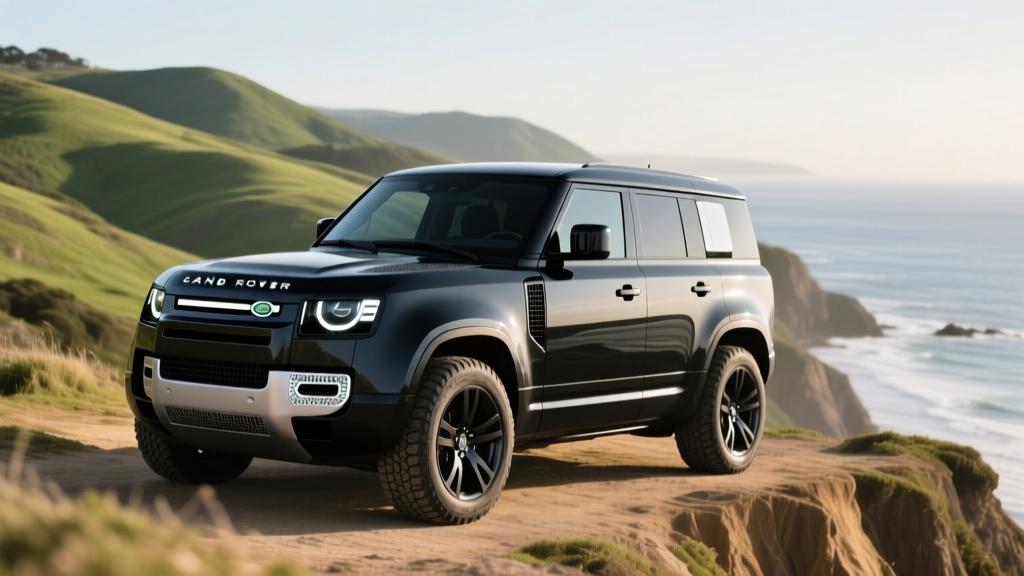
The Land Rover Defender Electric (officially the Defender OCTA Electric and standard electric variants built on Jaguar Land Rover's MLA-Flex platform) is expected to arrive in U.S. showrooms for the 2026 model year. Based on JLR's announced specifications, buyers can expect an EPA-estimated range of 280–320 miles, a ~100 kWh usable battery, DC fast charging at up to 200+ kW, and a starting MSRP in the $85,000–$110,000 range depending on trim and wheelbase (90, 110, or 130). Because the Defender Electric's MSRP exceeds the IRS §30D federal tax credit cap of $80,000 for SUVs, most trims will not qualify for the $7,500 credit. This is a premium, off-road-capable luxury EV aimed at buyers who want Defender heritage with zero tailpipe emissions—but it carries a steep entry price and real-world range that will fall short of the EPA sticker in cold weather and on highway-speed off-road excursions.
Range, Battery, and Efficiency: What the Numbers Say
The Defender Electric rides on JLR's Modular Longitudinal Architecture (MLA-Flex), the same platform underpinning the Range Rover Electric. JLR has confirmed a large-format lithium-ion battery pack. While final EPA certification numbers are pending for U.S. trims, the engineering target and European WLTP filings point to the following realistic U.S. expectations:
| Specification | Defender Electric (Estimated) |
|---|---|
| Battery Capacity (usable) | ~100 kWh (NMC chemistry) |
| EPA Range (est.) | 280–320 miles (varies by wheelbase/trim) |
| WLTP Range (EU published) | Up to ~520 km (~323 mi) |
| Efficiency (est.) | ~2.8–3.2 kWh/mi (85–90 MPGe combined) |
| Motor Configuration | Dual-motor AWD (permanent magnet + induction) |
| Horsepower | ~450–550 hp (trim dependent) |
| 0–60 mph | ~4.8–5.5 seconds (est.) |
| Towing Capacity | Up to 7,700 lbs (est.) |
| Wading Depth | Up to ~33.5 in (850 mm, per Defender DNA) |
Real-World Range Reality Check
The EPA sticker will likely read around 300 miles for a mid-spec Defender 110 Electric. In practice, expect:
- Highway cruising (75 mph): ~240–265 miles
- Cold weather (below 32°F): ~210–240 miles (NMC packs lose 15–25% in deep cold without preconditioning)
- Off-road / low-speed trail use: Range varies wildly—rock crawling in low range consumes energy differently, and regenerative braking recovery is minimal at trail speeds
- City/suburban mixed driving: ~280–310 miles (closest to EPA)
The Defender's boxy aerodynamics (high drag coefficient ~0.38+) are the primary range penalty compared to sleeker luxury EV SUVs like the BMW iX or Rivian R1S.
Charging Speed and Infrastructure: What to Expect
JLR has confirmed the Defender Electric supports DC fast charging at up to 200+ kW on compatible CCS/NACS stations. Here's how that translates to real charging sessions:
| Charging Level | Power | Charge Time / Rate |
|---|---|---|
| Level 1 (120V household) | ~1.4 kW | ~3–4 miles per hour (72+ hours for full charge) |
| Level 2 (240V home, 48A) | ~11.5 kW | ~30–35 miles per hour (~9–10 hours 10–100%) |
| DC Fast Charge (peak) | ~200+ kW | 10–80% in ~28–35 minutes (est.) |
| DC Fast Charge (sustained avg) | ~130–150 kW | Charge curve tapers significantly above 80% SoC |
Charging-curve reality: Like all NMC-based packs, the Defender Electric will hit peak charge rate only between ~10–40% SoC. Expect the rate to taper to ~80 kW by 60% and drop below 40 kW past 80%. If you're road-tripping and charging 10–80%, plan for roughly 30–35 minutes per stop at a 350 kW Electrify America or Tesla Supercharger (with NACS adapter, once supported).
Connector note: JLR's U.S. electric models are expected to ship with CCS1 ports for the 2026 model year, though JLR has committed to adopting NACS (Tesla-style) on future models. Buyers should confirm the port type at purchase, as this determines Supercharger access. Tesla's NACS adapter ecosystem and Ford/GM/Rivian Supercharger access agreements set a precedent JLR is likely to follow, but it is not confirmed for the Defender Electric at launch.
EV vs. Gas Defender: Cost and Capability Comparison
How does the Defender Electric stack up against the gas-powered Defender 110 P400 (mild-hybrid inline-six) and the plug-in hybrid Defender P400e? Here's a data-driven comparison:
| Metric | Defender Electric (est.) | Defender 110 P400 (Gas MHEV) | Defender P400e (PHEV) |
|---|---|---|---|
| Starting MSRP | ~$90,000–$95,000 | ~$72,500 | ~$82,000 |
| EPA Range / Fuel | ~300 mi (electric) | ~18 MPG combined (~410 mi on 23.5-gal tank) | ~19 mi electric + ~340 mi gas |
| Energy Cost per Mile | ~$0.045–$0.06 (home L2, $0.15/kWh) | ~$0.20 (gas at $3.60/gal, 18 MPG) | ~$0.12 blended |
| Annual Fuel/Energy (12k mi) | ~$540–$720 | ~$2,400 | ~$1,440 |
| Maintenance (annual avg) | ~$300–$500 | ~$800–$1,200 | ~$700–$1,000 |
| Off-Road Capability | Full-time AWD, low range (est.), high wading | Full-time AWD, 2-speed transfer case | AWD, limited electric-only off-road |
| Federal Tax Credit (§30D) | Not eligible (MSRP exceeds $80k SUV cap) | Not eligible | Not eligible (MSRP exceeds cap) |
| 5-Year Energy + Maint. Cost | ~$4,200–$6,100 | ~$16,000–$21,000 | ~$10,700–$13,500 |
The math: Over five years and 60,000 miles, the Defender Electric saves roughly $10,000–$15,000 in fuel and maintenance compared to the gas P400. However, the $18,000–$22,000 higher purchase price means the electric variant does not break even on operating costs alone within a typical ownership window. The value proposition rests on performance refinement, instant torque for off-road precision, and the ownership experience—not pure economics.
Real-World Ownership: What First-Time EV Buyers Must Know
Buying a $90,000+ electric luxury SUV is not the same as buying a Tesla Model Y or a Hyundai Ioniq 5. Here's what Defender Electric buyers specifically need to plan for:
Home Charging Is Non-Negotiable at This Price Point
A Defender Electric with a ~100 kWh battery takes 9–10 hours on a Level 2 home charger (48A/11.5 kW) to replenish from 10% to full. Without home charging, you'll rely on public DC fast charging or Level 2 destination chargers, which is impractical for a daily-driver SUV. Budget for:
- Level 2 charger hardware: $500–$800 (e.g., ChargePoint Home Flex, Wallbox Pulsar Plus)
- Electrical installation (240V/60A circuit): $800–$2,500 depending on panel proximity and local permit costs
- Panel upgrade (if needed): $1,500–$4,000 for a 200A service upgrade—common in older homes
Per the IRS §30D guidelines, the home charger hardware may qualify for the separate Alternative Fuel Vehicle Refueling Property Credit (up to $1,000), subject to income and census-tract eligibility.
Insurance Premiums Are Higher
Electric luxury SUVs carry insurance premiums 15–30% higher than their gas equivalents due to battery replacement costs and specialized repair networks. Expect $2,800–$4,200/year for a Defender Electric depending on your driving record, location, and coverage level. Get quotes before committing.
Cold-Weather Range Loss Is Real
If you live in the northern U.S. or mountain states, plan for 20–25% range loss in sustained sub-freezing temperatures. The Defender Electric's thermal management system and heat pump (if equipped) will mitigate this, but the boxy shape and heavy mass work against efficiency. Preconditioning the battery while plugged in is essential for preserving range and enabling fast DC charging speeds in cold weather.
Off-Road Energy Considerations
Electric motors deliver instant, precise torque—ideal for rock crawling and technical trails. However, sustained low-speed off-road use with frequent direction changes yields minimal regenerative braking recovery. Plan off-road excursions with the understanding that trail miles may consume 1.5–2x the energy per mile compared to paved-road driving, depending on terrain and elevation gain.
Pricing, Trims, and Tax Credit Eligibility
Based on JLR's global pricing announcements and U.S. market positioning, here's the expected trim structure:
| Trim / Config | Est. MSRP | §30D Tax Credit Eligible? |
|---|---|---|
| Defender 90 Electric (2-door, base) | ~$85,000 | Borderline—may qualify if MSRP stays ≤$80,000 after dest. (unlikely) |
| Defender 110 Electric S | ~$92,000 | No (exceeds $80,000 SUV cap) |
| Defender 110 Electric HSE | ~$100,000 | No |
| Defender 130 Electric (3-row) | ~$105,000–$110,000 | No |
| Defender OCTA Electric (performance) | ~$140,000+ | No |
IRS §30D Federal Tax Credit Requirements (2026)
Even if a trim fell under the MSRP cap, buyers must meet ALL of these:
- MSRP cap: ≤$80,000 for SUVs, vans, and trucks; ≤$55,000 for sedans
- Buyer income cap: AGI ≤$300,000 (joint), ≤$225,000 (head of household), ≤$150,000 (single)
- Battery sourcing: Critical minerals and battery components must meet escalating domestic-content thresholds (80% critical minerals from U.S./FTA partners, 100% battery components manufactured or assembled in North America for 2026)
- Point-of-sale transfer: Eligible buyers can transfer the credit to the dealer for an immediate price reduction
- FEOC restriction: Vehicles with battery components from Foreign Entities of Concern (China, Russia, etc.) are disqualified
Source: IRS Clean Vehicle Credits. Always verify eligibility with a tax professional before purchase.
Common Misconceptions About the Defender Electric
| Myth | Fact |
|---|---|
| "It can't off-road because it's electric." | Electric motors provide instant torque vectoring and precise low-speed control. The Defender Electric retains full-time AWD, terrain response modes, and high wading depth. Battery placement low in the chassis lowers the center of gravity. |
| "You'll get $7,500 off the price from the tax credit." | The Defender Electric's MSRP exceeds the §30D SUV cap of $80,000 on nearly every trim. No federal purchase credit applies. Some state incentives (e.g., California, Colorado) may still apply—check local programs. |
| "The battery will need replacing in 5 years." | JLR provides an 8-year/100,000-mile battery warranty guaranteeing ≥70% capacity retention. NMC packs in liquid-cooled systems typically retain 85–90% capacity at 100,000 miles based on industry data from EPA/DOE testing. |
| "It charges as fast as a Tesla." | The Defender Electric peaks around 200 kW, while the Tesla Model X and Cybertruck can sustain 250+ kW. Expect 10–80% in ~30–35 minutes vs. ~18–22 minutes for Tesla's latest architecture. |
| "I don't need home charging—I'll use public stations." | Public DC fast charging costs $0.30–$0.50/kWh (vs. ~$0.15 at home). Charging a 100 kWh battery publicly costs $30–$50 per session vs. ~$15 at home. Over a year, that's a $1,500–$2,500 difference. |
Decision Framework: Should You Buy the Defender Electric?
Buy the Defender Electric If:
- You have reliable Level 2 home charging (or can install it)
- You value instant electric torque for off-road precision and silent trail driving
- You drive primarily in suburban/urban environments and take road trips under 250 miles between charging stops
- You want a luxury heritage SUV with zero tailpipe emissions and don't need the $7,500 tax credit to justify the purchase
- You live in a state with additional EV incentives (e.g., Colorado's $5,000 credit, California's CVRP) that partially offset the MSRP
Consider the Gas Defender or a Competitor If:
- You regularly drive 300+ miles between stops in areas with sparse DC fast charging infrastructure
- You need maximum towing range (towing cuts EV range by 30–50%)
- You live in extreme cold climates and cannot accept 20–25% winter range loss
- You want the federal tax credit—look at the Rivian R1S (Dual-Motor, ~$75,900 base, potentially eligible) or a lower-trim electric SUV under the $80,000 cap
- You need third-row seating on a budget—the Defender 130 Electric will exceed $105,000; the Rivian R1S or Kia EV9 offer more affordable 3-row electric options
Frequently Asked Questions
When will the Land Rover Defender Electric be available in the U.S.?
JLR has confirmed the Defender Electric for global markets, with U.S. deliveries expected to begin in late 2025 as a 2026 model year. Exact trim availability and final EPA certification figures will be published closer to launch. Reserve through a local JLR dealer for priority allocation.
What is the real-world range of the Defender Electric on the highway?
Expect approximately 240–265 miles at 75 mph in moderate temperatures. The boxy Defender silhouette creates significantly more aerodynamic drag than streamlined EV SUVs, making highway efficiency its weakest point. At 65 mph, add ~15–20 miles.
Can the Defender Electric tow a trailer?
Yes. JLR targets a maximum towing capacity of approximately 7,700 lbs, consistent with the gas Defender 110. However, towing at max weight will reduce range by 35–50%, bringing effective highway range to roughly 150–180 miles. Plan charging stops accordingly.
Does the Defender Electric qualify for any incentives?
The federal §30D credit is not available due to the MSRP exceeding the $80,000 SUV cap. However, state-level incentives may apply: Colorado offers up to $5,000, and various utility companies provide rebates for home charger installation. Check AFDC's state incentive database for your area.
How does the Defender Electric compare to the Rivian R1S for off-road use?
Both offer dual-motor AWD with terrain management. The Rivian R1S (2026 refresh) offers quad-motor capability with tank turns, a slightly longer EPA range (~340 mi on Max Pack), and a lower starting price (~$75,900). The Defender Electric counters with deeper wading depth, JLR's Terrain Response system heritage, and a more traditional luxury interior. The R1S is the more practical EV; the Defender is the heritage play.
What is the battery warranty on the Defender Electric?
JLR provides an 8-year or 100,000-mile battery warranty (whichever comes first), guaranteeing that the battery will retain at least 70% of its original capacity. This is consistent with industry standards set by Tesla, BMW, and Hyundai/Kia. Out-of-warranty battery replacement costs for a ~100 kWh pack are estimated at $18,000–$28,000 based on current NMC cell pricing trends, though costs are expected to decline through 2030.
Will the Defender Electric support Tesla Superchargers?
As of this writing, JLR has not formally confirmed NACS adoption for the 2026 Defender Electric in the U.S. If the vehicle ships with a CCS1 port, third-party adapters (like the J.D. Adapter or Lectron CCS-to-NACS) may enable Supercharger access, though Tesla's official adapter program is limited to Ford, GM, Rivian, and select other brands. Confirm port type and Supercharger compatibility with your dealer before purchase.