The Quick Answer on the Kia Soul Electric Car
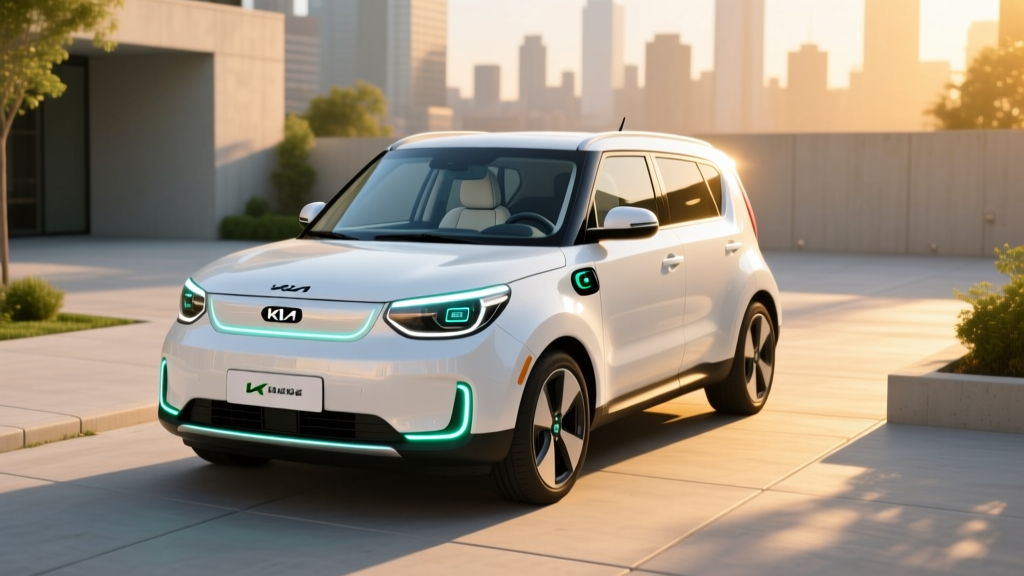
If you're searching for a soul electric car, you're likely looking at the Kia Soul EV — the fully electric version of Kia's iconic boxy hatchback. The most widely available version in the U.S. carries a 64 kWh battery pack with an EPA-estimated 243 miles of range, 201 horsepower, and DC fast charging that peaks around 77 kW (10–80% in roughly 54 minutes). Base pricing started near $35,000 before destination when it was last sold new in the U.S., though Kia has since paused U.S. Soul EV sales to focus on the Niro EV and EV6. In 2026, your best path to owning one is the used EV market, where prices typically land between $16,000–$26,000 depending on mileage and battery health — potentially qualifying for the §25E used clean vehicle credit of up to $4,000 if you meet income and dealer requirements.
What Exactly Is the Kia Soul EV?
The Kia Soul EV is a battery-electric subcompact crossover that shares its upright, roomy body with the gas-powered Soul but swaps the engine for an electric motor and a floor-mounted lithium-ion battery pack. Kia sold the modern-generation Soul EV (JF platform) in the U.S. primarily for the 2020–2023 model years before shifting its U.S. electric strategy to the Niro EV and EV6. In Europe, the e-Soul continues in updated form, but American buyers in 2026 are looking at a used or certified pre-owned purchase.
That doesn't make it a bad buy — in fact, the Soul EV's combination of interior space, upright seating position, and manageable footprint makes it one of the most practical small EVs ever sold. The key is understanding exactly what you're getting and what it will cost to own.
Soul EV Specs: Range, Battery, and Charging Numbers
Here are the hard numbers for the most common U.S.-spec Kia Soul EV (2020–2023 model years, Long Range trim):
| Specification | Value |
|---|---|
| EPA Range | 243 miles |
| Real-World Range (highway, 70 mph) | ~200–220 miles |
| Real-World Range (cold weather, 30°F) | ~165–190 miles |
| Battery Capacity | 64 kWh usable (NMC chemistry) |
| Motor Output | 201 hp / 291 lb-ft torque |
| 0–60 mph | ~7.0 seconds |
| DC Fast Charge Peak | ~77 kW (CCS1 connector) |
| 10–80% DC Fast Charge | ~54 minutes |
| Level 2 Charge Rate | 7.2 kW (onboard charger) |
| Level 2 Full Charge Time | ~9.5 hours (0–100%) |
| MPGe (combined) | 120 MPGe |
| Battery/Powertrain Warranty | 10 years / 100,000 miles (original owner) |
Real-World Range Reality Check
The EPA rates the Soul EV Long Range at 243 miles, and that's achievable in mild weather at city speeds with regenerative braking doing heavy lifting. On a sustained 70-mph highway drive, expect 200–220 miles before you need to plug in. In freezing temperatures (below 32°F), cabin heating and battery chemistry drag range down to roughly 165–190 miles. The Soul EV lacks a heat pump in U.S. trims, which means resistive cabin heating draws directly from the 64 kWh pack — a meaningful hit in winter. If your daily commute is under 60 miles round-trip and you charge at home, you'll rarely notice the gap between EPA and real-world figures.
Charging the Soul EV: Home and Public
The Soul EV uses a CCS1 connector for DC fast charging and a standard J1772 inlet for Level 1 and Level 2 AC charging. Here's what each charging level delivers:
| Charging Level | Power | Miles Added per Hour | Best Use Case |
|---|---|---|---|
| Level 1 (120V household outlet) | ~1.2 kW | ~4–5 miles/hr | Overnight top-up, low daily mileage |
| Level 2 (240V home charger) | 7.2 kW | ~25–28 miles/hr | Daily home charging, full overnight fill |
| DC Fast Charge (public CCS) | Up to 77 kW | ~150+ miles in 30 min (peak) | Road trips, quick top-ups |
Home charging is the ownership linchpin. A Level 2 home charger (like a ChargePoint Home Flex or Emporia Level 2) installed on a 240V/40A circuit will fully replenish the Soul EV overnight. Installation costs typically run $600–$1,800 including equipment, electrician labor, and permits — more if your panel needs an upgrade to 200A service. If you live in an apartment or lack a dedicated parking spot with electrical access, you'll be relying on public Level 2 and DC fast chargers, which is doable but adds time and cost to ownership.
DC fast charging caveat: The Soul EV's ~77 kW peak charge rate is modest by 2026 standards. Many newer EVs charge at 150–250+ kW. On a road trip, the Soul EV will spend roughly 54 minutes going from 10–80% at a compatible CCS station. Charge speed also tapers significantly above 80% SoC — a characteristic of NMC lithium-ion chemistry, not a defect. For daily driving charged at home, this is irrelevant; for cross-country trips, it means planning longer stops.
Cost Breakdown: Buying and Running a Soul EV
Here's what the numbers look like for a used 2022 Kia Soul EV purchased in 2026:
| Cost Category | Kia Soul EV (Used 2022) | Gas Kia Soul (New 2026) |
|---|---|---|
| Purchase Price | $18,000–$24,000 (used market) | $22,000–$28,000 (new MSRP) |
| Federal Tax Credit | Up to $4,000 (§25E used EV credit) | None (gas vehicle) |
| Effective Purchase Price | $14,000–$20,000 (after credit) | $22,000–$28,000 |
| Annual Fuel/Energy (12,000 mi/yr) | $420–$600 (home charging at $0.13/kWh) | $1,440–$1,800 (gas at $3.20/gal, 29 MPG) |
| Annual Maintenance | $200–$400 | $600–$900 |
| Annual Insurance (avg) | $1,400–$1,800 | $1,200–$1,600 |
| 5-Year Total Operating Cost | $10,100–$14,000 | $16,200–$21,500 |
The Soul EV's biggest financial advantage is fuel savings. Charging at home at the U.S. average electricity rate of ~$0.13/kWh, the Soul EV costs roughly $0.035–$0.05 per mile to drive. The gas Soul, at a combined 29 MPG and $3.20/gallon, costs about $0.11–$0.15 per mile. Over 12,000 miles per year, that's $800–$1,200 in annual fuel savings with the EV.
Maintenance savings add up too: no oil changes, no spark plugs, no transmission fluid, and regenerative braking extends brake pad life significantly. Expect to spend $200–$400/year on cabin air filters, tire rotations, wiper fluid, and brake inspections.
Insurance is typically 10–20% higher for the EV version, reflecting higher repair costs and battery replacement risk. Get quotes before buying — your mileage will vary by state, driving record, and insurer.
Soul EV vs. Gas Soul vs. Hybrid Alternatives
| Factor | Kia Soul EV (Used) | Kia Soul Gas (New) | Kia Niro EV (New 2026) |
|---|---|---|---|
| EPA Range / MPG | 243 mi (EV) | 29 MPG combined | 239 mi (EV) |
| Price (effective) | $14,000–$20,000 | $22,000–$28,000 | $32,000–$39,000 |
| DC Fast Charge Speed | ~77 kW peak | N/A | ~77 kW peak |
| Cargo Space | 24.3 cu ft | 24.2 cu ft | 22.9 cu ft |
| Home Charging Needed? | Strongly recommended | No | Strongly recommended |
| Warranty Remaining | Varies (check CPO) | Full 10yr/100k mi | Full 10yr/100k mi |
| Tax Credit | Up to $4,000 used | None | Up to $7,500 new (§30D) |
The used Soul EV wins on total cost of entry: after the used-EV credit, you can own a practical 243-mile EV for under $20,000. The gas Soul wins on simplicity — fill up anywhere, no charging infrastructure needed. The new Niro EV is the better pick if you want a full warranty, modern ADAS features, and eligibility for the new-vehicle §30D credit, though it costs significantly more upfront.
Common Soul EV Misconceptions
| Myth | Fact |
|---|---|
| "The battery will need replacing in a few years." | Kia's NMC pack is warranted for 10 years/100,000 miles at 70%+ capacity retention. Real-world data from 2020–2022 Soul EVs shows degradation of roughly 5–10% over the first 60,000 miles. Full battery replacement, if ever needed, runs $8,000–$12,000, but most packs outlast the car. |
| "You can't drive an EV in cold weather." | You can, but range drops 20–30% in sub-freezing temps. The Soul EV's 243-mile range becomes ~170–190 miles in winter. Preconditioning the battery while plugged in mitigates this. For most commuters, this still covers daily needs. |
| "Charging takes too long." | At home on Level 2, charging happens while you sleep — zero active time. On road trips, a 10–80% DC fast charge takes ~54 minutes, which pairs with a meal or rest stop. It's slower than gassing up, but you'll charge far less often than you refuel a gas car. |
| "Used EVs are risky because of battery wear." | Battery degradation in modern EVs is gradual and predictable. Request a battery health report (State of Health / SoH) before purchasing. Many Kia CPO vehicles include extended warranty coverage. A 2022 Soul EV at 30,000 miles should still have 90%+ SoH. |
| "The Soul EV qualifies for the full $7,500 federal tax credit." | Not when bought new — the Soul EV was discontinued in the U.S. before current §30D sourcing rules took effect. As a used purchase, it may qualify for the §25E credit of up to $4,000 (30% of sale price, capped at $4,000), subject to buyer income limits ($75K single / $150K joint) and purchase through a licensed dealer. Check current rules at IRS.gov. |
Decision Framework: Is the Soul EV Right for You?
Choose the Used Kia Soul EV If:
- Your daily round-trip commute is under 80 miles (covers ~90% of U.S. drivers).
- You have access to home charging — a garage, driveway, or dedicated outlet where a Level 2 charger can be installed.
- You want a practical, roomy EV for under $20,000 after tax credits.
- You rarely take road trips over 200 miles, or you're willing to plan charging stops.
- You value the Soul's upright seating, excellent visibility, and 24+ cu ft of cargo space.
Choose a Gas or Hybrid Instead If:
- You live in an apartment with no charging access and your area has sparse public charging infrastructure.
- You regularly drive 300+ miles in a single day (the Soul EV's 77 kW charge rate means longer road-trip stops).
- You live in an extremely cold climate (sustained sub-zero temperatures) and have no garage for preconditioning.
- You want a brand-new vehicle with a full factory warranty and the latest ADAS technology.
Choose the New Kia Niro EV Instead If:
- You want a new EV with a full 10-year/100,000-mile warranty and may qualify for the §30D new-vehicle credit (up to $7,500, subject to IRS income, MSRP, and battery-sourcing rules).
- You want modern features like Kia's latest infotainment, highway driving assist, and potentially faster charging in updated model years.
First-Time EV Buyer Checklist for the Soul EV
If you're about to buy a used Soul EV, run through these steps:
- Verify battery State of Health (SoH). Ask the dealer or seller for a diagnostic report. A healthy 2021–2022 Soul EV at 30,000–50,000 miles should show 90%+ SoH. You can also check this via the Kia Connect app or an OBD-II reader with EV-compatible software.
- Confirm remaining warranty. Kia's 10-year/100,000-mile battery warranty transfers to the second owner, but coverage may reduce to 5 years/60,000 miles depending on the transfer terms. Get it in writing.
- Get a home charging assessment. Before closing the deal, have a licensed electrician evaluate your panel capacity. A 240V/40A circuit for a Level 2 charger requires a dedicated breaker. If your panel is 100A and already near capacity, a panel upgrade to 200A can add $1,500–$3,000.
- Check tax credit eligibility. The §25E used-EV credit requires: purchase price under $25,000, purchase from a licensed dealer (not private party), buyer income under $75K (single) or $150K (joint), and you haven't claimed the §25E credit in the past 3 years. The credit is 30% of the sale price, capped at $4,000.
- Download the Kia Connect app. Remote preconditioning, charge scheduling, and SoC monitoring are all managed through the app. Preconditioning while plugged in warms the battery and cabin using grid power — preserving range in cold weather.
- Plan your public charging. Download apps for fueleconomy.gov reference, PlugShare, ChargePoint, and Electrify America. The Soul EV uses CCS1, which is widely supported but is being gradually supplemented by NACS (Tesla's connector) at some networks. Adapters are available for Tesla destination chargers.
Frequently Asked Questions
Is Kia still making the Soul EV in 2026?
Kia discontinued the Soul EV in the U.S. market after the 2023 model year, redirecting EV investment to the Niro EV, EV6, and EV9. The e-Soul continues in European and Korean markets with updated specs. In the U.S., 2026 buyers should look at the used/CPO market or consider the new Niro EV as Kia's current electric alternative in a similar size class.
How much does it cost to charge a Soul EV at home?
A full charge from 0–100% on the 64 kWh battery at the U.S. average residential rate of $0.13/kWh costs roughly $8.30. In practice, you'll rarely charge from empty — a typical daily top-up of 30–40 kWh costs $3.90–$5.20. Over 12,000 miles per year, home charging costs approximately $420–$600, compared to $1,440–$1,800 for gas in the equivalent Soul.
Can I use a Tesla Supercharger with the Kia Soul EV?
Not natively. The Soul EV has a CCS1 connector, while Tesla Superchargers use NACS. As of 2026, Tesla has opened some Supercharger stations to non-Tesla CCS vehicles via a built-in adapter at the stall, but availability varies by location. You can also purchase a NACS-to-CCS adapter (such as those from Lectron or A2Z) for use at NACS-equipped stations. Always check the Tesla app or PlugShare for real-time compatibility at specific stalls.
What happens if the Soul EV battery degrades significantly?
Kia warrants the high-voltage battery for 10 years/100,000 miles with a capacity retention threshold of 70%. If your battery drops below 70% SoH within that window, Kia will repair or replace it at no cost. Out of warranty, a full battery replacement costs approximately $8,000–$12,000 at a Kia dealer, though individual module replacement may be possible at lower cost. Real-world data from high-mileage Soul EVs suggests most packs retain 85–92% SoH at 80,000 miles — well above the warranty threshold.
Does the Soul EV qualify for any tax credits in 2026?
As a used vehicle, the Soul EV may qualify for the federal §25E Previously-Owned Clean Vehicle Credit — up to $4,000 (30% of the sale price). Requirements include: purchase price ≤ $25,000, purchase from a licensed dealer, buyer modified adjusted gross income under $75,000 (single) or $150,000 (joint), and no §25E credit claimed in the prior 3 years. The credit can be transferred to the dealer at point of sale as an immediate price reduction. Always verify current eligibility at IRS.gov and consult a tax professional for your specific situation.
Is the Soul EV a good first EV?
Yes — with caveats. Its manageable size, upright driving position, generous cargo space, and straightforward charging make it approachable for new EV owners. The 243-mile range covers most daily needs with margin to spare. The main limitations are its modest DC fast-charge speed (77 kW peak) and the lack of a heat pump, which reduces winter efficiency. If you can charge at home and your daily driving is under 80 miles, the Soul EV is an excellent, affordable entry into EV ownership.