The Kia EV6 Frunk Situation: What You Actually Get
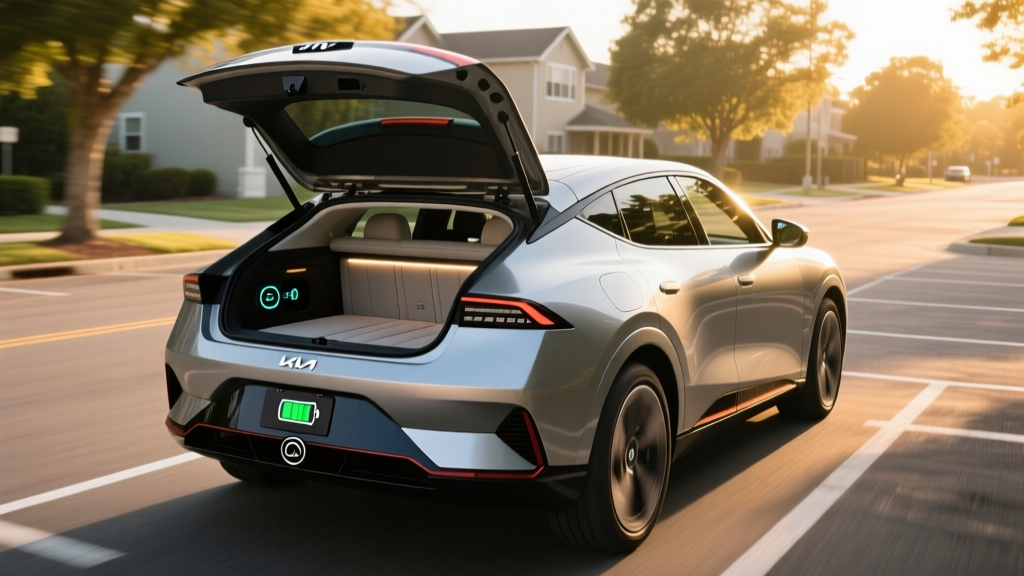
If you've searched for "Kia EV6 frunk" hoping for a deep front trunk rivaling the Ford Mustang Mach-E or Tesla Model Y, let's set expectations immediately. The 2026 Kia EV6's front trunk (frunk) offers approximately 0.7 cubic feet of usable space on rear-wheel-drive trims and essentially zero usable space on GT-Line AWD and GT variants where the front inverter and power electronics consume that volume. On RWD models, the frunk is best described as a shallow compartment suitable for storing the mobile charging cable, a tire inflator kit, or a small emergency bag — not groceries or a carry-on.
This isn't a defect; it's an engineering trade-off. Hyundai Motor Group's E-GMP platform prioritizes a low, flat floor and optimized crash structure over front storage. The payoff is class-leading interior volume, an 800-volt electrical architecture for blistering DC fast charging, and a near-flat rear cargo floor. But if frunk space is a dealbreaker for your EV shortlist, the EV6 will disappoint. If you care more about what happens behind the front seats, keep reading — this is where the EV6 earns its reputation.
2026 Kia EV6 Full Spec Sheet
| Specification | Light RWD | Wind RWD | GT-Line AWD |
|---|---|---|---|
| EPA Range | 310 mi | 310 mi | 282 mi |
| Battery (usable) | 77.4 kWh (NMC) | 77.4 kWh (NMC) | 77.4 kWh (NMC) |
| Frunk Volume | ~0.7 cu ft | ~0.7 cu ft | N/A (electronics) |
| Rear Cargo (behind 2nd row) | 24.4 cu ft | 24.4 cu ft | 24.4 cu ft |
| Cargo (seats folded) | 50.2 cu ft | 50.2 cu ft | 50.2 cu ft |
| Horsepower | 167 hp | 225 hp | 320 hp |
| 0-60 mph | 7.2 sec | 6.8 sec | 4.5 sec |
| Drivetrain | RWD single motor | RWD single motor | AWD dual motor |
| Max DC Fast Charge | 240 kW (peak) | 240 kW (peak) | 240 kW (peak) |
| 10-80% DC Time | ~18 min | ~18 min | ~18 min |
| Level 2 Home Charge | 10.9 kW (~37 mi/hr) | 10.9 kW (~37 mi/hr) | 10.9 kW (~37 mi/hr) |
| Combined MPGe | 134 MPGe | 134 MPGe | 106 MPGe |
| Efficiency | 26 kWh/100 mi | 26 kWh/100 mi | 33 kWh/100 mi |
| Base MSRP | $43,200 | $48,700 | $56,200 |
Source: fueleconomy.gov and Kia America specifications. GT trim (576 hp, 206 mi range) sold separately at $62,900 MSRP.
Real-World Range: Beyond the EPA Sticker
EPA Estimate: 310 miles
Real-World Highway (70-75 mph, 65°F): ~255-275 miles
Real-World Mixed Commute (city + suburban): ~285-305 miles
Cold Weather (20°F, highway, heater on): ~195-225 miles
Based on owner-reported data and independent testing. Your results vary with speed, terrain, climate settings, and tire condition.
The 310-mile EPA figure on the RWD trims is competitive with the Tesla Model Y Long Range and Chevrolet Blazer EV, but EPA testing favors lower-speed cycles with generous regenerative braking recovery. On a sustained 75-mph interstate run in mild weather, expect the EV6 Wind RWD to deliver roughly 255-275 miles before hitting a 10% state of charge. The AWD GT-Line drops to around 235-250 miles on the same route due to its 33 kWh/100 mi consumption versus the RWD's 26 kWh/100 mi.
Cold weather is the great equalizer. The EV6 uses a heat pump (standard on Wind and above, optional on Light) that mitigates cabin-heating energy draw, but lithium-ion chemistry inherently loses efficiency below freezing. Plan for 30-40% range reduction in sub-30°F conditions, especially on highway trips where there's less regenerative braking to recover energy. For a 310-mile-rated EV6 in a Minnesota January, that means budgeting for a charge stop every 190-210 miles on the highway.
Charging Speed: The 800-Volt Advantage
The EV6's 800-volt E-GMP architecture remains one of its strongest competitive advantages in 2026. While most EVs in this price segment use 400-volt systems limited to 150 kW peak, the EV6 can accept up to 240 kW at compatible DC fast chargers — and more importantly, it sustains high charge rates deeper into the session.
| Charge Level | Power | Miles Added Per Hour | Notes |
|---|---|---|---|
| Level 1 (120V household) | ~1.4 kW | ~4-5 mi/hr | Emergency/top-up only; 77 kWh takes ~55 hours |
| Level 2 (240V, 48A home) | 10.9 kW | ~37 mi/hr | Full charge in ~7.5 hours; ideal for overnight |
| DC Fast (350 kW station) | 240 kW peak | ~14 mi/min at peak | 10-80% in ~18 min; tapers sharply above 80% |
| DC Fast (150 kW station) | ~135 kW sustained | ~8 mi/min | 10-80% in ~28 min; common at Electrify America |
A critical nuance: the 240 kW peak only holds between roughly 10% and 45% state of charge. The charge curve tapers to ~150 kW by 60%, ~80 kW by 75%, and drops below 40 kW past 85%. This is normal lithium-ion behavior managed by the battery management system to protect cell longevity, but it means charging from 80-100% at a DC fast charger is painfully slow and rarely worth the wait. For road trips, the optimal strategy is to charge from 10-80% (about 18 minutes at a 350 kW charger), then drive on.
For home charging, a Level 2 wall connector on a 60-amp circuit (48 amps continuous) delivers the full 10.9 kW the EV6's onboard charger can accept. That's roughly 37 miles of range per hour of charging — enough to replenish a full day's driving in 1-2 hours. Installation typically runs $800-$2,000 depending on panel proximity and local permit requirements; a 200-amp panel upgrade adds $1,500-$3,000 if your home needs one.
Performance, Ride, and Drivetrain Breakdown
The 2026 EV6 lineup spans a wide performance envelope. The base Light RWD makes 167 hp and reaches 60 mph in 7.2 seconds — adequate for commuting but noticeably sedate for a vehicle in the $43,000 range. The Wind RWD bumps output to 225 hp with a 6.8-second 0-60, which feels responsive in daily driving thanks to instant electric torque delivery.
The GT-Line AWD is the sweet spot for enthusiasts who don't want the GT's $62,900 price tag. Its 320 hp and 4.5-second 0-60 time put it in sports-sedan territory, and the dual-motor all-wheel-drive system provides confident traction in rain and light snow. The GT trim (576 hp, 3.0-second 0-60) exists for bragging rights, but its 206-mile EPA range and stiff ride make it a niche pick.
Ride quality across the lineup is firm but well-damped, with the E-GMP platform's low center of gravity keeping body roll minimal through corners. Road noise is moderate — louder than a Tesla Model Y on coarse pavement but quieter than a Ford Mustang Mach-E. The 111.4-inch wheelbase translates to generous rear legroom (39.5 inches), and the flat floor makes the middle seat genuinely usable for adults on short trips.
Pricing, Trims, and Federal Tax Credit Eligibility
| Trim | Base MSRP | As-Tested (typical) | Est. §30D Credit | Effective Price |
|---|---|---|---|---|
| Light RWD | $43,200 | $44,500 | Up to $7,500* | ~$35,700-$37,000 |
| Wind RWD | $48,700 | $51,200 | Up to $7,500* | ~$41,200-$43,700 |
| GT-Line RWD | $53,200 | $56,000 | Up to $7,500* | ~$45,700-$48,500 |
| GT-Line AWD | $56,200 | $59,500 | Up to $7,500* | ~$48,700-$52,000 |
| GT AWD | $62,900 | $65,000 | Up to $7,500* | ~$55,400-$57,500 |
*Federal §30D tax credit eligibility depends on multiple factors. See checklist below. Credit can be applied as a point-of-sale reduction at participating dealers.
The Kia EV6 is assembled in West Point, Georgia (at the Hyundai Motor Group Metaplant America), which satisfies the North American final-assembly requirement for the federal tax credit. However, qualifying for the full $7,500 under IRS §30D rules requires clearing several hurdles:
- MSRP Cap: Vehicle MSRP must not exceed $55,000 (SUVs/vans: $80,000). The EV6 is classified as a sedan by the IRS — so trims above $55,000 MSRP (GT-Line, GT) are ineligible.
- Buyer Income Cap: Modified AGI must not exceed $150,000 (single), $225,000 (head of household), or $300,000 (joint).
- Battery Sourcing: Critical minerals and battery components must meet phased-in percentage thresholds from US/free-trade-agreement sources. Kia has confirmed partial compliance — verify current-year sourcing status at the dealer before purchase.
- Point-of-Sale Transfer: Eligible buyers can transfer the credit to the dealer for an immediate price reduction rather than waiting for tax filing.
- Consult a tax professional to confirm your individual eligibility. Rules are subject to legislative change.
The practical implication: the Light and Wind RWD trims are the most likely to qualify for the full credit, making the Wind RWD at approximately $41,200 after credit one of the best value propositions in the mid-size EV segment. The GT-Line and GT trims exceed the $55,000 sedan MSRP cap and are ineligible regardless of your income.
Interior, Tech, and Daily Usability
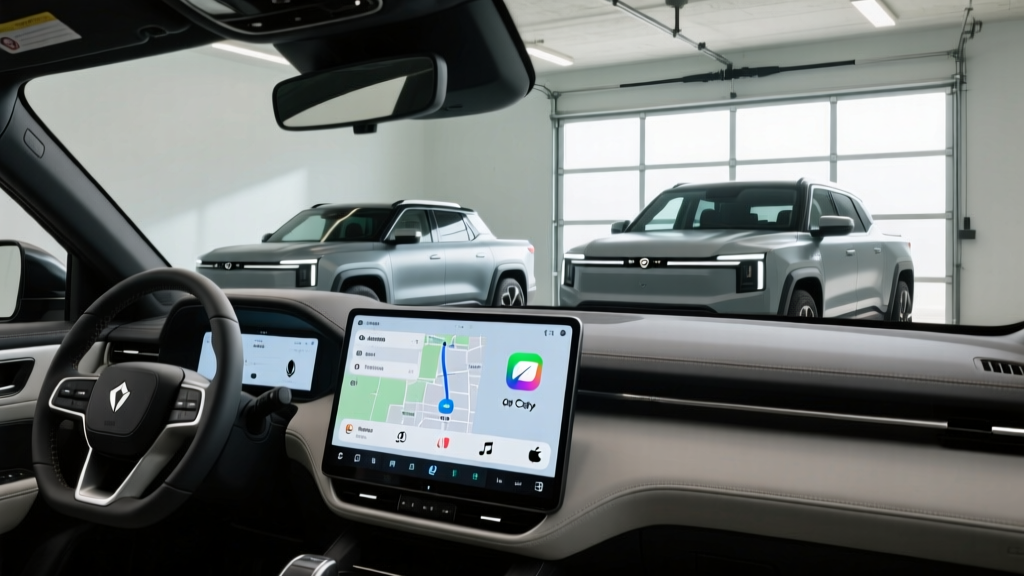
The EV6's cabin is dominated by a curved panoramic display housing a 12.3-inch digital instrument cluster and a 12.3-inch infotainment touchscreen running Kia's latest Connect system with wireless Apple CarPlay and Android Auto. The interface is responsive, with logical menu structures and physical shortcut buttons for climate and volume — a welcome contrast to Tesla's screen-only approach.
Standard driver-assistance features across the lineup include Highway Driving Assist 2 (HDA2), which provides adaptive cruise control with stop-and-go, lane-centering, and lane-change assist. This is an SAE Level 2 system — it does not drive itself, and you must keep your hands on the wheel and eyes on the road. HDA2 is competent for highway cruising but requires active driver supervision at all times.
Kia's Highway Driving Assist 2 (HDA2) and the available Highway Driving Assist with lane-change function are SAE Level 2 driver-assist systems. They are not autonomous or self-driving. The driver is legally and physically responsible for vehicle control at all times. Do not use these systems as a substitute for attentive driving.
Notable tech highlights include vehicle-to-load (V2L) capability via an interior outlet and available exterior adapter, which can power devices up to 3.6 kW — enough to run a laptop, TV, or small refrigerator during a camping trip or power outage. The available augmented-reality head-up display (GT-Line and above) overlays navigation arrows onto the road view, which is genuinely useful at complex highway interchanges.
Drawbacks worth noting: the EV6 uses capacitive-touch buttons for some climate and media functions that are harder to operate while driving than physical knobs. Rear visibility is compromised by the thick C-pillars and sloping roofline — the surround-view camera is nearly essential for parking. And while the 24.4 cu ft rear cargo area is competitive, it trails the Tesla Model Y's 30.2 cu ft and the Hyundai Ioniq 5's 27.2 cu ft. With rear seats folded, the EV6 opens to 50.2 cu ft — adequate for furniture-store runs but not class-leading.
Battery Warranty and Long-Term Ownership
Kia covers the EV6's battery pack and electric powertrain with a 10-year/100,000-mile limited warranty — one of the longest in the industry and a meaningful advantage over Tesla's 8-year/120,000-mile coverage. The warranty guarantees the battery will retain at least 70% of its original capacity during the coverage period; if it degrades below that threshold, Kia will repair or replace it.
The 77.4 kWh NMC (nickel manganese cobalt) battery pack uses LG Energy Solution cells with active liquid thermal management. Based on data from earlier E-GMP vehicles now reaching 3-4 years of service, real-world degradation appears to track at roughly 2-4% loss per year under normal use patterns — meaning most owners should see 85-90% state of health at the 5-year mark. To maximize longevity, Kia recommends avoiding prolonged storage above 90% or below 10% state of charge and using DC fast charging judiciously rather than as a daily routine.
The EV6 also carries Kia's 5-year/60,000-mile bumper-to-bumper warranty and 5-year/100,000-mile roadside assistance. Insurance costs run 10-20% higher than a comparably priced gas crossover, per industry averages — budget accordingly when calculating total cost of ownership.
Pros, Cons, and the Verdict
✅ Pros
- 800V architecture enables 10-80% DC charging in ~18 minutes
- 10-year/100,000-mile battery warranty — industry-leading
- Spacious rear seat (39.5" legroom) with flat floor
- V2L capability for camping and backup power
- Strong real-world efficiency (26 kWh/100 mi on RWD)
- US-assembled, potentially eligible for $7,500 federal credit on lower trims
- Physical buttons supplement touchscreen for climate/volume
❌ Cons
- Frunk is tiny (0.7 cu ft) or nonexistent on AWD trims
- IRS sedan MSRP cap ($55K) disqualifies GT-Line and GT from tax credit
- Rear cargo (24.4 cu ft) trails Model Y and Ioniq 5
- Rear visibility hampered by thick pillars and sloping roof
- Base Light trim is underpowered (167 hp, 7.2s 0-60)
- Capacitive-touch climate controls are distracting while driving
- Real-world highway range ~255-275 mi vs. 310 mi EPA (RWD)
Who Should Buy the 2026 Kia EV6?
Decision Framework
Choose the EV6 Wind RWD if: You want fast DC charging, a long warranty, strong rear-seat space, and can work within the $48,700 MSRP to qualify for the federal tax credit. Ideal for commuters and couples who road-trip 2-4 times a year and can charge at home.
Choose the EV6 GT-Line AWD if: You need dual-motor traction for snow/rain climates, want the 4.5-second 0-60, and either don't need the federal credit or can absorb the higher price. Budget $56,200+ before state incentives.
Look at the Tesla Model Y instead if: Frunk and cargo space are priorities (Model Y offers 4.1 cu ft frunk + 30.2 cu ft rear), or you rely on the Supercharger network exclusively (though Kia now supports NACS via adapter in 2026).
Look at the Hyundai Ioniq 5 instead if: You want a slightly larger rear cargo area (27.2 cu ft), more retro styling, and the same E-GMP platform with similar charging performance.
Frequently Asked Questions
How big is the Kia EV6 frunk?
The 2026 Kia EV6 frunk measures approximately 0.7 cubic feet on RWD trims (Light, Wind, GT-Line RWD). AWD trims (GT-Line AWD, GT) have no usable frunk due to front-axle motor and inverter packaging. The frunk fits a charging cable bag and small emergency kit — nothing larger.
What is the real-world range of the Kia EV6?
The EPA rates the RWD trims at 310 miles and AWD GT-Line at 282 miles. In real-world highway driving at 70-75 mph in mild weather, expect 255-275 miles (RWD) or 235-250 miles (AWD). In freezing temperatures, subtract 30-40%, yielding roughly 195-225 miles for RWD on the highway.
Does the Kia EV6 qualify for the $7,500 federal tax credit?
It depends on the trim and your income. The EV6 is assembled in Georgia (meeting the North American assembly requirement), but the IRS classifies it as a sedan — meaning the $55,000 MSRP cap applies. Only the Light ($43,200) and Wind ($48,700) trims fall under the cap. The buyer must also meet income limits ($150K single / $300K joint) and the vehicle must satisfy battery critical-mineral and component sourcing thresholds. Verify current-year sourcing compliance with your dealer. Consult a tax professional per IRS guidance.
How fast does the Kia EV6 charge at home?
On a Level 2 home charger (240V, 48A), the EV6 accepts up to 10.9 kW, adding approximately 37 miles of range per hour. A full 0-100% charge takes about 7.5 hours. Level 1 (120V) charging adds only 4-5 miles per hour and is suitable only for emergency or overnight top-ups.
Is the Kia EV6 better than the Tesla Model Y?
It depends on priorities. The EV6 charges faster (240 kW vs. ~250 kW peak, but with a better sustained curve), offers a longer battery warranty (10 yr vs. 8 yr), and has a more traditional interior with physical controls. The Model Y offers significantly more cargo space (30.2 vs. 24.4 cu ft), a usable frunk (4.1 cu ft vs. 0.7 cu ft), access to the native Supercharger network, and a lower starting price. For road-trippers who prioritize cargo and charging infrastructure, the Model Y edges ahead. For commuters who value charging speed, warranty, and interior quality, the EV6 is the stronger pick.
What is the Kia EV6 battery replacement cost?
Out-of-warranty battery replacement for the EV6's 77.4 kWh pack is estimated at $12,000-$18,000 including labor, based on current E-GMP platform pricing. However, the 10-year/100,000-mile warranty (70% capacity retention threshold) makes out-of-pocket replacement unlikely for most original owners. Individual module replacement for isolated cell failures costs significantly less.