Quick Answer: What Jeep Electric Cars Can You Buy in 2026?
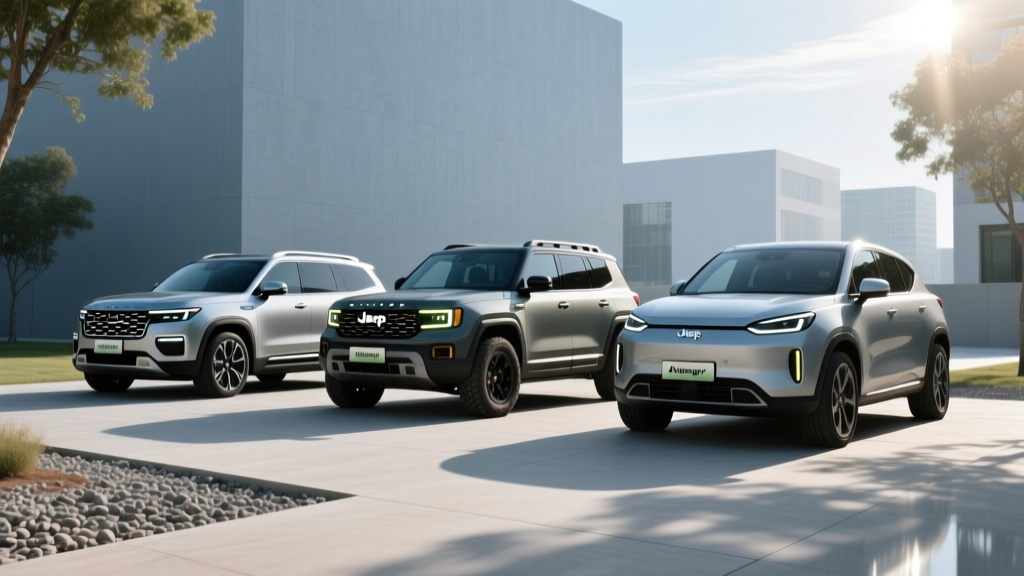
As of early 2026, Jeep offers two fully electric vehicles in the U.S.: the Wagoneer S (a luxury midsize SUV with up to 300 miles of EPA range and starting around $65,200) and the Recon (an off-road-oriented EV SUV starting near $52,000). The subcompact Avenger EV is available in Europe but not the U.S. Jeep also sells the 4xe plug-in hybrid lineup (Wrangler 4xe, Grand Cherokee 4xe) for buyers who want electric driving without range limitations.
If you want a true electric Jeep with full-time battery power and zero tailpipe emissions, the Wagoneer S is the most polished option for daily driving, while the Recon targets buyers who plan to take their EV off pavement. Both ride on Stellantis' STLA Large platform with 100 kWh (usable) battery packs and support DC fast charging up to 200 kW.
Wagoneer S: Range, Charging, and Real-World Numbers
The Wagoneer S launched as Jeep's first ground-up battery electric vehicle for the North American market. It's positioned as a premium performance SUV rather than a rugged off-roader — think of it as Jeep's answer to the Tesla Model Y and BMW iX rather than a Wrangler replacement.
| Spec | Wagoneer S Launch Edition | Wagoneer S Limited |
|---|---|---|
| EPA Range | 300 miles | ~280 miles (est.) |
| Battery (Usable) | 100 kWh, NMC | 100 kWh, NMC |
| Horsepower | 600 hp | 400 hp |
| 0–60 mph | 3.4 seconds | ~5.0 seconds |
| Peak DC Fast Charge | 200 kW | 200 kW |
| 10–80% DC Charge | ~23 minutes | ~23 minutes |
| Level 2 Charge Rate | 11.5 kW | 11.5 kW |
| Drivetrain | AWD (dual motor) | AWD (dual motor) |
| Base MSRP | $71,200 | $65,200 |
| Battery Warranty | 8 yr / 100,000 mi | 8 yr / 100,000 mi |
Real-World Range vs. EPA Sticker
The 300-mile EPA rating for the Launch Edition assumes mixed driving at moderate temperatures. Expect 250–270 miles on the highway at sustained 70+ mph speeds, where aerodynamic drag cuts efficiency. In cold weather (below 30°F), plan for a 20–30% reduction, bringing usable range to roughly 210–240 miles before needing a charge. The 100 kWh NMC battery provides a decent buffer, but the Wagoneer S's heavy curb weight (over 5,800 lbs) works against efficiency at speed.
Charging on a 200 kW DC fast charger, the Wagoneer S peaks near 200 kW at low state of charge but tapers significantly above 80% SoC — a typical charge curve for NMC chemistry. If you're road-tripping, plan your stops around the 10–80% window (roughly 23 minutes at a compatible charger) rather than topping to 100%, which can add another 20+ minutes.
Jeep Recon: The Off-Road EV
The Recon is Jeep's electric answer to the Wrangler buyer who wants silent trail crawling and zero emissions in wilderness areas. Built on the same STLA Large platform, the Recon features all-terrain tires, electronic locking differentials, Selec-Terrain traction management, and underbody protection — genuine off-road hardware that the Wagoneer S lacks.
| Spec | Recon (Estimated) |
|---|---|
| EPA Range | ~275 miles (est.) |
| Battery (Usable) | 100 kWh, NMC |
| Horsepower | ~550 hp |
| Peak DC Fast Charge | 200 kW |
| 10–80% DC Charge | ~24 minutes |
| Ground Clearance | ~10.5 inches |
| Starting MSRP | ~$52,000 |
| Battery Warranty | 8 yr / 100,000 mi |
Off-road driving consumes energy differently than highway cruising. Low-speed rock crawling and steep-grade climbing draw heavy current from the battery, but regenerative braking on descents can recover meaningful energy. Expect trail days to reduce effective range by 30–40% compared to the EPA sticker if you're doing sustained technical driving. This matters if you're planning to drive 100+ miles to a trailhead, wheel all day, and drive home — you'll need charging access near your route.
The Recon's removable doors and open-air capability echo the Wrangler, but the added battery weight (estimated 6,000+ lbs) means it won't feel as nimble on tight trails. It trades some agility for instant electric torque at low speeds, which is genuinely useful for rock crawling.
Jeep Electric vs. Gas: Cost and Ownership Breakdown
The most common question from Jeep shoppers: does going electric actually save money? Let's compare the Wagoneer S against a similarly priced gas SUV — the Jeep Grand Cherokee (Laredo/Summit trims averaging $55,000–$68,000) — over a typical 5-year ownership period.
| Cost Factor (5 Years / 75,000 mi) | Wagoneer S Limited | Grand Cherokee V6 AWD |
|---|---|---|
| Base MSRP | $65,200 | $57,000 |
| Est. Federal Tax Credit (§30D) | $0–$7,500* | $0 |
| Fuel / Electricity | $3,750 (home charging) | $9,375 (gas @ $3.50/gal, 22 MPG) |
| Maintenance | $1,500 | $4,200 |
| Insurance (avg.) | $11,500 | $9,250 |
| Est. Depreciation | $28,000 | $22,000 |
| Total 5-Year Cost | ~$81,950 | ~$81,825 |
*The §30D federal EV tax credit depends on battery component sourcing, critical mineral origin, buyer income caps ($150K single / $300K joint), and MSRP limits ($80K for SUVs). The Wagoneer S qualifies at some trim levels, but Stellantis battery sourcing requirements shift — check current eligibility at IRS.gov's qualified vehicle list before purchasing. The credit can now be transferred to the dealer at point of sale, reducing your out-of-pocket cost at purchase rather than waiting until tax filing.
The numbers show near-parity over five years, with the Wagoneer S saving substantially on fuel and maintenance but losing ground on higher insurance premiums (typical for EVs due to repair costs) and steeper depreciation (EVs have depreciated faster than gas counterparts in 2024–2025). If you charge primarily at home using off-peak electricity rates, the fuel savings widen. If you rely on DC fast charging at $0.35–$0.50/kWh, your electricity costs can approach gas costs.
Home Charging: What Jeep EV Buyers Need to Know
Both the Wagoneer S and Recon accept Level 2 charging at 11.5 kW, which adds roughly 30–35 miles of range per hour. A full overnight charge (8–10 hours on Level 2) replenishes the 100 kWh battery completely.
| Charging Level | Power | Miles Added/Hour | Full Charge Time |
|---|---|---|---|
| Level 1 (120V outlet) | 1.4 kW | ~4 miles | ~70 hours |
| Level 2 (240V, 48A) | 11.5 kW | ~33 miles | ~9 hours |
| DC Fast Charge | Up to 200 kW | ~150+ miles in 15 min | 10–80% in ~23 min |
Level 1 charging is essentially useless for a 100 kWh battery — it's emergency-only. For daily ownership, a Level 2 home charger is practically mandatory. Installation costs vary widely:
| Item | Cost Range |
|---|---|
| Level 2 Charger (hardwired, 48A) | $400–$700 |
| Electrician labor (240V run) | $500–$2,000 |
| Permit / inspection | $50–$250 |
| Electrical panel upgrade (if needed) | $1,500–$3,500 |
| Total (typical install) | $950–$2,950 |
If your home has a 200-amp electrical panel with spare capacity, expect the lower end. Older homes with 100-amp service may require a panel upgrade, which adds significant cost. Get a quote from a licensed electrician before committing to an EV purchase — this single factor determines whether EV ownership is convenient or frustrating.
Jeep 4xe Plug-In Hybrids: The Bridge Option
If you're not ready for a full EV, Jeep's 4xe plug-in hybrid lineup (Wrangler 4xe and Grand Cherokee 4xe) offers 25–30 miles of electric-only range with a gas engine backup. The Wrangler 4xe achieves 49 MPGe combined when using both powertrains and drops to roughly 20 MPG on gas alone once the battery is depleted.
The 4xe makes sense if you lack home charging, regularly drive 300+ miles in a day, or frequently venture into areas without charging infrastructure. The trade-off: higher maintenance complexity (two powertrains), lower electric-only range, and you'll still buy gas for most longer trips. For buyers with reliable home charging and daily commutes under 60 miles, a full EV like the Wagoneer S eliminates fuel stops entirely.
Common Misconceptions About Jeep Electric Cars
| Myth | Fact |
|---|---|
| "EVs can't off-road" | The Recon has locking differentials, 10.5" ground clearance, and instant torque — genuinely capable. Battery weight is a trade-off, not a dealbreaker. |
| "The battery will need replacing in 5 years" | NMC batteries in modern thermal-managed systems degrade 1–2% per year. Stellantis warranties 8 years/100,000 miles with a 70% capacity retention floor. Most packs last 15+ years before falling below 70%. |
| "Charging takes too long for road trips" | At 200 kW, the Wagoneer S adds ~150 miles in 15 minutes. Plan stops around meals or rest breaks. It's slower than a gas fill-up but manageable with route planning. |
| "EVs don't work in cold climates" | Cold reduces range 20–30% (true for all EVs). Preconditioning the battery while plugged in mitigates charging-speed loss. The Wagoneer S's heat pump system helps preserve cabin warmth without gutting range. |
| "I'll save $7,500 on every Jeep EV" | The §30D credit has income caps, MSRP limits, and battery-sourcing requirements that change annually. Verify current eligibility on IRS.gov before assuming the credit applies. |
Decision Framework: Which Jeep Electrified Vehicle Is Right for You?
Choose the Wagoneer S if:
- You want a premium daily-driver SUV with strong performance (3.4s 0–60)
- Your daily commute is under 100 miles round-trip
- You have or can install Level 2 home charging
- You value low running costs and minimal maintenance over off-road capability
- Your budget is $65,000+ before incentives
Choose the Recon if:
- You plan to take your EV on trails, fire roads, or camping trips
- You want open-air driving with removable doors
- You accept slightly lower range (~275 mi) for off-road hardware
- You live near trail systems and can charge at home or near destinations
- Your budget is $50,000–$60,000
Choose a Jeep 4xe Plug-In Hybrid if:
- You lack reliable home or workplace charging
- You regularly drive 300+ miles in a single day
- You frequently travel through charging deserts (rural routes, national parks)
- You want Wrangler capability with some electric commuting
- You're not ready to commit to full EV ownership logistics
Skip Jeep entirely and look at competitors if:
- You want the longest range per dollar (Hyundai Ioniq 5 offers 310+ mi from ~$42K)
- You need access to Tesla's Supercharger network without an adapter (Jeep uses NACS port starting 2025, giving Supercharger access, but verify station availability in your area)
- You want a compact EV under $40K (Jeep doesn't offer one in the U.S.)
Frequently Asked Questions
Does the Jeep Wagoneer S qualify for the $7,500 federal tax credit?
It depends on the model year, trim, and your income. The §30D credit requires the buyer to fall under income caps ($150,000 single / $300,000 joint AGI), the vehicle MSRP to be under $80,000 (SUV threshold), and the battery to meet critical mineral and component sourcing requirements that tighten each year. Check the current IRS qualified vehicle list before purchasing. The credit can be transferred to the dealer at point of sale as an immediate discount.
Can I take a Jeep electric vehicle off-road?
The Recon is purpose-built for off-road use with locking differentials, high ground clearance, and underbody armor. The Wagoneer S is a street-oriented luxury SUV — it handles gravel roads and light snow fine but isn't designed for technical trails. Electric powertrains offer excellent low-speed torque control for rock crawling, though battery weight means more momentum on descents.
How long does it take to charge a Jeep EV at home?
On a Level 2 charger (240V, 48 amps), the 100 kWh battery charges from empty to full in roughly 9 hours — easily overnight. On a standard 120V outlet (Level 1), a full charge takes nearly 3 days, making it impractical for anything beyond emergency trickle charging.
What happens to the battery warranty if I go off-road in the Recon?
Stellantis' 8-year/100,000-mile battery warranty covers defects and capacity loss below 70% under normal use, including off-road driving. Damage from impacts (puncturing the battery casing on rocks) would be handled by your insurance, not the warranty. The Recon's skid plates are designed to protect the pack, but extreme trail damage is always a risk — factor this into your insurance coverage decisions.
Is the Jeep Avenger EV coming to the United States?
As of 2026, Jeep has not announced U.S. availability for the Avenger EV. It remains a Europe-focused subcompact EV. If you want a small, affordable electric SUV, look at the Chevrolet Equinox EV, Hyundai Kona Electric, or Volvo EX30 instead.
How does cold weather affect Jeep EV range?
Expect a 20–30% range reduction in sustained sub-freezing temperatures. The Wagoneer S's heat pump system is more efficient than resistive heating, but cold still increases battery internal resistance and cabin heating demand. Preconditioning the cabin and battery while plugged in at home recovers much of this loss for your initial departure.