The Quick Answer: Jaguar's Electric Car Situation in 2026
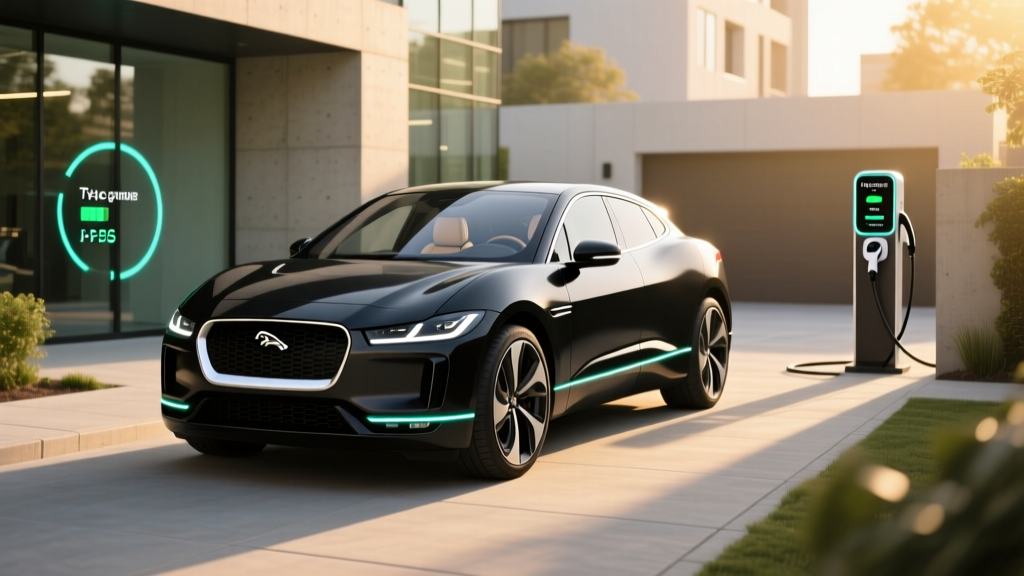
If you're researching a Jaguar electric car right now, here's what matters: The Jaguar I-PACE remains the brand's only production EV available to US buyers, offering an EPA-estimated 246 miles of range, 90 kWh battery (84 kWh usable), and DC fast charging up to 100 kW. Pricing starts around $72,000 MSRP, though dealer discounts and the federal used-EV credit can significantly reduce that. Jaguar is simultaneously undergoing a full brand reinvention — its next-generation electric GT grand tourer (previewed as the Type 00 concept) is expected for the 2026 model year with a target range exceeding 400 miles and a price likely above $100,000. If you want a Jaguar EV today, the I-PACE is your option. If you can wait, the next-gen lineup promises a fundamentally different vehicle.
Jaguar I-PACE: The Current Jaguar Electric Car
The I-PACE launched as one of the first serious luxury electric SUVs from a legacy automaker, and it remains a compelling — if aging — option. Let's get into the numbers that actually matter for ownership.
| Specification | 2025/2026 Jaguar I-PACE |
|---|---|
| EPA Range | 246 miles |
| Real-World Range (highway/cold) | ~190–215 miles |
| Battery (total / usable) | 90 kWh / 84 kWh (NMC) |
| Drivetrain | Dual-motor AWD, 394 hp, 512 lb-ft |
| 0–60 mph | 4.5 seconds |
| Max DC Fast Charge Rate | 100 kW |
| 10–80% DC Charge Time | ~45 minutes |
| Level 2 (AC) Charge Rate | 11 kW (~25 mi/hr) |
| Efficiency | 76 MPGe combined / 44 kWh/100mi |
| Base MSRP | ~$72,000 (R-Dynamic S) |
| Battery/Powertrain Warranty | 8 years / 100,000 miles |
Real-World Range Reality Check
The I-PACE's EPA rating of 246 miles is measured under controlled conditions. In real-world highway driving at 70–75 mph, expect 200–220 miles in mild weather. In cold conditions (below 35°F), the NMC battery loses efficiency and cabin heating draws significant energy — plan for 175–200 miles of usable range. The I-PACE lacks a heat pump (a notable omission for a luxury EV), which means resistive heating further cuts winter range. On road trips, budget for charging stops every 170–190 miles to stay comfortable.
Charging the I-PACE: What You'll Actually Experience
The I-PACE's 100 kW peak DC fast-charge rate is the most significant ownership limitation in 2026. Competitors like the BMW iX (up to 195 kW), Genesis Electrified GV70 (up to 240 kW), and Tesla Model X (up to 250 kW) charge roughly twice as fast. Here's what that means in practice:
| Charging Level | Power | Speed (miles added per hour) | Typical Use Case |
|---|---|---|---|
| Level 1 (120V outlet) | ~1.4 kW | ~3–4 mi/hr | Emergency / overnight trickle |
| Level 2 (240V home) | 11 kW | ~25 mi/hr | Daily home charging (~9.5 hrs for full) |
| DC Fast Charge | 100 kW peak | ~150 mi/hr (at peak) | Road trips; 10–80% in ~45 min |
The charge curve matters more than the peak number. The I-PACE sustains roughly 80–100 kW up to about 50% State of Charge (SoC), then tapers progressively. From 80% to 100%, charging slows dramatically to protect the NMC battery cells. For road trips, the practical strategy is charging from 10–80% and moving on — not waiting for a full charge.
Home charging is essential for I-PACE ownership. A full Level 2 home installation (240V/48A circuit) typically costs $800–$2,500 including the charger and electrician labor, depending on panel proximity. Without home charging, relying solely on public DC fast chargers at the I-PACE's 100 kW rate becomes time-consuming and expensive.
Cost of Ownership: I-PACE vs Gas SUV vs Electric Rivals
The I-PACE sits in an awkward pricing position. At ~$72,000 MSRP, it exceeds the $80,000 MSRP cap for SUVs under the §30D federal tax credit — but only barely, and base trims may qualify depending on exact pricing and options. Let's break down the real five-year costs.
Federal EV Tax Credit (§30D) — 2026 Rules
- MSRP cap: $80,000 for SUVs (I-PACE base may qualify; loaded trims likely exceed)
- Income cap: $150K single / $300K joint modified AGI
- Battery sourcing: Critical minerals and battery components must meet phased-in domestic/free-trade requirements (Jaguar's supply chain compliance varies by model year — verify at IRS eligible vehicle list)
- Point-of-sale transfer: Eligible buyers can apply the credit as a down-payment reduction at the dealer
- Used EV credit (§25E): Up to $4,000 or 30% of sale price (whichever is less) on pre-owned I-PACE models priced under $25,000, with lower income caps ($75K single / $150K joint)
| 5-Year Cost Category | Jaguar I-PACE (EV) | BMW X5 xDrive40i (Gas) | BMW iX xDrive50 (EV Rival) |
|---|---|---|---|
| Purchase Price (MSRP) | ~$72,000 | ~$68,000 | ~$87,000 |
| Federal Tax Credit | Up to $7,500* | $0 | Up to $7,500* |
| Fuel/Energy (5 yrs, 60K mi) | ~$4,500** | ~$9,600 | ~$4,200** |
| Maintenance (5 yrs) | ~$2,800 | ~$5,500 | ~$3,000 |
| Insurance (5 yrs avg) | ~$14,000 | ~$10,500 | ~$13,500 |
| Estimated Depreciation | ~$32,000 | ~$28,000 | ~$38,000 |
| 5-Year Total Cost | ~$53,300 | ~$55,600 | ~$62,200 |
* Tax credit eligibility depends on MSRP, income, battery sourcing, and current IRS rules. Verify at irs.gov.
** Energy costs assume $0.16/kWh average for home charging; gas at $3.60/gal. Public DC fast charging costs 2–3× more.
The I-PACE's total cost of ownership is surprisingly competitive with its gas counterparts when you factor in fuel savings and lower maintenance (no oil changes, fewer brake replacements thanks to regenerative braking). However, insurance premiums run 20–35% higher than comparable gas SUVs, and depreciation has been steep — a significant concern for new buyers.
Jaguar's Electric Future: Type 00 and the GT Grand Tourer
Jaguar is in the middle of the most radical brand transformation in the luxury auto industry. The company has announced it will become an all-electric brand, with an entirely new vehicle lineup built on a bespoke platform called JEA (Jaguar Electric Architecture).
The first product is a four-door GT grand tourer previewed by the Type 00 concept (unveiled late 2024). Based on announced specifications:
- Target range: 430+ miles (WLTP; expect ~380–400 miles EPA)
- Charging: 800V architecture enabling DC fast charging at 300+ kW
- Power: Expected 600+ hp with AWD
- Price: Positioned above $100,000, targeting Bentley/Porsche territory
- Availability: Expected late 2025 or 2026 model year
This is an announced/preliminary vehicle — final EPA range, pricing, and US availability are not confirmed. Jaguar has also paused I-PACE production in some markets as it transitions to the new lineup, which affects new inventory availability.
Common Misconceptions About the Jaguar Electric Car
| Myth | Fact |
|---|---|
| "The I-PACE gets 246 miles real-world." | EPA tests under controlled conditions. Highway driving at 75 mph yields ~200–220 miles; cold weather drops it to ~175–200 miles. |
| "EVs cost more to own than gas cars." | Over 5 years, the I-PACE's lower fuel and maintenance costs can offset its higher purchase price — but insurance and depreciation narrow the gap. |
| "I can charge at any public station quickly." | The I-PACE peaks at 100 kW. At a 350 kW Electrify America station, it still charges at only 100 kW. Plan for ~45-minute stops, not 15-minute stops. |
| "Jaguar is going all-electric, so the I-PACE will be replaced soon." | Jaguar's new GT is a $100K+ vehicle in a different segment. The I-PACE may continue alongside it, or be replaced by a new electric SUV — nothing is confirmed for the US market. |
| "The $7,500 tax credit applies automatically." | Eligibility depends on MSRP cap, buyer income, and battery-sourcing rules that change annually. Many I-PACE configurations may not qualify in 2026. |
Decision Framework: Should You Buy a Jaguar Electric Car?
Choose the Jaguar I-PACE if:
- You want a distinctive, non-Tesla luxury EV with British design character and a premium interior
- You have reliable Level 2 home charging (the I-PACE's slower DC charging is manageable when most charging happens overnight at home)
- Your daily commute is under 150 miles round-trip, keeping you well within the real-world range
- You can negotiate a significant dealer discount off the ~$72,000 MSRP (2024–2025 models have seen $8,000–$15,000 discounts as Jaguar transitions its lineup)
- You value ride quality and cabin refinement over cutting-edge tech or charging speed
Look elsewhere if:
- You take frequent road trips and need fast 15–20 minute DC charging stops (consider the BMW iX, Genesis Electrified GV70, or Tesla Model X)
- You need 300+ miles of EPA range (the I-PACE falls short at 246 EPA, ~200 real-world highway)
- You want the latest driver-assistance technology — the I-PACE's ADAS suite is a generation behind rivals
- You're concerned about depreciation — Jaguar's EV resale values have been weak
- You lack home charging access and would rely primarily on public infrastructure
Wait for the new Jaguar GT if:
- Your budget extends above $100,000 and you want a next-gen electric grand tourer
- You want 800V architecture with 300+ kW charging capability
- You can delay your purchase 12–18 months for final US specs and availability
What First-Time EV Buyers Should Know About the I-PACE
If the I-PACE is your entry into electric ownership, prepare for a few realities that spec sheets don't convey:
Home charging changes everything. Installing a Level 2 charger (240V, 48A) at home means starting every morning with a full battery. A typical overnight session (10 hours) adds roughly 250 miles — more than the I-PACE's full capacity. Budget $800–$2,500 for a quality Level 2 unit plus electrician installation. If your home has a 100A electrical panel, you may need a $1,500–$3,000 panel upgrade to support a 48A circuit. Always consult a licensed electrician for final specifications.
Public charging reliability varies wildly. According to J.D. Power's EV charging studies, public DC fast-charger uptime and payment reliability remain inconsistent. The I-PACE uses the CCS1 connector (not NACS/Tesla), giving you access to Electrify America, EVgo, and ChargePoint networks. Keep multiple charging apps on your phone and always have a backup station planned on road trips.
Battery degradation is real but manageable. The I-PACE's 90 kWh NMC battery will lose capacity over time. Expect roughly 8–12% degradation over 5 years / 60,000 miles based on industry averages for liquid-cooled NMC packs. Jaguar's battery warranty covers defects and capacity below a specified threshold for 8 years or 100,000 miles. To maximize longevity, avoid routinely charging to 100% or depleting below 10% — the 20–80% daily window is ideal for NMC chemistry.
Insurance costs more. EV insurance premiums average 20–35% higher than gas equivalents due to higher repair costs and battery replacement values. Get quotes before purchasing — some insurers offer EV-specific discounts.
Frequently Asked Questions
Is the Jaguar I-PACE still being sold new in 2026?
Jaguar has been transitioning its lineup, and I-PACE production and availability vary by market. In the US, remaining new inventory may be available through dealers, but Jaguar's focus is shifting to its next-generation electric GT. Check with local dealers for current stock and model-year availability.
Does the Jaguar I-PACE qualify for the $7,500 federal tax credit?
It depends. The §30D credit requires the vehicle's MSRP to be under $80,000 (SUV cap), the buyer's income to be under $150K (single) or $300K (joint), and the battery to meet critical-mineral and component sourcing thresholds. The I-PACE's base MSRP may fall under the cap, but options can push it over. Battery sourcing compliance has been inconsistent for Jaguar in recent years. Verify current eligibility on the IRS clean vehicle credit page before relying on the credit in your purchase decision.
How does the I-PACE compare to the Tesla Model X?
The Model X offers significantly more range (~335 miles EPA), faster DC charging (up to 250 kW, 10–80% in ~20 minutes), access to the Supercharger network, and a lower starting price. The I-PACE counters with superior ride quality, a more traditionally luxurious interior, and a quieter cabin. If range and charging speed are priorities, the Model X wins. If build quality and ride refinement matter more, the I-PACE has merit — at a higher cost per mile of range.
What is the I-PACE's towing capacity?
The I-PACE is rated to tow up to 1,653 pounds (750 kg) with a factory-installed tow hitch. That's adequate for a small utility trailer or bike rack but far below the Model X (5,000 lbs) or BMW iX (3,500+ lbs). Towing also reduces range by roughly 30–40%.
Should I buy a used I-PACE instead?
A used I-PACE can be a strong value proposition. Depreciation has been steep, meaning 2020–2023 models are available for $25,000–$40,000. If you find one priced under $25,000, the §25E used EV tax credit (up to $4,000 or 30% of sale price) may apply, subject to income caps of $75K single / $150K joint. Prioritize examples with documented battery health reports and remaining warranty coverage. Check fueleconomy.gov for official efficiency data by model year.
What connector does the I-PACE use?
The I-PACE uses the CCS1 (Combined Charging System) connector for both Level 2 AC and DC fast charging. It does not have NACS (Tesla's connector), so Supercharger access requires an adapter — and Jaguar has not officially confirmed NACS adapter compatibility for the I-PACE. Plan your road-trip charging around Electrify America, EVgo, and ChargePoint DC stations.