Defining Luxury in the EV Era
The question of whether Tesla qualifies as a luxury brand doesn't have a simple yes-or-no answer — it depends heavily on which model you're examining and how you define luxury itself. Traditional luxury automakers like Mercedes-Benz, BMW, and Audi emphasize materials quality, dealer experience, and brand heritage. Tesla takes a fundamentally different approach: software-centric innovation, minimalist interiors, direct-to-consumer sales, and performance-per-dollar that undercuts legacy luxury brands at similar price points.
As of 2026, Tesla's lineup spans from the relatively accessible Model 3 starting around $38,990 to the Model X Plaid cresting $100,000+. That pricing spread means some Tesla vehicles compete directly with premium mainstream brands (Toyota Camry, Honda Accord territory) while others sit squarely in Porsche/Mercedes EQS pricing brackets. Let's examine each current model through the lens of luxury positioning, specs, and real-world ownership.
Tesla Model 3 (2026): The Entry Point
The refreshed Model 3 continues as Tesla's volume sedan and the model most likely to draw cross-shoppers from BMW 3 Series, Audi A4, and Mercedes C-Class buyers. The 2026 Model 3 Long Range AWD starts at $47,490 (including destination), while the base Rear-Wheel Drive variant sits at $38,990.
| Spec | RWD | Long Range AWD |
|---|---|---|
| EPA Range | 272 miles | 363 miles |
| Battery (usable) | ~60 kWh (LFP) | ~75 kWh (NMC) |
| 0-60 mph | 5.8 sec | 4.2 sec |
| Horsepower | 271 hp | 346 hp |
| Max DC Charge | 170 kW | 250 kW |
| 10-80% DC Time | ~25 min | ~18 min |
| Level 2 (11.5 kW) | ~30 mi/hr | ~44 mi/hr |
| MPGe (combined) | 132 MPGe | 134 MPGe |
| Cargo (trunk + frunk) | 23 cu ft | 23 cu ft |
| Rear Legroom | 35.3 in | 35.3 in |
Real-World Range Reality: The Long Range AWD's EPA 363-mile sticker is impressive, but expect 290-320 miles on sustained highway driving at 70-80 mph. In sub-freezing temperatures (20-30°F), plan for 20-30% range reduction due to battery heating demands and cabin climate load. City driving with regen braking recovers closer to EPA figures.
The Model 3's interior quality improved noticeably with the 2024 refresh — ventilated front seats, ambient lighting, and acoustic glass bring it closer to entry-luxury expectations. However, the touchscreen-centric interface (no physical gauges or stalks) remains divisive among traditional luxury buyers accustomed to tactile controls.
Tesla Model Y (2026): The Volume Leader
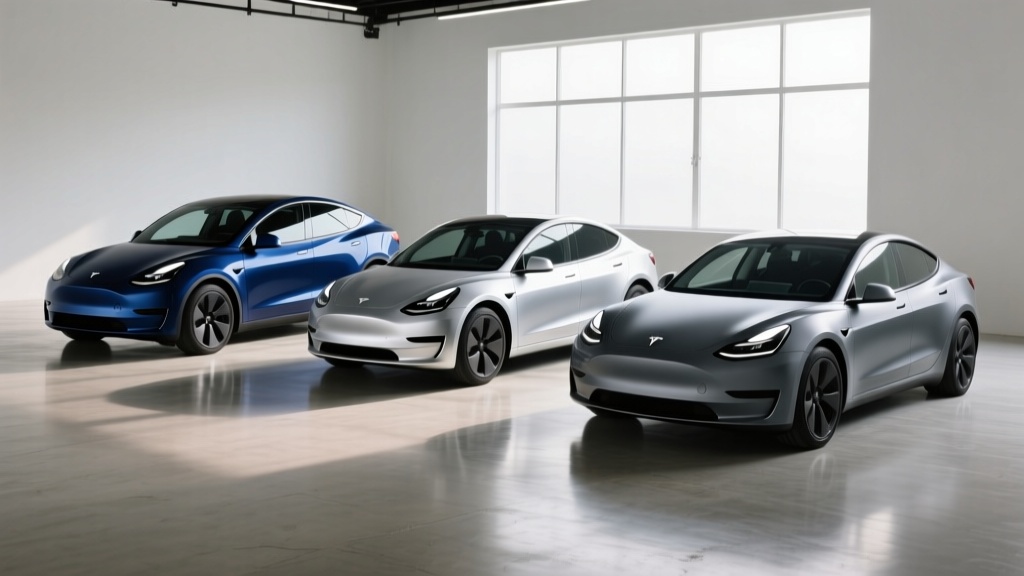
The Model Y crossover is Tesla's bestseller and competes with luxury compact SUVs like the BMW X3, Audi Q5, and Mercedes GLC — but at pricing that undercuts most of them. The 2026 Model Y Long Range AWD starts at $48,990, while the Performance variant hits $53,990.
| Spec | RWD | Long Range AWD | Performance |
|---|---|---|---|
| EPA Range | 260 miles | 330 miles | 293 miles |
| Battery (usable) | ~60 kWh (LFP) | ~75 kWh (NMC) | ~75 kWh (NMC) |
| 0-60 mph | 6.6 sec | 4.8 sec | 3.5 sec |
| Horsepower | 295 hp | 384 hp | 456 hp |
| Max DC Charge | 170 kW | 250 kW | 250 kW |
| 10-80% DC Time | ~25 min | ~18 min | ~18 min |
| MPGe (combined) | 123 MPGe | 122 MPGe | 115 MPGe |
| Cargo (behind 2nd row) | 30 cu ft | 30 cu ft | 30 cu ft |
| Cargo (max, seats folded) | 72 cu ft | 72 cu ft | 72 cu ft |
| Towing Capacity | 3,500 lb | 3,500 lb | 3,500 lb |
The Model Y's practicality is undeniable — hatchback utility, optional third-row seating (for small children), and a frunk add versatility that traditional luxury SUVs struggle to match. But interior materials still lag behind similarly priced Audi or BMW offerings. You're paying for technology and efficiency, not hand-stitched leather or open-pore wood trim.
Tesla Model S and Model X (2026): The Luxury Flagships
This is where Tesla's luxury credentials become less debatable. The Model S sedan and Model X SUV both start above $75,000 and compete directly with the Porsche Taycan, Mercedes EQS, and BMW iX. The Model S Plaid ($89,990) delivers 1,020 horsepower and a 2.0-second 0-60 time that embarrasses supercars costing three times as much.
| Spec | Model S LR | Model S Plaid | Model X LR | Model X Plaid |
|---|---|---|---|---|
| Base MSRP | $74,990 | $89,990 | $79,990 | $94,990 |
| EPA Range | 402 miles | 359 miles | 348 miles | 320 miles |
| Battery (usable) | ~95 kWh (NMC) | ~95 kWh (NMC) | ~95 kWh (NMC) | ~95 kWh (NMC) |
| 0-60 mph | 3.1 sec | 2.0 sec | 3.8 sec | 2.5 sec |
| Horsepower | 670 hp | 1,020 hp | 670 hp | 1,020 hp |
| Max DC Charge | 250 kW | 250 kW | 250 kW | 250 kW |
| 10-80% DC Time | ~22 min | ~22 min | ~25 min | ~25 min |
| MPGe (combined) | 120 MPGe | 116 MPGe | 109 MPGe | 105 MPGe |
| Seating | 5 passengers | 5 passengers | 5-7 passengers | 5-7 passengers |
| Cargo (max) | 28 cu ft | 28 cu ft | 88 cu ft | 88 cu ft |
The Model S and X feature air suspension, premium audio (22 speakers), genuine aluminum and wood interior accents, and rear-seat entertainment screens. These are legitimate luxury vehicles by any measure — the question is whether Tesla's direct-sales model and service-center experience meet buyer expectations at this price tier. Unlike Mercedes or BMW, there's no white-glove dealer experience, no loaner car guarantee, and service appointments can require weeks of waiting in some markets.
Federal Tax Credit Eligibility (§30D Rules for 2026)
Tax credit eligibility for Tesla vehicles in 2026 depends on a web of requirements under IRS §30D. The key constraints:
- MSRP Caps: Sedans (Model 3, Model S) must have MSRP ≤$55,000; SUVs/trucks (Model Y, Model X) must have MSRP ≤$80,000
- Buyer Income Limits: Modified AGI ≤$150,000 (single), ≤$225,000 (head of household), ≤$300,000 (married filing jointly)
- Battery Sourcing: Critical minerals and battery components must meet phased-in domestic/free-trade-partner sourcing requirements
- Point-of-Sale Transfer: Eligible buyers can transfer the credit to the dealer at purchase, reducing the purchase price directly
| Model | Base MSRP | Max §30D Credit | Effective Price (if eligible) |
|---|---|---|---|
| Model 3 RWD | $38,990 | $7,500 | $31,490 |
| Model 3 Long Range | $47,490 | $7,500 | $39,990 |
| Model Y Long Range | $48,990 | $7,500 | $41,490 |
| Model Y Performance | $53,990 | $7,500 | $46,490 |
| Model S Long Range | $74,990 | $0 (MSRP cap) | $74,990 |
| Model X Long Range | $79,990 | $7,500 | $72,490 |
Critical caveat: The Model S exceeds the $55,000 sedan MSRP cap and is ineligible for the federal credit regardless of buyer income. The Model X, classified as an SUV, remains under the $80,000 cap in Long Range trim. Battery sourcing requirements evolve annually — always verify current eligibility on the IRS clean vehicle credits page and confirm with your tax professional before purchasing.
Charging Infrastructure: Tesla's Enduring Advantage
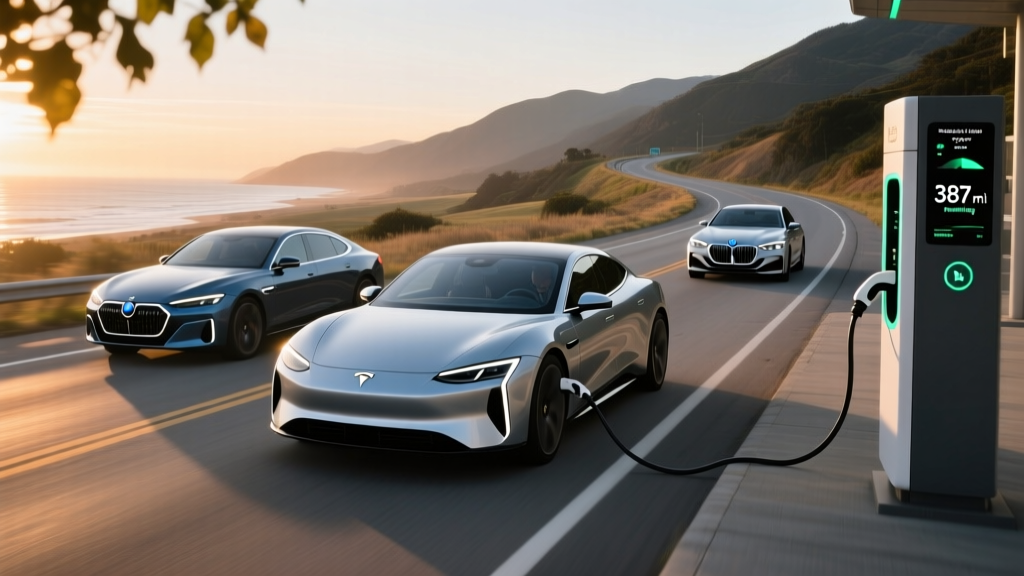
One area where Tesla unambiguously delivers a luxury-tier experience is charging. The Supercharger network remains the gold standard for reliability and coverage, with over 6,000 U.S. stations and 65,000+ individual chargers as of 2026. While legacy luxury EVs using CCS networks (Electrify America, EVgo) have improved dramatically, Tesla's plug-and-charge simplicity and real-time stall availability data still set the benchmark.
| Charging Level | Power (kW) | Miles Added per Hour | Use Case |
|---|---|---|---|
| Level 1 (120V household) | 1.4 kW | 3-5 miles | Emergency/overnight trickle |
| Level 2 (240V, 48A) | 11.5 kW | 30-44 miles | Home daily charging |
| DC Fast (Supercharger V3) | 250 kW peak | ~200 miles in 15 min | Road trips |
| DC Fast (V4 Supercharger) | 350 kW peak* | ~250 miles in 15 min | Newer deployments |
*V4 350 kW capability requires compatible vehicle architecture; 2026 Model 3/Y peak at 250 kW. Model S/X can utilize higher V4 rates.
Home charging installation costs vary widely. Expect $500-$1,500 for a straightforward NEMA 14-50 outlet installation near your electrical panel, or $1,500-$3,000+ for a hardwired Tesla Wall Connector with potential panel upgrades. Always get quotes from licensed electricians — older homes with 100-amp service may need a $2,000-$5,000 panel upgrade to support Level 2 charging safely.
Warranty Coverage and Long-Term Ownership
Tesla's warranty structure is competitive but not class-leading:
- Basic Vehicle: 4 years / 50,000 miles
- Battery & Drive Unit (Model 3/Y RWD): 8 years / 100,000 miles
- Battery & Drive Unit (Long Range/Performance/S/X): 8 years / 120,000 miles
- Battery Capacity Retention: Minimum 70% over warranty period
Compared to Hyundai/Kia's 10-year/100,000-mile battery warranty, Tesla's coverage is shorter. However, real-world data from Tesla's fleet reports suggests average battery degradation of ~12% after 200,000 miles — well within the 70% retention threshold. LFP batteries (Model 3/Y RWD) tolerate regular 100% charging better than NMC chemistry, which Tesla recommends charging to 80% daily for longevity.
Driver Assistance Technology: Autopilot and FSD
Tesla's Autopilot comes standard and includes adaptive cruise control, lane centering, and automatic emergency braking. Full Self-Driving (Supervised) capability adds $8,000 or $99/month and enables automatic lane changes, navigation-guided exits, and traffic light/stop sign recognition.
SAE Automation Level: Level 2
Despite the "Full Self-Driving" branding, FSD Supervised is a Level 2 driver-assistance system per SAE International standards. The driver must remain attentive, hands on or near the wheel, and ready to intervene at any moment. Tesla's camera-based approach lacks the lidar redundancy of Level 4 robotaxi services like Waymo. Never treat FSD as autonomous — you are the responsible driver at all times.
Whether FSD justifies its premium depends on your commute and tolerance for beta software. For highway-heavy drivers, the lane-change automation reduces fatigue. For urban driving with complex scenarios, the system still requires frequent interventions. Competitors like GM's Super Cruise and Ford's BlueCruise offer hands-off driving on mapped highways — a more limited but arguably more polished experience.
Pros and Cons: The Honest Assessment
Pros
- Class-leading efficiency (MPGe) across the lineup
- Supercharger network reliability and coverage
- Over-the-air updates add features post-purchase
- Strong performance-per-dollar (especially Model 3/Y)
- Low maintenance costs (no oil changes, minimal brake wear)
- Excellent cargo versatility (frunk + hatchback on Model Y/X)
Cons
- Interior materials lag behind similarly priced BMW/Mercedes/Audi
- Service center availability and wait times remain problematic
- Touchscreen-only interface frustrates traditional luxury buyers
- No Apple CarPlay or Android Auto integration
- Insurance costs 15-30% higher than comparable ICE vehicles
- Model S ineligible for federal tax credit (MSRP cap)
Who Should Buy a Tesla in 2026?
Choose Tesla if:
- You value technology, efficiency, and performance over traditional luxury materials
- You need reliable long-distance charging infrastructure for road trips
- You want over-the-air feature updates and cutting-edge software
- You're shopping Model 3/Y pricing and want luxury-EV performance at mainstream prices
- You have home charging access and can optimize off-peak electricity rates
Consider alternatives if:
- You prioritize dealership experience, loaner cars, and white-glove service
- You want physical controls, premium leather, and traditional luxury ambiance
- You need Apple CarPlay/Android Auto integration
- You're in a market with limited Tesla service center access
- You prefer established luxury brand heritage and resale predictability
The Verdict: Is Tesla a Luxury Brand?
Tesla occupies a unique position that defies traditional automotive categorization. The Model 3 and Model Y compete on technology and efficiency rather than luxury materials — they're premium products that punch above their price class in performance but below it in interior refinement. The Model S and Model X are legitimate luxury vehicles with pricing and capabilities to match, though the ownership experience differs markedly from legacy luxury brands.
If your definition of luxury centers on cutting-edge technology, instant torque, and the best charging network in North America, Tesla delivers. If luxury means hand-stitched leather, whisper-quiet cabins, and dealer pampering, you'll find the experience lacking. For many 2026 buyers, that trade-off is worth making — Tesla's sales volumes prove it. But go in with eyes open about what you're getting and what you're giving up.
What is the real-world range of Tesla vehicles?
EPA estimates vary from 260 miles (Model Y RWD) to 402 miles (Model S LR), but real-world highway driving typically yields 80-85% of EPA figures. Cold weather (below freezing) can reduce range 20-30% due to battery heating and cabin climate demands. Plan conservatively for road trips.
How fast do Teslas charge at home and on the road?
Home Level 2 charging (11.5 kW) adds 30-44 miles per hour depending on the model — sufficient for daily needs with overnight charging. DC fast charging peaks at 250 kW for most models, achieving 10-80% in 18-25 minutes. Charging slows significantly above 80% to protect battery health.
Does Tesla qualify for the $7,500 federal tax credit?
Model 3, Model Y, and Model X (Long Range) qualify if buyer income and battery sourcing requirements are met. Model S exceeds the $55,000 sedan MSRP cap and is ineligible. Always verify current rules on the IRS website before purchasing.
Is Tesla worth buying vs BMW, Mercedes, or Audi EVs?
Tesla wins on efficiency, charging infrastructure, and performance-per-dollar. Legacy luxury brands win on interior materials, dealer service experience, and traditional luxury amenities. Test-drive both and decide which definition of luxury matters more to you.
How reliable are Tesla batteries long-term?
Fleet data suggests ~12% average degradation after 200,000 miles. Tesla's 8-year/100,000-120,000-mile battery warranty guarantees minimum 70% capacity retention. LFP chemistry (Model 3/Y RWD) offers longer cycle life and tolerates 100% charging better than NMC.