Why the Tesla Sales Graph Still Matters in 2026
Search interest in the Tesla sales graph tends to spike every quarter, and for good reason: Tesla's delivery numbers remain the single best proxy for where the U.S. EV market is headed. But for a buyer, the macro chart is less useful than the micro picture — what the best-selling Tesla models actually deliver in range, charging speed, interior space, and total cost once the §30D federal credit is applied. This review translates the headline sales figures into the ownership numbers that matter: EPA miles, usable kWh, peak DC kW, real-world highway range, and the tax-credit math that determines whether a Model Y or Model 3 is the smarter buy in 2026.
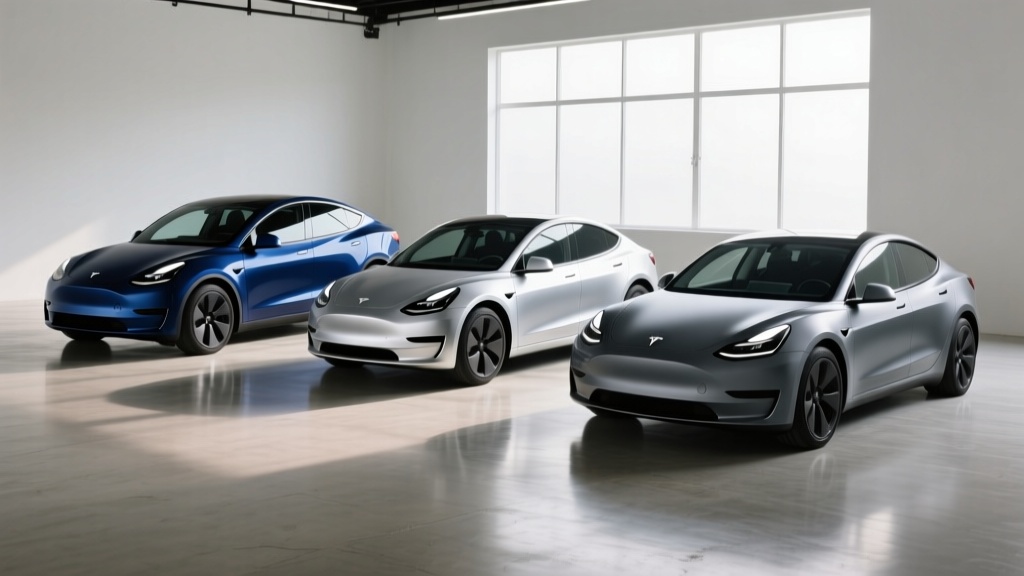
2026 Tesla Model Y: The Volume Leader Behind the Graph
The Model Y continues to anchor Tesla's U.S. deliveries. The 2026 Long Range AWD is the variant most buyers actually configure, and it's the one to benchmark against the Hyundai Ioniq 5, Ford Mustang Mach-E, and Kia EV9.
| Spec | Value |
|---|---|
| EPA Range | 320 miles |
| Battery (usable) | ~75 kWh, NMC |
| Drivetrain | Dual-motor AWD |
| Horsepower | ~384 hp combined |
| 0–60 mph | 4.8 sec |
| Peak DC Fast Charge | 250 kW |
| 10–80% DC Time | ~27 min |
| Level 2 (11.5 kW) | ~44 mi/hr |
| Efficiency | 122 MPGe / 28 kWh/100 mi |
| Cargo (rear seats up) | 30.2 cu ft |
| Cargo (rear seats folded) | 72.0 cu ft |
| Base MSRP | $44,990 |
| Battery Warranty | 8 yr / 120,000 mi |
2026 Tesla Model 3: The Entry Point Powering the Sales Curve
The refreshed Model 3 (Highland and its 2025–2026 iterations) is the more affordable lever on the Tesla sales graph. The Long Range RWD variant is the efficiency standout of the entire Tesla lineup.
| Spec | Value |
|---|---|
| EPA Range | 363 miles |
| Battery (usable) | ~75 kWh, NMC |
| Drivetrain | Rear-wheel drive |
| Horsepower | ~271 hp |
| 0–60 mph | 5.8 sec |
| Peak DC Fast Charge | 250 kW |
| 10–80% DC Time | ~25 min |
| Level 2 (11.5 kW) | ~46 mi/hr |
| Efficiency | 132 MPGe / 26 kWh/100 mi |
| Trunk + Frunk | 21.0 cu ft + 3.1 cu ft |
| Base MSRP | $42,490 |
| Battery Warranty | 8 yr / 120,000 mi |
The RWD Standard Range Model 3 uses an LFP (lithium iron phosphate) pack — heavier, slightly less range (~272 mi EPA), but far more tolerant of daily 100% charging and lower long-term degradation. If your commute is short and you want a car you can plug in every night without SoH anxiety, the LFP trim is the sleeper pick.
Charging Speed: DC Fast, Level 2, and the Supercharger Advantage
Charging is the hidden variable behind Tesla's delivery numbers. The Supercharger network — now open to NACS-equipped Fords, Rivians, and others — remains the most reliable DC network in the U.S., which is a meaningful ownership perk over CCS-dependent rivals.
| Level | Power | Miles Added | Notes |
|---|---|---|---|
| Level 1 (120V) | ~1.4 kW | ~3–4 mi/hr | Emergency / overnight trickle |
| Level 2 (240V, 48A) | 11.5 kW | ~44 mi/hr | Home Wall Connector, ~9 hr for full pack |
| DC Fast (V3 Supercharger) | Peak 250 kW | ~200 mi in 15 min | Tapers above 60% SoC |
| DC Fast (V4 Supercharger) | Peak 250–350 kW* | Model Y capped at 250 kW | Future vehicles will unlock higher rates |
*V4 cabinets can deliver 350+ kW, but the 2026 Model Y's pack architecture caps intake around 250 kW. Sustained rate from 10–80% averages closer to 160–180 kW — peak numbers are marketing headlines, averages fill the battery.
Pricing, Trims, and the §30D Federal Tax Credit Math
Every Tesla sale on that quarterly graph is filtered through the same §30D rules. The credit is not automatic: it depends on MSRP caps, buyer AGI, and battery-component/critical-mineral sourcing. Tesla has restructured supply chains to preserve eligibility, but the rules are strict.
| Model / Trim | MSRP | MSRP Cap | Max Credit | Effective Price |
|---|---|---|---|---|
| Model 3 RWD (LFP) | $38,990 | $55,000 (sedan) | $7,500 | ~$31,490 |
| Model 3 Long Range RWD | $42,490 | $55,000 (sedan) | $7,500 | ~$34,990 |
| Model Y Long Range AWD | $44,990 | $80,000 (SUV) | $7,500 | ~$37,490 |
| Model Y Performance | $48,990 | $80,000 (SUV) | $7,500 | ~$41,490 |
Eligibility caveats (per IRS §30D):
- Buyer AGI caps: $150k single / $225k HOH / $300k joint.
- MSRP caps: $55,000 for sedans (Model 3), $80,000 for SUVs/trucks (Model Y, Cybertruck).
- Battery components and critical minerals must meet annual sourcing thresholds that tighten each year.
- Credit can be transferred at point of sale as a down-payment reduction — no need to wait for tax filing.
Tesla's configurator shows credit eligibility per VIN at checkout. Always confirm on the IRS source, not a forum post.
Tech, Driver Assists, and SAE Level 2 Reality
Tesla's cabin is dominated by a 15.4-inch touchscreen (Model 3/Y) with no instrument cluster. Autopilot is standard; Full Self-Driving (Supervised) is a ~$8,000 option or subscription. Regardless of the name, FSD is SAE Level 2 — the driver must remain attentive, hands on the wheel, and legally liable at all times. This is not Level 4 robotaxi autonomy like Waymo; it's an advanced lane-keep + adaptive-cruise stack with city-street routing.
Standout tech includes the Tesla mobile app (remote preconditioning, location-based charging, Sentry Mode), over-the-air updates that meaningfully improve the car post-purchase, and native NACS access to the Supercharger network without an adapter — a real advantage over CCS rivals at Electrify America or EVgo.
Pros, Cons, and the Competitor Check
Pros
- Class-leading efficiency (kWh/100 mi) on both Model 3 and Model Y
- Supercharger network reliability — still the gold standard for road trips
- OTA updates keep the vehicle current years after purchase
- Strong §30D eligibility across most trims
- Excellent cargo volume (Model Y: 72 cu ft folded)
Cons
- No instrument cluster — all info on center screen
- Ride quality firm, especially on Performance trims with 21" wheels
- FSD (Supervised) is expensive and still Level 2, not autonomous
- Panel gaps and interior material quality lag Hyundai/Kia at this price
- Peak DC charge rate (250 kW) trails Ioniq 5's 800V architecture
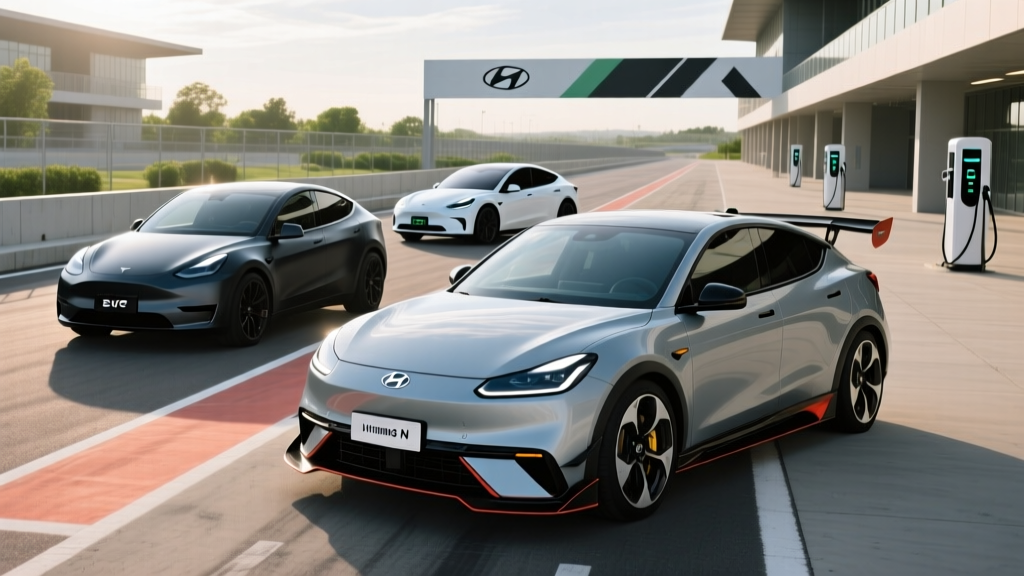
Against the Hyundai Ioniq 5 (320 mi, 800V / ~350 kW peak, 10–80% in ~18 min), Tesla wins on Supercharger access and efficiency but loses on DC charge speed. Against the Ford Mustang Mach-E, Tesla wins on range and charging network. Against the Kia EV9 three-row, the Model Y is smaller but far more efficient.
Who the 2026 Teslas Suit Best
- Commuters: Model 3 RWD (LFP) — low cost, daily 100% charging friendly, 272 mi EPA is plenty.
- Two-adult households with road-trip habits: Model Y Long Range AWD — cargo space, AWD, Supercharger reach.
- Efficiency-maximizers: Model 3 Long Range RWD — 363 mi EPA and 132 MPGe are the best in Tesla's lineup.
- Not ideal for: Buyers who want a traditional instrument cluster, three-row seating (wait for refreshed Model Y variants or look at EV9), or Level 4 autonomy (no consumer vehicle offers this yet).
Frequently Asked Questions
What is the real-world range of the 2026 Tesla Model Y?
EPA 320 miles. Expect ~270–285 miles on the highway at 75 mph in warm weather, and 220–240 miles in freezing temperatures with cabin heat.
How fast does a 2026 Tesla charge at home and on DC?
Home Level 2 at 11.5 kW adds ~44 mi/hr (full charge ~9 hours). On a V3 Supercharger, 10–80% takes ~27 minutes, with peak 250 kW tapering above 60% SoC.
Does the 2026 Model Y qualify for the $7,500 federal EV tax credit?
Yes, for buyers under the AGI caps ($300k joint / $150k single) and with the Model Y's $44,990 MSRP well under the $80,000 SUV cap. Confirm battery sourcing on Tesla's checkout page per IRS §30D rules.
Is Tesla still worth buying vs. Hyundai, Ford, or Kia in 2026?
For charging-network reliability and efficiency, yes. For DC charge speed, interior finish, and warranty length, Hyundai/Kia often edge it out. Test both before deciding.
Is FSD actually self-driving?
No. FSD (Supervised) is SAE Level 2. The driver must remain engaged. Only Waymo and Zoox operate Level 4 robotaxi services, and only in geofenced cities.
What's the battery warranty on a 2026 Model Y or Model 3?
8 years / 120,000 miles, with a minimum 70% capacity retention threshold over that period, per Tesla's official warranty documentation and fueleconomy.gov listings.