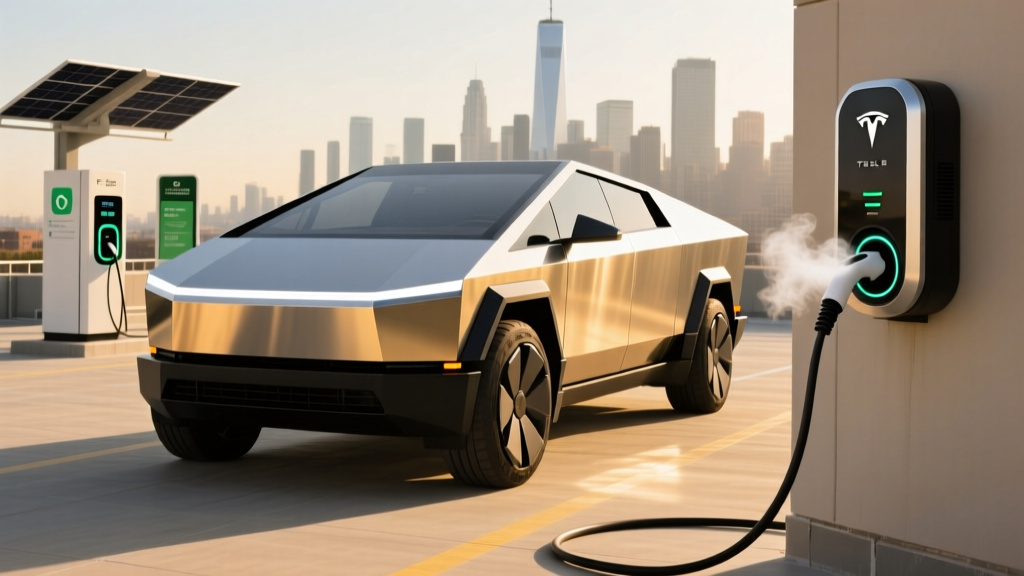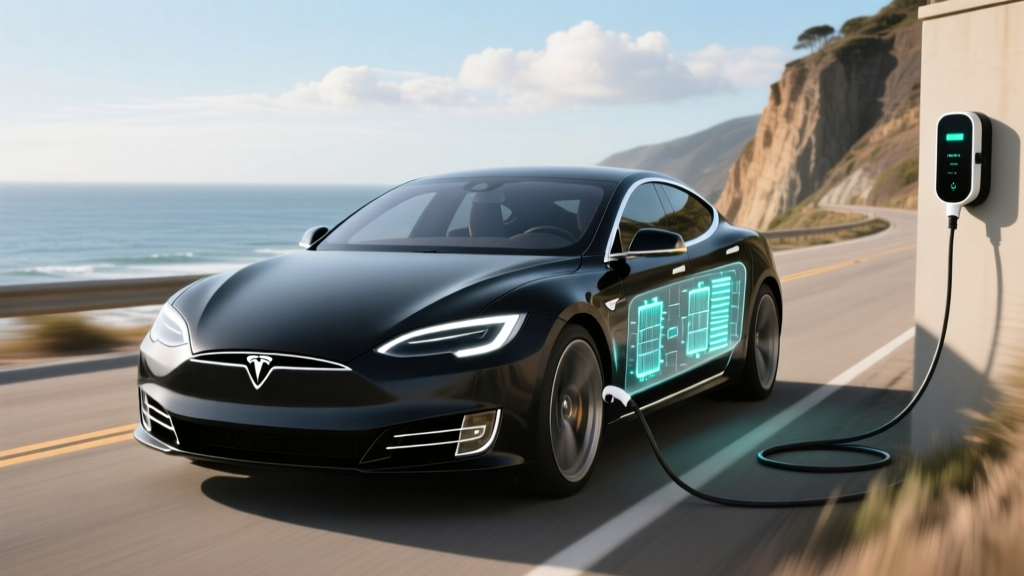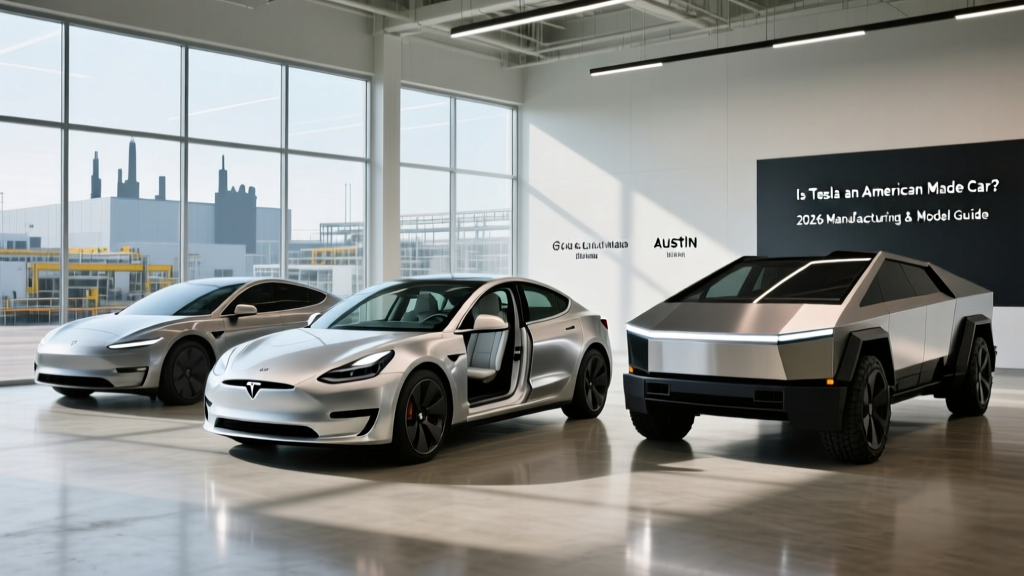
If you have ever asked is Tesla an American made car, the short answer is yes — but with important nuance. Tesla designs, engineers, and manufactures its vehicles in the United States, with major assembly plants in Fremont, California, and Austin, Texas. However, like every global automaker, Tesla sources components from a worldwide supply chain. Understanding where your Tesla is actually built, what that means for federal tax credits, and how each 2026 model stacks up on range, charging, and price is essential before you sign a purchase agreement.
Where Tesla Vehicles Are Actually Built
Tesla operates two U.S. vehicle assembly plants and two international Gigafactories that produce cars for sale:
- Gigafactory Texas (Austin): Model Y, Cybertruck, and the next-generation platform. This is Tesla's global headquarters since 2021.
- Fremont Factory (California): Model S, Model X, Model 3, and Model Y for western U.S. delivery.
- Gigafactory Shanghai (China): Model 3 and Model Y primarily for Asia and Europe, though some have reached Canadian and other markets.
- Gigafactory Berlin-Brandenburg (Germany): Model Y for European delivery.
For U.S. buyers, the vehicle you take delivery of will almost certainly have rolled off a line in Texas or California. The VIN's first character confirms this: 5YJ indicates U.S. manufacture. Tesla consistently ranks among the top automakers for American-made content according to the NHTSA American Automobile Labeling Act reports, with many models exceeding 60% U.S./Canadian parts content.
2026 Tesla Lineup: Quick Spec Comparison
Here is how the current 2026 Tesla lineup compares on the metrics that matter most to buyers. All figures reflect the latest EPA data and Tesla's official specifications.
| Spec | Model 3 LR AWD | Model Y LR AWD | Model S LR | Cybertruck AWD |
|---|---|---|---|---|
| EPA Range | 341 mi | 320 mi | 402 mi | 340 mi |
| Battery (usable) | ~75 kWh, NMC | ~75 kWh, NMC | ~100 kWh, NMC | ~123 kWh, NMC |
| 0-60 mph | 4.2 sec | 4.8 sec | 3.1 sec | 4.1 sec |
| Horsepower | 346 hp | 384 hp | 670 hp | 600 hp |
| Drivetrain | Dual-Motor AWD | Dual-Motor AWD | Dual-Motor AWD | Dual-Motor AWD |
| Base MSRP | $47,740 | $48,990 | $79,990 | $79,990 |
| Efficiency (MPGe) | 132 MPGe | 122 MPGe | 124 MPGe | 86 MPGe |
| Cargo (cu ft) | 23 cu ft (rear+frunk) | 76 cu ft (max) | 28 cu ft + frunk | ~120 cu ft (vault) |
Sources: fueleconomy.gov, Tesla.com official specs. Pricing as of early 2026; excludes destination fee.
Real-World Range: What the EPA Sticker Doesn't Tell You
Tesla's onboard range estimator is generally accurate once it learns your driving patterns, but new owners should plan trips using the EPA figure minus a 10-15% buffer for highway driving and a 20-30% buffer for cold-weather conditions. The Model S Long Range's 402-mile EPA rating is the highest of any current Tesla and one of the highest of any production EV, making it the clear choice for frequent road-trippers who want to minimize charging stops.
Charging Speed: Supercharger Network and Home Charging
Tesla's charging ecosystem remains its strongest competitive advantage. The Supercharger network now exceeds 60,000 connectors globally, with NACS (North American Charging Standard) adopted by nearly every major automaker for DC fast charging starting in 2025.
| Charging Level | Power | Speed (mi/hr added) | Notes |
|---|---|---|---|
| Level 1 (120V) | ~1.4 kW | 3-5 mi/hr | Emergency/trickle only |
| Level 2 (240V home) | 7.7-11.5 kW | 30-44 mi/hr | Wall Connector at 48A = ~44 mi/hr on Model 3/Y |
| DC Fast (V3 Supercharger) | Peak 250 kW | ~1,000 mi/hr peak | 10-80% in ~25-30 min (Model 3/Y) |
| DC Fast (V4 Supercharger) | Peak 350 kW | Faster ramp-up | Currently limited by vehicle-side acceptance rate |
Charging curve reality: Peak 250 kW on a V3 Supercharger is sustained only between approximately 10-40% State of Charge (SoC). Above 60%, the rate tapers significantly, and charging from 80-100% can take as long as 10-80%. For road trips, plan stops at 10-80% to minimize time at the charger. Tesla's navigation system automatically preconditions the battery when routing to a Supercharger, which is critical for achieving peak charge rates — arriving without preconditioning can cut your charge speed in half, especially in cold weather.
Federal Tax Credit: Does Tesla Qualify in 2026?
- Final assembly in North America: ✅ All U.S.-built Teslas qualify
- MSRP cap: Vans, SUVs, and trucks ≤ $80,000; sedans ≤ $55,000
- Buyer income cap (MAGI): $150K single / $225K head of household / $300K joint
- Battery component manufacturing: Must meet escalating domestic-content thresholds
- Critical minerals sourcing: Must meet escalating U.S./FTA-partner thresholds
- Point-of-sale transfer: Credit can be applied at purchase to reduce out-of-pocket cost
| Model / Trim | MSRP | Est. After $7,500 Credit | Credit Eligible? |
|---|---|---|---|
| Model 3 RWD | $38,990 | ~$31,490 | ✅ Yes (under $55K sedan cap) |
| Model 3 LR AWD | $47,740 | ~$40,240 | ✅ Yes (under $55K sedan cap) |
| Model Y LR AWD | $48,990 | ~$41,490 | ✅ Yes (SUV, under $80K cap) |
| Model S LR | $79,990 | $79,990 | ❌ Exceeds $55K sedan cap |
| Cybertruck AWD | $79,990 | ~$72,490 | ✅ Yes (truck, under $80K cap) |
Critical caveat: Battery sourcing and critical mineral requirements tighten annually. Tesla's LFP batteries (used in Model 3 RWD) have faced scrutiny due to Chinese-sourced cathode materials, which may disqualify the base Model 3 RWD from the full $7,500 credit depending on the specific production batch and current IRS guidance. Always verify eligibility on the IRS Clean Vehicle portal using your specific VIN before relying on the credit at point of sale. Consult a tax professional for your individual situation.
Pros, Cons, and Who Should Buy a Tesla
✅ Pros
- Supercharger network — the most reliable and extensive DC fast-charging network in North America
- Over-the-air updates continuously improve the vehicle post-purchase
- Industry-leading efficiency (kWh/100mi) translates to lower charging costs
- Strong resale value relative to most EV competitors
- Minimal maintenance — no oil changes, fewer brake replacements due to regen
- U.S. manufacturing supports domestic jobs and qualifies for §30D credit
❌ Cons
- Panel gaps and build consistency still lag legacy luxury automakers
- No Apple CarPlay or Android Auto — Tesla's proprietary infotainment only
- Phantom braking complaints with Autopilot remain a concern (NHTSA investigation ongoing)
- Insurance premiums run 20-40% higher than comparable ICE vehicles
- Service center wait times can stretch weeks in high-population areas
- FSD (Supervised) requires $8,000 extra and remains SAE Level 2 — not autonomous
- Choose Model 3 if: You want the most affordable entry point with excellent efficiency, commute under 50 miles daily, and have home Level 2 charging access.
- Choose Model Y if: You need family-friendly cargo space (76 cu ft with seats folded), qualify for the $7,500 credit, and want the best-selling EV in America.
- Choose Model S if: You need 400+ mile range for frequent road trips, value luxury sedan comfort, and the $80K price tag fits your budget (no tax credit).
- Choose Cybertruck if: You need truck utility (towing up to 11,000 lbs, bed vault storage) and want to make a statement — but accept that efficiency is the lowest in the lineup.
Warranty and Long-Term Ownership
Tesla's warranty structure is competitive but not class-leading:
- Basic vehicle warranty: 4 years / 50,000 miles
- Battery and drive unit warranty: 8 years / 100,000 miles (Model 3 RWD) or 8 years / 120,000 miles (Model 3 LR, Model Y, Model S, Model X)
- Capacity retention guarantee: Tesla warrants a minimum of 70% battery capacity retention over the warranty period
Real-world data from owners with 150,000+ miles suggests Tesla's NMC batteries typically retain 85-90% capacity at 100,000 miles, well above the warranty threshold. LFP batteries in the Model 3 RWD show even less degradation due to their chemistry, though they start with lower energy density. Battery replacement outside warranty currently costs $12,000-$16,000 depending on the model — a figure worth factoring into long-term ownership plans if you intend to keep the vehicle past 150,000 miles.
Frequently Asked Questions
Is Tesla an American made car?
Yes. Tesla vehicles sold in the U.S. are assembled in Fremont, California, or Austin, Texas. Tesla is headquartered in Austin and is an American company listed on NASDAQ. However, like all automakers, Tesla sources components globally — including battery cells from Panasonic (Japan/U.S.), CATL (China for LFP), and various suppliers across Asia and Europe.
Does Tesla qualify for the $7,500 federal tax credit?
Most models do, with conditions. The Model 3 RWD ($38,990), Model 3 LR ($47,740), Model Y LR ($48,990), and Cybertruck AWD ($79,990) fall under their respective MSRP caps and qualify if you meet income limits and battery-sourcing requirements. The Model S ($79,990) exceeds the $55,000 sedan cap and does not qualify. Always verify your specific VIN on the IRS portal before purchase.
What is the real-world range of the Tesla Model Y?
The EPA rates the Model Y Long Range AWD at 320 miles. In real-world highway driving at 70-75 mph, expect 270-290 miles. In freezing weather, that can drop to 220-250 miles. Plan road trips with a 15-20% buffer below the EPA number for safety.
How fast does a Tesla charge at home?
With a Tesla Wall Connector on a 60-amp circuit (48A continuous), the Model 3 and Model Y add approximately 44 miles of range per hour at 11.5 kW. A full charge from 10-80% takes roughly 5-6 hours overnight. Most owners charge daily to 80% and wake up with a full "tank" every morning.
Is Tesla Autopilot or FSD self-driving?
No. Both Autopilot and Full Self-Driving (Supervised) are SAE Level 2 driver-assistance systems. The driver must remain fully engaged, hands on or near the wheel, and eyes on the road at all times. Tesla's FSD is not autonomous — it is an advanced lane-keeping and adaptive cruise system that can navigate some intersections and highway ramps, but it makes errors and requires constant supervision. Only Waymo and similar robotaxi services operate at Level 4 (driverless in geofenced areas).
Is a Tesla worth buying vs. competitors?
For most buyers, the Model Y remains the benchmark EV crossover due to Supercharger access, efficiency, and strong resale value. However, the Hyundai Ioniq 5 offers faster 800V charging (10-80% in 18 minutes), the Ford Mustang Mach-E provides more traditional styling, and the BMW iX delivers superior luxury build quality. Test drive at least two competitors before committing — and verify your home charging setup before any EV purchase.