Quick Verdict: Is Polestar a Good Car?
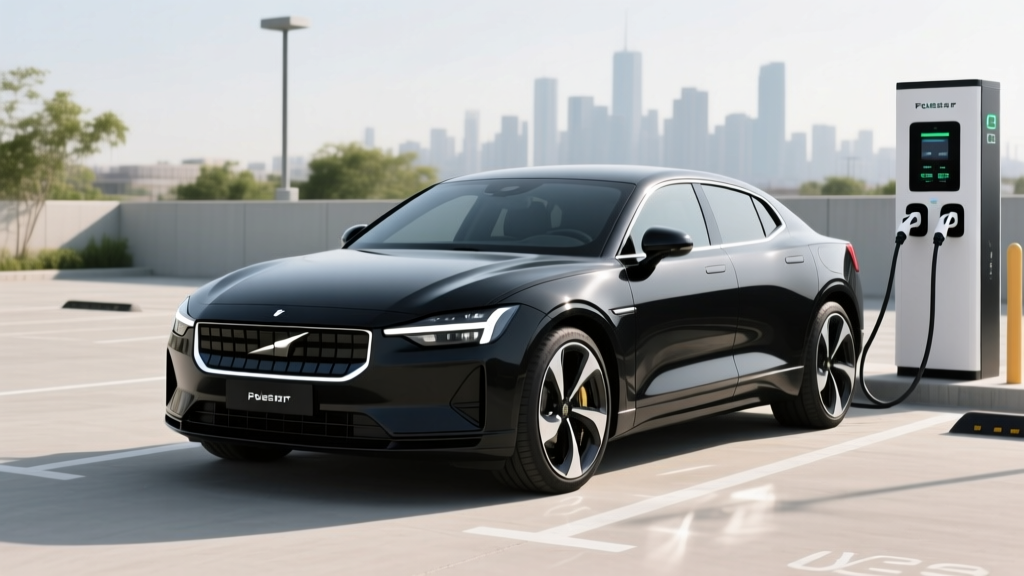
If you're asking "is Polestar a good car?" — the short answer is yes, but with caveats that matter depending on your priorities. The Polestar 2, the brand's volume-selling electric fastback, delivers Scandinavian design, engaging driving dynamics, and solid build quality. But in a 2026 EV market packed with longer-range rivals and aggressive pricing, the Polestar 2's value proposition requires a closer look at the numbers.
Polestar, originally a Volvo performance sub-brand spun off as an independent EV maker, positions itself as a premium alternative to Tesla. The 2026 Polestar 2 lineup includes Standard Range Single Motor, Long Range Single Motor, and Long Range Dual Motor variants, with pricing starting around $49,900 before incentives. It's a compelling car — if you prioritize design, handling, and Google-based tech over maximum range or cargo space.
2026 Polestar 2: Full Spec Breakdown
| Specification | Std Range Single Motor | Long Range Single Motor | Long Range Dual Motor |
|---|---|---|---|
| EPA Range | 276 mi | 320 mi | 298 mi |
| Battery (usable) | 69 kWh (LFP) | 82 kWh (NMC) | 82 kWh (NMC) |
| Horsepower | 299 hp | 299 hp | 421 hp |
| 0–60 mph | 5.9 sec | 5.9 sec | 4.2 sec |
| Drivetrain | RWD | RWD | AWD |
| Max DC Fast Charge | 135 kW | 205 kW | 205 kW |
| 10–80% DCFC Time | ~34 min | ~26 min | ~26 min |
| Level 2 Home Charge | 11 kW (~37 mi/hr) | 11 kW (~37 mi/hr) | 11 kW (~37 mi/hr) |
| EPA Efficiency | 107 MPGe | 111 MPGe | 100 MPGe |
| Base MSRP | $49,900 | $53,400 | $57,900 |
Source: EPA Fuel Economy, Polestar USA. Specs reflect 2026 model year.
Real-World Range: What the EPA Sticker Doesn't Tell You
EPA Estimate: 320 miles (Long Range Single Motor)
Real-World Expectation:
- Mixed driving (city/highway): ~280–300 miles
- Sustained 75+ mph highway: ~250–270 miles
- Cold weather (below 30°F): ~220–250 miles (20–30% reduction typical for NMC packs without aggressive preconditioning)
The Polestar 2 Long Range Single Motor carries an 82 kWh (usable) NMC lithium-ion battery. In our experience, the 320-mile EPA figure is achievable in moderate temperatures with mixed city/regenerative driving. Highway efficiency drops noticeably at speeds above 70 mph — the fastback shape helps aerodynamics but can't overcome physics entirely.
The Standard Range model uses a 69 kWh LFP (lithium iron phosphate) battery. LFP chemistry trades energy density for longevity and lower cost, meaning slightly less range but potentially slower long-term degradation. LFP packs can also be charged to 100% daily without the same degradation concerns as NMC — a practical advantage for commuters with home charging.
Charging Speed: DC Fast Charge and Home Setup
| Charging Method | Power (kW) | Speed / Notes |
|---|---|---|
| Level 1 (120V household) | ~1.4 kW | ~4 mi/hr — overnight trickle only |
| Level 2 (240V home) | 11 kW | ~37 mi/hr — full charge in ~7–8 hours |
| DC Fast Charge (Std Range) | 135 kW peak | 10–80% in ~34 min |
| DC Fast Charge (Long Range) | 205 kW peak | 10–80% in ~26 min |
The Long Range models' 205 kW peak DC fast-charging rate is competitive for the segment, though not class-leading. For context, Hyundai Ioniq 5 and Kia EV6 peak at ~240 kW on 800V architecture and can hit 10–80% in roughly 18 minutes. The Polestar 2 uses a 400V architecture, which limits peak charging speed compared to 800V rivals.
Charge curve reality: The 205 kW peak only holds roughly between 15–40% state of charge. After 60%, the rate tapers significantly — typical of NMC batteries protecting cell health. If you're road-tripping, plan stops around the 20–80% sweet spot for the fastest fill-ups. Preconditioning the battery (available via the navigation system when a charger is set as your destination) helps you hit peak rates faster in cold weather.
Home Level 2 charging at 11 kW is solid. A full overnight charge adds roughly 250+ miles — more than enough for daily driving. Installation of a 48-amp Level 2 home charger typically costs $800–$2,000 depending on your electrical panel's capacity and the run length from panel to garage. Always consult a licensed electrician for a site-specific quote.
Pricing, Tax Credits, and Total Value
| Trim | Base MSRP | Est. After §30D Credit* | As-Tested (w/ Pilot + Plus) |
|---|---|---|---|
| Standard Range Single Motor | $49,900 | ~$42,400 | ~$55,400 |
| Long Range Single Motor | $53,400 | ~$45,900 | ~$58,900 |
| Long Range Dual Motor | $57,900 | ~$50,400 | ~$63,400 |
*Estimated prices assume full $7,500 federal tax credit eligibility. Actual eligibility depends on multiple factors — see below.
Does the Polestar 2 Qualify for the Federal EV Tax Credit?
Under current IRS §30D rules, the Polestar 2 may qualify for up to $7,500 in federal tax credits, but eligibility is not guaranteed for every buyer. Key requirements:
- MSRP Cap: The Polestar 2 (classified as a sedan) must have an MSRP at or below $55,000. Base and Long Range Single Motor trims qualify; the Dual Motor with options may exceed the cap.
- Buyer Income Cap: Modified adjusted gross income must not exceed $150,000 (single), $225,000 (head of household), or $300,000 (joint).
- Battery Sourcing: The credit splits into two halves — $3,750 for critical minerals and $3,750 for battery component assembly, each with specific North American/free-trade-partner sourcing thresholds that tighten annually.
- Point-of-Sale Transfer: Eligible buyers can transfer the credit to the dealer at purchase for an upfront price reduction rather than waiting to claim it on their tax return.
Because battery sourcing rules evolve yearly, always verify current-year eligibility on the IRS website or with a tax professional before assuming the full $7,500 discount.
Driving Impressions, Tech, and Interior
The Polestar 2 drives like a premium European sport sedan — which makes sense given its Volvo/Geely underpinnings. The RWD Single Motor models deliver responsive, linear acceleration with 299 hp, while the 421 hp Dual Motor AWD variant pulls hard from any speed with a 4.2-second 0–60 time. The chassis is taut and communicative, with the optional Öhlins dampers (Performance Pack) adding genuine track-capable composure.
Infotainment and Driver Assists
Polestar was the first automaker to ship with Android Automotive OS natively, and the system has matured well. Google Maps navigation, Google Assistant voice control, and Play Store apps are built in — no phone projection required (though wireless Apple CarPlay is also available). The 11.2-inch portrait touchscreen is responsive, and the 12.3-inch digital driver display is clean and distraction-free.
The Pilot Pack adds Pilot Assist — a Level 2 driver-assistance system combining adaptive cruise control and lane centering. It's competent for highway use but requires continuous driver attention and hands-on-wheel input. This is not self-driving; it's a convenience feature on par with Toyota Safety Sense or Honda Sensing, not a Level 4 autonomous system.
Cargo and Passenger Space
The Polestar 2's fastback/liftback design provides practical cargo access, though volume trails dedicated crossovers:
- Cargo behind rear seats: 14.4 cu ft
- Cargo with rear seats folded: 40.5 cu ft
- Front trunk (frunk): 1.4 cu ft (enough for a charging cable kit)
- Rear legroom: 35.7 inches (adequate for adults, tighter than a Model Y)
If you regularly haul rear-seat passengers or bulky cargo, the Polestar 2's footprint will feel limiting compared to the Tesla Model Y or Hyundai Ioniq 5. It's a driver's car first, a family hauler second.
Warranty Coverage
Polestar provides competitive warranty coverage for the segment:
- Battery: 8 years / 100,000 miles (whichever comes first), with a capacity retention threshold of 70%
- Powertrain: 8 years / 100,000 miles
- Limited Vehicle Warranty: 4 years / 50,000 miles
- Roadside Assistance: 4 years / unlimited miles
The 70% battery capacity retention guarantee at 8 years/100k miles is standard for the industry. Real-world degradation data from early Polestar 2 owners suggests NMC packs lose roughly 8–12% capacity over the first 60,000 miles before the curve flattens — consistent with well-managed thermal systems.
Pros and Cons
Pros
- Sharp Scandinavian design with premium interior materials
- Engaging, sport-sedan driving dynamics (especially with Öhlins pack)
- Native Android Automotive with Google Maps is excellent for EV routing
- LFP option on Standard Range for daily-charge-to-100% flexibility
- Available point-of-sale federal tax credit transfer reduces upfront cost
- Strong build quality and Volvo-derived safety engineering
Cons
- Range (276–320 mi EPA) trails key rivals like Ioniq 6 (361 mi) and Model 3 Long Range (358 mi)
- DC fast charging (205 kW peak) slower than 800V competitors (~240 kW)
- Cramped rear seat and modest cargo volume for the price
- Service center network still thin outside major metros
- Options packages push price quickly above MSRP cap for tax credit
- No NACS (Tesla) connector native — requires adapter for Supercharger access
Is the Polestar 2 Worth It vs. Competitors?
Choose the Polestar 2 if:
- You want a design-forward EV that doesn't look like every other crossover
- You prioritize driving engagement and chassis feel over maximum cargo space
- You're a Google ecosystem user who values native Android Automotive
- You have reliable home charging and mostly drive under 250 miles per day
Look elsewhere if:
- You need 340+ miles of range for frequent road trips → Tesla Model 3 LR or Hyundai Ioniq 6
- You want the fastest DC charging for road-trip efficiency → Hyundai Ioniq 5 or Kia EV6 (800V architecture)
- You need spacious rear seats and cargo room for a family → Tesla Model Y or Hyundai Ioniq 5
- You want access to Tesla Superchargers without an adapter → Ford Mustang Mach-E or any NACS-native 2026 model
Who Is the Polestar 2 Best For?
The Polestar 2 is ideal for design-conscious commuters and driving enthusiasts who charge at home and don't regularly need maximum cargo or passenger space. It suits urban professionals, couples without small children, and anyone tired of the crossover-everything trend. If your daily commute is under 100 miles round-trip with occasional 200-mile weekend trips, the Long Range Single Motor hits a sweet spot of efficiency, range, and value — particularly after the federal tax credit.
It's less suited for large families, frequent long-distance road trippers in cold climates, or buyers who prioritize the lowest cost-per-mile of range above all else.
Frequently Asked Questions
What is the real-world range of the Polestar 2?
The Long Range Single Motor achieves an EPA-estimated 320 miles, but expect roughly 280–300 miles in mixed real-world driving, 250–270 miles on sustained highway trips, and 220–250 miles in cold weather below freezing.
How fast does the Polestar 2 charge?
Long Range models peak at 205 kW on DC fast chargers, reaching 10–80% in about 26 minutes. Standard Range models peak at 135 kW (10–80% in ~34 minutes). At home on Level 2 (240V, 11 kW), you'll add about 37 miles of range per hour.
Does the Polestar 2 qualify for the $7,500 federal EV tax credit?
It may, depending on your income, the specific trim's MSRP (must be ≤$55,000 for sedans), and current-year battery sourcing requirements. Verify eligibility at IRS.gov and consult a tax professional before purchasing.
Is Polestar reliable?
Polestar benefits from Volvo/Geely engineering and parts sharing, which supports reasonable reliability expectations. However, as a low-volume brand, Polestar's service network is less extensive than Tesla's or legacy automakers'. Check for a Polestar service center near you before buying.
Can the Polestar 2 use Tesla Superchargers?
The Polestar 2 ships with a CCS1 connector. As of 2026, Tesla has opened portions of its Supercharger network to CCS-equipped EVs via the Magic Dock adapter at select stations, and Polestar offers a NACS adapter for broader Supercharger access. Availability varies by station — check the Tesla app or Polestar's adapter program for details.
Is the Polestar 2 self-driving?
No. The available Pilot Assist is an SAE Level 2 driver-assistance system. It can manage steering, acceleration, and braking on highways, but the driver must remain fully attentive with hands on the wheel at all times.