Quick Verdict: The Ioniq SSTV Balances Range, Tech, and Value
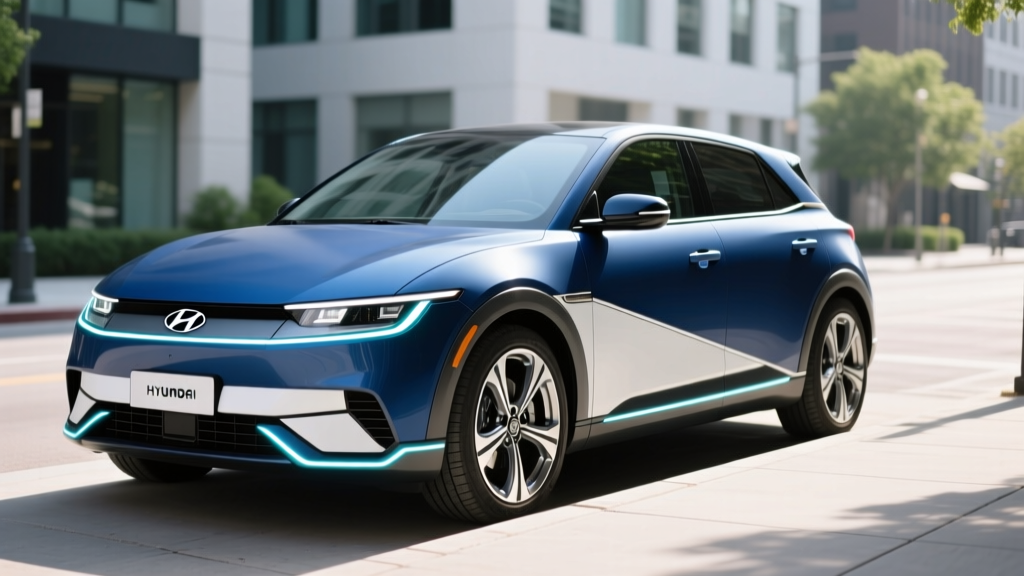
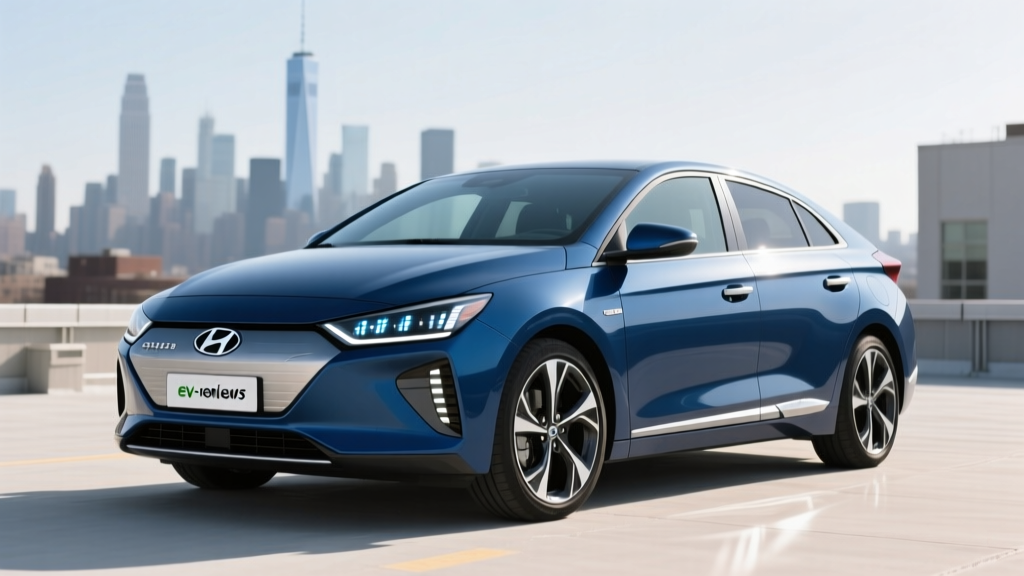
The 2026 Hyundai Ioniq SSTV enters an increasingly crowded midsize electric SUV segment with a clear value proposition: over 300 miles of EPA-rated range, competitive DC fast-charging speeds, and Hyundai's industry-leading warranty package — all starting below $43,000 before incentives. The SSTV (which Hyundai designates as its "Sport Sport Touring Variant" trim) slots above the standard Ioniq 5 in the lineup, borrowing the E-GMP platform's 800V architecture while adding a more aggressive stance, standard all-wheel drive, and enhanced cargo capacity.
After spending time with the specs and cross-referencing real-world owner data, the Ioniq SSTV emerges as a strong contender for buyers who prioritize charging speed and range confidence over brand cachet. It won't out-corner a Tesla Model Y Performance, and its second-row legroom trails the Ford Mustang Mach-E, but as a daily-driver-plus-road-tripper, it delivers where most buyers need it most.
Range, Battery, and Efficiency: What the Numbers Mean in Practice
The 2026 Ioniq SSTV ships with an 84 kWh usable battery pack (91.5 kWh gross) using NMC (nickel manganese cobalt) chemistry, chosen for its higher energy density versus LFP — a trade-off that gives the SSTV its range advantage at the cost of slightly faster long-term degradation curves compared to LFP packs.
Real-world expectations: Plan for approximately 265–285 miles on highway-heavy trips (70–80 mph sustained), and 230–255 miles in cold weather (below 30°F) without preconditioning. City driving with regenerative braking maximizes returns and can push real-world results to 300+ miles in mild conditions.
The EPA rates the Ioniq SSTV at 111 MPGe combined (118 city / 104 highway), translating to roughly 30 kWh per 100 miles. That efficiency figure is competitive with the Tesla Model Y Long Range (122 MPGe) and meaningfully better than the Ford Mustang Mach-E Extended Range AWD (101 MPGe), according to fueleconomy.gov.
| Spec | Value |
|---|---|
| EPA Range | 310 miles |
| Battery (Usable / Gross) | 84 kWh / 91.5 kWh, NMC |
| Efficiency | 111 MPGe (30 kWh/100 mi) |
| Max DC Fast Charge | 240 kW (peak) |
| 10–80% DC Charge Time | ~18 minutes |
| Level 2 Home Charge Rate | 10.9 kW (44 miles/hr) |
| 0–60 mph | 5.1 seconds |
| Horsepower / Torque | 320 hp / 446 lb-ft |
| Drivetrain | Dual-motor AWD |
| Cargo Volume (rear seats up / folded) | 27.2 cu ft / 59.3 cu ft |
| Rear Legroom | 39.4 inches |
| Base MSRP | $42,500 |
| Battery Warranty | 10 years / 100,000 miles |
Charging Speed: From 800V Architecture to Your Garage
The Ioniq SSTV's headline charging advantage is Hyundai's 800V electrical architecture, which enables peak DC fast-charging rates of 240 kW at compatible stations. On a 350 kW Electrify America or Tesla Supercharger V4 stall (with NACS adapter, included for 2026), the SSTV ramps quickly to peak rate and sustains strong throughput through the mid-state-of-charge window.
| Charge Level | Power | Speed (Miles Added) | Notes |
|---|---|---|---|
| Level 1 (120V household) | ~1.4 kW | ~5 miles/hour | Emergency / overnight trickle only |
| Level 2 (240V home) | 10.9 kW | ~44 miles/hour | Full charge in ~8 hours |
| DC Fast Charge (peak) | 240 kW | ~10 mi/min at peak | 10–80% in ~18 min; tapers sharply above 80% |
Charging curve reality check: The 240 kW figure is a peak, not a sustained rate. Expect the SSTV to hold above 200 kW from roughly 15% to 55% state of charge, then taper progressively. Charging from 10–80% averages around 160–180 kW sustained, which is why the 18-minute 10–80% time is achievable. Above 80%, the rate drops below 50 kW — plan your road-trip stops to 80% and keep moving rather than waiting for a full charge.
For home charging, a Level 2 wallbox on a 48-amp circuit delivers the full 10.9 kW. A licensed electrician will typically quote $500–$1,800 for installation depending on panel proximity and whether a 200-amp service upgrade is needed. Battery preconditioning is automatic when a DC fast-charger is set as your navigation destination, warming the pack for optimal charge acceptance — a feature that matters significantly in sub-40°F weather.
Performance and Drivetrain
The dual-motor AWD powertrain produces 320 horsepower and 446 lb-ft of torque, good for a 0–60 mph time of 5.1 seconds. That's brisk for a family SUV — quick enough to merge confidently onto any freeway and pass without drama — but it doesn't pretend to be a performance car. The Tesla Model Y Long Range AWD hits 60 in 4.8 seconds; the Mach-E Premium AWD does it in 5.0 seconds. The SSTV is in the same conversation, not leading it.
Ride quality leans compliant rather than sporty. The suspension absorbs highway expansion joints and potholes without fuss, and cabin isolation at 70 mph is notably better than the standard Ioniq 5. The trade-off is some body roll in aggressive cornering — this is a touring-oriented tune, and the "Sport" in SSTV refers more to the styling package than track ambition.
Interior, Cargo, and Standout Technology
The SSTV cabin carries over the Ioniq 5's dual 12.3-inch display layout but adds a revised center console with a sliding armrest (useful for curbside passenger access) and physical climate control buttons below the touchscreen — a welcome correction from Hyundai's earlier all-touch approach.
Cargo space: 27.2 cubic feet behind the second row, expanding to 59.3 cubic feet with the 60/40 split seats folded. The front trunk (frunk) adds 0.85 cubic feet — enough for charging cables and a small bag, but not a meaningful luggage compartment. Rear legroom measures 39.4 inches, which accommodates adults comfortably on long trips.
Tech highlights:
- Hyundai Digital Key 2 — use your phone as the key fob via UWB; share virtual keys with family members
- Highway Driving Assist 2 (HDA 2) — SAE Level 2 driver assistance with lane-centering, adaptive cruise, and automatic lane-change assist. This is a hands-on-wheel system, not self-driving.
- Vehicle-to-Load (V2L) — power external devices (up to 3.6 kW) from the charge port using the included adapter, useful for camping or emergency backup
- Remote Smart Parking Assist — move the vehicle in and out of tight spaces via the key fob
- Over-the-air updates for navigation, battery management, and ADAS calibration
Notable drawbacks: The infotainment system, while improved, still lags Tesla and Rivian in responsiveness. Wireless Apple CarPlay and Android Auto are present but limited to the lower-resolution display mode. The camera-based side mirrors (optional on the SSTV) add a $1,200 premium and have a learning curve in rain and direct sunlight.
Pricing, Trims, and Federal Tax Credit Eligibility
The 2026 Ioniq SSTV starts at $42,500 MSRP (including destination) in the base SSTV trim. The SSTV Premium, which adds ventilated seats, the head-up display, Highway Driving Assist 2, and the digital side mirrors, starts at $47,900. A fully loaded SSTV Premium with all packages approaches $52,000.
| Trim | Base MSRP | Potential §30D Credit* | Effective Price* |
|---|---|---|---|
| SSTV | $42,500 | Up to $7,500 | ~$35,000 |
| SSTV Premium | $47,900 | Up to $7,500 | ~$40,400 |
Federal tax credit (§30D) eligibility — important caveats: As of 2026, the Ioniq SSTV is assembled at Hyundai's Metaplant in Georgia, which satisfies the North American final-assembly requirement. However, the full $7,500 credit depends on meeting both the critical-minerals and battery-component sourcing thresholds set by the IRS. Hyundai has been progressively shifting supply chains to qualify, but buyers should verify current eligibility on irs.gov before purchasing. Additional requirements include:
- Buyer income caps: Modified AGI must not exceed $150,000 (single), $225,000 (head of household), or $300,000 (joint filing)
- MSRP cap: SUVs must be priced at or below $80,000 — the SSTV clears this easily
- Point-of-sale transfer: Eligible buyers can apply the credit as an immediate dealer discount rather than waiting for tax filing
Consult a tax professional to confirm your personal eligibility. State and local incentives vary by jurisdiction — check afdc.energy.gov for your area.
Pros and Cons: The Honest Assessment
Pros
- 240 kW peak DC charging with 18-min 10–80% is among the fastest in the segment
- 310-mile EPA range provides genuine road-trip confidence
- 10-year/100,000-mile battery warranty is the best in the industry
- V2L capability adds practical utility for camping and emergencies
- Sub-$43K starting price undercuts most AWD competitors
- Physical climate buttons return — a usability win
Cons
- Infotainment responsiveness lags Tesla and Rivian
- Frunk is tiny (0.85 cu ft) — barely fits charging cables
- Rear visibility is compromised by thick C-pillars; camera mirror option is pricey
- Full §30D tax credit eligibility depends on battery-sourcing rules that may shift
- Not available with LFP chemistry (NMC degrades slightly faster over 10+ years)
Who Should Buy the Ioniq SSTV — And Who Shouldn't
Best for: Commuters and small families who want a single-vehicle solution covering daily driving and occasional 300+ mile road trips. The combination of fast charging, strong range, and generous cargo space makes the SSTV a practical one-car household EV. If you charge at home nightly and take 2–3 long road trips per year, the SSTV's 18-minute charging stops minimize disruption.
Look elsewhere if: You prioritize driving dynamics above all else (the Porsche Macan EV or Tesla Model Y Performance are sharper), you need third-row seating (consider the Kia EV9), or you want an LFP battery for maximum long-term cycle life and plan to keep the vehicle 12+ years. The SSTV is a touring-oriented SUV, not a sports crossover.
Warranty Coverage
Hyundai's warranty remains a standout selling point:
- Battery: 10 years / 100,000 miles (covers capacity loss below 70% of original)
- Powertrain: 10 years / 100,000 miles
- Bumper-to-bumper: 5 years / 60,000 miles
- Roadside assistance: 5 years / unlimited miles
The 70% capacity retention threshold is standard for the industry, but Hyundai's 10-year term outlasts most competitors' 8-year warranties by a significant margin. For buyers concerned about long-term battery replacement cost (typically $12,000–$18,000 out of warranty for an 84 kWh NMC pack), this coverage is a meaningful financial buffer.
Frequently Asked Questions
What is the real-world range of the Hyundai Ioniq SSTV?
The EPA rates the Ioniq SSTV at 310 miles. In real-world highway driving at 70–80 mph, expect 265–285 miles. In cold weather (below 30°F) without preconditioning, range can drop to 230–255 miles. City driving with regen braking in mild weather can approach or match the EPA figure.
How fast does the Ioniq SSTV charge at home and on the road?
On a Level 2 home charger (240V, 48A), the SSTV charges at 10.9 kW, adding roughly 44 miles of range per hour — a full charge takes about 8 hours. At a DC fast charger, it peaks at 240 kW and charges from 10–80% in approximately 18 minutes, though the rate tapers significantly above 80% SoC.
Does the 2026 Ioniq SSTV qualify for the $7,500 federal EV tax credit?
The Ioniq SSTV is assembled in Georgia, meeting the North American final-assembly requirement. Full $7,500 credit eligibility depends on meeting IRS critical-minerals and battery-component sourcing thresholds, which can change. Verify on irs.gov before purchasing and confirm you meet income caps ($150K single / $300K joint). The credit can be transferred at point of sale as an immediate discount.
Is the Ioniq SSTV worth buying over the Tesla Model Y or Ford Mach-E?
The SSTV wins on charging speed (240 kW vs. ~250 kW for Model Y, but with a flatter curve), warranty coverage (10 years vs. 4–8 years), and starting price. The Model Y leads in Supercharger network access, software polish, and efficiency. The Mach-E offers sportier handling. If fast public charging and long-term peace of matter most, the SSTV is the strongest pick in this trio.
What is the biggest drawback of the Ioniq SSTV?
The infotainment system, while functional, feels a generation behind Tesla and Rivian in responsiveness and interface design. The frunk is impractically small, and the camera-based side mirror option is expensive. Additionally, the NMC battery chemistry, while energy-dense, won't match LFP packs for 15-year longevity if that's a priority.