Quick Verdict: The Ioniq 6 N Balances Track Thrills With Daily Range
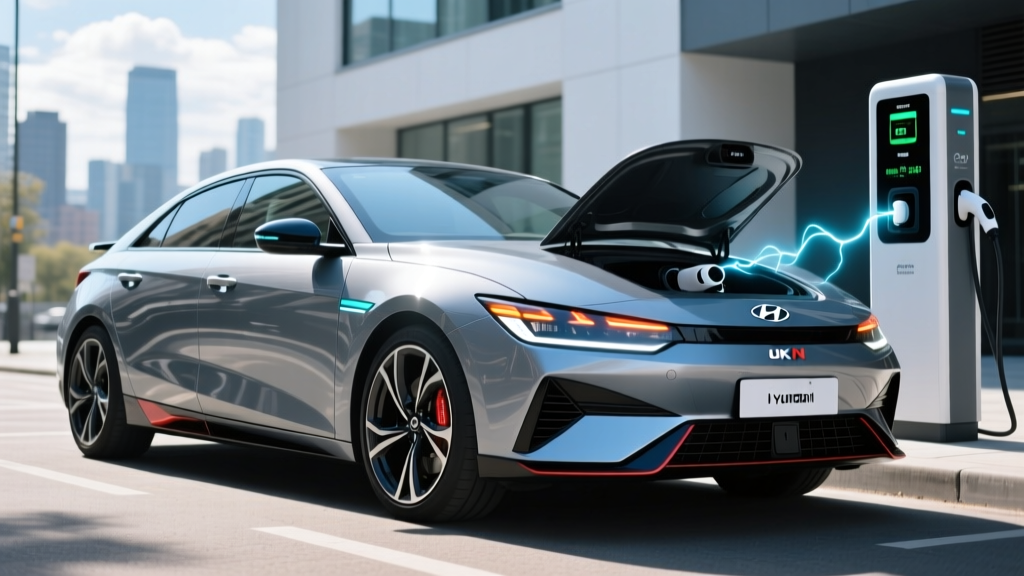
The Hyundai Ioniq 6 N arrives as a paradox: a 641-horsepower electric sport sedan that still delivers over 290 miles of EPA-estimated range. While the "UK" badge in search results typically references British-market availability and right-hand-drive configurations, the North American Ioniq 6 N shares the same 84 kWh battery pack, dual-motor all-wheel-drive powertrain, and N-tuned chassis that Hyundai's performance division developed for both enthusiast driving and daily commuting.
For buyers cross-shopping the Tesla Model 3 Performance, BMW i4 M50, and Porsche Taycan, the Ioniq 6 N undercuts on price while matching or exceeding key performance metrics. The 2026 model year brings minor software refinements to the N e-Shift simulated gear changes and an updated infotainment interface, but the core formula remains: a slippery aerodynamic sedan (0.21 Cd drag coefficient) that charges at up to 240 kW and hits 60 mph in 3.2 seconds.
Range, Efficiency & Real-World Expectations
Real-World Expectation: 240–270 miles at sustained highway speeds (70+ mph); 200–230 miles in cold weather (below 32°F) with cabin heating active.
The Ioniq 6 N uses an 84 kWh usable lithium-ion battery pack with NMC (nickel manganese cobalt) chemistry, chosen for its higher energy density and power delivery over LFP alternatives. The EPA rates the Ioniq 6 N at 94 MPGe combined (36 kWh/100 miles), which trails the standard Ioniq 6 SE Long Range (140 MPGe, 360-mile range) due to the N's stickier performance tires, heavier dual-motor setup, and more aggressive thermal management calibration.
In real-world highway driving at 75 mph, expect range to drop to roughly 240–270 miles. The N's performance-oriented drivetrain prioritizes instantaneous power delivery over efficiency optimization, and the 20-inch alloy wheels with Pirelli P Zero tires increase rolling resistance. Cold-weather range loss is typical for NMC packs: plan for 20–30% reduction when temperatures dip below freezing, especially if you're not preconditioning the battery before departure.
Charging Speed: 10-80% in 18 Minutes on DC Fast Chargers
| Charging Level | Power (kW) | Time / Rate | Connector |
|---|---|---|---|
| Level 1 (120V) | 1.4 kW | ~4 miles per hour | J1772 (NACS adapter included) |
| Level 2 (240V, 48A) | 10.9 kW | ~32 miles per hour; full charge in ~8.5 hours | J1772 / NACS |
| DC Fast Charge | 240 kW (peak) | 10–80% in ~18 minutes | CCS1 / NACS (Tesla Supercharger access) |
The Ioniq 6 N's 800-volt electrical architecture enables peak charging rates of 240 kW at compatible DC fast chargers (Electrify America 350 kW stations, Tesla Superchargers with NACS adapter). However, charging curves taper significantly above 80% state of charge to protect battery longevity. Expect the 80–100% top-off to add another 25–30 minutes.
For home charging, a Level 2 wallbox (48 amps, 11.5 kW) will fully replenish the 84 kWh pack overnight in roughly 8.5 hours. Hyundai includes a NACS adapter in the box for 2026 models, granting access to Tesla's Supercharger network—critical for road-trip charging reliability in regions where Electrify America or EVgo coverage is sparse.
Cold-weather charging note: Always precondition the battery via the Hyundai app or scheduled departure time before arriving at a DC fast charger. Without preconditioning, peak charge rates may be limited to 100–150 kW until the pack warms to optimal temperature (roughly 68–86°F).
Performance: 641 HP, 3.2-Second 0-60, N-Tuned AWD
| Metric | Value |
|---|---|
| Horsepower | 641 hp (with N Grin Boost) |
| Torque | 569 lb-ft |
| 0–60 mph | 3.2 seconds |
| Top Speed | 162 mph (electronically limited) |
| Drivetrain | Dual-motor AWD |
| Battery | 84 kWh usable, NMC |
The Ioniq 6 N's dual-motor all-wheel-drive system delivers 601 hp in standard mode, with an additional 40 hp available for 10-second bursts via N Grin Boost (activated by the red button on the steering wheel). The N division retuned the suspension with adaptive dampers, added a mechanical limited-slip differential simulation via torque vectoring, and stiffened the chassis with additional bracing.
The N e-Shift feature simulates an 8-speed dual-clutch transmission with tactile "shift shocks" and rev-matching on deceleration—a polarizing choice that some enthusiasts praise for engagement and others dismiss as unnecessary artifice. The N Active Sound+ system pipes synthetic engine and exhaust notes through the cabin speakers, with customizable profiles ranging from subdued EV hum to aggressive turbo-four growl.
Braking duties fall to 4-piston front calipers with 15.4-inch rotors, and regenerative braking offers four levels of intensity (including one-pedal driving at Level 3). Track-focused drivers will appreciate the N brake-by-wire system's consistency, though daily commuters may find the initial pedal bite overly aggressive compared to the standard Ioniq 6.
Pricing, Trims & Federal Tax Credit Eligibility
| Trim | Base MSRP | Destination | Total |
|---|---|---|---|
| Ioniq 6 N (single trim) | $68,000 | $1,295 | $69,295 |
The Ioniq 6 N is offered in a single, fully loaded trim with minimal options. The $68,000 MSRP includes the Performance Blue exterior paint (or six no-cost alternatives), N-specific 20-inch forged alloy wheels, Nappa leather and Alcantara sport seats, head-up display, and the full Hyundai SmartSense ADAS suite.
- MSRP Cap: Sedans must be under $55,000 — Ioniq 6 N at $68,000 does NOT qualify.
- Battery Sourcing: Even if MSRP-eligible, the Ioniq 6 N's battery cells (SK On, South Korea) and critical minerals must meet 2026 thresholds (80% critical minerals from US/FTA partners, 100% battery components manufactured/assembled in North America).
- Buyer Income Cap: AGI must not exceed $150,000 (single) / $300,000 (joint).
- Point-of-Sale Transfer: If eligible, the credit can be applied at purchase to reduce the transaction price.
Source: IRS §30D qualifying vehicles list. Eligibility rules change frequently; verify current status before purchase.
The Ioniq 6 N's $68,000 price tag exceeds the §30D sedan cap of $55,000, making it ineligible for the federal tax credit. Buyers seeking credit-eligible Hyundai EVs should consider the standard Ioniq 6 SE ($42,450) or Ioniq 5 ($42,975), both of which may qualify depending on battery sourcing and buyer income.
Interior, Cargo & Daily Practicality
The Ioniq 6 N's cabin prioritizes driver engagement over rear-seat comfort. Front sport seats are heavily bolstered with 12-way power adjustment, ventilation, and heating. The 12.3-inch digital cluster and 12.3-inch infotainment touchscreen share a single curved glass panel, running Hyundai's latest ccNC software with wireless Apple CarPlay and Android Auto.
| Measurement | Value |
|---|---|
| Front Legroom | 42.3 inches |
| Rear Legroom | 32.8 inches |
| Cargo Volume (trunk) | 12.3 cubic feet |
| Frunk (front trunk) | 1.6 cubic feet |
The sloping fastback roofline compromises rear headroom and visibility, and the 12.3 cubic-foot trunk is shallow compared to the Tesla Model 3's 23 cubic feet. The 1.6 cubic-foot frunk is barely large enough for a charging cable bag. This is a driver's car, not a family hauler—buyers needing cargo space should consider the Ioniq 5 or Kia EV6.
Warranty, Reliability & Ownership Costs
Hyundai backs the Ioniq 6 N with a 5-year/60,000-mile limited warranty and a 10-year/100,000-mile powertrain warranty that covers the battery pack against defects and capacity loss below 70% state of health. Hyundai's 10-year battery warranty is among the most generous in the industry, matching Kia and exceeding Tesla's 8-year/120,000-mile coverage.
Maintenance costs are minimal: no oil changes, no spark plugs, and brake pad life is extended by regenerative braking. Expect to replace cabin air filters annually and inspect brake fluid every two years. Insurance premiums for the Ioniq 6 N run 15–25% higher than the standard Ioniq 6 due to the N's performance classification and $68,000 replacement value.
Pros, Cons & Who Should Buy the Ioniq 6 N
- 641 hp and 3.2-second 0–60 rival Porsche Taycan GTS at half the price
- 290-mile EPA range is practical for daily commuting and moderate road trips
- 240 kW DC fast charging (10–80% in 18 minutes) minimizes road-trip downtime
- 10-year/100,000-mile battery warranty provides long-term peace of mind
- N e-Shift and Active Sound+ deliver engagement missing from most EVs
- $68,000 MSRP exceeds federal tax credit cap — no §30D eligibility
- 12.3 cubic-foot trunk and tight rear seat limit practicality vs. Model 3 or Ioniq 5
- Real-world highway range drops to 240–270 miles; cold weather reduces further
- N-tuned suspension is firm — daily drivers on rough roads will notice
- Synthetic engine sounds and simulated shifts polarize enthusiasts
Who the Ioniq 6 N suits best: Enthusiast drivers who want a daily-drivable electric sport sedan with track capability, 290-mile range for commuting, and don't need family-hauler cargo space. It's a strong alternative to the Tesla Model 3 Performance ($52,990, 315-mile range) if you prefer Hyundai's build quality and warranty, or the BMW i4 M50 ($67,795, 270-mile range) if you want more range and faster charging.
Who should look elsewhere: Buyers prioritizing cargo space (choose Ioniq 5 or Model 3), federal tax credit eligibility (standard Ioniq 6 SE or Model 3), or a compliant ride (Polestar 2 or standard Ioniq 6).
Frequently Asked Questions
What is the real-world range of the Hyundai Ioniq 6 N?
The EPA rates the Ioniq 6 N at 290 miles combined. In real-world highway driving at 70–75 mph, expect 240–270 miles. Cold weather (below 32°F) with cabin heating can reduce range to 200–230 miles. Preconditioning the battery and using seat heaters instead of cabin heat can mitigate some loss.
How fast does the Ioniq 6 N charge at home and on DC fast chargers?
On a Level 2 home charger (48 amps, 10.9 kW), the Ioniq 6 N gains roughly 32 miles per hour and fully charges in 8.5 hours. On a 240 kW DC fast charger, it charges from 10–80% in approximately 18 minutes, though rates taper significantly above 80%.
Does the Hyundai Ioniq 6 N qualify for the federal EV tax credit?
No. The Ioniq 6 N's $68,000 MSRP exceeds the §30D sedan cap of $55,000. Buyers seeking a credit-eligible Hyundai EV should consider the standard Ioniq 6 SE ($42,450) or Ioniq 5 ($42,975), subject to battery sourcing and income requirements.
Is the Ioniq 6 N worth buying vs. the Tesla Model 3 Performance?
The Ioniq 6 N costs $15,000 more than the Model 3 Performance ($52,990) but offers a more engaging driving experience with N e-Shift, adaptive dampers, and a 10-year battery warranty (vs. Tesla's 8-year). The Model 3 wins on range (315 miles), cargo space (23 cu ft), and tax credit eligibility. Choose the Ioniq 6 N for track-focused thrills; choose the Model 3 for value and practicality.
What's the difference between the Ioniq 6 N and the standard Ioniq 6?
The standard Ioniq 6 SE Long Range ($42,450) is a 225-hp, single-motor RWD sedan with 360 miles of range and 140 MPGe. The Ioniq 6 N ($68,000) is a 641-hp, dual-motor AWD performance variant with 290 miles of range, N-tuned suspension, and track-focused features. They share the basic platform but target entirely different buyers.