Quick Verdict: A Practical Crossover With Genuine Cargo Utility
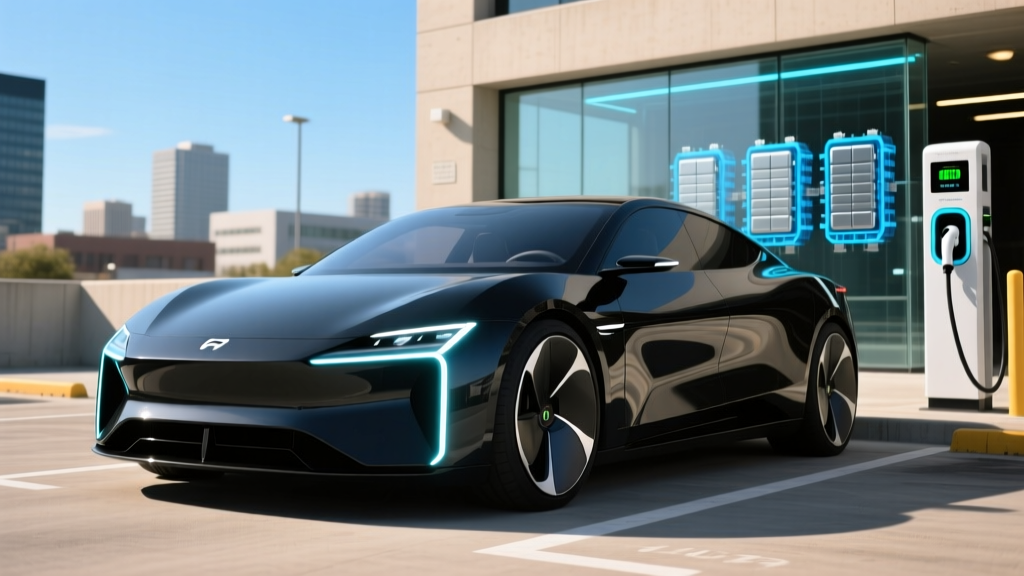
The Hyundai Ioniq 5 has anchored itself as one of the most well-rounded electric crossovers on the market, and the 2026 model year continues that trajectory. Buyers researching the Ioniq 5 often start with range and charging speed — and rightly so — but cargo practicality is where this EV either earns a spot in your garage or gets crossed off the list. With 27.2 cubic feet behind the second row and a flat-load floor that expands to 59.3 cubic feet when the rear seats fold, the Ioniq 5 offers legitimate utility for families, road-trippers, and anyone who regularly hauls gear. Add in an 800-volt architecture capable of 240 kW DC fast charging and an EPA range up to 303 miles, and you get a crossover that performs well beyond its price bracket.
But how does the trunk space actually function day-to-day? And does the rest of the package — real-world efficiency, charging infrastructure compatibility, and federal tax credit eligibility — hold up under scrutiny? This review breaks down every number that matters.
Ioniq 5 Trunk Space and Cargo Dimensions: What You Can Actually Fit
The headline number for the 2026 Hyundai Ioniq 5 trunk space is 27.2 cubic feet with all five seats in place. That measurement places it ahead of the Tesla Model Y's rear cargo area (roughly 26 cu ft behind the second row in non-freshened models) and well ahead of the Ford Mustang Mach-E's 29.7 cu ft — though the Mach-E's figure is slightly higher on paper due to a deeper well. Where the Ioniq 5 distinguishes itself is the shape and accessibility of that space.
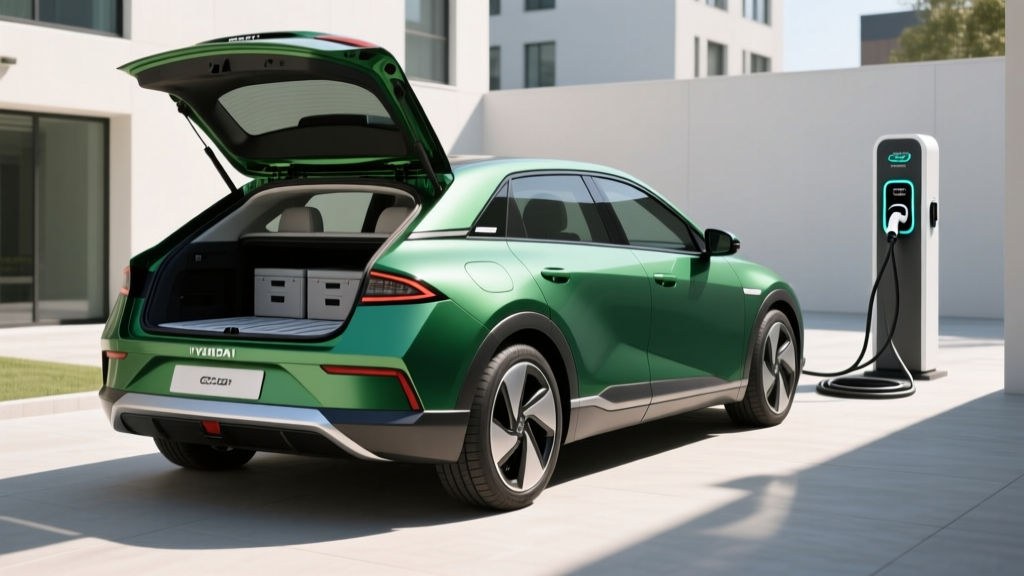
The load floor is flat and wide, with a low lift-over height that makes sliding in heavy items like strollers, coolers, or dog crates manageable without straining your back. The rear hatch opening is generous, and the 60/40 split-folding rear seats create a near-flat surface extending to 59.3 cubic feet of total volume. That is enough to accommodate two full-size mountain bikes with the front wheels removed, a week's worth of camping gear for a family of four, or roughly 15 standard carry-on suitcases stacked efficiently.
Frunk (Front Trunk) Capacity
AWD variants of the Ioniq 5 include a modest front trunk — roughly 0.85 cubic feet (24 liters) — suitable for a charging cable bag, a small emergency kit, or a couple of grocery bags. RWD models get a slightly larger frunk at approximately 2.0 cubic feet (57 liters) because there is no front motor to package around. Neither is class-leading (the Ford F-150 Lightning's frunk dwarfs everything), but it is useful supplemental storage.
Passenger Space Context
Cargo only matters if the cabin still works for people. The Ioniq 5's 118.1-inch wheelbase — longer than many midsize sedans — yields 41.7 inches of front legroom and 39.4 inches of rear legroom. Rear headroom sits at 38.7 inches. These are genuinely spacious dimensions, and the flat floor (no transmission tunnel) makes the middle rear seat viable for an adult on shorter trips.
| Measurement | Specification |
|---|---|
| Cargo behind 2nd row | 27.2 cu ft |
| Cargo, seats folded | 59.3 cu ft |
| Frunk (AWD) | 0.85 cu ft (24 L) |
| Frunk (RWD) | 2.0 cu ft (57 L) |
| Front legroom | 41.7 in |
| Rear legroom | 39.4 in |
| Rear headroom | 38.7 in |
| Wheelbase | 118.1 in |
Range, Battery, and Real-World Efficiency
The 2026 Ioniq 5 is available with two battery configurations across its trim lineup. The Standard Range model uses a 63 kWh battery pack, while the Long Range trims step up to an 84 kWh usable pack built with NMC (nickel manganese cobalt) chemistry. NMC offers higher energy density than LFP (lithium iron phosphate), which translates to more range in a lighter package — a trade-off Hyundai has favored for this platform to maximize EPA ratings and acceleration.
The Long Range RWD Ioniq 5 carries an EPA-estimated 303 miles of range. The AWD version drops to approximately 260 miles EPA. In real-world driving, expect the following:
- Mixed city/highway (65-75 mph): ~260-280 miles (Long Range RWD)
- Sustained highway (75+ mph): ~240-260 miles — aerodynamic drag is the enemy at speed
- Cold weather (below 32°F): ~200-230 miles — a 20-30% reduction is typical for NMC packs without aggressive preconditioning
These figures assume the heat pump (standard on most trims) is managing cabin temperature. Without it, cold-weather losses can be steeper. Source: fueleconomy.gov
Efficiency Numbers
The Long Range RWD achieves an EPA-rated 114 MPGe combined (roughly 29 kWh/100 miles). The AWD variant rates at approximately 101 MPGe combined (33 kWh/100 miles). These are competitive figures for the segment — the Model Y Long Range AWD sits in a similar band — and they translate to low per-mile electricity costs if you are charging primarily at home.
Charging Speed: 800-Volt Architecture Makes a Difference
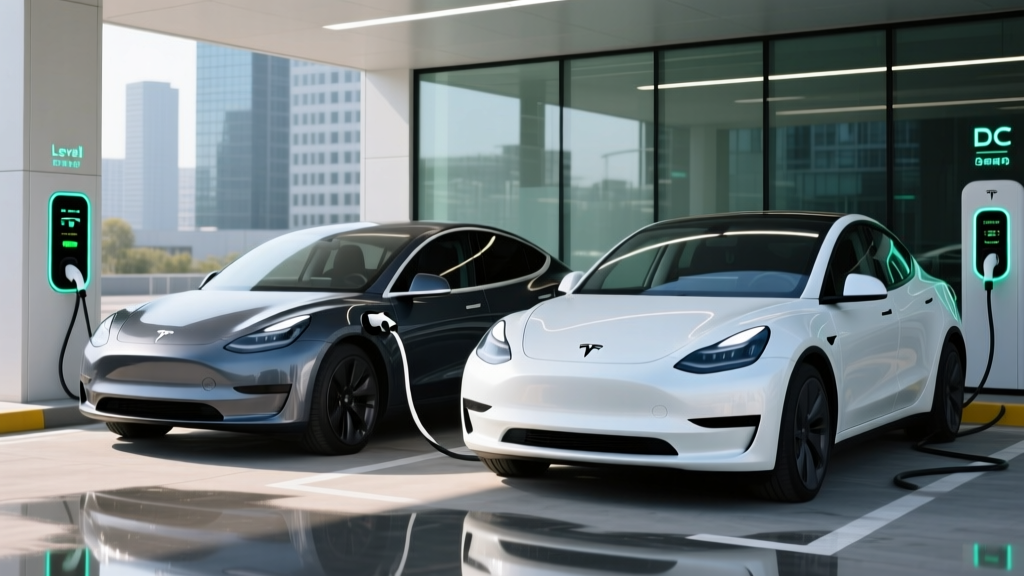
This is where the Ioniq 5 continues to punch above its weight. Hyundai's E-GMP platform uses an 800-volt electrical architecture, which allows significantly faster DC fast charging than the 400-volt systems found in many competitors. On a compatible 350 kW charger (such as those at Electrify America stations), the Long Range Ioniq 5 can accept a peak rate of 240 kW.
| Charging Level | Power / Rate | Time / Miles Added |
|---|---|---|
| Level 1 (120V household) | ~1.4 kW | ~3-4 miles per hour |
| Level 2 (240V home, 48A) | ~10.9 kW | ~32-36 miles per hour; full charge ~8.5 hrs |
| DC Fast Charge (peak) | 240 kW (peak) | 10-80% in ~18 minutes (ideal conditions) |
| DC Fast Charge (50 kW station) | 50 kW | 10-80% in ~65 minutes |
Charging curve reality: The 240 kW figure is a peak, not a sustained rate. In practice, the Ioniq 5 holds strong between 10-55% SoC, often sustaining 200+ kW, then tapers progressively through 80% and beyond. If you arrive at a charger at 10% SoC and charge to 80%, expect roughly 18 minutes on a 350 kW unit. On a 150 kW charger, the same session takes about 25-28 minutes. Battery preconditioning — activated when you navigate to a DC fast charger via the built-in navigation — is essential to hitting these numbers in cooler weather.
For home charging, a 48-amp Level 2 wallbox on a 240V/60A circuit adds roughly 32-36 miles of range per hour. An overnight charge from 20% to 100% takes approximately 8.5 hours — plug in at bedtime, wake up full. The NACS (Tesla Supercharger) port is now standard on the 2026 Ioniq 5, giving owners native access to Tesla's Supercharger network without an adapter. This is a significant practical advantage over CCS-only vehicles in areas where Supercharger coverage dominates.
Performance and Drivetrain
The 2026 Ioniq 5 offers three powertrain configurations:
- Standard Range RWD: 168 hp, single rear motor, 0-60 mph in ~7.5 seconds
- Long Range RWD: 225 hp, single rear motor, 0-60 mph in ~6.2 seconds
- Long Range AWD: 320 hp, dual-motor, 0-60 mph in ~4.5 seconds
The AWD model is genuinely quick — 320 horsepower and 446 lb-ft of torque make highway merging effortless and give the Ioniq 5 a planted feel in rain and light snow. The RWD variants prioritize efficiency and are more than adequate for daily commuting. All trims use a single-speed reduction gear (no traditional multi-speed transmission), and regenerative braking is adjustable via steering-wheel paddles — from aggressive one-pedal-style driving down to a coasting mode that mimics a gas car's freewheel feel.
Pricing, Trims, and Federal Tax Credit Eligibility
The 2026 Hyundai Ioniq 5 is offered across four primary trims. Pricing below reflects MSRP before destination charges:
| Trim | Drivetrain | MSRP (approx.) | Est. Price After §30D Credit |
|---|---|---|---|
| SE Standard Range | RWD | $42,600 | $35,100* |
| SE Long Range | RWD / AWD | $46,150 / $50,050 | $38,650 / $42,550* |
| SEL Long Range | RWD / AWD | $49,600 / $53,500 | $42,100 / $46,000* |
| Limited Long Range | AWD | $58,200 | $50,700* |
*Estimated price assumes full $7,500 federal tax credit applied at point of sale. Actual eligibility depends on buyer income, battery sourcing, and MSRP cap compliance. See IRS §30D rules below.
Federal Tax Credit (§30D) Eligibility
The Ioniq 5 is assembled at Hyundai's Metaplant in Ellabell, Georgia, which resolved earlier sourcing concerns that had disqualified some Hyundai/Kia models from the full credit. As of 2026, the Ioniq 5 qualifies for the full $7,500 federal tax credit under IRS §30D, which can now be transferred to the dealer at point of sale as an immediate purchase-price reduction. However, eligibility is subject to:
- Buyer income caps: Modified AGI must not exceed $150,000 (single), $225,000 (head of household), or $300,000 (joint filers)
- MSRP cap: The vehicle MSRP must not exceed $80,000 for SUVs/crossovers (all Ioniq 5 trims comply)
- Battery sourcing: Critical minerals and battery components must meet phased-in domestic/free-trade-partner thresholds per IRS guidance
Confirm your personal eligibility at irs.gov or consult a tax professional before relying on the credit in your purchase calculation. Rules can shift with regulatory updates.
Tech, Safety, and Driver Assistance
Hyundai equips the Ioniq 5 with a dual 12.3-inch display setup — one for the instrument cluster, one for infotainment — running Hyundai's latest connected navigation system with over-the-air updates. Wireless Apple CarPlay and Android Auto are standard. The center console slides fore and aft (a feature Hyundai calls the "Universal Island"), creating flexible storage between the front seats or enabling a walk-through to the rear in tight parking situations.
Driver Assistance (SAE Level 2)
The Ioniq 5 comes with Hyundai SmartSense, a suite of driver-assist features including adaptive cruise control with stop-and-go, lane-keeping assist, blind-spot monitoring, and rear cross-traffic collision avoidance. Higher trims add Highway Driving Assist 2 (HDA2), which combines adaptive cruise with lane-centering for hands-on-wheel highway driving.
Hyundai SmartSense and HDA2 are SAE Level 2 driver-assist systems. They require continuous driver engagement — hands on the wheel, eyes on the road. They are not autonomous and will not navigate complex urban environments, construction zones, or unmapped roads without active driver input. The Ioniq 5 does not offer a Level 3 or Level 4 system.
Safety ratings are strong: the Ioniq 5 earned a 5-star overall rating from NHTSA and a Top Safety Pick+ from IIHS in prior model years, with 2026 testing expected to maintain those results. (iihs.org, nhtsa.gov)
Who the Ioniq 5 Suits Best
The 2026 Ioniq 5 is ideal for:
- Two-adult households with occasional family hauling: The 27.2 cu ft trunk and generous rear legroom handle strollers, groceries, and road-trip luggage without compromise.
- Home-charging commuters: If you can install a Level 2 charger at home, the 84 kWh battery means most owners will charge once or twice per week for a 30-40 mile daily commute.
- Road-trippers who plan around charging: 18-minute DC fast-charge sessions and NACS Supercharger access make highway travel practical — though the 260-mile AWD real-world range means you will stop more often than in a 350+ mile EV.
It is less ideal for buyers who need three-row seating (look at the Ioniq 9 or Kia EV9), those who tow frequently (the Ioniq 5 is rated for only 1,650 lbs with AWD), or apartment dwellers with zero home or workplace charging access.
Pros
- 800V architecture delivers best-in-class DC fast charging (~18 min 10-80%)
- 27.2 cu ft trunk with flat, usable load floor and 59.3 cu ft max
- NACS port standard — native Supercharger access
- Strong safety ratings (NHTSA 5-star, IIHS TSP+)
- Qualifies for full $7,500 federal tax credit (point-of-sale transfer)
- Spacious rear seat with 39.4 inches of legroom
Cons
- AWD real-world range (~240 mi highway) lags some competitors
- Frunk is small (0.85 cu ft on AWD) — barely fits a charge cable bag
- No front trunk on some trims limits bonus storage
- Towing capacity limited to 1,650 lbs (AWD)
- Base price above $42k before credit — not a budget EV
- Rear wiper absent on earlier builds (check 2026 spec for update)
Warranty and Long-Term Ownership
Hyundai backs the Ioniq 5 with one of the strongest warranty packages in the segment:
- Battery: 10 years / 100,000 miles (capacity retention threshold: 70% of original capacity)
- Powertrain: 10 years / 100,000 miles
- New vehicle limited: 5 years / 60,000 miles
- Roadside assistance: 5 years / unlimited miles
- Complimentary maintenance: 3 years / 36,000 miles
The 10-year battery warranty is a genuine differentiator against competitors offering 8 years. Hyundai's NMC cells have demonstrated modest degradation in fleet data — most owners report 92-95% state of health after 50,000 miles, well within the warranty buffer.
Frequently Asked Questions
What is the real-world range of the 2026 Hyundai Ioniq 5?
The Long Range RWD model carries a 303-mile EPA estimate, but expect 260-280 miles in mixed real-world driving, 240-260 on sustained highway trips, and 200-230 in freezing temperatures. The AWD variant drops to roughly 220-240 miles real-world.
How fast does the Ioniq 5 charge at home and on the road?
On a 350 kW DC fast charger, the Ioniq 5 peaks at 240 kW and charges from 10-80% in approximately 18 minutes under ideal conditions. At home on a 48-amp Level 2 charger, it adds roughly 32-36 miles of range per hour, with a full charge taking about 8.5 hours.
How much does the Ioniq 5 cost after the federal tax credit?
The base SE Standard Range starts around $42,600 MSRP and drops to approximately $35,100 after the $7,500 §30D credit (if you meet income and sourcing requirements). The AWD Limited tops out near $58,200 MSRP, or about $50,700 after the credit.
Does the 2026 Ioniq 5 qualify for the $7,500 federal EV tax credit?
Yes — the Ioniq 5 is assembled in Georgia and currently qualifies for the full $7,500 credit under IRS §30D. The credit can be transferred to the dealer as a point-of-sale price reduction. Buyer income caps ($150K single / $300K joint) and battery-sourcing rules apply. Verify at irs.gov.
Is the Ioniq 5 worth buying vs. the Tesla Model Y or Ford Mustang Mach-E?
If fast charging and cargo versatility matter most, the Ioniq 5's 800V architecture and 27.2 cu ft trunk give it an edge. The Model Y offers a more mature Supercharger ecosystem (though the Ioniq 5 now has native NACS access) and slightly more total cargo volume with seats folded. The Mach-E is sportier to drive but trails in charging speed. The Ioniq 5 is the strongest all-around value for buyers prioritizing charge speed, interior space, and warranty coverage.
What is the Ioniq 5's towing capacity?
The AWD Ioniq 5 is rated for 1,650 lbs of towing — enough for a small utility trailer or a pair of dirt bikes, but not a camper or boat. RWD models are not rated for towing.