Quick Verdict: A Discontinued Bargain With Real Limitations
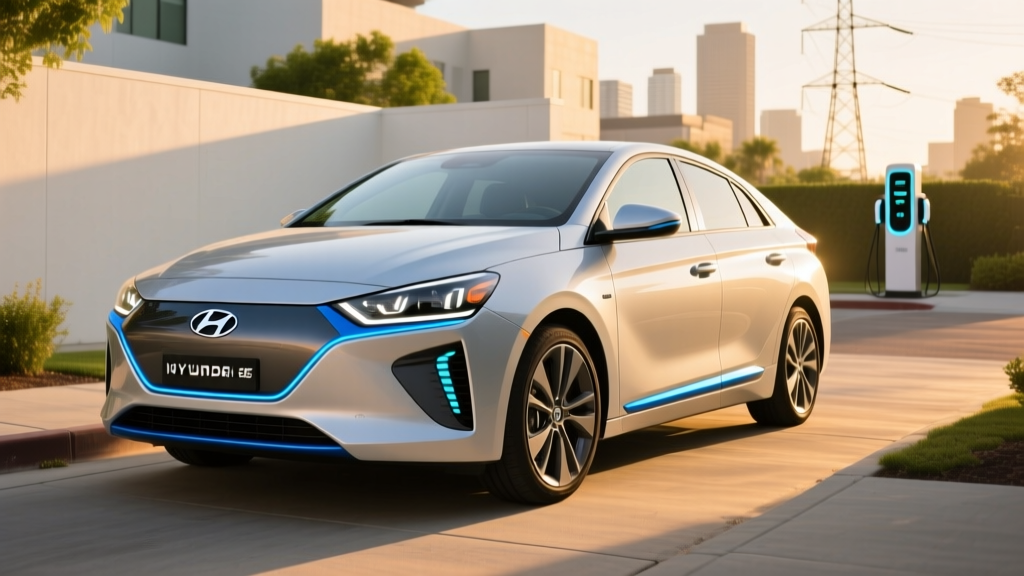
The 2020 Hyundai Ioniq Electric was quietly discontinued after the 2021 model year, replaced by the Ioniq 5 crossover. But if you are shopping the used EV market in 2026, the 2020 Ioniq Electric remains one of the most efficient battery-electric vehicles ever sold in the United States. With a 38.3 kWh battery, a 170-mile EPA range estimate, and best-in-class efficiency of 133 MPGe combined, it punches well above its original MSRP in terms of cost-per-mile. The catch? That range is modest by today's standards, DC fast charging tops out at a peak of roughly 44 kW, and you will be hunting for a well-maintained used example rather than ordering new.
This review covers every spec, real-world ownership insight, and tax-credit angle you need to decide whether the 2020 Ioniq Electric is the right used EV for your commute.
2020 Hyundai Ioniq Electric: Key Specifications at a Glance
| Spec | Value |
|---|---|
| EPA Range | 170 miles |
| Battery (usable) | 38.3 kWh, Lithium-ion polymer (NMC chemistry) |
| Efficiency | 133 MPGe combined / 25 kWh per 100 mi |
| Motor Output | 100 kW (134 hp), 218 lb-ft torque |
| Drivetrain | Front-wheel drive (single motor) |
| 0-60 mph | ~9.7 seconds |
| DC Fast Charge (peak) | ~44 kW (CCS1 connector) |
| 10-80% DCFC Time | ~54 minutes |
| Level 2 Onboard Charger | 7.2 kW (adds ~30 mi/hr) |
| Cargo Volume | 23.0 cu ft (rear seats up) / 55.0 cu ft (folded) |
| Rear Legroom | 35.2 inches |
| Battery/Powertrain Warranty | 10 years / 100,000 miles (original, transfers partially on resale) |
| Original Base MSRP (2020) | $33,045 (SE) / $36,815 (Limited) |
| Typical 2026 Used Price | $14,000–$20,000 depending on mileage and trim |
Range and Efficiency: 170 Miles EPA, But What Does the Real World Look Like?
Real-World Expectation: ~140–155 miles on sustained highway driving at 70 mph; ~120–140 miles in freezing temperatures (below 32°F) due to cabin heating demand and increased battery internal resistance. City/regenerative driving in mild weather can match or slightly exceed the 170-mile sticker.
The 2020 Ioniq Electric's 170-mile EPA figure was a significant upgrade over the 2017–2019 model's 124-mile rating, thanks to the larger 38.3 kWh battery pack (up from 28 kWh). According to fueleconomy.gov, the Ioniq Electric achieves 133 MPGe combined — making it one of the most energy-efficient EVs ever rated by the EPA, rivaling the Tesla Model 3 Standard Range and surpassing the Nissan Leaf SV Plus (108 MPGe combined).
The NMC (nickel manganese cobalt) chemistry in the Ioniq's battery pack offers strong energy density for its era, but it is sensitive to extreme temperatures. In cold-weather testing, expect a 15–25% range reduction — meaning a 170-mile car can realistically deliver 120–145 miles on a frigid winter commute with the heater running. The Ioniq Electric lacks a heat pump (a resistive PTC heater handles cabin warmth), which is the primary culprit for winter range loss. If your daily round-trip commute is under 100 miles and you have home charging, this is manageable. If you regularly need 150+ miles in winter, look elsewhere.
On the positive side, the Ioniq's efficiency is outstanding: just 25 kWh per 100 miles means every kilowatt-hour goes further than in nearly any competing EV. This translates directly into lower charging costs whether you charge at home or on public networks.
Charging Speeds: DC Fast, Level 2, and Level 1 Breakdown
Charging speed is where the 2020 Ioniq Electric shows its age most clearly. By 2026 standards, its DC fast-charging capability is slow — but perfectly adequate for a commuter vehicle that charges primarily at home.
| Charging Level | Power (kW) | Connector | Speed / Time |
|---|---|---|---|
| Level 1 (120V household) | ~1.4 kW | J1772 | ~5 miles per hour of charging |
| Level 2 (240V home/public) | 7.2 kW | J1772 | ~30 miles per hour; full charge in ~6 hours |
| DC Fast Charge | Peak ~44 kW | CCS1 | 10–80% in ~54 minutes; 80–100% adds another ~40 min |
The charging-curve reality: The Ioniq Electric's DC fast-charging curve is relatively flat but low-powered. It peaks around 44 kW from roughly 10–60% state of charge, then tapers to around 20–25 kW above 80%. Unlike modern 800V-architecture EVs that peak at 200–350 kW and finish a 10–80% charge in 18 minutes, the Ioniq will keep you at a DC fast charger for nearly an hour to reach 80%. This makes it a poor road-trip vehicle but perfectly fine for daily use where you charge overnight on Level 2.
Home charging setup: The 7.2 kW onboard charger means a standard 240V / 32-amp Level 2 home station will replenish the 38.3 kWh battery in roughly six hours — easily enough for overnight charging. A NEMA 14-50 outlet installation typically costs $500–$1,500 depending on panel proximity and local electrical rates. Always have a licensed electrician evaluate your panel capacity before installation.
Connector note: The 2020 Ioniq uses the CCS1 (Combo) connector for DC fast charging and J1772 for Level 2. As the industry shifts to NACS (Tesla's connector standard), CCS1 chargers remain widely available at Electrify America, EVgo, and ChargePoint stations, and adapters are available if needed for future NACS-only infrastructure.
Performance and Driving Dynamics
The 2020 Ioniq Electric is not a performance EV. Its single front-mounted motor produces 100 kW (134 horsepower) and 218 lb-ft of torque, yielding a 0–60 mph time of approximately 9.7 seconds. That is adequate for merging and city driving but noticeably slower than competitors like the Chevrolet Bolt EV (0–60 in ~6.5 seconds with 200 hp).
Where the Ioniq excels is refinement. The electric powertrain is smooth and quiet, the regenerative braking system offers adjustable levels (including a near one-pedal driving mode via the steering-wheel paddles), and the low center of gravity from the floor-mounted battery pack gives it composed handling for a compact hatchback. Ride quality is firm but compliant, and the cabin remains impressively quiet at highway speeds.
The Ioniq Electric is front-wheel drive only — no AWD option exists. This is standard for the segment but worth noting if you deal with heavy snow regularly. Winter tires are recommended for cold-climate owners.
Interior, Cargo, and Technology
Inside, the 2020 Ioniq Electric presents a practical but dated cabin by 2026 standards. The SE trim features a 7-inch touchscreen with Apple CarPlay and Android Auto, while the Limited trim upgrades to a 10.25-inch display with built-in navigation. Both trims include a digital instrument cluster showing range, efficiency, and charge status.
Cargo space: 23.0 cubic feet behind the rear seats and 55.0 cubic feet with the 60/40 split rear seats folded. This is competitive with the Chevrolet Bolt EV (56.9 cu ft max) and generous for a compact hatchback. There is no front trunk (frunk) — the space is occupied by power electronics.
Passenger room: Front headroom is 39.1 inches, rear legroom is 35.2 inches. The rear seat accommodates two adults comfortably; the center position is tight. The sloping roofline slightly compromises rear headroom for taller passengers.
Driver assistance (ADAS): The 2020 Ioniq Electric comes equipped with Hyundai SmartSense, which includes:
- Forward Collision-Avoidance Assist with pedestrian detection
- Lane Keeping Assist and Lane Following Assist
- Blind-Spot Collision Warning (Limited trim)
- Rear Cross-Traffic Collision-Avoidance Assist (Limited trim)
- Adaptive Cruise Control with Stop & Go (Limited trim)
Important clarification: These are SAE Level 2 driver-assistance features — meaning the driver must remain fully engaged, with hands on the wheel and eyes on the road, at all times. This is not autonomous or self-driving capability.
Pricing, Tax Credits, and Total Cost of Ownership
Because the Ioniq Electric was discontinued after the 2021 model year, you cannot buy one new in 2026. The used-EV market is where this car lives now, and the economics are compelling.
| Cost Factor | Amount |
|---|---|
| Original MSRP (2020 SE) | $33,045 |
| Original MSRP (2020 Limited) | $36,815 |
| Typical 2026 Used Price (SE, 40k–60k mi) | $14,000–$17,000 |
| Typical 2026 Used Price (Limited, 30k–50k mi) | $17,000–$20,000 |
| Federal Used EV Tax Credit (§25E) | Up to $4,000 (30% of sale price, capped) |
| Estimated Price After §25E Credit | $10,000–$16,000 |
Federal tax credit details: As a used EV, the 2020 Ioniq Electric is eligible for the IRS §25E Used Clean Vehicle Credit, which provides 30% of the sale price, up to a maximum of $4,000. To qualify:
- The vehicle must be purchased from a licensed dealer (private-party sales do not qualify)
- The sale price must be $25,000 or less
- Buyer income caps: $75,000 single / $112,500 head of household / $150,000 married filing jointly (modified adjusted gross income)
- The vehicle must be at least two model years old (the 2020 model qualifies)
- The credit can be transferred to the dealer at the point of sale, reducing your purchase price directly
At a typical used price of $15,000, the 30% credit equals $4,000 (hitting the cap), potentially bringing your net cost to around $11,000. That is extraordinary value for a well-built electric hatchback. Consult a tax professional to confirm your personal eligibility.
Note on the §30D new-vehicle credit: The $7,500 federal tax credit for new EVs does not apply here, as the Ioniq Electric is no longer in production. The §25E used-vehicle credit is the relevant incentive.
Battery Longevity, Warranty, and Degradation
Hyundai originally backed the 2020 Ioniq Electric's battery pack with a 10-year / 100,000-mile warranty against defects and excessive capacity loss (below 70% state of health). This is one of the best battery warranties in the industry.
Warranty transfer on resale: When a Hyundai EV is sold as a used vehicle, the 10-year/100,000-mile powertrain and battery warranty typically reverts to a 5-year/60,000-mile limited powertrain warranty from the original in-service date, unless the vehicle was purchased as a Hyundai Certified Pre-Owned (CPO) unit. Check the specific warranty status with any dealer before purchasing.
Degradation data: Real-world owner reports and fleet data suggest the 38.3 kWh NMC pack in the 2020 Ioniq Electric holds up well. Typical degradation is approximately 5–8% over the first 60,000 miles, meaning a car that originally delivered 170 miles of range may show 155–162 miles after five to six years of use. This is within normal parameters for NMC chemistry with Hyundai's thermal management system, which uses active liquid cooling to keep cells within optimal temperature ranges.
Battery replacement cost: If the pack ever needs replacement out of warranty, expect a cost in the range of $8,000–$12,000 for the battery module plus labor, based on current Hyundai parts pricing. However, given the warranty coverage and observed degradation rates, most 2020 Ioniq Electrics should not require battery replacement within typical ownership periods.
Pros and Cons
- Best-in-class efficiency at 133 MPGe combined — lowest cost per mile in its segment
- Extremely affordable on the used market, especially after the $4,000 §25E tax credit
- Smooth, quiet ride with excellent build quality
- Practical hatchback cargo space (23.0 / 55.0 cu ft)
- Comprehensive Hyundai SmartSense driver-assist suite
- Strong battery warranty (originally 10 yr / 100k mi)
- Adjustable regen with near one-pedal driving capability
- 170-mile EPA range is limiting for road trips and long commutes
- Slow DC fast charging (~44 kW peak; 10–80% in ~54 min)
- No heat pump — significant winter range loss (15–25%)
- Discontinued — no new inventory, limited trim/color selection used
- Modest 134 hp; 0–60 in ~9.7 seconds is leisurely
- Dated infotainment compared to 2026 competitors
- CCS1 connector in a market shifting to NACS
Who Should Buy the 2020 Hyundai Ioniq Electric?
The 2020 Ioniq Electric is ideal for a specific buyer profile:
- Commuters with predictable routes: If your daily round-trip is under 100 miles and you charge at home, the 170-mile range is more than sufficient, and the efficiency will save you hundreds per year versus a gas car.
- Budget-conscious EV buyers: At $11,000–$16,000 after the used-EV tax credit, this is one of the cheapest ways to get into a reliable, well-built electric vehicle in 2026.
- Second-car households: As a dedicated commuter or errand-runner paired with a longer-range vehicle for road trips, the Ioniq Electric is hard to beat on running costs.
- Efficiency maximizers: If you pay for electricity by the kWh and want every electron to go as far as possible, the Ioniq's 25 kWh/100 mi is among the best ever recorded.
Who should skip it: Road-trip enthusiasts, single-car households needing 250+ miles of range, cold-climate drivers without garage parking, and anyone who needs fast DC charging for frequent public charging. For those use cases, consider a used Chevrolet Bolt EUV, Hyundai Ioniq 5, or Tesla Model 3.
Frequently Asked Questions
What is the real-world range of the 2020 Hyundai Ioniq Electric?
The EPA rates it at 170 miles combined. In real-world highway driving at 70 mph, expect 140–155 miles. In freezing weather with cabin heat, plan for 120–140 miles. City driving with regenerative braking in mild weather can match or slightly exceed the 170-mile sticker.
How fast does the 2020 Ioniq Electric charge?
On DC fast charging (CCS1), it peaks at roughly 44 kW, taking about 54 minutes from 10–80%. On a Level 2 home charger (240V, 7.2 kW), a full charge takes approximately 6 hours, adding about 30 miles of range per hour. Level 1 (120V) adds roughly 5 miles per hour.
Does the 2020 Ioniq Electric qualify for any federal tax credit?
It no longer qualifies for the §30D new-vehicle credit since it is discontinued. However, it is eligible for the IRS §25E Used Clean Vehicle Credit: 30% of the sale price up to $4,000, subject to buyer income caps ($75k single / $150k married) and a $25,000 maximum sale price. The vehicle must be purchased from a licensed dealer.
Is the 2020 Ioniq Electric worth buying vs. a used Chevrolet Bolt EV?
It depends on your priorities. The Bolt EV offers 259 miles of EPA range and faster DC charging (up to 55 kW), making it better for longer drives. The Ioniq Electric wins on efficiency (133 MPGe vs. 118 MPGe), ride refinement, and Hyundai's longer original battery warranty. If your commute is short and you value efficiency and build quality, the Ioniq is the pick. If you need range, choose the Bolt.
What happens if the battery degrades?
Hyundai's original battery warranty covers capacity loss below 70% state of health for 10 years / 100,000 miles. On a used 2020 model, check the remaining warranty coverage — it may have transferred at reduced terms. Real-world degradation data shows 5–8% loss over 60,000 miles, which is within normal expectations for NMC chemistry with active liquid cooling.
Can I charge the 2020 Ioniq Electric at Tesla Superchargers?
Not natively. The 2020 Ioniq uses a CCS1 connector. As Tesla opens Supercharger networks to non-Tesla EVs via the NACS standard, you may need a CCS-to-NACS adapter (available from third-party suppliers) to access some stations. Always verify connector compatibility before traveling.