What the Hyundai Ioniq 2 Electric Vehicle Concept Means for Budget EV Buyers
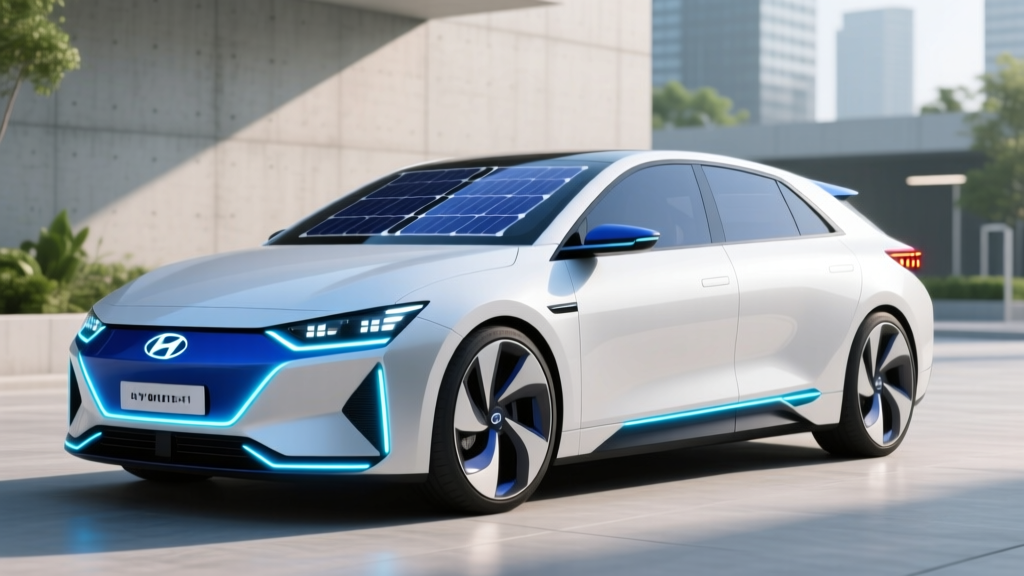
The subcompact EV segment has been stuck in a holding pattern. Buyers who want an affordable electric car — not a $50,000 crossover — have had almost nothing new since the Chevrolet Bolt was discontinued and the Nissan Leaf aged out of relevance. Enter the Hyundai Ioniq 2 electric vehicle concept, a B-segment battery-electric hatchback that Hyundai has signaled will enter production, likely as a 2027 model-year vehicle.
First teased through Hyundai's strategic roadmap updates and industry reports throughout 2024 and 2025, the Ioniq 2 is positioned as the entry point to Hyundai's Ioniq EV sub-brand. It sits below the Ioniq 5 and Ioniq 6 in both size and price, targeting urban commuters and cost-conscious first-time EV buyers who need a practical daily driver — not a statement piece.
Projected Specs: Range, Battery, and Efficiency
The Ioniq 2 is expected to ride on a shortened version of Hyundai Motor Group's next-generation EV architecture, potentially a derivative of the eM platform that underpins the Ioniq 5 N and upcoming models. Unlike the Ioniq 5's 800V electrical system, the Ioniq 2 will likely adopt a 400V architecture to keep costs down — a pragmatic choice for a vehicle targeting a sub-$30,000 price point.
| Spec | Projected Figure | Confidence Level |
|---|---|---|
| Battery Capacity (Usable) | ~42–48 kWh | Medium — based on segment targets |
| Battery Chemistry | LFP (Lithium Iron Phosphate) | High — Hyundai confirmed LFP for entry models |
| EPA Est. Range | ~200–230 miles (projected) | Low — pending EPA certification |
| Efficiency | ~120–130 MPGe / 26–28 kWh/100mi | Medium — based on aero & weight |
| Drivetrain | Single-motor FWD | High — cost/complexity dictate FWD |
| Horsepower | ~135–160 HP | Medium |
| 0–60 mph | ~8.0–9.0 seconds (est.) | Low |
| Max DC Fast Charge | ~100–120 kW peak | Medium — 400V limitation |
| 10–80% DC Charge Time | ~30–35 minutes (est.) | Low |
| Level 2 Home Charging | ~7.2 kW / ~25 mi/hr | Medium |
| Starting MSRP (Projected) | ~$25,000–$28,000 | Medium — pre-incentives |
Why LFP Chemistry Matters Here
Hyundai has publicly confirmed it will adopt LFP (lithium iron phosphate) battery cells for its entry-level EVs. This is a critical cost-reduction move. LFP cells are cheaper to produce than NMC (nickel-manganese-cobalt) cells because they eliminate expensive nickel and cobalt. The trade-off: LFP has lower energy density, meaning a physically larger or heavier pack for the same kWh. But for a small hatchback with a ~200-mile range target, that trade-off is acceptable.
The upside of LFP is substantial for owners:
- Longer cycle life — LFP cells typically tolerate 2,000–3,000+ full charge cycles before significant degradation, versus ~1,000–1,500 for NMC.
- 100% daily charging is fine — unlike NMC, which benefits from staying between 20–80% SoC, LFP can be charged to 100% daily without accelerated degradation. This is a practical advantage for commuters who want to wake up to a full battery every morning.
- Thermal stability — LFP is inherently more resistant to thermal runaway, a meaningful safety benefit.
Charging Speed: What 400V Means in Practice
One of the defining characteristics of the Ioniq 5 and Ioniq 6 is their 800V electrical architecture, which enables blistering DC fast-charge speeds — up to 240 kW on the Ioniq 5, with 10–80% in roughly 18 minutes. The Ioniq 2 will not inherit this system.
A 400V architecture limits peak DC charge rates. Based on comparable vehicles in the segment (the Chevy Bolt EV peaked at 55 kW; newer small EVs like the Volvo EX30 target ~134 kW), the Ioniq 2 is likely to peak around 100–120 kW. Here's what that translates to in real charging scenarios:
| Charging Level | Power | Miles Added per Hour | Notes |
|---|---|---|---|
| Level 1 (120V outlet) | ~1.4 kW | ~4–5 mi/hr | Emergency/trickle only |
| Level 2 (240V home) | ~7.2 kW | ~25 mi/hr | Full charge in ~6–7 hours |
| DC Fast Charge | ~100–120 kW peak | ~300–360 mi/hr (at peak) | 10–80% in ~30–35 min; tapers above 80% |
A critical note on charge-curve taper: the peak kW figure is sustained only in the lower portion of the battery's state of charge (typically 10–50% SoC). Above 60–70%, charge speed drops significantly to protect cell health. A "30-minute 10–80% charge" means the last 20% takes nearly as long as the first 50%. This is universal across EVs but is especially relevant for road-trip planning — if you need a full battery, budget extra time at the charger.
For daily use, home Level 2 charging at 7.2 kW is the practical standard. Plugging in overnight (say, 10 hours) adds roughly 250 miles of range — more than the battery holds. Most owners will never need DC fast charging for daily driving.
Design, Interior Space, and Technology
The Ioniq 2 concept previews a compact hatchback form factor — think the footprint of the old Hyundai Venue or Kia Soul, but with EV-specific proportions: a short front overhang (no engine to package), a flat floor (no transmission tunnel), and a wheelbase stretched to maximize cabin space.
Expected Dimensions and Cargo
Based on the B-segment platform and Hyundai's packaging approach with the Ioniq 5, projected interior figures include:
- Seating: 5 passengers (though rear middle seat will be tight for adults)
- Rear legroom: ~35–37 inches (competitive with Honda Fit-era practicality)
- Cargo volume (behind rear seats): ~18–22 cu ft
- Cargo volume (rear seats folded): ~45–50 cu ft
- Frunk (front trunk): Likely a small ~0.7–1.0 cu ft compartment for charging cables
These are estimates. Hyundai's E-GMP-derived platforms have shown a talent for interior space maximization, so the Ioniq 2 could surprise to the upside — especially in rear-seat headroom thanks to the flat floor.
Infotainment and Driver Assistance
Expect Hyundai's latest ccNC (Connected Car Navigation Cockpit) infotainment system, likely on a 10.25-inch or 12.3-inch display. Wireless Apple CarPlay and Android Auto should be standard. Over-the-air (OTA) software updates are a given on the Ioniq platform.
On the driver-assistance front, the Ioniq 2 should ship with Hyundai's Highway Driving Assist (HDA) suite, which includes:
- Adaptive cruise control with stop-and-go
- Lane centering assist
- Navigation-based speed adjustment
Pricing, Trims, and Federal Tax Credit Eligibility
Hyundai has been transparent about its goal: the Ioniq 2 should start under $30,000. Industry analysis and supply-chain reporting suggest a base MSRP in the $25,000–$28,000 range, with higher trims (potentially offering a larger battery, heat pump, or upgraded tech) pushing toward $32,000–$34,000.
This pricing is strategically aimed at the IRS §30D federal EV tax credit. Here's how the Ioniq 2 is likely positioned:
| Trim (Projected) | Est. MSRP | After $7,500 Credit* | Notes |
|---|---|---|---|
| SE (Base) | ~$25,000 | ~$17,500 | Well under MSRP cap |
| SEL (Mid) | ~$29,000 | ~$21,500 | Adds heat pump, faster onboard charger |
| Limited (Top) | ~$33,000 | ~$25,500 | Still under $55,000 MSRP cap |
*Credit eligibility is not automatic. All trims fall under the $55,000 MSRP cap for sedans/hatchbacks, but the buyer must also meet income caps and the vehicle must satisfy battery-component and critical-mineral sourcing requirements under current IRS §30D rules.
§30D Tax Credit Eligibility Checklist
- ✅ MSRP cap: Vehicle MSRP must be ≤ $55,000 (cars/hatchbacks) — Ioniq 2 easily qualifies
- ⚠️ Buyer income cap: Modified AGI ≤ $150,000 (single) / $300,000 (joint) — check your tax situation
- ⚠️ Battery component sourcing: Must be manufactured or assembled in North America (phased percentages increase yearly) — Hyundai's battery supply chain for US-market LFP cells is still being finalized
- ⚠️ Critical minerals: Must be sourced from the US or FTA partners — LFP chemistry may face sourcing challenges depending on where iron phosphate is processed
- ✅ Point-of-sale transfer: As of 2024+, eligible buyers can transfer the credit to the dealer for an immediate price reduction at purchase
The battery-sourcing requirement is the wildcard. Hyundai sources cells from SK On and LG Energy Solution, both of which are rapidly expanding US manufacturing. However, LFP cell production is currently dominated by Chinese suppliers (CATL, BYD). If Hyundai uses a non-FTA-country LFP supplier, the Ioniq 2 could lose part or all of the $7,500 credit. Hyundai will need to announce its cell supplier before we can confirm eligibility. Consult a tax professional before making purchase decisions based on the credit.
How the Ioniq 2 Stacks Up Against Competitors
The affordable EV hatchback segment is thin but growing. Here's how the projected Ioniq 2 compares to current and upcoming rivals:
| Vehicle | EPA Range | DC Fast Charge | Base MSRP | Status |
|---|---|---|---|---|
| Hyundai Ioniq 2 (proj.) | ~220 mi | ~100–120 kW | ~$25,000 | Announced |
| Nissan Leaf (2025) | 212 mi | 50 kW (CHAdeMO) | ~$29,135 | On sale (aging) |
| Volvo EX30 | 261 mi | 134 kW | ~$36,145 | On sale |
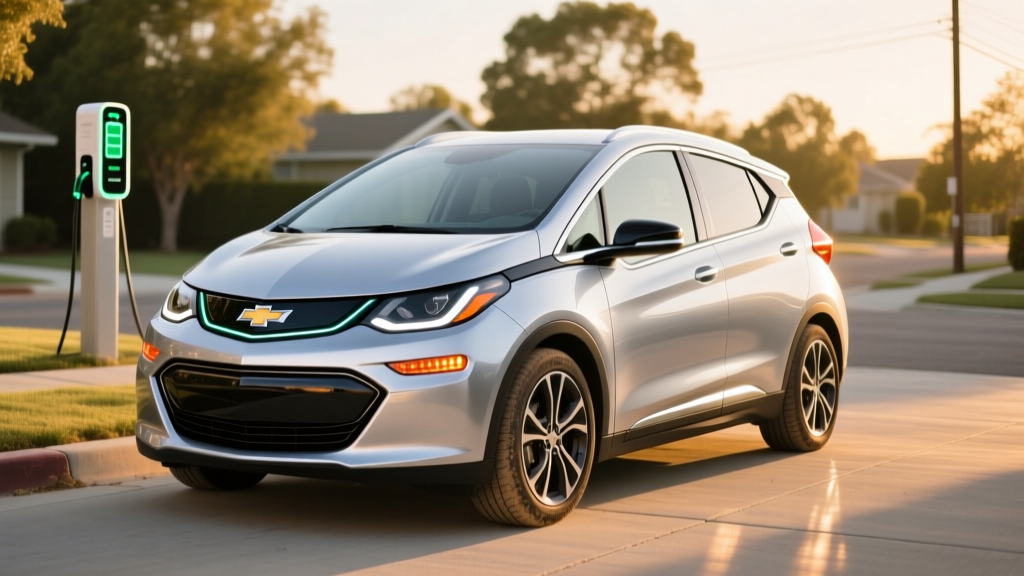
| Chevrolet Bolt EV (used) | 259 mi | 55 kW | ~$18,000–$22,000 | Used market only |
| Kia EV3 (US TBD) | ~240 mi (WLTP) | ~100 kW | TBD | EU only currently |
The Ioniq 2's competitive advantage, if pricing holds, is the combination of low MSRP + modern charging speeds + Hyundai's warranty coverage. The Leaf is outdated (CHAdeMO connector, passive battery cooling). The EX30 is good but $10,000+ more expensive. The Bolt's used-market appeal is real, but it lacks DC fast-charge speed and is out of production.
Warranty and Long-Term Ownership
Hyundai offers one of the strongest EV warranties in the industry, and the Ioniq 2 should inherit this coverage:
- Battery warranty: 10 years / 100,000 miles (capacity retention guaranteed above ~70% of original capacity)
- Powertrain warranty: 10 years / 100,000 miles
- New vehicle limited warranty: 5 years / 60,000 miles
- Roadside assistance: 5 years / unlimited miles
The 10-year battery warranty is a significant ownership advantage, especially for a budget EV where battery replacement cost (typically $8,000–$15,000 out of warranty) would be devastating relative to the vehicle's value. LFP chemistry should also mean slower degradation in practice — many LFP packs show less than 10% capacity loss after 200,000 miles in fleet data.
Pros, Cons, and Who Should Wait for the Ioniq 2
✅ Projected Pros
- Sub-$30,000 MSRP targets the most price-sensitive EV segment
- LFP battery enables daily 100% charging without degradation worry
- Hyundai's 10-year/100,000-mile battery warranty
- Modern 100+ kW DC charging (far ahead of the Leaf or Bolt)
- Compact hatchback practicality with flat-floor interior packaging
- Likely qualifies for full $7,500 federal credit (pending sourcing confirmation)
❌ Projected Cons
- Not yet available — likely 2027 model year at earliest
- 400V architecture means slower DC charging vs. Ioniq 5/6
- ~220-mile range is adequate for commuting, limiting for road trips
- LFP cold-weather range loss could be significant in northern states
- FWD only — no AWD option for snow-belt buyers
- Tax credit eligibility depends on unresolved battery-sourcing questions
Who This EV Suits Best
The Ioniq 2 is purpose-built for urban and suburban commuters who drive 30–60 miles round-trip daily, have access to home Level 2 charging, and want to minimize operating costs without spending $40,000+. It's also ideal as a second household vehicle — the grocery-getter and school-run car that rarely needs highway range.
It is not the right choice for frequent road-trippers, those who regularly drive in sub-freezing temperatures with no garage charging, or anyone who needs to tow. For those use cases, the Ioniq 5 or a PHEV like the Hyundai Tucson Plug-In Hybrid remain better options.
Frequently Asked Questions
What is the real-world range of the Hyundai Ioniq 2?
Based on projected specs, expect approximately 200–220 miles EPA. In real-world highway driving at 70+ mph, plan for roughly 175–195 miles. In cold weather (below freezing), LFP chemistry may drop usable range to 150–170 miles. These figures are estimates pending official EPA certification.
How fast does the Ioniq 2 charge at home and on DC fast chargers?
On a home Level 2 charger (240V, 7.2 kW), expect roughly 25 miles of range per hour of charging — a full overnight charge is easy. On DC fast chargers, the projected peak is 100–120 kW, delivering a 10–80% charge in approximately 30–35 minutes. This is slower than the Ioniq 5's 18-minute 10–80% but competitive for the segment.
How much will the Ioniq 2 cost after tax credits?
If the base MSRP lands around $25,000 and the vehicle qualifies for the full $7,500 federal credit under IRS §30D, the effective price could be as low as ~$17,500. However, credit eligibility depends on battery sourcing, buyer income, and MSRP caps. State incentives may further reduce the price — check IRS guidelines and your state's EV rebate programs.
Is the Hyundai Ioniq 2 worth waiting for versus buying now?
If you need an EV today and budget is paramount, a used Chevrolet Bolt EV (259 miles range, ~$18,000–$22,000 on the used market, eligible for the $4,000 used-EV credit) is the pragmatic choice. If you can wait until late 2026 or 2027 and want a new vehicle with modern charging, a full warranty, and potentially a much lower net price after credits, the Ioniq 2 is worth monitoring closely.
Does the Ioniq 2 qualify for the $7,500 federal EV tax credit?
It likely qualifies on MSRP and vehicle-type grounds (well under the $55,000 hatchback cap). The determining factor will be battery sourcing: the LFP cells must meet North American or FTA-partner manufacturing and critical-mineral requirements. Hyundai has not yet confirmed its LFP cell supplier for the US-market Ioniq 2. Final eligibility will be confirmed closer to launch — verify on fueleconomy.gov when the vehicle is certified.
Will the Ioniq 2 use the Tesla NACS charging connector?
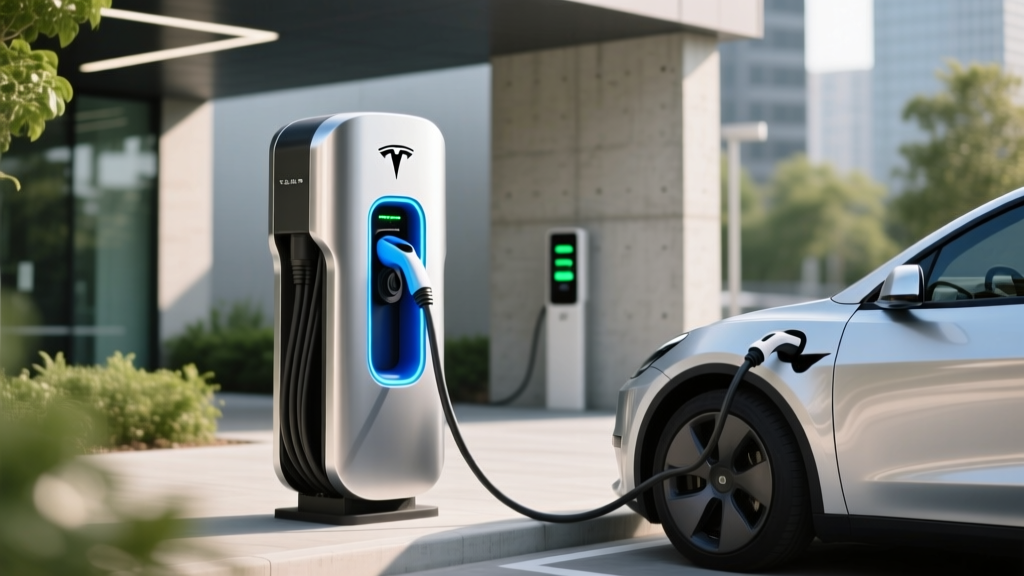
Hyundai has committed to adopting the NACS (North American Charging Standard) connector for its US-market EVs starting with 2025+ models. The production Ioniq 2 is expected to ship with a native NACS port, granting access to Tesla Supercharger stations in addition to Electrify America, EVgo, and other networks. This is a significant advantage over the aging CHAdeMO-equipped Nissan Leaf.
Sources: Hyundai Motor America Newsroom, fueleconomy.gov, IRS §30D Clean Vehicle Credits