Quick Answer: Is a Husqvarna Electric Dirt Bike Worth It?
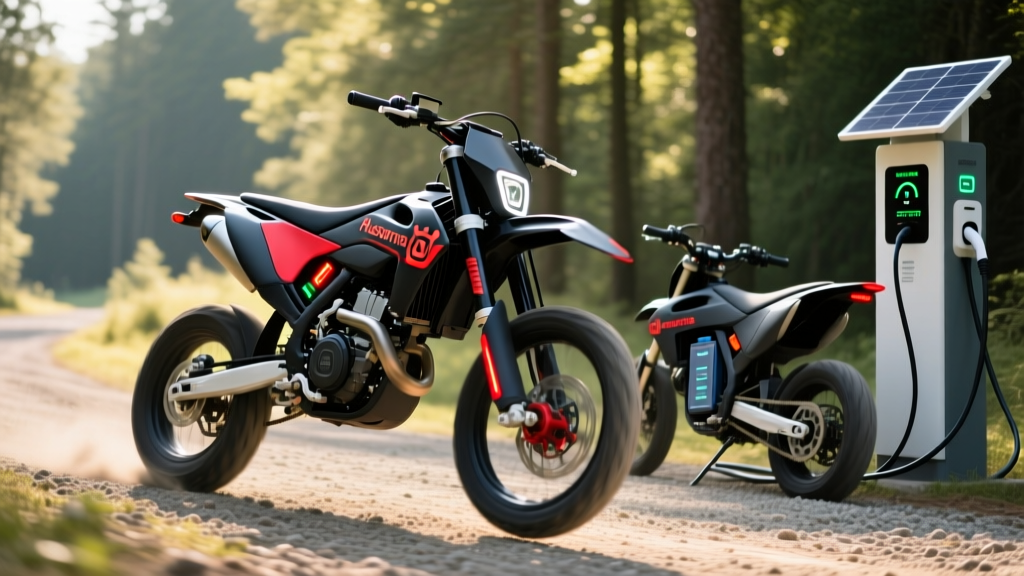
The Husqvarna MC-E series (MC-E 3, MC-E 5, MC-E 6) targets youth and junior motocross riders with zero-emissions, low-noise electric powertrains. Expect 30–60 minutes of hard motocross riding per charge depending on model and throttle use, a 3.9–5.2 kWh battery pack, and roughly $0.15–$0.40 per full charge at residential electricity rates. Pricing starts around $5,299 (MC-E 3) and climbs to approximately $9,599 (MC-E 6). These bikes excel at practice tracks with noise restrictions and for developing young riders, but they are not highway-legal EVs and do not qualify for the federal §30D tax credit, which applies to on-road vehicles only.
What Is the Husqvarna MC-E Electric Dirt Bike Lineup?
Husqvarna Motorcycles (part of the Pierer Mobility Group, which also owns KTM and GasGas) introduced its MC-E electric motocross range to give young riders a competitive, emissions-free option. The lineup spans three main models as of the 2025–2026 model years:
- MC-E 3: Entry-level mini bike for ages roughly 5–8. Smallest battery, lowest seat height, adjustable power output.
- MC-E 5: Mid-size option for riders approximately 7–12 years old. Larger frame, more power modes.
- MC-E 6: Full-size junior motocross bike competing directly with 65cc gas two-strokes. Highest output in the range.
All three use brushless electric motors with multiple selectable ride modes (typically 4–6 power maps) that let parents or coaches dial power from beginner-friendly to race-ready. The bikes feature WP suspension, hydraulic disc brakes, and adjustable geometry — legitimate motocross hardware, not toys.
Battery Specs, Real-World Ride Time, and Charging
Understanding battery capacity on these bikes requires the same kW vs. kWh distinction that applies to road-going EVs: kWh (kilowatt-hours) measures the energy stored in the battery — essentially the fuel tank size. kW (kilowatts) measures the rate of power delivery or charging speed.
| Model | Battery Capacity (kWh) | Chemistry | Charge Time (0–100%) | Charger Type |
|---|---|---|---|---|
| MC-E 3 | ~3.9 kWh | Lithium-ion (NMC) | ~60–90 min (standard charger) | External AC charger, 120V |
| MC-E 5 | ~4.3 kWh | Lithium-ion (NMC) | ~70–100 min (standard charger) | External AC charger, 120V |
| MC-E 6 | ~5.2 kWh | Lithium-ion (NMC) | ~75–120 min (standard charger) | External AC charger, 120V |
Real-world ride time is the metric that matters most, and it varies enormously based on riding style. A cautious beginner on the lowest power map might get 60–90 minutes from an MC-E 3. An aggressive junior racer on a full-size motocross track pulling maximum power could drain the MC-E 6 in 25–35 minutes. Husqvarna and independent testers generally cite 30–60 minutes of mixed-intensity riding as a realistic expectation across the range.
Charging is straightforward: plug the included external charger into a standard 120V household outlet. There is no Level 2 or DC fast charging on these bikes — the battery packs are too small to warrant it, and a full charge from a wall outlet takes roughly 1–2 hours. For all-day riding sessions, teams typically bring a portable generator or multiple batteries (where the platform supports swapping).
Cost Breakdown: Purchase Price, Charging, and Maintenance
| Cost Category | MC-E 3 (~$5,299 MSRP) | MC-E 5 (~$7,499 MSRP) | MC-E 6 (~$9,599 MSRP) |
|---|---|---|---|
| Purchase Price | $5,299 | $7,499 | $9,599 |
| Charging Cost (100 sessions × avg $0.30) | $30 | $35 | $40 |
| Annual Maintenance (est.) | $100–$200 | $100–$200 | $150–$300 |
| Estimated First-Year Total | ~$5,429–$5,529 | ~$7,634–$7,734 | ~$9,789–$9,939 |
Charging costs are negligible. At the US average residential electricity rate of roughly $0.16/kWh (per EIA data), a full MC-E 5 charge (4.3 kWh) costs about $0.69. Even charging three times per weekend, every weekend of the year, annual electricity spend stays under $110.
Maintenance is where electric dirt bikes shine relative to gas. There is no engine oil, no air filter to clean after every ride, no spark plugs, no piston rings, no carburetor jetting, and no exhaust packing to replace. You still replace brake pads, chain or belt components, suspension fluids, and tires — but the powertrain maintenance burden drops dramatically. Expect annual maintenance at roughly one-third to one-half what a comparable gas two-stroke demands.
Electric Dirt Bike vs. Gas Motocross: Data Comparison
| Attribute | MC-E 5 (Electric) | TC 50 (Gas) |
|---|---|---|
| MSRP | ~$7,499 | ~$5,099 |
| Power Output | ~5–12 kW (mode-dependent) | ~5.5 hp (~4 kW) |
| Weight | ~47 kg (104 lbs) | ~40 kg (88 lbs) |
| Ride Time (hard use) | ~25–40 min | ~45–60 min (refuel in 30 sec) |
| Noise Level | ~60–75 dB (motor + chain) | ~94–105 dB |
| Fuel/Energy Cost per Session | ~$0.50–$0.70 | ~$3–$5 (race fuel) |
| Annual Powertrain Maintenance | ~$50–$100 | ~$400–$800+ |
| Emissions at Track | Zero | Two-stroke exhaust (unburned oil) |
The trade-off is clear: the electric bike costs more upfront and delivers shorter continuous ride time, but it slashes noise (a massive factor at tracks near residential areas), eliminates exhaust emissions, and drastically reduces maintenance. For families at noise-restricted practice facilities, the MC-E series isn't just an alternative — it's often the only option.
Real-World Ownership Considerations
Home charging access is a non-issue for most dirt bike owners. Unlike road-going EVs that require a 240V Level 2 home charger installation (often $500–$2,000 including electrician and permit), MC-E bikes charge from any standard 120V outlet in your garage or trailer. The charger is portable and draws roughly 10–15 amps.
Climate and battery care matter more than many first-time buyers realize. Lithium-ion NMC batteries degrade faster when stored at full charge in high heat or cycled in extreme cold. Best practices:
- Store the bike at 40–60% state of charge if it won't be ridden for weeks.
- Avoid charging a battery that is below freezing — let it warm to ambient temperature first.
- Expect some range loss in cold weather (below 40°F), just as you would with an EV car battery.
- Husqvarna's battery warranty typically covers defects for 24 months; consult your dealer for exact terms on capacity retention thresholds.
Driving (riding) patterns determine whether the bike fits your use case. If your child does 15-minute practice motos with breaks between, a single charge easily covers 2–3 motos. If you need all-day continuous riding at a race weekend without generator access, you'll want a second battery or a gas backup.
Common Misconceptions About Electric Dirt Bikes
| Myth | Fact |
|---|---|
| "Electric dirt bikes have no power." | The MC-E 6 produces torque comparable to a 65cc gas two-stroke from zero RPM. Electric motors deliver instant torque with no powerband lag — a significant advantage for corner exits. |
| "They qualify for the $7,500 federal EV tax credit." | They do not. The IRS §30D credit applies to on-road vehicles with four wheels (or specific three-wheel classifications) meeting MSRP, income, and battery-sourcing requirements. Off-road motorcycles are excluded. |
| "The battery will need replacing every year." | NMC lithium-ion packs in motocross applications are designed for hundreds of charge cycles. With proper care (avoiding deep discharge storage, extreme heat), most owners report acceptable capacity for 3–5+ seasons of youth racing before noticeable degradation. |
| "You can't race them." | The AMA and many regional motocross organizations now include electric classes. The MC-E 6 competes in dedicated e-moto and 65cc-equivalent classes at select events. |
Decision Framework: Should You Buy a Husqvarna MC-E?
Choose the Husqvarna MC-E Electric Dirt Bike If:
- You ride at noise-restricted tracks. Many practice facilities near housing developments have banned or limited gas two-strokes. The MC-E's ~60–75 dB noise level (vs. 94+ dB for gas) keeps you riding where others can't.
- You want minimal maintenance. No top-end rebuilds, no jetting changes, no fuel mixing. If wrenching isn't your strength, electric simplifies ownership dramatically.
- Your rider is developing skills. The adjustable power maps let you scale output as a young rider progresses — from 2 kW beginner mode to full race power on the same bike.
- Practice sessions are short and structured. 15–20 minute motos with breaks between are ideal for the battery's duty cycle.
Stick With a Gas Motocross Bike If:
- You need all-day, continuous riding at remote locations with no power access and no generator.
- Budget is the primary constraint. A gas 50cc like the Husqvarna TC 50 starts around $5,099 — roughly $2,400 less than the MC-E 5 — and used gas bikes are abundant and cheap.
- Your rider competes in classes that don't yet accept electric entries. Check your sanctioning body's rulebook before purchasing.
- You need the lightest possible bike. Gas two-strokes are currently 15–25 lbs lighter than their electric equivalents, which matters for the smallest riders.
Frequently Asked Questions
How long does a Husqvarna electric dirt bike battery last per charge?
Expect 25–60 minutes depending on model, power mode selected, rider weight, and throttle intensity. The MC-E 3 on a low power map with a light rider can approach 60+ minutes. The MC-E 6 under hard race conditions may deliver 25–35 minutes. Always plan sessions around the shorter end of the range.
Can I charge the Husqvarna MC-E from a generator at the track?
Yes. The included charger plugs into any standard 120V AC outlet. A portable inverter generator rated at 1,500+ watts is sufficient to charge the bike between motos. Charge time from a generator is comparable to wall-outlet charging: roughly 60–120 minutes for a full charge.
Does the Husqvarna MC-E qualify for any federal or state EV incentives?
No. The federal §30D clean vehicle credit, as defined by the IRS, applies to qualified on-road plug-in vehicles. Off-road motorcycles are not eligible. Some local utility companies offer rebates for electric outdoor power equipment — check with your provider, but do not count on it.
How does the MC-E compare to the KTM SX-E or GasGas MC-E?
All three brands share the Pierer Mobility Group platform and use nearly identical battery, motor, and chassis architectures. Differences are primarily in suspension tuning, bodywork, and dealer network. Pricing within each model tier is typically within $200–$500 across the three brands. Choose based on your nearest dealer's service capability and parts availability.
What happens when the battery degrades after several seasons?
Like all lithium-ion batteries, the NMC pack will lose capacity over time and charge cycles. Expect 80–90% capacity retention after 2–3 seasons of regular use with proper storage habits. Replacement battery packs are available through Husqvarna dealers; pricing varies by model but typically ranges from $1,500–$3,000. Factor this into long-term ownership cost if you plan to keep the bike for 4+ seasons.