Why Buying a Tesla Still Starts With the Charging Question
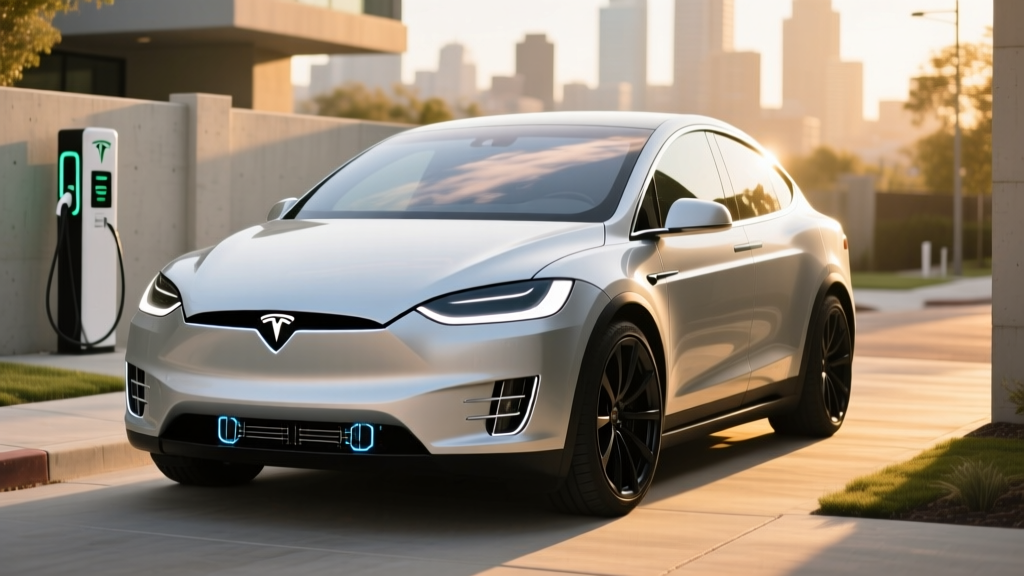
Before you configure a single Tesla, answer one question: where will you charge? Tesla's Supercharger network remains the most reliable public DC fast-charging infrastructure in the U.S., with over 6,000 stations and 30,000+ stalls nationwide. That ecosystem advantage is the single biggest reason buyers choose Tesla over legacy automakers. But home charging access — a Level 2 wall connector on a 240V circuit — is what makes daily ownership effortless. If you can install one (expect $500–$2,000 depending on panel proximity), a Tesla becomes the lowest-friction EV you can own. If you're relying solely on public charging, the calculus shifts.
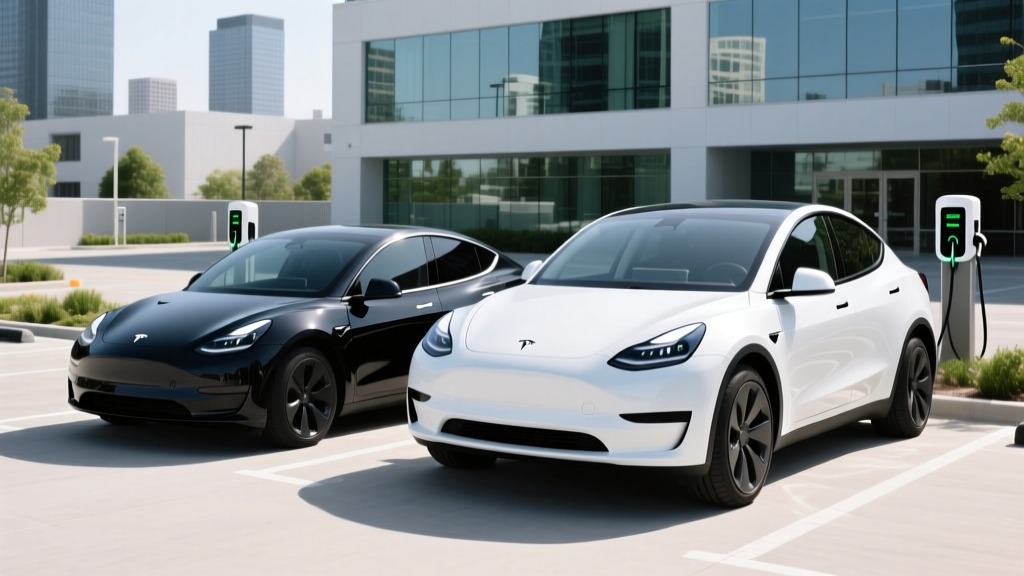
This guide covers the two models that account for the vast majority of Tesla purchases: the refreshed Model 3 sedan and the Model Y crossover SUV. Both received significant updates through 2024–2025, and 2026 model-year pricing and specs reflect those changes. We'll walk through real-world range, charging curves, total cost after tax credits, and which trim actually makes sense for your driving pattern.
Tesla Model Lineup at a Glance: 2026 Specs
| Model / Trim | EPA Range | Battery (kWh usable) | Chemistry | 0–60 mph | Drivetrain | Base MSRP |
|---|---|---|---|---|---|---|
| Model 3 RWD | 272 mi | ~60 kWh | LFP | 5.8 s | RWD | $38,990 |
| Model 3 Long Range AWD | 341 mi | ~79 kWh | NMC | 4.2 s | Dual-Motor AWD | $45,490 |
| Model 3 Performance | 315 mi | ~79 kWh | NMC | 2.9 s | Dual-Motor AWD | $52,990 |
| Model Y RWD | 260 mi | ~60 kWh | LFP | 6.6 s | RWD | $44,990 |
| Model Y Long Range AWD | 320 mi | ~79 kWh | NMC | 4.8 s | Dual-Motor AWD | $49,990 |
| Model Y Performance | 285 mi | ~79 kWh | NMC | 3.5 s | Dual-Motor AWD | $54,990 |
Sources: fueleconomy.gov, Tesla.com configurator. Prices exclude $1,390 destination fee. Specs reflect 2026 model year as of publication.
Real-World Range: What the EPA Sticker Doesn't Tell You
The EPA range figures above assume a mix of city and highway driving at moderate temperatures. Here's what to expect in practice:
- Highway driving (75 mph, 70°F): Expect 85–90% of EPA range. A Model 3 Long Range rated at 341 mi will deliver roughly 290–310 mi on a flat interstate.
- Cold weather (20°F, highway): LFP-equipped RWD models lose 25–35% of range. NMC Long Range models lose 20–30%. Preconditioning while plugged in recovers some of this.
- City / stop-and-go (moderate temps): Regenerative braking pushes real-world range to 95–105% of EPA. This is where EVs shine.
The LFP (lithium iron phosphate) batteries in RWD trims are heavier and less energy-dense than the NMC (nickel manganese cobalt) packs in Long Range and Performance models. That translates to shorter range but brings a major ownership advantage: LFP chemistry tolerates regular 100% charging without accelerated degradation. Tesla recommends charging LFP packs to 100% at least weekly. NMC packs should be kept at 80% daily and charged to 100% only before long trips.
Charging Speed: DC Fast, Level 2, and the Supercharger Advantage
| Charging Method | Power | Speed (approx.) | Notes |
|---|---|---|---|
| Level 1 (120V outlet) | ~1.4 kW | 3–5 mi/hr | Emergency / overnight trickle only |
| Level 2 (Tesla Wall Connector, 48A) | 11.5 kW | ~44 mi/hr | Full charge in 6–9 hours; requires 60A circuit |
| Level 2 (NEMA 14-50 outlet, 32A) | 7.7 kW | ~30 mi/hr | Cheaper install; adequate for most daily needs |
| DC Fast — V3 Supercharger (RWD) | Peak 170 kW | 10–80% in ~25 min | LFC pack; charge curve tapers above 60% |
| DC Fast — V3 Supercharger (Long Range) | Peak 250 kW | 10–80% in ~18 min | NMC pack; sustains >150 kW to ~50% SoC |
| DC Fast — V4 Supercharger (select sites) | Peak 250+ kW | Similar to V3 | Newer cabinet; CCS-compatible for non-Teslas |
A critical nuance: peak kW is not sustained kW. A Long Range Model 3 hitting 250 kW at 10% SoC will taper to ~150 kW by 50% and ~75 kW by 70%. The 10–80% time of ~18 minutes reflects this curve. RWD models with LFP packs charge slower overall because the chemistry doesn't accept charge as aggressively at low temperatures — always precondition via the Tesla app or navigation routing before a DC fast-charge session.
Tesla's NACS connector is now the North American standard. Ford, Rivian, GM, and others have adopted it, meaning Superchargers are opening to non-Tesla EVs. For Tesla owners, this means more stalls at popular corridors but potentially more competition at peak travel times.
Pricing, Trims, and the Federal Tax Credit (§30D)
| Trim | MSRP + Destination | §30D Credit | Effective Price | Credit Eligibility Notes |
|---|---|---|---|---|
| Model 3 RWD | $40,380 | $7,500 (if eligible) | ~$32,880 | Under $55K sedan cap; LFP battery sourcing varies |
| Model 3 Long Range | $46,880 | $7,500 (if eligible) | ~$39,380 | Under $55K sedan cap; NMC pack meets critical-mineral rules |
| Model 3 Performance | $54,380 | $0 (exceeds sedan cap) | $54,380 | Above $55,000 MSRP cap for sedans — ineligible |
| Model Y RWD | $46,380 | $7,500 (if eligible) | ~$38,880 | Under $80K SUV cap; check current sourcing rules |
| Model Y Long Range | $51,380 | $7,500 (if eligible) | ~$43,880 | Under $80K SUV cap; historically eligible |
| Model Y Performance | $56,380 | $7,500 (if eligible) | ~$48,880 | Under $80K SUV cap |
Per IRS.gov, you must meet ALL of the following to claim the full $7,500 credit:
- Income caps: Modified AGI ≤ $150,000 (single) or ≤ $300,000 (joint filing)
- MSRP caps: Sedans ≤ $55,000; SUVs/pickups ≤ $80,000
- Battery sourcing: Critical minerals and battery components must meet escalating domestic/free-trade-partner percentages (rules tighten annually)
- Point-of-sale transfer: You can transfer the credit to the dealer at purchase for an immediate price reduction (Tesla supports this at delivery)
- Assembly: Vehicle must be assembled in North America (all U.S.-market Teslas qualify — Fremont and Austin plants)
Battery sourcing requirements change annually. Verify current-year eligibility on IRS.gov or consult a tax professional before relying on the credit in your purchase decision.
Efficiency, Performance, and What It Feels Like to Drive
Tesla's efficiency numbers remain among the best in the industry. The Model 3 Long Range achieves approximately 132 MPGe combined (roughly 25 kWh/100 mi), meaning you're extracting more miles per kilowatt-hour than most competitors. The lighter RWD Model 3 pushes closer to 139 MPGe. For context, the Hyundai Ioniq 6 SE Long Range hits 140 MPGe, and the BMW i4 eDrive40 sits around 109 MPGe.
Performance varies dramatically by trim. The Model 3 Performance's 2.9-second 0–60 time is supercar territory, and Tesla's dual-motor torque vectoring provides confident all-weather traction. Even the "slow" RWD Model 3 at 5.8 seconds out-accelerates most gas-powered compact sedans off the line. Instant torque delivery means real-world merging and passing feel quicker than the numbers suggest.
The 2024+ "Highland" refresh brought meaningful improvements to the Model 3: ventilated front seats, rear touchscreen for passengers, ambient lighting, improved sound insulation, and a slightly softer adaptive suspension. The Model Y received a similar "Juniper" refresh for 2025, closing the refinement gap. Both are noticeably quieter on the highway than pre-refresh models.
Interior Space, Cargo, and Family Practicality
| Measurement | Model 3 | Model Y |
|---|---|---|
| Front legroom | 42.7 in | 41.8 in |
| Rear legroom | 35.2 in | 41.6 in |
| Cargo (rear seats up) | 23 cu ft (trunk) | 30 cu ft (rear cargo) |
| Cargo (rear seats folded) | ~65 cu ft | ~76 cu ft |
| Frunk (front trunk) | 3.1 cu ft | 4.1 cu ft |
| Towing capacity | Not rated | 3,500 lbs (AWD trims) |
The Model Y is the clear pick for families. Rear legroom is generous — taller teenagers won't complain — and the hatchback cargo area swallows strollers, groceries, and luggage without Tetris. The optional third-row seat (available on Long Range) adds two small child seats but is tight for anyone over about 5 feet tall. The Model 3 works well for couples and commuters but gets cramped with rear-facing car seats.
Tech, Driver Assistance, and Software
Every Tesla ships with a 15.4-inch central touchscreen running Tesla's proprietary OS. There is no Apple CarPlay or Android Auto — Tesla's native navigation, media (Spotify, Apple Music, Tidal), and gaming (Steam integration) are the only options. Most owners adapt within weeks, but if CarPlay is a dealbreaker, this is your warning.
Tesla's Autopilot and Full Self-Driving (Supervised) are SAE Level 2 driver-assistance systems. They require continuous driver attention, hands-on-wheel monitoring, and the driver is legally responsible for all vehicle operation. They are NOT self-driving. Only Level 4 services like Waymo operate without a human driver in defined zones. Never disengage from driving while using these features.
Standard Autopilot (included) handles lane centering and adaptive cruise control competently on divided highways. FSD (Supervised), currently $8,000 to purchase or $99/month, adds automatic lane changes, traffic light/stop sign recognition, and city-street navigation. FSD has improved substantially through 2025's v13 neural-net rewrite, but it still makes occasional errors on construction zones, unprotected left turns, and poorly marked roads. Treat it as a fatigue-reducer, not a replacement for attention.
Warranty and Long-Term Ownership Costs
| Component | Coverage |
|---|---|
| Basic vehicle | 4 years / 50,000 miles |
| Battery & drive unit (RWD) | 8 years / 100,000 miles |
| Battery & drive unit (AWD) | 8 years / 120,000 miles |
| Battery capacity retention | Minimum 70% SoH during warranty period |
Tesla's battery degradation data from fleet telemetry shows NMC Long Range packs retaining approximately 88–92% capacity after 100,000 miles. LFP packs in RWD models show comparable or slightly better longevity, partly because owners charge to 100% regularly (which LFP tolerates well). Out-of-warranty battery replacement costs range from $12,000–$16,000 depending on pack size — rare before 150,000+ miles based on current fleet data.
Insurance costs are a real consideration. Teslas carry higher premiums than comparable gas vehicles due to repair costs (aluminum panels, sensor recalibration, proprietary parts). Expect $1,800–$3,200/year depending on your state, age, and driving record. Tesla offers its own insurance product in many states, which uses real-time driving data and can be competitive — worth quoting against your existing carrier.
Tesla vs. the Competition: Is It Still the Best Buy?
Model 3 Pros
- Best-in-class Supercharger network access
- Class-leading efficiency (kWh/100mi)
- Over-the-air updates add features post-purchase
- Strong resale value relative to non-Tesla EVs
- LFP option allows carefree 100% daily charging
Model 3 Cons
- No Apple CarPlay / Android Auto
- Turn-signal stalks removed (steering-wheel buttons)
- Higher insurance premiums than average
- Minimal physical controls — everything via screen
- Model 3 Performance exceeds $55K credit cap
Key competitors to cross-shop:
- Hyundai Ioniq 6: Better efficiency (140 MPGe), CarPlay support, but slower charging and thinner charging network
- BMW i4: Premium interior, CarPlay, but $10K+ more expensive at equivalent range
- Polestar 2: Strong build quality, CarPlay, Google built-in, but lower range and efficiency
- Ford Mustang Mach-E: Hatchback practicality, CarPlay, but less range per dollar
For the Model Y, the Hyundai Ioniq 5, Kia EV6, and Ford Mach-E are the primary competitors. None match the Supercharger ecosystem, and all trail on efficiency. If you road-trip frequently, the Tesla network advantage is difficult to overstate.
- Choose Model 3 RWD if: You commute under 40 miles/day, charge at home, want the lowest entry price, and don't need AWD.
- Choose Model 3 Long Range if: You road-trip 3+ times per year, live in a cold climate, or want the best range-to-price ratio in the lineup.
- Choose Model Y Long Range if: You have kids, need cargo space, tow occasionally (3,500 lbs), or want the most versatile daily driver.
- Choose Model Y RWD if: You want crossover ride height and cargo space on a budget and mostly drive locally.
- Skip Performance trims unless: You genuinely want 2.9–3.5s acceleration and track-capable braking — the efficiency and range penalties are significant.
Frequently Asked Questions
What is the real-world range of a Tesla Model 3 or Model Y?
Expect 85–90% of the EPA sticker on highway trips in moderate weather, and 65–75% in cold-weather highway driving (below 30°F). City driving often matches or slightly exceeds EPA estimates thanks to regenerative braking. A Model 3 Long Range rated at 341 miles EPA will realistically deliver 290–310 miles on a 75-mph road trip in summer, and 230–260 miles in winter.
How fast does a Tesla charge at home and on the road?
On a Tesla Wall Connector (Level 2, 11.5 kW), you gain roughly 44 miles of range per hour — enough to fully replenish overnight. On a V3 Supercharger (DC fast), Long Range models peak at 250 kW and charge from 10–80% in approximately 18 minutes. RWD/LFP models peak lower at ~170 kW and take about 25 minutes for the same 10–80% window.
Does Tesla qualify for the $7,500 federal EV tax credit?
Most trims do, with important exceptions. The Model 3 Performance exceeds the $55,000 sedan MSRP cap and is ineligible. All Model Y trims fall under the $80,000 SUV cap. You must also meet income limits ($150K single / $300K joint MAGI) and the vehicle's battery must satisfy critical-mineral and component sourcing thresholds that tighten each year. Check IRS.gov for current-year rules. The credit can be transferred at point of sale for an immediate price reduction.
Is Tesla worth buying over competitors in 2026?
If you value charging infrastructure, software updates, and efficiency above all else, yes. The Supercharger network remains the gold standard for road-trip reliability. If you prioritize interior luxury, Apple CarPlay, or dealer service centers, competitors like the BMW i4 or Hyundai Ioniq 5 may suit you better. For families needing cargo space without a massive price premium, the Model Y Long Range is still the segment benchmark.
What are the biggest drawbacks of owning a Tesla?
The most common complaints are higher-than-average insurance costs, the lack of Apple CarPlay/Android Auto, reliance on touchscreen controls for nearly all vehicle functions, and the removal of turn-signal and gear-selector stalks in refreshed models. Service center wait times can be long in some metro areas, though mobile service handles many routine issues.
How do I actually place an order?
Tesla sells direct — no dealerships. Configure your vehicle on Tesla.com, place a non-refundable order fee ($250 as of 2026), and wait for a delivery appointment at your nearest service center or opt for touchless home delivery where available. Wait times range from 2–8 weeks depending on trim, color, and region. You'll complete financing, trade-in evaluation, and tax-credit paperwork through Tesla's online portal before delivery day.