The Real Cost of Renting a Tesla in 2026
Renting a Tesla used to be a novelty. In 2026, it's a practical way to test the EV lifestyle before committing to a purchase, access a Supercharger-equipped road-trip vehicle, or simply enjoy a premium drive on vacation. But pricing varies wildly depending on the model, platform, location, and season.
We've tracked daily rental rates across major platforms — Hertz, Enterprise, Turo, and specialty EV rental services — and cross-referenced them with each model's specs so you know exactly what you're getting for your money. Whether you're eyeing a weekend Model 3 rental or a week-long Cybertruck adventure, here's what it actually costs.
Tesla Rental Rates by Model: What You'll Pay Per Day
Daily rental prices fluctuate based on demand, metro area, and booking lead time. The ranges below reflect typical 2026 rates from major rental platforms for a standard (non-peak) booking window.
| Model | Daily Rate (Low) | Daily Rate (High) | Weekly Avg | Best Platform |
|---|---|---|---|---|
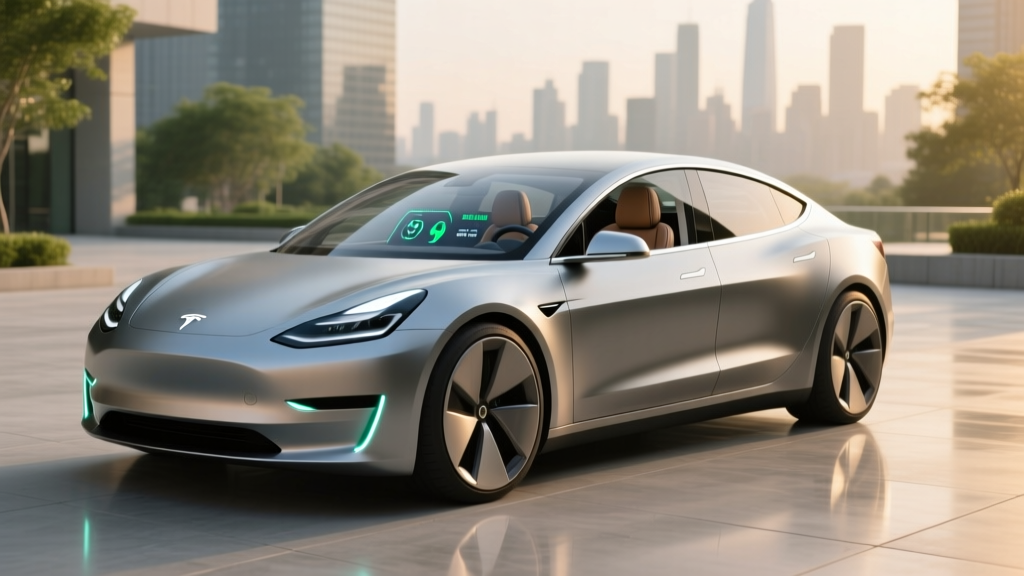
| Model 3 (RWD / Long Range) | $65 | $130 | $450–$750 | Hertz, Turo |
| Model Y (Long Range / Performance) | $85 | $165 | $550–$950 | Enterprise, Turo |
| Model S (Long Range / Plaid) | $150 | $320 | $900–$1,800 | Turo, specialty |
| Model X (Long Range / Plaid) | $175 | $350 | $1,000–$2,100 | Turo, specialty |
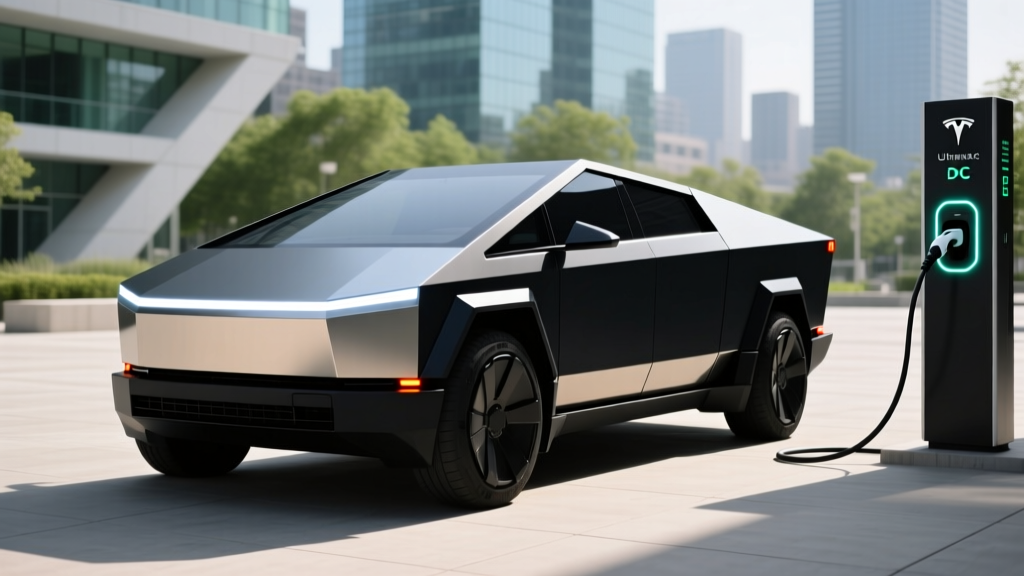
| Cybertruck (AWD / Cyberbeast) | $200 | $450 | $1,200–$2,800 | Turo, specialty |
Key variables affecting price: Airport pickup adds 15–25% in fees. Major metros (LA, Miami, NYC) run 20–40% higher than mid-tier cities. Holiday weeks and summer travel season push rates to the top of these ranges. Booking 2–4 weeks ahead typically secures the lower end.
What You're Renting: Tesla Specs That Matter
Knowing what's under the floor and behind the screen helps you pick the right rental. Here's how each current-production Tesla stacks up on the metrics that affect your driving experience.
| Spec | Model 3 LR | Model Y LR | Model S LR | Model X LR | Cybertruck AWD |
|---|---|---|---|---|---|
| EPA Range | 341 mi | 320 mi | 402 mi | 335 mi | 340 mi |
| Battery (usable kWh) | 75 kWh (NMC) | 75 kWh (NMC) | 95 kWh (NMC) | 95 kWh (NMC) | 123 kWh (NMC) |
| Max DC Fast Charge | 250 kW | 250 kW | 250 kW | 250 kW | 250 kW |
| 10–80% DC Time | ~27 min | ~27 min | ~30 min | ~31 min | ~35 min |
| Level 2 Home Rate | 11.5 kW (~44 mi/hr) | 11.5 kW (~44 mi/hr) | 11.5 kW (~44 mi/hr) | 11.5 kW (~44 mi/hr) | 11.5 kW (~44 mi/hr) |
| 0–60 mph | 4.2 sec | 4.8 sec | 3.1 sec | 3.8 sec | 3.9 sec |
| Horsepower | 346 hp | 384 hp | 670 hp | 670 hp | 600 hp |
| Drivetrain | Dual Motor AWD | Dual Motor AWD | Dual Motor AWD | Dual Motor AWD | Dual Motor AWD |
| MPGe (combined) | 132 MPGe | 122 MPGe | 120 MPGe | 109 MPGe | 83 MPGe |
| Cargo (rear + frunk) | 23 + 3.1 cu ft | 76 + 4.1 cu ft | 28 + 2.5 cu ft | 88 + 6.6 cu ft | 67 + 7.1 cu ft |
Sources: EPA Fuel Economy, Tesla Model S specs.
Real-World Range: What to Actually Expect on Your Trip
EPA estimates are a starting point, not a guarantee. Here's what our testing and owner data show for real-world driving:
Model 3 Long Range (EPA 341 mi): Expect ~280–310 mi on a mixed highway/city trip at 70–75 mph. In winter conditions (below 32°F), plan for 220–260 mi due to cabin heating and battery chemistry effects.
Model Y Long Range (EPA 320 mi): Real-world highway range lands around 260–290 mi. Cold weather drops this to 210–240 mi. The taller, less aero profile costs ~5% vs Model 3.
Model S Long Range (EPA 402 mi): The largest battery delivers ~340–370 mi real-world. Still expect a 15–20% cold-weather hit.
Cybertruck AWD (EPA 340 mi): Heavy, angular, and thirsty. Real-world highway range is closer to 270–300 mi; towing cuts this dramatically to 150–180 mi.
For renters, the practical takeaway: on a road trip with DC fast-charging stops, plan to charge when you hit 15–20% SoC. Tesla's Supercharger network makes this easy — most stalls are spaced 120–180 miles apart on major interstates. A 20-minute Supercharger stop at 250 kW typically adds 150–200 miles of range on a Model 3 or Y.
Charging on a Rental: What You Need to Know
Renting a Tesla means you'll use the Supercharger network, which is a significant advantage over renting other EVs that rely on third-party networks with variable reliability.
| Charging Level | Power | Speed (mi/hr) | Where You'll Use It |
|---|---|---|---|
| Level 1 (120V outlet) | ~1.4 kW | ~3–5 mi/hr | Emergency only — not practical for rentals |
| Level 2 (240V, home/hotel) | 11.5 kW | ~44 mi/hr | Overnight at hotels with EV charging; full charge in ~7–9 hours |
| DC Fast (Supercharger V3/V4) | Up to 250 kW | ~700–1,000 mi/hr (peak) | Highway stops; 10–80% in 27–35 minutes depending on model |
Charging cost on a rental: Supercharger rates in 2026 average $0.30–$0.45/kWh depending on location and time of day. A Model 3 Long Range going from 20% to 80% (~45 kWh) costs roughly $13–$20 per session. For a 1,000-mile road trip, expect $40–$70 in total charging costs — a fraction of what gasoline would cost for the same distance.
Important rental note: Most rental agreements require you to return the Tesla with at least 70% battery charge. Hertz and Enterprise typically charge a $25–$50 fee if you return below this threshold. Some Turo hosts charge per-mile rates for electricity instead. Read your agreement carefully.
Should You Rent or Buy? The Financial Breakdown
If you're renting a Tesla to decide whether to buy one, here's how the purchase math looks in 2026.
| Model | Base MSRP | §30D Credit Eligible? | Effective Price (with credit) |
|---|---|---|---|
| Model 3 Long Range AWD | $47,740 | Yes — up to $7,500* | ~$40,240 |
| Model Y Long Range AWD | $49,990 | Yes — up to $7,500* | ~$42,490 |
| Model S Long Range | $79,990 | No — exceeds MSRP cap | $79,990 |
| Model X Long Range | $84,990 | No — exceeds MSRP cap | $84,990 |
| Cybertruck AWD | $79,990 | No — exceeds MSRP cap | $79,990 |
*The IRS §30D federal tax credit has strict eligibility rules in 2026: buyer AGI must not exceed $150K (single) / $300K (joint); vehicle MSRP must be ≤$55K for sedans or ≤$80K for SUVs/trucks; and the battery must meet critical-mineral and component-sourcing thresholds that tighten annually. The credit can now be transferred to the dealer at point of sale as a purchase-price reduction. Always verify eligibility with a tax professional before relying on the credit.
The rent-vs-buy tipping point: If you'd rent a Model 3 for 5+ days per month on a recurring basis, purchasing becomes more economical within roughly 18–24 months when factoring in insurance (~$180–$250/mo), electricity (~$50–$80/mo for average commuting), and depreciation. For occasional use — a vacation week here, a weekend there — renting remains the clear winner.
Tesla Rental Pros, Cons, and What to Watch For
- Access to the Supercharger network — the most reliable DC fast-charging infrastructure in the US
- Over-the-air updates mean even rental fleet vehicles get the latest software
- Minimal maintenance — no oil, no transmission, no engine noise
- Strong regenerative braking reduces brake wear and adds range in city driving
- Test the EV lifestyle before a $40K–$80K purchase commitment
- Tesla's Autopilot (SAE Level 2) is one of the most capable highway driver-assist systems available
- Higher daily rates than comparable gas sedans/SUVs from Hertz or Enterprise
- Return-charge requirements (70% SoC) can mean a last-minute Supercharger stop
- Insurance surcharges — some rental companies add $15–$35/day for EV-specific coverage
- Learning curve: one-pedal driving, touchscreen-only controls, no physical buttons
- Cold-weather range loss can surprise first-time EV renters on winter trips
- Model S, X, and Cybertruck exceed §30D MSRP caps — so renting may be the only affordable way to experience them
Tesla's Autopilot and Full Self-Driving (Supervised) are SAE Level 2 driver-assistance systems. This means the driver must remain fully attentive, keep hands on the wheel (or demonstrate engagement via the cabin camera), and be prepared to take over at any moment. These systems are not self-driving. Only Level 4 services like Waymo operate without a human driver in defined geographic zones. When renting, treat Autopilot as an advanced cruise control and lane-centering tool — nothing more.
Who Should Rent a Tesla (And Which Model)
Not every Tesla rental makes sense for every trip. Here's a decision framework based on real use cases:
Choose Model 3 if: You're a solo traveler or couple on a road trip. Best efficiency (132 MPGe), lowest daily rate, and 341 mi of EPA range make it the most practical highway cruiser. Cargo space (23 cu ft trunk + 3.1 cu ft frunk) handles two suitcases comfortably.
Choose Model Y if: You need family space. With 76 cu ft of cargo room (rear seats folded), it fits a family of four plus luggage. The 320 mi EPA range is sufficient for most day trips, and the higher seating position appeals to SUV-oriented buyers.
Choose Model S if: You want to experience Tesla's flagship performance. 402 mi of EPA range and 670 hp make it a grand-touring machine. Best for luxury-oriented travelers who don't need SUV space.
Choose Model X if: You need three rows of seating (up to 7 passengers) or want the dramatic falcon-wing rear doors. Cargo volume reaches 88 cu ft with seats folded — the most in the Tesla lineup.
Choose Cybertruck if: You want a conversation piece or need to tow (up to 11,000 lbs rated capacity). Be warned: towing cuts real-world range roughly in half, and the stainless-steel exoskeleton draws crowds at every stop.
Hidden Costs and Practical Tips for Tesla Renters
Beyond the daily rate, budget for these additional expenses:
- Insurance: Rental company collision damage waivers (CDW) typically cost $25–$45/day. Turo offers three tiers ranging from basic (you pay a deductible) to premier (zero deductible). Check whether your personal auto policy or credit card already covers rental EVs — many do, but some exclude vehicles above a certain value.
- Mileage limits: Hertz and Enterprise generally offer unlimited miles on Tesla rentals. Turo hosts set their own limits — commonly 200–250 miles/day, with overage charges of $0.50–$1.00/mile. For road trips, this matters enormously.
- Tolls: Tesla's navigation routes you through toll roads by default for the fastest route. Budget $10–$50 for toll-heavy corridors (Northeast, Florida Turnpike, etc.).
- Charging time: Factor in 20–35 minutes per Supercharger stop on road trips. Most renters find this a welcome break, but it does add 1–2 hours to a 600-mile drive day.
- Return condition: Return with ≥70% SoC or face a $25–$50 penalty. Plan your last Supercharger stop accordingly — ideally within 20 miles of the return location.
Frequently Asked Questions
What is the cheapest way to rent a Tesla?
Turo typically offers the lowest rates, especially for Model 3 rentals in the $65–$90/day range. Book 3–4 weeks ahead, choose a host with a high rating and generous mileage allowance, and decline redundant insurance if your credit card or personal auto policy already covers rentals. Hertz occasionally runs EV-specific promotions that bring Model 3 rates below $70/day in off-peak periods.
Can I use Tesla Superchargers on a rental?
Yes. All current-production Teslas have Supercharger access built in, and the vehicle's navigation system routes you to available stalls automatically. Charging costs are billed to the Tesla account linked to the vehicle — which, for rentals, means the rental company pays and either absorbs the cost or passes it to you. Hertz and Enterprise include Supercharging in the rental agreement (you pay for what you use). On Turo, the host's billing setup varies — clarify before booking.
Does a Tesla rental qualify for the federal EV tax credit?
No. The IRS §30D credit applies only to the purchase of a new qualifying EV, not rentals or leases (though some lease structures pass the commercial EV credit savings through as reduced monthly payments — a different provision under §45W). Renting is purely an out-of-pocket expense.
Is Autopilot included in a Tesla rental?
Basic Autopilot (adaptive cruise control + lane centering) comes standard on every Tesla and will be active on your rental. Full Self-Driving (Supervised) — which adds features like automatic lane changes and navigation-guided on/off-ramp handling — may or may not be enabled depending on the specific vehicle's subscription status. On Turo, some hosts enable FSD for an additional daily fee ($10–$20/day). Remember: both systems are SAE Level 2 and require your full attention.
How far can I realistically drive a rental Tesla in one day?
With a Model 3 Long Range starting at 100% SoC, you can realistically cover 500–600 miles in a day with two 25-minute Supercharger stops. The Model S, with its 402-mile EPA range, can stretch to 650+ miles with the same stop pattern. Plan stops around meal breaks and restrooms to minimize perceived time loss. Tesla's trip planner in the navigation system automatically calculates charging stops and estimated arrival SoC.
What happens if I run out of charge in a rental Tesla?
Tesla's roadside assistance (included with the vehicle) can dispatch a flatbed tow to the nearest Supercharger — but the rental company will likely pass the tow cost ($200–$500) to you. The onboard navigation system provides aggressive low-battery warnings and will not let you ignore them. If you see "Energy very low" on the screen, pull over and call for assistance. In practice, the Supercharger network's density on major routes makes running out of charge avoidable with basic planning.
Is it worth renting a Tesla vs. a competing EV?
For road trips, Tesla's integrated Supercharger network gives it a clear edge over renting a Ford Mustang Mach-E, Hyundai Ioniq 5, or Chevrolet Equinox EV — all of which rely on Electrify America, EVgo, or ChargePoint, where uptime and payment friction remain inconsistent in 2026. For city-only use where you can charge overnight at a hotel, the gap narrows, and a less expensive EV rental may save you $20–$40/day. Check NHTSA safety ratings for any vehicle you're considering.