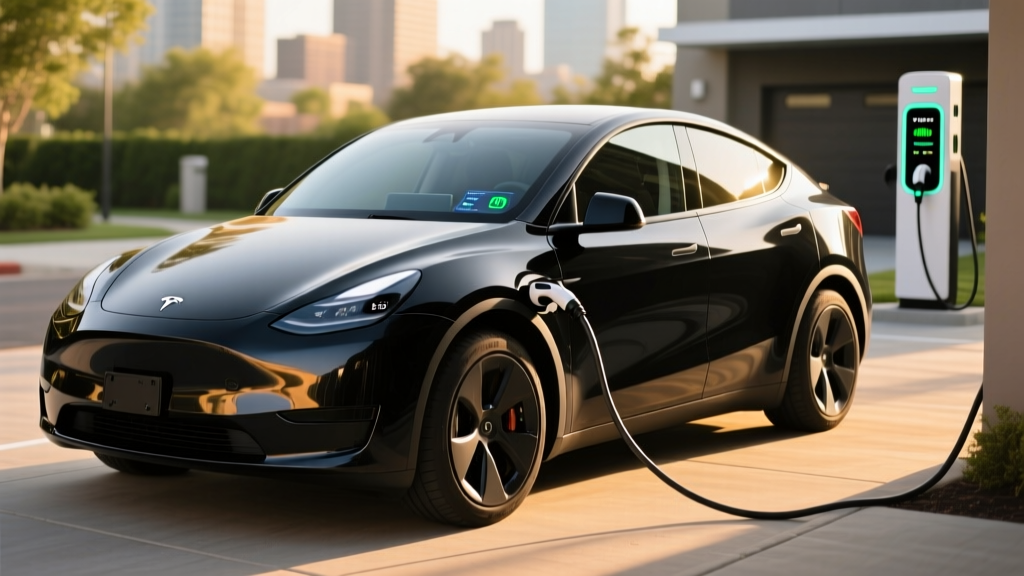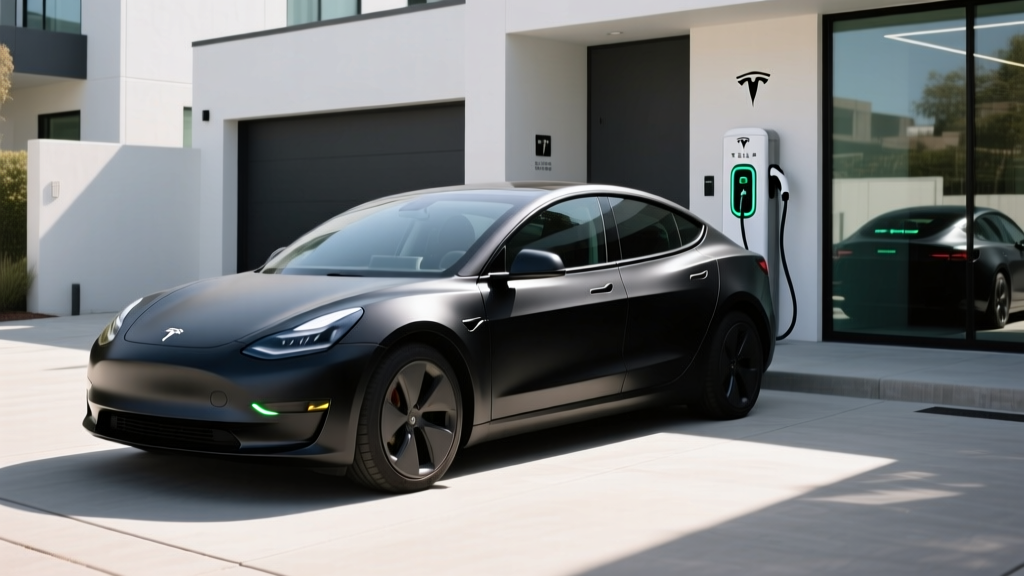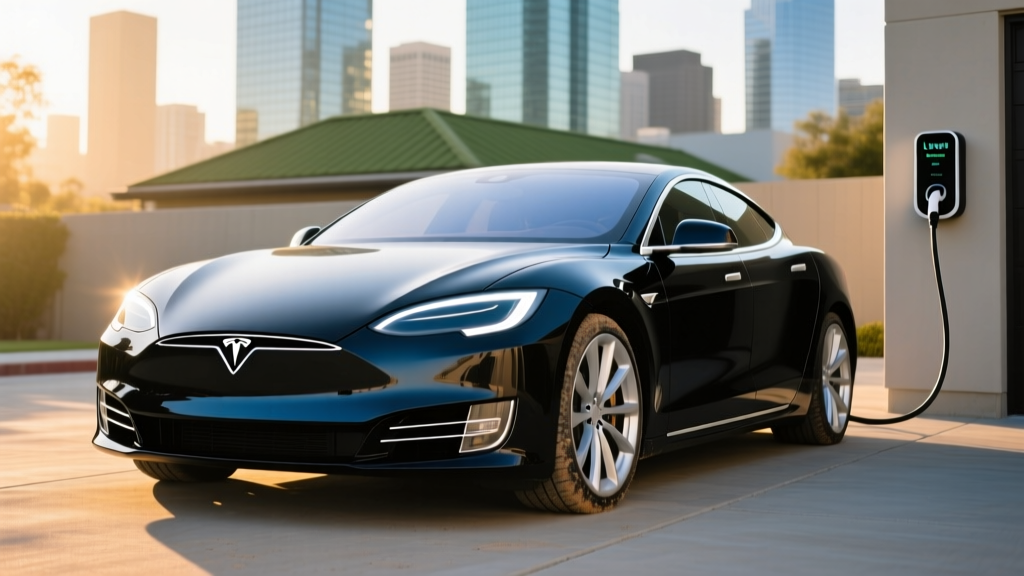
The Short Answer: Tesla Battery Longevity in 2026
When buyers ask "how many miles can a Tesla last?", they're really asking two overlapping questions: how far can a Tesla drive on a single charge, and how many total miles will the battery and drivetrain survive before requiring major service? The answer depends on which model you choose, which battery chemistry it uses, and how you charge and drive it.
Based on Tesla's own 2025 Impact Report data and independent fleet analyses, Tesla battery packs are designed to last between 300,000 and 500,000 miles before degrading to 70% of original capacity — well beyond the typical ownership cycle. The drivetrain (motors, reduction gear) has even fewer wear components and frequently outlasts the battery. But real-world longevity varies by model, chemistry, and charging habits. Let's break down every 2026 Tesla model with the exact numbers.
Real-World Range vs. EPA Sticker: What You'll Actually Get
EPA range estimates are measured under controlled laboratory conditions. They're useful for comparison shopping, but real-world range depends on speed, temperature, terrain, and climate-control use. Here's what the 2026 Tesla lineup delivers on paper and on the road.
EPA Estimated Range: 341 miles
Real-World Expectation: ~280–310 mi highway (70+ mph), ~240–270 mi in freezing weather, ~320+ mi city/suburban with regen. Efficiency: 132 MPGe combined / 25 kWh/100mi.
| Model / Trim | EPA Range | Usable Battery (kWh) | Chemistry | MPGe (Comb.) | kWh/100mi |
|---|---|---|---|---|---|
| Model 3 RWD | 272 mi | ~57.5 kWh | LFP | 132 MPGe | 25 |
| Model 3 Long Range AWD | 341 mi | ~75 kWh | NMC | 131 MPGe | 26 |
| Model 3 Performance | 315 mi | ~75 kWh | NMC | 121 MPGe | 28 |
| Model Y Long Range AWD | 320 mi | ~75 kWh | NMC | 122 MPGe | 28 |
| Model Y Performance | 293 mi | ~75 kWh | NMC | 117 MPGe | 29 |
| Model S Long Range | 402 mi | ~95 kWh | NMC | 120 MPGe | 28 |
| Model S Plaid | 359 mi | ~95 kWh | NMC | 111 MPGe | 30 |
| Model X Long Range | 335 mi | ~95 kWh | NMC | 107 MPGe | 31 |
| Cybertruck AWD | 340 mi | ~123 kWh | NMC | 78 MPGe | 43 |
Cold-weather reality check: In sub-freezing temperatures (below 32°F), expect a 15–30% reduction in range depending on how aggressively you use cabin heat. Tesla's standard heat pump (on all 2026 models) mitigates this significantly compared to older resistive-heating EVs, but physics still applies. Preconditioning the battery while plugged in recovers a meaningful portion of that loss.
Battery Chemistry: LFP vs. NMC and What It Means for Longevity
The single biggest factor in how many miles a Tesla can last is battery chemistry. Tesla uses two primary cell types across its 2026 lineup:
| Factor | LFP (Lithium Iron Phosphate) | NMC (Nickel Manganese Cobalt) |
|---|---|---|
| Models Using It | Model 3 RWD | Model 3 LR/Perf, Model Y, Model S, Model X, Cybertruck |
| Cycle Life | 3,000–5,000+ cycles | 1,500–2,500 cycles |
| Energy Density | Lower (heavier pack for same range) | Higher (lighter, more range per kg) |
| Recommended Daily Charge | 100% OK (Tesla recommends weekly 100%) | 80% daily, 100% only for trips |
| Cold Performance | Weaker in extreme cold | Better low-temp performance |
| Degradation Curve | Very flat — minimal loss over time | Gradual, ~10-12% over 200k mi |
| Estimated Total Mileage | 400,000–500,000+ mi to 70% SoH | 300,000–400,000 mi to 70% SoH |
What this means practically: If you buy a Model 3 RWD with an LFP pack and charge to 100% regularly, you could realistically drive the car for 400,000+ miles before the battery degrades enough to warrant replacement. That's roughly 27 years at 15,000 miles per year. The NMC packs in Long Range and Performance models still comfortably exceed 300,000 miles, but they benefit from daily charge limits of 80% and avoiding frequent DC fast charging above 90% SoC.
Tesla's own fleet data, published in their Impact Report, shows that Model S/X batteries retain approximately 88% capacity after 200,000 miles. Model 3/Y data shows similar or better retention, partly due to improved thermal management in the newer platform.
Charging Speed: DC Fast Charging and Home Level 2
Charging speed determines how livable a Tesla is on road trips and how convenient daily ownership feels. Here's the full charging picture for 2026 models.
| Model | Max DC Fast Charge (kW) | 10–80% Time | Level 2 Home Rate (kW) | Miles Added per Hour (L2) |
|---|---|---|---|---|
| Model 3 RWD (LFP) | 170 kW | ~25 min | 11.5 kW (48A) | ~37 mi/hr |
| Model 3 Long Range / Perf | 250 kW | ~18 min | 11.5 kW (48A) | ~44 mi/hr |
| Model Y Long Range / Perf | 250 kW | ~20 min | 11.5 kW (48A) | ~40 mi/hr |
| Model S / X | 250 kW | ~22 min | 11.5 kW (48A) | ~41 mi/hr |
| Cybertruck AWD | 250 kW (800V arch) | ~20 min | 11.5 kW (48A) | ~30 mi/hr |
Charging-curve reality: The peak kW figure is exactly that — a peak. Tesla's charge curve ramps quickly to maximum power between roughly 10–40% SoC, then progressively tapers. From 80–100%, charging slows dramatically to protect cell health. On a road trip, the practical strategy is to charge from 10–80% and drive on — the last 20% can take as long as the first 70%.
All 2026 Teslas use the NACS (North American Charging Standard) connector natively, giving access to the full Tesla Supercharger network — over 6,500 stations and 60,000+ connectors in North America as of early 2026. This remains the most reliable and widely available DC fast-charging network in the US, with typical V3/V4 stalls delivering 250–350 kW.
Performance, Drivetrain & What Wears Out First
Electric motors have far fewer moving parts than internal-combustion engines. There are no oil changes, no timing belts, no spark plugs, no exhaust systems. The reduction gearbox is a single-speed unit sealed for life. In practice, Tesla drive units routinely exceed 300,000 miles without rebuild.
| Model | 0–60 mph | Horsepower | Drivetrain | Top Speed |
|---|---|---|---|---|
| Model 3 RWD | 5.8 sec | 271 hp | RWD (single motor) | 125 mph |
| Model 3 Long Range AWD | 4.2 sec | 346 hp | AWD (dual motor) | 125 mph |
| Model 3 Performance | 2.9 sec | 510 hp | AWD (dual motor) | 163 mph |
| Model Y Long Range AWD | 4.8 sec | 384 hp | AWD (dual motor) | 135 mph |
| Model S Long Range | 3.1 sec | 670 hp | AWD (dual motor) | 155 mph |
| Model S Plaid | 1.99 sec | 1,020 hp | AWD (tri-motor) | 200 mph |
| Cybertruck AWD | 4.1 sec | 600 hp | AWD (dual motor) | 112 mph |
What actually needs replacing over 300k miles: Suspension components (control arms, bushings, shocks) typically need attention around 100,000–150,000 miles. The 12V auxiliary battery (now lithium-ion in all 2026 Teslas) lasts roughly 5–8 years. Tires wear faster on EVs due to instant torque and heavier curb weight — expect 25,000–40,000 miles per set depending on driving style. Brake pads last extraordinarily long (100,000+ mi) thanks to regenerative braking handling most deceleration.
Warranty Coverage: What Tesla Guarantees
Tesla's warranty provides a useful floor for longevity expectations. If the company is willing to guarantee a certain threshold, the engineering target is substantially higher.
| Coverage | Model 3 / Model Y | Model S / Model X | Cybertruck |
|---|---|---|---|
| Basic Vehicle | 4 yr / 50,000 mi | 4 yr / 50,000 mi | 4 yr / 50,000 mi |
| Battery & Drive Unit | 8 yr / 120,000 mi (LR/Perf) 8 yr / 100,000 mi (RWD) | 8 yr / 150,000 mi | 8 yr / 120,000 mi |
| Battery Capacity Threshold | 70% retention guaranteed | 70% retention guaranteed | 70% retention guaranteed |
The 70% capacity retention guarantee is significant. Tesla will replace or refurbish a pack that falls below this threshold within the warranty window. In practice, fleet data shows very few packs actually hit this floor — most degrade only 8–12% over the warranty period.
Battery replacement cost out of warranty: A full pack replacement ranges from approximately $12,000–$16,000 for Model 3/Y to $18,000–$22,000 for Model S/X, including labor. Third-party EV repair shops are increasingly offering module-level repairs for $3,000–$7,000, replacing only degraded cell groups rather than the entire pack.
Pricing, Tax Credits & Total Cost of Ownership
Here's where the 2026 Tesla lineup stands on pricing and federal incentive eligibility.
| Model / Trim | Base MSRP | Federal §30D Credit | Effective Price (if eligible) |
|---|---|---|---|
| Model 3 RWD | $38,990 | Up to $7,500 | ~$31,490 |
| Model 3 Long Range AWD | $44,990 | Up to $7,500 | ~$37,490 |
| Model 3 Performance | $52,990 | Up to $7,500 | ~$45,490 |
| Model Y Long Range AWD | $44,990 | Up to $7,500 | ~$37,490 |
| Model Y Performance | $48,990 | Up to $7,500 | ~$41,490 |
| Model S Long Range | $79,990 | $0 (over MSRP cap) | $79,990 |
| Model X Long Range | $84,990 | $0 (over MSRP cap) | $84,990 |
| Cybertruck AWD | $79,990 | $0 (over MSRP cap) | $79,990 |
- MSRP Cap: Sedans (Model 3) must be ≤$55,000; SUVs/trucks (Model Y, Cybertruck) must be ≤$80,000
- Buyer Income Cap: Modified AGI ≤$150,000 (single), ≤$225,000 (head of household), ≤$300,000 (joint)
- Battery Sourcing: Critical minerals and battery components must meet phased-in domestic/free-trade sourcing percentages (increasing annually through 2026)
- Point-of-Sale Transfer: Eligible buyers can apply the credit as an upfront discount at purchase rather than waiting for tax filing
- Verify current rules at IRS.gov — sourcing requirements and eligible VIN lists update periodically
5-year ownership cost context: At $0.13/kWh national average electricity cost and 15,000 miles/year, a Model 3 Long Range costs roughly $585/year to "fuel" — compared to approximately $1,800/year for a comparable gas sedan at 28 MPG and $3.40/gallon. Over five years, that's ~$6,000 in fuel savings alone, before factoring in reduced maintenance (no oil changes, minimal brake wear).
Cargo, Passenger Space & Daily Livability
Longevity isn't just about the battery — it's about whether the car remains practical for your life over a decade of ownership.
| Model | Cargo (rear seats up) | Cargo (seats folded) | Frunk | Rear Legroom |
|---|---|---|---|---|
| Model 3 | 23 cu ft | ~56 cu ft | 3.1 cu ft | 35.2 in |
| Model Y | 30 cu ft | ~72 cu ft | 4.1 cu ft | 36.5 in |
| Model S | 28 cu ft | ~63 cu ft | 5.3 cu ft | 35.4 in |
| Model X | 15 cu ft (behind 3rd row) | ~82 cu ft | 6.6 cu ft | 35.5 in (2nd row) |
| Cybertruck | 67 cu ft (bed) | N/A | 7.1 cu ft (frunk) | ~36 in |
Standout Tech, Driver Assistance & Notable Drawbacks
Tech highlights: All 2026 Teslas feature the 15.4-inch center touchscreen (Model 3/Y) or 17-inch (Model S/X) with over-the-air updates, integrated navigation with real-time Supercharger routing, Tesla's mobile app with remote preconditioning and Sentry Mode, and a growing library of entertainment apps for charging stops. The Juniper-refreshed Model 3 and Model Y also include ventilated front seats, ambient lighting, and a rear passenger touchscreen.
Tesla Autopilot (standard) and Full Self-Driving Supervised (optional, ~$8,000 or $99/month) are SAE Level 2 driver-assist systems. They provide adaptive cruise control, lane centering, and automated lane changes — but the driver must remain attentive, hands on or near the wheel, and ready to take over at any moment. These are not autonomous systems. Only Level 4 services like Waymo operate without a human driver.
Notable drawbacks:
- Panel gaps and paint quality remain inconsistent across Fremont and Austin-built vehicles — improved from prior years but still a common owner complaint at delivery
- No Apple CarPlay or Android Auto — Tesla's proprietary infotainment is the only interface; if you prefer phone-mirroring, this is a dealbreaker
- Ride firmness on Performance trims with larger wheels (19–21 inch) can be fatiguing on rough roads over long ownership
- Insurance costs run 15–30% higher than comparable gas vehicles due to repair costs and Tesla's aluminum/cast-body construction
- Cybertruck availability and build consistency remain limited; panel alignment and stainless-steel finish variability are ongoing issues
Who Should Buy a Tesla in 2026 — And Who Shouldn't
- You want access to the Supercharger network — still the most reliable DC fast-charging ecosystem in North America
- You prioritize over-the-air software updates that add features years after purchase
- You want maximum battery longevity data transparency (Tesla publishes fleet degradation data)
- You commute 30–80 miles daily and can charge at home overnight
- You road-trip 2–4 times per year and value 18–25 minute fast-charge stops
- You need Apple CarPlay/Android Auto integration
- You want a traditional dealer service experience (Tesla service is mobile/center-based only)
- You need a sub-$30,000 new EV (consider used Model 3 or competitors like the Chevy Equinox EV)
- You frequently tow heavy loads (Cybertruck handles this; Model Y maxes out at 3,500 lbs)
Tesla vs. Key Competitors: Is It Still Worth It?
| Spec | Tesla Model 3 LR AWD | Hyundai Ioniq 6 SEL | BMW i4 eDrive40 |
|---|---|---|---|
| EPA Range | 341 mi | 361 mi | 307 mi |
| Battery (kWh) | ~75 kWh (NMC) | 77.4 kWh (NMC) | 81.5 kWh (NMC) |
| Max DC Charge | 250 kW | 233 kW (800V) | 205 kW |
| 10–80% Time | ~18 min | ~18 min | ~31 min |
| 0–60 mph | 4.2 sec | 5.1 sec | 5.5 sec |
| Base MSRP | $44,990 | $42,600 | $57,900 |
| Charging Network | NACS (Supercharger native) | NACS adapter (2026) | NACS adapter (2026) |
| Battery Warranty | 8 yr / 120,000 mi | 10 yr / 100,000 mi | 8 yr / 80,000 mi |
The Ioniq 6 edges out the Model 3 on EPA range and has Hyundai's longer 10-year powertrain warranty, but Tesla's Supercharger access and real-world fleet longevity data remain unmatched. The BMW i4 offers premium interior quality but trails on value and charging speed. For buyers prioritizing how many miles the car will last over a decade, Tesla's published degradation data gives it a credibility edge that competitors haven't matched with equivalent transparency.
- Best-in-class Supercharger network access (native NACS)
- Published fleet battery degradation data — rare industry transparency
- LFP chemistry on Model 3 RWD offers exceptional cycle life (400k+ mi potential)
- Over-the-air updates add features throughout ownership
- Class-leading efficiency (kWh/100mi) across the lineup
- Strong resale value relative to most EV competitors
- No Apple CarPlay / Android Auto
- Insurance premiums 15–30% above comparable ICE vehicles
- Panel gap / paint inconsistency at delivery still reported
- Model S/X/Cybertruck exceed MSRP caps — no federal tax credit
- Service center wait times can stretch weeks in some metro areas
- FSD (Supervised) remains Level 2 despite the "Full Self-Driving" name
Frequently Asked Questions
How many miles can a Tesla battery last before it needs replacement?
Based on Tesla's fleet data and independent analysis, most Tesla battery packs retain 85–90% of original capacity at 200,000 miles. The engineering target is 300,000–500,000 miles before reaching 70% state of health (the warranty threshold). LFP packs in the Model 3 RWD are expected to exceed 400,000 miles under normal use. Full replacement is rarely needed within the typical ownership period.
Does frequent Supercharging degrade the battery faster?
Yes, but the effect is smaller than commonly feared. DC fast charging generates more heat than Level 2 charging, and heat accelerates cell degradation. Tesla's active thermal management system preconditions and cools the pack during Supercharging to mitigate this. Data from fleet studies suggests heavy Supercharging users see roughly 2–4% additional degradation over 100,000 miles compared to primarily home-charging owners. For maximum longevity, charge at home on Level 2 most days and use Superchargers for road trips.
What is the real-world range of a Tesla in winter?
Expect a 15–30% range reduction in sustained freezing temperatures. A Model 3 Long Range rated at 341 miles EPA may deliver 240–280 miles in 20°F weather with cabin heat active. The standard heat pump on all 2026 Teslas significantly reduces this penalty compared to older resistive-heating systems. Preconditioning while plugged in before departure recovers a meaningful portion of range by warming the battery and cabin using grid power.
Do Teslas hold their value better than other EVs?
Historically yes, though Tesla's aggressive price cuts in 2023–2025 disrupted resale values temporarily. As of early 2026, 3-year-old Model 3 and Model Y vehicles retain approximately 55–65% of original MSRP — better than most EVs but below Toyota/Honda ICE depreciation benchmarks. The Supercharger network and ongoing software support help sustain demand in the used market.
Is it worth buying a used Tesla with high mileage?
A used Tesla with 80,000–120,000 miles and documented battery health (viewable in the car's service menu or via third-party OBD tools) can be an excellent value. The drivetrain has minimal wear components. Key items to check: battery state of health percentage, suspension condition, and whether the 8-year battery warranty is still active. A 2021 Model 3 Long Range with 90,000 miles and 90% SoH has potentially 200,000+ miles of useful life remaining.
How does Tesla's longevity compare to Toyota or Honda?
Toyota and Honda gasoline vehicles are famous for reaching 200,000–300,000 miles with proper maintenance. A well-maintained Tesla can match or exceed that mileage with lower ongoing maintenance costs (no oil, fewer brake jobs, fewer fluid changes). The key difference: a gas car's engine can be rebuilt incrementally, while an EV's battery is a single large-cost item if it fails out of warranty. However, the data shows most Tesla batteries don't fail — they gradually lose capacity, and at 70% SoH the car is still fully drivable, just with reduced range.