Quick Answer: Is Honda's Electric SUV Worth It?
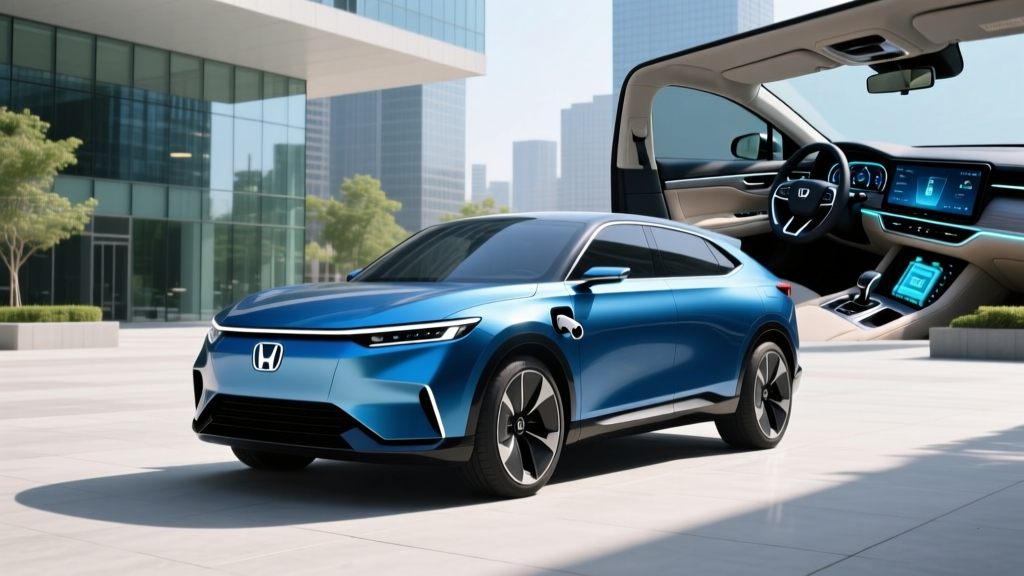
If you're searching for a Honda SUV electric option, the 2026 Honda Prologue is currently Honda's only all-electric SUV available in the U.S. It delivers an EPA-estimated 296 miles of range (FWD Elite trim), an 85 kWh usable NMC battery, and DC fast charging up to 150 kW (10–80% in approximately 30 minutes). Pricing starts at $47,400 MSRP (EX trim), and it qualifies for a point-of-sale federal tax credit up to $7,500 for eligible buyers — bringing the effective entry price near $39,900. However, if you lack reliable home charging, frequently drive in extreme cold, or regularly tow, Honda's hybrid CR-V (37 MPG combined) may still serve you better at lower upfront cost.
2026 Honda Prologue: The Current Honda Electric SUV Lineup
Honda's EV strategy has been cautious. Unlike Hyundai, Tesla, or Ford, Honda entered the dedicated EV SUV space late, launching the Prologue for the 2024 model year on GM's Ultium platform (co-developed under a partnership that has since evolved). For 2026, the Prologue remains Honda's sole battery-electric SUV offering, though Honda has announced a next-generation EV lineup built on its own 0 Series platform — expected no earlier than the 2027 model year.
The 2026 Prologue is offered in three trims:
- EX (FWD): $47,400 MSRP — 296 mi EPA range, 212 HP
- Touring (FWD): $51,700 MSRP — 296 mi EPA range, 212 HP, premium audio, panoramic roof
- Elite (AWD): $57,900 MSRP — 281 mi EPA range, 288 HP, heated/ventilated seats, 360° camera
| Spec | EX (FWD) | Touring (FWD) | Elite (AWD) |
|---|---|---|---|
| EPA Range | 296 mi | 296 mi | 281 mi |
| Battery (usable) | 85 kWh, NMC | 85 kWh, NMC | 85 kWh, NMC |
| Horsepower | 212 HP | 212 HP | 288 HP |
| 0–60 mph | ~7.6 sec | ~7.6 sec | ~6.2 sec |
| Max DC Fast Charge | 150 kW | 150 kW | 150 kW |
| 10–80% DC Charge | ~30 min | ~30 min | ~30 min |
| Level 2 (240V) Rate | 11.5 kW | 11.5 kW | 11.5 kW |
| MPGe (combined) | 99 MPGe | 99 MPGe | 95 MPGe |
| Towing Capacity | 1,500 lbs | 1,500 lbs | 1,500 lbs |
| Cargo (rear seats up) | 25.2 cu ft | 25.2 cu ft | 25.2 cu ft |
| Battery Warranty | 8 yr / 100,000 mi (≥70% capacity) | ||
| Base MSRP | $47,400 | $51,700 | $57,900 |
Source: fueleconomy.gov & Honda Newsroom
Real-World Range vs. EPA Sticker
The Prologue's EPA 296 miles is achieved under mixed driving conditions. In real-world use, expect:
- Highway-only (70 mph, 75°F): ~245–265 miles
- Cold weather (30°F, city/highway mix): ~210–240 miles (NMC chemistry loses ~15–25% range in freezing temps)
- Ideal conditions (city, mild climate, moderate speed): Up to ~300 miles
If your daily commute plus errands exceed 120 miles round-trip, you'll want home charging to start each day at full State of Charge (SoC).
Charging the Honda Prologue: Speeds, Networks, and Home Setup
The Prologue uses the CCS1 (Combined Charging System) connector for DC fast charging and the J1772 connector for Level 2 AC charging. Honda does not currently offer a NACS (Tesla-style) port on the Prologue, though adapters may become available for Supercharger access — check Honda's official guidance before purchasing third-party adapters.
| Charging Level | Power (kW) | Approx. Miles Added per Hour | Use Case |
|---|---|---|---|
| Level 1 (120V outlet) | ~1.4 kW | ~4–5 mi/hr | Emergency/top-up only |
| Level 2 (240V, 48A home charger) | 11.5 kW | ~35–38 mi/hr | Daily home charging; full charge in ~8 hrs |
| DC Fast Charge (peak) | 150 kW | ~200 mi in 30 min (10–80%) | Road trips, highway corridors |
Charging-curve reality check: The Prologue's 150 kW peak rate is sustained only between roughly 10–50% SoC. Above 60%, charge speed tapers significantly, and above 80% it drops to under 40 kW. This is standard NMC battery behavior — the battery management system protects cell longevity by reducing current at higher states of charge. On a road trip, plan stops around the 10–80% window for maximum efficiency; charging from 80–100% at a DC fast station is time-consuming and unnecessary unless you need the final miles.
Home Charging Installation: What It Actually Costs
Most Prologue owners will want a Level 2 home charger (240V, hardwired or NEMA 14-50 outlet). Here's a realistic cost breakdown based on 2025–2026 national averages:
| Component | Low End | High End |
|---|---|---|
| Level 2 charger unit (40A–48A) | $350 | $700 |
| Electrician labor (240V circuit run) | $500 | $2,000 |
| Electrical panel upgrade (if 100A → 200A needed) | $1,500 | $3,500 |
| Permits & inspection | $50 | $300 |
| Total (no panel upgrade) | $900 | $3,000 |
| Total (with panel upgrade) | $2,400 | $6,500 |
Honda includes a complimentary Level 2 home charging credit (typically $500 toward equipment or installation through a partner program) for new Prologue purchasers — verify current terms with your dealer. Always hire a licensed electrician for 240V work; improper installation creates fire risk and may void insurance coverage.
Prologue vs. Gas CR-V: 5-Year Cost of Ownership
The Prologue competes most directly with the Honda CR-V, Honda's best-selling compact SUV. The CR-V Hybrid (the volume seller) starts around $36,000 MSRP and achieves 40 MPG combined (per fueleconomy.gov). Here's how the numbers compare over five years and 75,000 miles of ownership:
| Cost Category | 2026 Prologue EX (EV) | 2026 CR-V Hybrid EX-L |
|---|---|---|
| MSRP (before incentives) | $47,400 | $36,350 |
| Federal tax credit (§30D, if eligible) | −$7,500 | $0 |
| Effective purchase price | $39,900 | $36,350 |
| Home charger installation | $2,000 (avg) | $0 |
| Fuel / electricity (75k mi) | $3,940 (home charging at $0.14/kWh) | $8,440 (gas at $3.50/gal, 40 MPG) |
| Maintenance (5 yr) | $1,200 (tire rotations, cabin filter, wipers) | $3,800 (oil changes, brakes, filters) |
| Insurance (5 yr, avg) | $9,500 | $7,800 |
| Total 5-year cost | $56,540 | $56,390 |
| Cost per mile (all-in) | $0.75 | $0.75 |
Key takeaways:
- The Prologue's higher insurance premiums (EVs typically cost 15–25% more to insure) and home charger install nearly erase the fuel and maintenance savings over five years.
- If you qualify for the full $7,500 federal credit, the Prologue becomes cost-competitive with the CR-V Hybrid. Without the credit, the CR-V Hybrid is significantly cheaper to own.
- EV maintenance savings are real — no oil changes, far less brake wear (regenerative braking extends pad life), and fewer moving parts — but they don't fully offset higher insurance.
- Resale value is harder to project. EV depreciation has been steeper than hybrids in recent years, though this varies by market.
Federal Tax Credit Eligibility: Who Qualifies for $7,500?
The Prologue may qualify for the federal EV tax credit under IRS §30D, available as a point-of-sale price reduction (not just a tax-time deduction) through participating dealers. However, eligibility depends on multiple criteria that change annually:
- Buyer income cap: Modified AGI ≤ $150,000 (single), ≤ $300,000 (joint), ≤ $225,000 (head of household)
- MSRP cap: SUVs/vans/pickups must be ≤ $80,000 (all Prologue trims qualify)
- Battery sourcing: Critical minerals and battery components must meet escalating domestic/free-trade-partner percentages — Honda has worked to meet 2026 thresholds, but verify with the dealer at purchase
- Vehicle assembly: Must be assembled in North America (Prologue is assembled in the U.S.)
- Point-of-sale transfer: You can transfer the credit to the dealer for an immediate price reduction, but you must file IRS Form 8936 with your tax return to confirm eligibility — if your income exceeds the cap, you'll owe the credit back
Always verify current rules at irs.gov and consult a tax professional before relying on credit eligibility.
Common Misconceptions About the Honda Electric SUV
| Myth | Fact |
|---|---|
| "The Prologue has 300+ miles of range in all conditions." | The EPA rating is 296 mi (FWD). Highway driving at 75 mph yields ~250 mi; freezing weather drops it to ~220 mi. Plan accordingly. |
| "I can charge it at any Tesla Supercharger." | The Prologue uses CCS1, not NACS. Tesla Supercharger access for non-Tesla vehicles is limited to select stations with Magic Dock adapters — check the Tesla app for live availability before relying on it. |
| "EV batteries need replacing every 5 years." | Honda warranties the Prologue battery for 8 years/100,000 miles against degradation below 70% capacity. Industry data shows NMC batteries typically retain 85–90% capacity at 100,000 miles with normal use. |
| "The tax credit is automatic for everyone." | Income caps, battery sourcing rules, and MSRP limits all apply. You must file IRS Form 8936 and may owe the credit back if you exceed income thresholds. |
| "It charges in 10 minutes." | 10–80% takes ~30 minutes at a 150 kW DC fast charger. Peak rate (150 kW) is sustained only briefly; the average rate over a full session is closer to 90–110 kW. |
Decision Framework: Should You Buy the Prologue or Look Elsewhere?
Choose the Honda Prologue if:
- You qualify for the $7,500 federal tax credit and want a mainstream-brand electric SUV with dealer support.
- You have (or can install) Level 2 home charging and drive under 200 miles round-trip on most days.
- You want a spacious, comfortable two-row SUV with Honda's familiar interior quality and infotainment layout.
- You live in a mild-to-moderate climate where cold-weather range loss is manageable.
- You value the Honda brand for service network access and don't want to rely on Tesla's ecosystem.
Look elsewhere if:
- No home charging access: Public-only charging is expensive ($0.35–$0.50/kWh at DC fast stations), time-consuming, and unreliable in many areas. A CR-V Hybrid makes far more sense.
- Regular towing needs: The Prologue's 1,500-lb tow rating is modest. Consider a gas/hybrid SUV or an EV with higher tow capacity (e.g., Ford F-150 Lightning, Rivian R1S).
- Extreme cold climate (frequent sub-20°F): Expect 20–30% range loss. If your daily driving exceeds 150 miles in winter, the Prologue's effective range may not suffice without mid-day charging.
- Budget under $35,000: Even with the tax credit, the Prologue starts near $40K. The CR-V Hybrid LX ($34,000) or a used EV may fit better.
- You want the latest EV tech: The Prologue's 150 kW peak charge rate and Ultium-based architecture are competent but not class-leading. The Hyundai Ioniq 5 (peak 240 kW, 10–80% in ~18 min) charges significantly faster.
First-Time EV Buyer Checklist for the Prologue
If the Prologue is your first electric vehicle, here's what to prepare before delivery day:
- Assess your electrical panel: Do you have a 200-amp panel with spare breaker slots? A 48A Level 2 charger draws 60A continuous — most homes need a 60A dedicated breaker. If your panel is 100A or near capacity, budget $1,500–$3,500 for an upgrade.
- Install the charger before the car arrives: Electrician lead times can be 2–6 weeks. Schedule early.
- Download and test charging apps: ChargePoint, EVgo, and Electrify America are the major public networks. Create accounts and link a payment method before your first road trip.
- Understand preconditioning: The Prologue can precondition its battery (warm it to optimal temperature) before a DC fast charge session. Enable navigation-based preconditioning in settings — this can improve charge speed by 20–30% in cold weather.
- Set charging limits: For daily driving, charge to 80% SoC to extend NMC battery longevity. Charge to 100% only when you need maximum range for a trip.
- Review your insurance options: EV insurance premiums are higher on average. Get quotes from multiple providers — some offer EV-specific discounts.
What's Next for Honda's Electric SUV Lineup?
Honda has announced its 0 Series platform — a dedicated EV architecture promising thinner batteries, lighter weight, and faster charging. The first 0 Series SUV is expected for the 2027 model year, likely positioned as a more compact and affordable alternative to the Prologue. Honda has also signaled a smaller electric SUV for global markets, though U.S. availability and pricing remain unconfirmed.
Until then, the Prologue is Honda's electric SUV offering — a capable, comfortable vehicle that trades cutting-edge EV performance for Honda's trademark practicality and dealer familiarity. It's not the fastest-charging or longest-range option in its class, but for the right buyer with home charging and tax-credit eligibility, it's a solid entry into electric ownership.
Does the Honda Prologue qualify for the $7,500 federal tax credit?
The Prologue may qualify for up to $7,500 under IRS §30D, available as a point-of-sale reduction. Eligibility depends on your income (≤$150K single / ≤$300K joint), battery sourcing requirements, and North American assembly (the Prologue qualifies). Always verify current-year rules at irs.gov and consult a tax professional.
What is the real-world range of the Honda Prologue?
The EPA rates the FWD Prologue at 296 miles. Real-world highway driving at 70+ mph typically yields 245–265 miles. In freezing temperatures, expect 210–240 miles. City driving in mild conditions can approach or slightly exceed the EPA figure.
Can I charge the Honda Prologue at Tesla Superchargers?
The Prologue uses the CCS1 connector, not Tesla's NACS. Some Tesla Supercharger stations offer a "Magic Dock" adapter for non-Tesla CCS vehicles, but availability is limited. Check the Tesla app or PlugShare for compatible stations. Honda has not announced a NACS adapter for the Prologue as of early 2026.
How long does it take to charge the Prologue at home?
On a Level 2 home charger (240V, 48A / 11.5 kW), a full 0–100% charge takes approximately 8 hours. Most owners charge from 20–80% overnight, which takes about 4.5 hours and is better for long-term battery health.
Is the Honda Prologue better than the CR-V Hybrid?
It depends on your situation. The Prologue offers lower fuel and maintenance costs if you have home charging and qualify for the tax credit, but higher insurance and upfront cost. The CR-V Hybrid (40 MPG combined, ~$36K MSRP) is cheaper overall if you don't qualify for credits, lack home charging, or drive in extreme cold frequently.