Quick Answer: Where Honda EV Sales Stand in 2026
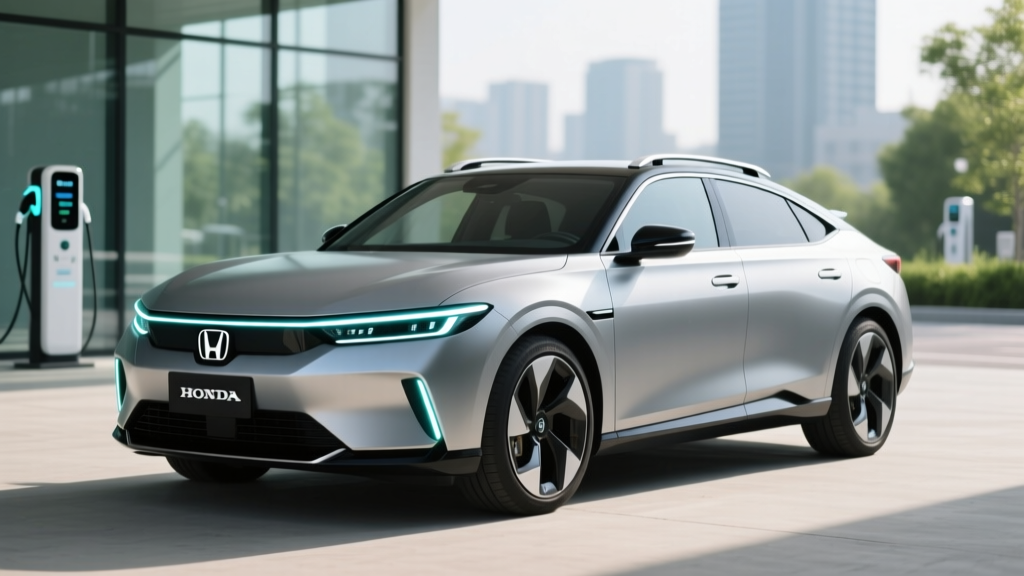
Honda's U.S. electric vehicle lineup in 2026 centers on the Honda Prologue (an all-electric midsize SUV built on GM's Ultium platform) and the newly introduced Acura ZDX counterpart. Honda EV sales have been climbing since the Prologue's 2024 launch, with the automaker targeting over 100,000 annual EV units across North America by late 2026. The Prologue starts at $47,400 (before incentives), offers up to 296 miles of EPA range, and qualifies for partial or full federal tax credits depending on trim and buyer eligibility. Honda is also preparing its own ground-up EVs on a new dedicated platform for 2027+, but for now, buyers are choosing between the Prologue and Honda's strong hybrid lineup.
Honda's Current EV Lineup: The Prologue and Beyond
Honda took a pragmatic approach to electrification by partnering with General Motors. The result is the Honda Prologue, which shares its Ultium battery architecture with the Chevrolet Blazer EV and Cadillac Lyriq. For 2026, the Prologue is available in three trims:
| Spec | EX (FWD) | Touring (AWD) | Elite (AWD) |
|---|---|---|---|
| Base MSRP | $47,400 | $53,400 | $57,900 |
| Battery (usable) | 85 kWh (NMC) | 85 kWh (NMC) | 85 kWh (NMC) |
| EPA Range | 296 mi | 281 mi | 273 mi |
| Motor Output | 213 hp / 236 lb-ft | 288 hp / 333 lb-ft | 288 hp / 333 lb-ft |
| 0-60 mph | ~7.5 sec | ~5.8 sec | ~5.8 sec |
| Max DC Fast Charge | 150 kW | 150 kW | 150 kW |
| 10-80% DCFC Time | ~34 min | ~34 min | ~34 min |
| Level 2 Rate (11.5 kW) | ~9.5 hrs (0-100%) | ~9.5 hrs | ~9.5 hrs |
| MPGe (combined) | 94 MPGe | 90 MPGe | 88 MPGe |
Source: fueleconomy.gov and Honda Newsroom, 2026 model year.
Real-World Range Reality: The Prologue EX's 296-mile EPA estimate is respectable, but expect ~240-260 miles on sustained highway driving at 70+ mph. In cold weather (below 32°F), plan for a 20-30% range reduction, dropping effective range to ~190-220 miles without preconditioning. The Prologue does include a heat pump, which helps mitigate winter losses compared to resistive heating systems.
Honda Prologue vs. Gas and Hybrid: Cost Comparison
The most common question from shoppers researching Honda electric vehicle sales is whether the Prologue saves money versus a gas-powered Honda Passport or a Honda CR-V Hybrid. Let's run the numbers over a 5-year ownership period at 15,000 miles per year.
| Cost Factor (5 yr / 75k mi) | Prologue EX ($47,400) | CR-V Hybrid ($35,350) | Passport ($41,100) |
|---|---|---|---|
| Purchase Price | $47,400 | $35,350 | $41,100 |
| Fed. Tax Credit (§30D) | Up to -$7,500* | $0 | $0 |
| Effective Purchase | ~$39,900 | $35,350 | $41,100 |
| Fuel / Charging Cost | ~$3,900 (home L2)** | ~$7,200 | ~$9,400 |
| Maintenance | ~$1,800 | ~$3,200 | ~$3,500 |
| Insurance (est.) | ~$9,500 | ~$7,800 | ~$8,200 |
| 5-Year Total | ~$55,100 | ~$53,550 | ~$62,200 |
* §30D eligibility depends on buyer income (≤$150k single / ≤$300k joint), MSRP caps ($80k for SUVs), and battery critical-mineral sourcing rules. Confirm via IRS.gov and your tax professional. Credit may transfer at point of sale.
** Based on $0.14/kWh national average home electricity rate and 31 kWh/100mi efficiency. Public DCFC charging at $0.35-0.55/kWh raises costs significantly.
The Prologue narrows the gap with the CR-V Hybrid substantially once the tax credit and fuel savings are factored in, but it does not automatically win on pure economics. The Passport, however, is clearly more expensive to operate over five years.
Real-World Ownership: What Honda EV Buyers Should Know
Honda electric vehicle sales are growing partly because the Prologue drives like a conventional Honda — comfortable, quiet, and intuitive. But EV ownership involves logistics that gas-car buyers never think about.
Home Charging Access
If you can install a Level 2 (240V) home charger, the Prologue is a seamless daily driver. A full charge from empty takes about 9.5 hours on an 11.5 kW Level 2 unit, meaning you wake up to a full battery every morning. Expect to pay $800-$2,200 for a quality Level 2 charger plus professional installation, assuming your electrical panel has capacity. If a panel upgrade to 200A is needed, add $1,500-$3,000.
If you lack home charging access — apartment dwellers, street parkers — the Prologue's 150 kW DC fast-charging capability means you can add roughly 130 miles in 20 minutes at a public station. But relying exclusively on public DCFC will roughly double your per-mile energy cost versus home charging.
Charging Curve Reality
The Prologue's 150 kW peak rate is useful but not class-leading. For context, Hyundai/Kia's E-GMP platform peaks at 240 kW and charges 10-80% in ~18 minutes. The Prologue's ~34-minute 10-80% time is adequate for road trips but means longer stops. Also, like all NMC batteries, the charge rate tapers significantly above 80% SoC — a 80-100% top-off can add another 25-30 minutes. Plan road-trip stops around the 10-80% window.
Climate Considerations
The Prologue's heat pump is a genuine advantage in cold climates. It moves ambient heat rather than generating it resistively, preserving more range in winter. Owners in northern states should still expect meaningful range loss but can precondition the battery while plugged in to mitigate charging slowdowns in freezing temperatures.
Common Misconceptions About Honda's EV Strategy
| Myth | Fact |
|---|---|
| "Honda doesn't make real EVs" | The Prologue is a production EV sold nationwide since 2024, with over 50,000 units delivered through 2025. Honda's own dedicated EV platform arrives for the 2027 model year. |
| "The Prologue is just a rebadged Chevy" | While it shares the Ultium platform with GM, Honda tuned the suspension, steering, interior materials, and software independently. The driving experience and cabin are distinctly Honda. |
| "EV batteries need replacing every few years" | Honda warranties the Prologue's battery for 8 years / 100,000 miles against degradation below 70% capacity. Real-world data from Ultium vehicles shows ~5-8% degradation over the first 3 years under normal use. |
| "I'll save thousands every year on fuel" | Savings depend heavily on your electricity rate and driving. At $0.14/kWh and 15,000 mi/yr, you'll save roughly $1,000-$1,400/year versus a 25 MPG gas SUV. If you rely on expensive public DCFC, savings shrink to $300-$500/year. |
| "The Prologue qualifies for the full $7,500 credit" | Eligibility depends on your income, the vehicle's MSRP, and battery sourcing. The Prologue has qualified for the full credit at point of sale for many buyers, but critical-mineral and battery-component rules shift annually. Always verify current-year rules on IRS.gov. |
Decision Framework: Is a Honda EV Right for You?
Buy the Honda Prologue if:
- You want a comfortable, midsize electric SUV with a familiar Honda driving feel and strong build quality
- You have home Level 2 charging access or a reliable nearby DCFC station
- Your daily commute is under 80 miles round-trip (covering ~90% of U.S. drivers)
- You value the available §30D tax credit and can confirm eligibility before purchase
- You prefer a conventional SUV design over futuristic styling
Consider a Honda Hybrid (CR-V Hybrid, Accord Hybrid) instead if:
- You cannot charge at home and public charging infrastructure in your area is sparse
- You regularly drive 300+ miles in a single day in cold weather
- Your budget is strictly under $35,000 and you don't want to wait for a tax credit refund
- You live in a rural charging desert and take frequent long road trips
Wait for Honda's dedicated EV platform (2027+) if:
- You want faster DC charging (Honda has targeted 200+ kW on its next-gen architecture)
- You prefer a vehicle designed from the ground up as an EV (flat floor, frunk, optimized packaging)
- Current Prologue range or tech doesn't meet your needs
What Honda's EV Sales Trajectory Means for Buyers
Honda electric vehicle sales figures reflect a brand in transition. The Prologue gave Honda an immediate, competitive EV in dealerships without waiting for its own platform development. Sales data from 2025 showed the Prologue outpacing several legacy-nameplate EVs in the midsize SUV segment, largely due to Honda's strong dealer network and brand loyalty among CR-V and Accord owners.
For buyers, this sales momentum has practical benefits:
- Dealer familiarity: More Honda dealers now have EV-trained service staff and demo vehicles for test drives
- Resale confidence: Stronger sales volumes correlate with better long-term parts availability and resale value
- Charging network growth: Honda is a founding member of the Ionna charging joint venture (with BMW, GM, Hyundai, Kia, Mercedes, and Stellantis), which plans to deploy 30,000+ high-power chargers across North America
However, Honda's EV lineup remains limited compared to Hyundai/Kia (Ioniq 5, Ioniq 6, EV6, EV9) or Tesla (Model Y). If you're cross-shopping, the Prologue competes most directly with the Hyundai Ioniq 5 (311 mi EPA, 240 kW DCFC), Kia EV6 (310 mi, 240 kW), and Volkswagen ID.4 (291 mi, 175 kW). The Prologue trades charging speed for ride comfort and cabin refinement.
Frequently Asked Questions
Does Honda make any fully electric vehicles in 2026?
Yes. The Honda Prologue is a fully electric midsize SUV available nationwide. It uses GM's Ultium battery platform and offers up to 296 miles of EPA range. Honda also sells the electric Acura ZDX, which shares the same architecture. Honda's own in-house EV platform is expected for the 2027 model year.
How much does it cost to charge a Honda Prologue at home?
At the national average electricity rate of $0.14/kWh, a full charge of the Prologue's 85 kWh battery costs approximately $11.90. For a typical driver covering 15,000 miles per year at 31 kWh/100mi, annual home charging costs run about $650-$700 — roughly one-third the cost of fueling an equivalent gas SUV.
Is the Honda Prologue eligible for the $7,500 federal tax credit?
The Prologue has qualified for the §30D federal EV tax credit for many buyers, potentially transferable at the point of sale as a discount. However, eligibility depends on your adjusted gross income (≤$150,000 single / ≤$300,000 joint), the vehicle MSRP (must be ≤$80,000 for SUVs), and battery component/critical-mineral sourcing rules that change annually. Always verify on fueleconomy.gov and consult a tax professional.
How does the Prologue compare to a Honda CR-V Hybrid?
The CR-V Hybrid starts about $12,000 lower, gets 40 MPG combined, and requires no charging infrastructure. The Prologue costs less to "fuel" per mile, has lower maintenance costs, and may qualify for a $7,500 credit that narrows the price gap. Over 5 years, total cost of ownership is within ~$1,500 between the two — making the choice depend more on your charging access and daily driving patterns than pure economics.
What is the battery warranty on the Honda Prologue?
Honda provides an 8-year / 100,000-mile warranty on the Prologue's high-voltage battery, guaranteeing it will retain at least 70% of its original capacity. The vehicle's basic warranty is 3 years / 36,000 miles, and the powertrain warranty covers 5 years / 60,000 miles.
Will Honda release more EVs after the Prologue?
Yes. Honda has announced a new dedicated EV platform for North America, with the first models expected for the 2027 model year. These will feature Honda-developed batteries, faster DC charging capability, and design optimized for EV packaging (flat floors, potential frunk space). Honda aims for EVs to represent a significant share of its U.S. sales by 2030.