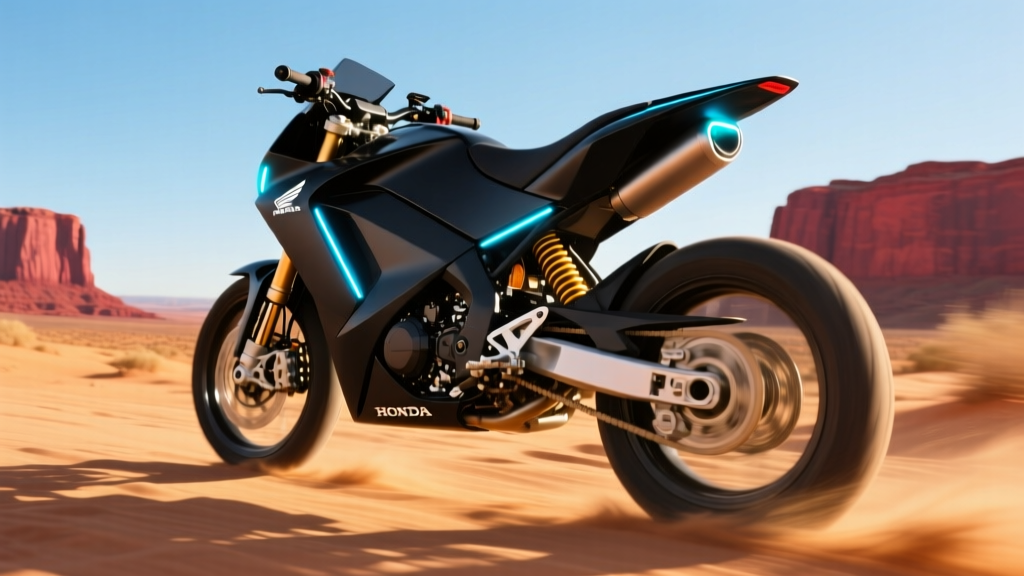
Quick Answer: As of early 2026, Honda's electric motocross offering centers on the CRF-E concept and the production CRF250 Rally-E prototype shown at Tokyo Motor Show, but Honda has not yet released a full-size, competition-ready electric motocross bike for the U.S. market. The closest buyable Honda electric two-wheeler is the EM1 e: urban scooter (not a motocross bike). For riders specifically seeking an electric motocross bike today, competitors like the KTM Freeride E-XC (~$11,000) and Stark Varg MX (~$13,000) are available, while Honda's off-road EV remains in announced/prototype status. If Honda does bring a CRF-E production model to market, expect pricing above $10,000, a battery in the 4–6 kWh range, and roughly 1–2 hours of hard riding per charge.
Where Honda's Electric Motocross Program Stands in 2026
Honda has signaled serious intent in the off-road electric space, but intent has not yet translated into a showroom-ready Honda electric motocross bike for American buyers. The CRF-E concept, unveiled as a technology demonstrator, showcases a lightweight chromoly frame, a swappable battery pack, and an electric motor producing torque figures competitive with 250cc four-stroke gas bikes. However, Honda's official U.S. powersports lineup for 2026 still lists the EM1 e: scooter and the CB750 E-Clutch as its primary electric or electrified two-wheelers — no electric MX machine is available for purchase.
This matters because search interest in the "honda electric motocross bike" has grown steadily, driven by motocross forums and YouTube previews, but buyers arriving at dealerships will find nothing to test-ride in this category yet. Honda's approach mirrors its cautious automotive EV strategy: validate the technology, ensure durability for competition use, then scale production.
For context, Honda's official powersports site lists the CRF450R and CRF250R gas motocross bikes as the current competition lineup, with no electric variant carrying an MSRP or availability date.
Specs and Engineering: What We Know About the CRF-E Platform
Based on Honda's published concept data and trade-show presentations, here is what the CRF-E platform targets:
| Specification | CRF-E (Concept/Estimated) | CRF250R (Gas, 2026) |
|---|---|---|
| Motor Output | ~35–45 kW peak (est.) | N/A (ICE) |
| Horsepower Equivalent | ~47–60 hp (est.) | ~44 hp |
| Battery Capacity | 4–6 kWh (est., swappable) | 1.3 gal fuel tank |
| Battery Chemistry | Likely NMC for energy density | N/A |
| Weight (wet) | ~230–250 lbs (est.) | ~228 lbs |
| Ride Time (hard MX) | ~45–90 min (est.) | ~1.5–2 hrs per tank |
| Charge Time (Level 1, 120V) | ~3–4 hours (est.) | Refuel in 2 min |
| Top Speed | ~60–70 mph (est.) | ~75 mph |
| Estimated MSRP | $10,000–$14,000 (if produced) | $8,299 |
kWh vs. kW reminder: kWh (kilowatt-hours) measures the battery's total energy capacity — think of it as the "fuel tank size." kW (kilowatts) measures the motor's power output or the charge rate — think of it as "horsepower" or "how fast you can refuel." A 5 kWh battery powering a 40 kW motor will deplete in roughly 7.5 minutes at full continuous output, which is why ride-time estimates assume variable throttle use, not sustained peak draw.
Electric Motocross vs. Gas Dirt Bikes: Cost and Performance Compared
Even without a production Honda electric motocross bike, the broader EV-vs-gas comparison applies to any rider considering electric off-road. Here is how the economics stack up using available electric MX bikes (Stark Varg, KTM Freeride) versus a typical 250cc gas bike:
| Cost Factor | Electric MX Bike | Gas 250cc MX Bike |
|---|---|---|
| Purchase Price | $11,000–$14,000 | $8,000–$9,500 |
| Energy/Fuel Per Hour | ~$0.50–$1.20 (home charging) | ~$4–$7 (premix fuel) |
| Annual Energy (100 hrs) | $50–$120 | $400–$700 |
| Oil Changes / Top-End Rebuilds | $0 | $200–$800/yr |
| Air Filter / Chain Maintenance | Minimal (chain lube) | $50–$150/yr |
| 5-Year Energy + Maintenance | ~$500–$1,200 | ~$3,500–$7,500 |
| Battery Replacement (if needed) | $2,000–$4,000 | N/A |
The upfront premium for electric is substantial — roughly $3,000–$5,000 more than a comparable gas bike. But operating costs drop dramatically. A rider who logs 100 hours per year saves approximately $500–$900 annually on fuel and engine maintenance. The break-even point typically arrives in 4–7 years, depending on riding frequency and local electricity rates.
One critical caveat: battery degradation. NMC cells in motocross applications face extreme discharge rates, vibration, and heat. Expect 15–25% capacity loss over 5 years of aggressive use, which directly reduces ride time. Unlike a gas bike where a top-end rebuild restores performance, battery degradation is gradual and irreversible without cell replacement.
Real-World Ownership: Charging, Climate, and Riding Patterns
Owning any electric off-road vehicle — Honda's eventual offering included — introduces logistics that gas riders don't face:
Home Charging Access
Most electric MX bikes charge on a standard 120V household outlet (Level 1), adding roughly 1–2 kWh per hour. A 5 kWh battery takes 3–5 hours from empty. This works fine if you ride at a private property or your own land. However, if you ride at a public motocross park with no electrical infrastructure, you'll need to bring a portable generator or limit sessions to a single battery's worth of riding.
Cold-Weather Impact
Lithium-ion batteries lose 15–30% of usable capacity in temperatures below 40°F. A bike delivering 90 minutes of ride time in July might give you 60–70 minutes in November. Cold also slows charging speed. Riders in northern climates should plan for shorter winter sessions or invest in battery warming solutions if the manufacturer offers them.
Riding Patterns That Favor Electric
Electric motocross bikes excel in specific scenarios:
- Practice and training: Quiet operation means you can ride on private property without noise complaints — a massive advantage over gas bikes.
- Short, intense sessions: 30–45 minute motos with breaks in between align well with battery capacity and allow passive cooling.
- Trail riding near residential areas: Near-silent operation opens access to trails where gas bikes are banned.
Riding Patterns That Favor Gas
- All-day events: Race days with multiple motos and no charging infrastructure demand gas refueling speed.
- Remote backcountry riding: No outlets in the wilderness — gas is still king for adventure and enduro.
- High-speed desert runs: Sustained high-speed riding drains EV batteries rapidly; gas bikes have superior range at speed.
Common Misconceptions About Electric Motocross Bikes
| Myth | Fact |
|---|---|
| "Electric dirt bikes have no power" | Modern electric MX motors deliver instant peak torque — the Stark Varg produces 80 hp, exceeding most 450cc gas bikes off the line. |
| "You can't ride in the rain" | Production electric MX bikes carry IP67 or IP68 ratings for the battery and motor, meaning submersion protection. Rain and mud are fine; deep water crossings require checking manufacturer depth limits. |
| "The battery will die in 2 years" | NMC cells rated for 800–1,500 full cycles will last 5–10 years with typical use (partial cycles, not daily 100% to 0% drains). Capacity fades gradually; the bike remains rideable, just with shorter sessions. |
| "Electric bikes are heavier and handle worse" | Early models were heavier, but 2025–2026 designs (KTM Freeride E-XC at ~245 lbs) match gas bike weights closely. Low center of gravity from battery placement can actually improve handling. |
| "Honda already sells one" | As of 2026, Honda has not released a production electric motocross bike in the U.S. The CRF-E remains a concept/prototype. |
Tax Credits and Incentives: Do They Apply to Electric Motorcycles?
The federal §30D clean vehicle tax credit applies specifically to four-wheeled vehicles (cars, trucks, SUVs, vans). Electric motorcycles and off-road bikes do not qualify for the up-to-$7,500 federal EV tax credit. This is a common point of confusion for buyers cross-shopping electric vehicles.
However, some states and utility companies offer rebates for electric two-wheelers. California's Clean Fuel Reward program has historically included electric motorcycles, and certain municipal utilities offer $200–$500 rebates for electric off-road vehicles. Check your state's energy office and local utility for current programs — these vary by jurisdiction and change annually.
For riders who also own an electric car, home Level 2 charger installation costs (typically $500–$2,000 including equipment and electrician labor) serve double duty: the same 240V circuit can charge both your EV and your electric motorcycle (with appropriate adapter or dedicated outlet), improving the overall economics of your garage's electrification.
Decision Framework: Should You Wait for Honda or Buy Now?
Choose to wait for a Honda electric motocross bike if:
- You are a loyal Honda rider and value dealer support, parts availability, and brand-specific ergonomics
- Your current gas bike is still running well and you don't need to replace it within 12–18 months
- You want to see real-world durability data from early adopters of the CRF-E before committing $10,000+
- You ride primarily at tracks with no charging infrastructure and need Honda's rumored swappable-battery system
Choose to buy an available electric MX bike now (KTM, Stark, or other) if:
- Noise restrictions at your local track or property are limiting your riding today
- You ride 50+ hours per year and want to start saving on fuel and maintenance costs immediately
- You ride primarily on private property with access to a standard outlet for between-session charging
- You want instant torque and the ability to dial power delivery electronically — features gas bikes can't match
Stick with gas for now if:
- You compete in AMA-sanctioned events where electric classes are not yet established
- You ride all-day enduros or remote adventure routes with no electrical access
- Your budget is under $8,000 and you need a proven, readily serviceable machine
Frequently Asked Questions
When will Honda release an electric motocross bike in the U.S.?
Honda has not announced a firm U.S. release date for a production electric motocross bike as of early 2026. The CRF-E concept has been shown at international trade shows, and Honda's electrification roadmap targets expanded two-wheeler EV offerings by 2027–2028. Monitor Honda's powersports announcements for updates.
How much would a Honda electric motocross bike cost?
No official MSRP exists. Based on the concept's positioning and competitor pricing (Stark Varg at ~$13,000, KTM Freeride E-XC at ~$11,000), a production Honda electric MX bike would likely price between $10,000 and $14,000. This represents a $2,000–$5,000 premium over the gas CRF250R at $8,299.
Can I charge an electric motocross bike from a regular outlet?
Yes. Most electric off-road bikes are designed to charge on standard 120V household outlets (Level 1 equivalent), though charging is slow — typically 3–5 hours for a full battery. A 240V Level 2 setup (the same used for electric cars) can cut this to 1–2 hours if the bike's onboard charger supports it.
Are electric motocross bikes allowed at public MX tracks?
It depends on the track. Many tracks are beginning to allow electric bikes, especially during practice sessions, due to their near-silent operation. Some tracks have created electric-only practice groups. However, AMA-sanctioned race events generally do not yet have electric classes. Check with your local track before purchasing.
How does cold weather affect an electric dirt bike's battery?
Lithium-ion batteries lose approximately 15–30% of usable capacity below 40°F, and charging speed slows significantly. Riders in cold climates should store the battery indoors and install it shortly before riding. Some manufacturers offer battery pre-conditioning features, but this is more common in electric cars than in motorcycles currently.
What is the realistic ride time on a single charge?
For a 4–6 kWh battery under hard motocross use (full throttle, jumps, berms), expect 45–90 minutes. Gentle trail riding can extend this to 2–3 hours. This is comparable to a gas bike's fuel-tank duration under similar conditions, but refueling takes 2 minutes while recharging takes hours — the key operational difference.