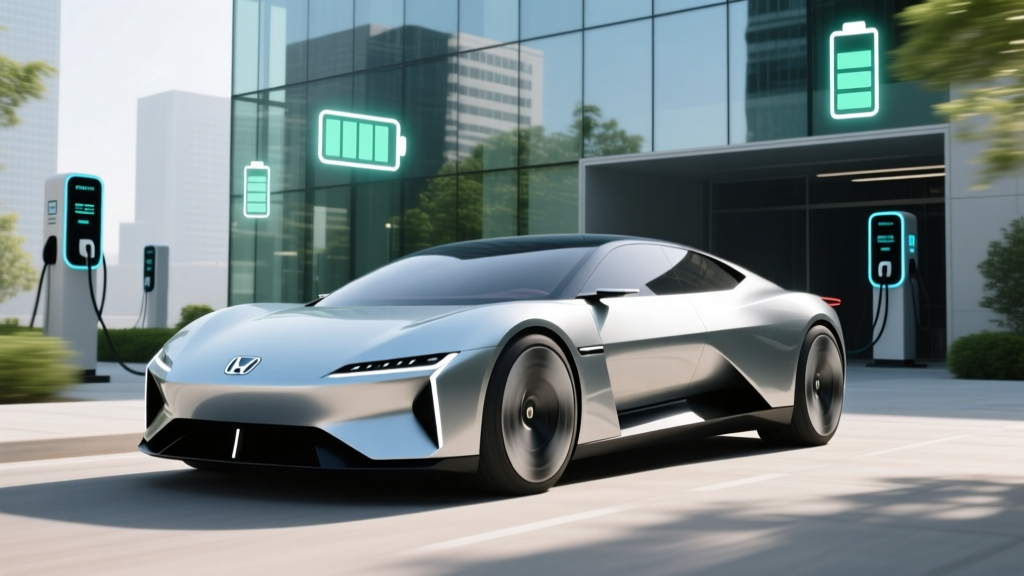
Honda confirmed in early 2026 that it has shelved three battery-electric models previously slated for the U.S. market — a move that signals cooling consumer appetite for large, expensive EVs and a strategic pivot back toward hybrids. If you were waiting on a Honda EV SUV or sedan, those vehicles are not coming. The question now is: what should you buy instead, and does this shift change the EV ownership calculus?
The Short Answer
Honda canceled three planned U.S. electric vehicles amid declining demand, including a midsize electric SUV and two additional models that were part of its Honda 0 Series EV roadmap. Honda is redirecting investment toward hybrids (like the updated Accord Hybrid and CR-V Hybrid) and delaying its U.S.-built EV timeline. If you're a Honda loyalist, your best electrified option in 2026 remains the Prologue (EPA range up to 296 miles, starting around $47,400) or one of Honda's strong hybrid models. If you want a fully electric midsize SUV, you'll need to look at competitors like the Hyundai Ioniq 5, Tesla Model Y, or Ford Mustang Mach-E.
Why Honda Canceled Three EVs: The Demand Reality
Honda's decision isn't happening in a vacuum. The U.S. EV market in 2026 is characterized by a few hard truths that automakers can no longer ignore:
- EV sales growth has flattened. After years of 40-60% annual growth, U.S. EV sales grew roughly 7-10% year-over-year in 2025, per Kelley Blue Book estimates. Hybrids, by contrast, surged over 30%.
- Average transaction prices remain high. The average new EV sold for approximately $53,000 in late 2025 — still well above the $47,000 average for all new vehicles.
- Charging infrastructure gaps persist. While the Tesla Supercharger network (now open to NACS-equipped vehicles from most brands) and Electrify America have expanded, rural and apartment-dweller access remains a real barrier.
- Tax credit uncertainty. The §30D federal EV tax credit remains available for qualifying buyers, but battery sourcing and critical mineral requirements under IRS rules have narrowed the list of eligible vehicles.
Honda's canceled models were reportedly aimed at the midsize and large SUV segments — exactly where buyers are choosing three-row hybrids and plug-in hybrids over battery-electric alternatives. The math for consumers is straightforward: a hybrid CR-V gets you 40 MPG combined without charging infrastructure concerns, while a $55,000+ electric SUV requires home charging, route planning on road trips, and acceptance of cold-weather range loss.
What Honda EV Buyers Can Actually Get in 2026
With three models off the table, Honda's U.S. EV lineup narrows considerably. Here's what's available or confirmed:
| Model | EPA Range | Battery | Peak DC Charge | 10-80% Time | 0-60 mph | Base MSRP |
|---|---|---|---|---|---|---|
| Honda Prologue (FWD) | 296 mi | 85 kWh (NMC) | 150 kW | ~33 min | 7.4 sec | $47,400 |
| Honda Prologue (AWD) | 273 mi | 85 kWh (NMC) | 150 kW | ~33 min | 6.2 sec | $50,400 |
| Honda 0 Series Saloon (announced) | ~300+ mi (est.) | TBD | TBD | TBD | TBD | TBD |
Real-World Range Note: Honda Prologue
The Prologue's EPA rating of 296 miles (FWD) is respectable, but expect ~240-260 miles on sustained highway driving at 70+ mph, and ~200-220 miles in freezing temperatures. The Prologue uses GM's Ultium platform, which lacks the heat pump efficiency of Hyundai/Kia's E-GMP architecture — meaning cold-weather range loss is more pronounced than some competitors.
The Prologue qualifies for a partial federal tax credit depending on your income and the vehicle's battery sourcing compliance. Check the fueleconomy.gov tax credit tracker for current eligibility status, as sourcing requirements shift quarterly.
EV vs Hybrid: The Cost Comparison Honda Buyers Need
With Honda pivoting toward hybrids, it's worth examining whether an EV or a hybrid actually saves you more money over five years. This comparison uses the Honda Prologue (EV) versus the Honda CR-V Hybrid (AWD) — two vehicles competing for the same family-SUV buyer.
| Cost Factor | Honda Prologue (EX FWD) | Honda CR-V Hybrid (Sport-L AWD) |
|---|---|---|
| MSRP | $47,400 | $38,350 |
| Federal Tax Credit (est.) | Up to $3,750* | $0 |
| Effective Purchase Price | ~$43,650 | $38,350 |
| Fuel/Energy (5 yr, 15k mi/yr) | ~$4,500 (home charging avg) | ~$7,200 (35 MPG, $3.40/gal) |
| Maintenance (5 yr) | ~$2,100 | ~$3,800 |
| Insurance (5 yr avg) | ~$9,500 | ~$7,800 |
| Depreciation (5 yr, est.) | ~$22,000 | ~$14,500 |
| 5-Year Total Cost | ~$81,750 | ~$71,650 |
*Tax credit amount depends on battery sourcing compliance and buyer income caps ($150K single / $300K joint for §30D). Verify at irs.gov.
The numbers reveal what Honda's cancellation decision reflects: for most buyers without cheap home charging and high annual mileage, the hybrid wins on total cost. The Prologue's higher purchase price, steeper depreciation (EVs have depreciated faster than hybrids in 2024-2025), and elevated insurance premiums erase much of the fuel savings — unless you drive 20,000+ miles per year and charge primarily on off-peak residential rates ($0.08-0.12/kWh).
Real-World Ownership: What First-Time EV Buyers Must Know
If Honda's canceled EVs have you reconsidering — or if you're still committed to going electric — here are the ownership realities that don't appear on a spec sheet:
Home Charging Is Non-Negotiable for Most Owners
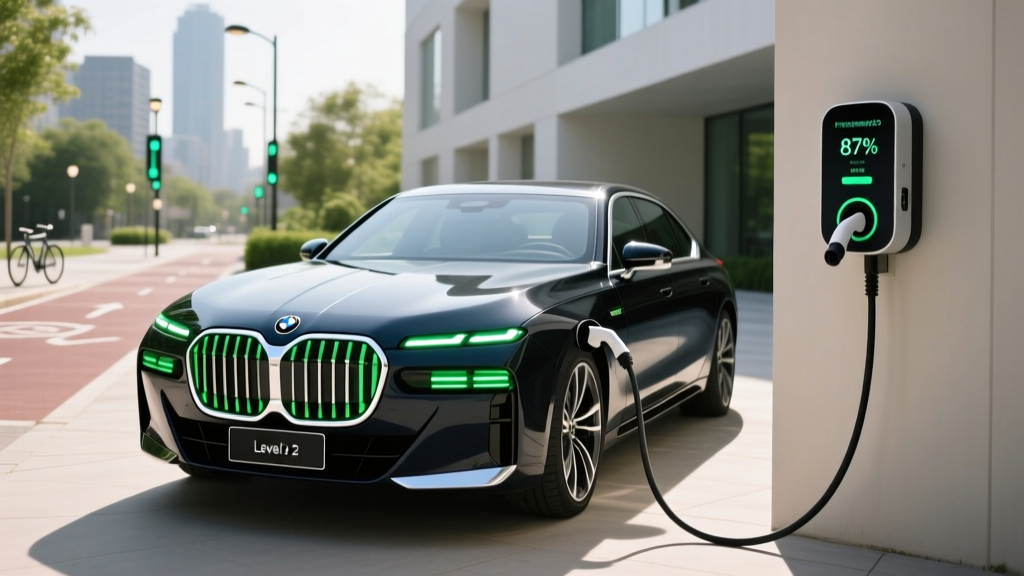
Over 80% of EV charging happens at home. Without access to a Level 2 charger (240V, 32-48A, delivering 7.7-11.5 kW), EV ownership becomes significantly less convenient. A Level 2 home installation typically costs:
| Component | Cost Range |
|---|---|
| Level 2 Charger (hardware) | $350 - $700 |
| Electrician labor (standard install) | $500 - $1,500 |
| Electrical panel upgrade (if needed) | $1,500 - $3,500 |
| Permit and inspection | $100 - $400 |
| Total (typical) | $950 - $2,600 |
| Total (with panel upgrade) | $2,450 - $6,100 |
If you live in an apartment or lack a garage, public DC fast charging becomes your primary fueling method — and at $0.35-0.55/kWh on networks like Electrify America or EVgo, your per-mile cost approaches or exceeds that of a 35 MPG hybrid.
Charging Speed Matters More Than Peak kW
The Prologue's 150 kW peak DC charge rate sounds adequate, but sustained charging speed is what counts on road trips. The Prologue's charge curve tapers significantly above 60% State of Charge, meaning a 10-80% session takes roughly 33 minutes. Compare this to the Hyundai Ioniq 5, which peaks at 240 kW and achieves 10-80% in approximately 18 minutes thanks to its 800V architecture. On a 500-mile road trip with two charging stops, that's a meaningful 30-minute difference.
Cold Weather Hits Harder Than You Expect
In sub-freezing temperatures (20°F and below), expect 20-35% range loss depending on the vehicle's thermal management system. The Prologue, lacking a heat pump, sits toward the worse end of that range. If you live in the northern U.S. and regularly drive 100+ mile round trips in winter, plan your routes around available chargers — not the EPA sticker.
Common EV Misconceptions — Fact-Checked
| Myth | Fact |
|---|---|
| "EVs always save money vs gas cars" | Only if you have home charging, drive 15K+ miles/year, and qualify for tax credits. For low-mileage drivers without home charging, hybrids often win on TCO. |
| "EV batteries need replacing every few years" | Modern NMC and LFP batteries are warrantied for 8 years/100,000 miles (10 years in CARB states) with a minimum 70% capacity retention threshold. Most degrade 1-2% per year. |
| "Public charging is reliable everywhere" | Non-Tesla networks still average 80-85% uptime. Plan for 10-15% of chargers being out of service on any given trip. |
| "All EVs qualify for the $7,500 tax credit" | The §30D credit has MSRP caps ($80K SUVs/vans, $55K sedans), buyer income caps, and battery sourcing requirements. Many vehicles qualify for $3,750 or $0 depending on the quarter. |
| "Honda is abandoning EVs entirely" | Honda is delaying and reducing U.S. EV investment, not eliminating it. The Honda 0 Series remains in development for global markets, and the Prologue continues. |
Decision Framework: What Should You Buy Now?
If-Then Buying Guide
- If you have home charging + drive 15K+ miles/year + live in a mild climate: An EV still makes financial sense. Look at the Hyundai Ioniq 5 (310 mi EPA, 240 kW peak, ~$42,500), Tesla Model Y (320 mi, 250 kW, ~$44,990), or the Honda Prologue if brand loyalty matters and you can negotiate below MSRP.
- If you lack home charging or live in an apartment: A hybrid (CR-V Hybrid at 40 MPG combined, $35,350) is almost certainly the better choice. Public DC fast charging as your primary fuel source is expensive and inconvenient.
- If you live in a cold climate (sub-30°F winters) + take frequent road trips: A plug-in hybrid like the Toyota RAV4 Prime (42 mi electric-only, 38 MPG hybrid, $43,690) gives you electric commuting with gas-engine road-trip freedom and no range anxiety.
- If you were waiting specifically for a Honda electric SUV: The Prologue is your only current option, and it's a competent but not class-leading EV. Don't wait for the canceled models — they aren't coming. Test-drive the Prologue alongside the Ioniq 5 and Model Y before deciding.
- If total cost of ownership is your top priority: The CR-V Hybrid wins on 5-year TCO for most buyers. The EV only catches up if you drive high miles on cheap home electricity and capture the full tax credit.
What Honda's Pivot Means for the EV Market
Honda isn't alone. Multiple automakers — including Ford, GM, and Mercedes-Benz — have scaled back or delayed EV production targets in 2025-2026, redirecting capital toward hybrids and plug-in hybrids. This isn't a rejection of electrification; it's a market correction. The buyers who want EVs are buying them (Tesla, Hyundai/Kia, and Rivian continue to grow). But the mass-market middle — the family-SUV buyer who wants simple, affordable, no-compromise transportation — is choosing hybrids in larger numbers than automakers predicted.
For consumers, this means:
- More hybrid options are coming. Honda's CR-V, Accord, and Civic hybrid lineups will expand and improve.
- EV incentives remain strong. Federal and state credits still make EVs compelling for the right buyer profile.
- EV pricing pressure is real. With demand softening, expect aggressive dealer incentives and below-MSRP deals on existing EVs like the Prologue.
- The charging network is improving — slowly. NACS adoption across brands and continued infrastructure buildout will reduce friction over the next 2-3 years.
Frequently Asked Questions
Which Honda EVs were canceled?
Honda has not named all three models publicly, but reports indicate they include a midsize electric SUV and two additional models that were part of Honda's next-generation EV roadmap for North America. The existing Prologue (built on GM's Ultium platform) is not affected and remains on sale.
Is Honda leaving the EV market entirely?
No. Honda is scaling back and delaying its U.S. EV ambitions, not abandoning them. The Honda 0 Series (a new dedicated EV platform) remains in development for global markets, though its U.S. timeline is uncertain. Honda is also investing heavily in hybrids as a bridge technology.
Should I buy the Honda Prologue or wait for something better?
Don't wait — the canceled models aren't coming, and Honda's next dedicated EV is years away for the U.S. market. If the Prologue fits your needs (decent range, comfortable ride, Honda dealership support), it's a reasonable choice, especially if you can negotiate $3,000-5,000 below MSRP. But cross-shop it against the Ioniq 5 and Model Y, which lead the segment in charging speed and efficiency.
Do hybrids make more sense than EVs right now?
For many buyers, yes — especially those without home charging, in cold climates, or with lower annual mileage. The CR-V Hybrid (40 MPG, ~$35,350) delivers excellent fuel economy with zero lifestyle changes. EVs still win on TCO for high-mileage drivers with access to cheap home charging and full tax credit eligibility.
What's the best Honda electrified vehicle to buy in 2026?
For pure electric: the Prologue, if you can get it at a discount and have home charging. For most buyers: the CR-V Hybrid (40 MPG combined) or the Accord Hybrid (48 MPG city). For a plug-in hybrid: Honda doesn't currently offer a PHEV in the U.S. — consider the Toyota RAV4 Prime or Chrysler Pacifica Hybrid instead.