Quick Answer: Is the Heybike Villain Worth It?
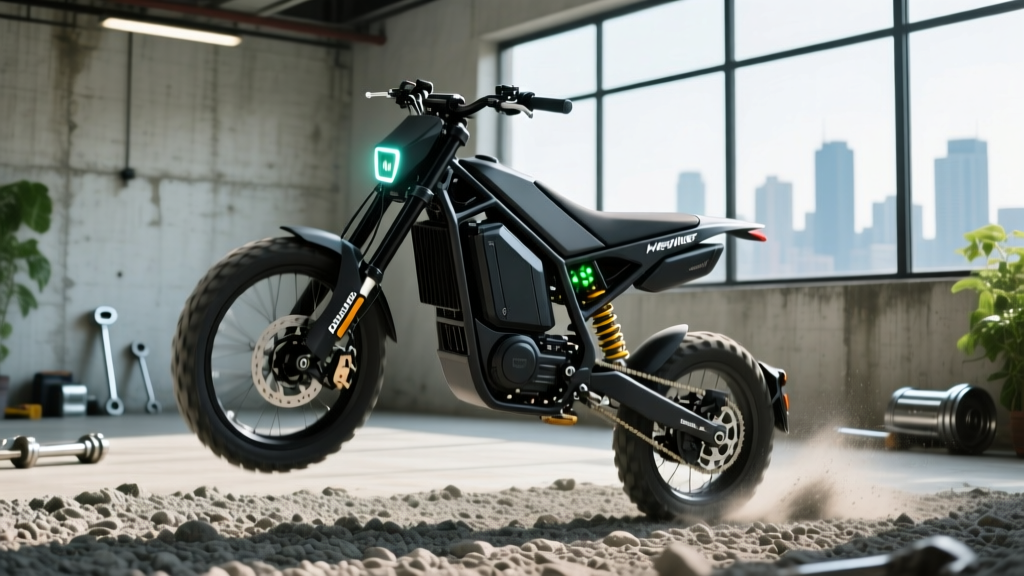
The Heybike Villain is a 2,000W peak-motor electric dirt bike priced at $1,899 MSRP with a claimed 75-mile range (pedal-assist) and ~40-mile throttle-only range from its 1.92 kWh (48V 40Ah) battery. It tops out at 28 mph (unlocked) and charges from 0–100% in roughly 5–6 hours on a standard 120V outlet. It's best suited for trail riding, light off-road use, and short commutes — not highway-legal transport or competitive motocross.
Before we go further, a scope note: AutoEdgeView focuses on highway-capable electric and hybrid vehicles. The Heybike Villain is an electric dirt bike / e-moto — a niche but rapidly growing segment that sits between e-bikes and full EVs. This guide applies our standard ownership-cost and real-world analysis framework to help you decide if it fits your needs versus a gas-powered dirt bike or a street-legal electric motorcycle.
Heybike Villain: Core Specifications
| Spec | Value |
|---|---|
| Motor (Peak) | 2,000W brushless hub motor |
| Top Speed | 28 mph (unlocked, Class 2 e-bike) |
| Battery Capacity | 1.92 kWh (48V × 40Ah, removable) |
| Battery Chemistry | Lithium-ion (NMC-type cells) |
| Claimed Range (Pedal-Assist) | Up to 75 miles |
| Realistic Range (Throttle-Only, Mixed Terrain) | 30–42 miles |
| Charge Time (0–100%, 120V) | ~5–6 hours |
| Charger Power | ~350W (standard included charger) |
| Weight | ~92 lbs (42 kg) |
| Payload Capacity | 330 lbs |
| Tires | 20" × 4.0" fat tires |
| Suspension | Front fork + rear dual shock |
| MSRP | $1,899 |
Range Reality Check
Heybike's 75-mile claim assumes low pedal-assist level, flat terrain, a lighter rider, and moderate temperatures. In real-world throttle-only riding on dirt trails or hilly terrain, expect 30–42 miles. Cold weather (below 40°F) can reduce range by an additional 15–25% due to increased battery internal resistance. If your typical ride is under 25 miles round-trip, the Villain has comfortable headroom; for longer trail loops, plan a mid-ride charge or carry the spare battery option if available.
Electric Dirt Bike vs. Gas Dirt Bike: Cost & Performance Data
The most common cross-shop for the Villain is a used or entry-level gas dirt bike (e.g., Honda CRF150F, Yamaha TTR-125) or a comparable electric competitor like the Segway Xafari or Sur-Ron Light Bee. Here's how the numbers stack up over 3 years of ownership at 2,000 miles/year:
| Factor | Heybike Villain (Electric) | Gas Dirt Bike (125–150cc) |
|---|---|---|
| Purchase Price | $1,899 | $3,500–$5,500 (new entry-level) |
| Fuel/Energy Cost per Year (2,000 mi) | $55–$75 ($0.13/kWh avg) | $350–$500 (premium gas, ~50 mpg off-road) |
| Annual Maintenance | $50–$100 (brake pads, tire, chain lube) | $200–$400 (oil, filters, valve adjust, top-end) |
| 3-Year Total Fuel + Maintenance | $315–$525 | $1,650–$2,700 |
| 5-Year Total Cost of Ownership | $2,425–$3,025 | $5,750–$8,500+ |
| Noise Level | Near-silent (trail-friendly) | 90–100 dB (many trails restrict) |
| Emissions | Zero tailpipe | Unburned hydrocarbons, CO |
| Power Delivery | Instant torque, 2,000W peak | 10–15 HP, needs RPM build |
Key takeaway: The Villain saves roughly $1,200–$2,000 per year in fuel and maintenance versus a comparable gas dirt bike. The breakeven against a $4,500 gas bike is approximately 18–24 months of regular riding. However, gas bikes still dominate in peak power, suspension travel, and parts availability for competitive riding.
Charging at Home: What You Actually Need
The Villain ships with a standard 120V charger (~350W). Unlike highway EVs that require 240V Level 2 installations costing $500–$2,000+, the Villain needs nothing more than a standard household outlet.
| Charging Method | Power | 0–100% Time | Cost to Full Charge |
|---|---|---|---|
| Standard 120V Outlet (included charger) | ~350W | 5–6 hours | $0.25–$0.35 (at $0.13/kWh) |
| 220V Fast Charger (if available aftermarket) | ~700W (estimated) | ~2.5–3 hours | $0.25–$0.35 |
| Spare Battery Swap | N/A | ~1 minute (swap) | ~$400–$500 for spare battery |
kW vs. kWh — the critical distinction: The battery stores 1.92 kWh of energy (think of it as the "tank size"). The charger delivers power at ~0.35 kW (think of it as the "pump speed"). Dividing 1.92 kWh ÷ 0.35 kW ≈ 5.5 hours, which matches the real-world charge time.
Apartment/renter note: The removable battery is a major advantage — you can carry it indoors and charge it on any outlet, bypassing the need for garage or outdoor access. At 92 lbs total bike weight, ground-floor storage is manageable.
Real Ownership Costs: 3-Year Breakdown
| Cost Category | Year 1 | Year 2 | Year 3 | 3-Year Total |
|---|---|---|---|---|
| Purchase | $1,899 | — | — | $1,899 |
| Electricity (2,000 mi/yr) | $65 | $65 | $65 | $195 |
| Tires (replace ~3,000 mi) | — | $80–$120 | — | $80–$120 |
| Brake Pads | — | $30–$50 | — | $30–$50 |
| Chain/Drivetrain Lube | $15 | $15 | $15 | $45 |
| Insurance (optional, off-road) | $100–$200 | $100–$200 | $100–$200 | $300–$600 |
| Total | $2,079–$2,179 | $290–$450 | $180–$280 | $2,549–$2,909 |
For comparison, a new gas dirt bike in the same usage pattern would run $5,500–$8,000+ over three years including purchase, fuel, oil changes, air filters, and valve services. The Villain's economics are compelling for casual-to-moderate riders.
Battery Longevity & Replacement: What to Expect
The Villain uses NMC-type lithium-ion cells. Based on typical NMC cycle-life data, you can expect:
- Cycle life: ~600–800 full charge cycles before the battery degrades to 80% of original capacity
- Calendar life: 4–6 years with moderate use before noticeable range loss
- Real-world projection: At 2,000 miles/year (~100 full cycles/year), expect 6–8 years of usable service before needing replacement
- Replacement cost: $400–$600 for a new OEM battery pack (when available)
Care tips for maximum battery life: Avoid storing at 100% or 0% state of charge for extended periods. Store at ~50–60% SoC if not riding for weeks. Charge in moderate temperatures (50–85°F). Unlike LFP chemistry used in some EVs (which tolerate 100% daily charging better), NMC cells benefit from staying between 20–80% for routine use.
Common Misconceptions: Myth vs. Fact
| Myth | Fact |
|---|---|
| "It can replace a real dirt bike for motocross" | At 2,000W peak and 92 lbs, it lacks the 20–40 HP, long-travel suspension, and sub-200-lb race weight needed for competitive motocross. It's a trail/cruiser, not a race bike. |
| "75-mile range means I'll get 75 miles" | That's under optimal pedal-assist conditions. Throttle-only on dirt or hills yields 30–42 miles. Plan conservatively. |
| "Electric dirt bikes need no maintenance" | No oil changes, but tires, brake pads, chain tension, suspension seals, and electrical connectors all need attention. Budget $100–$200/year. |
| "It's street-legal everywhere" | Most states classify it as an off-road vehicle or low-speed e-bike. Highway use is generally prohibited. Check your state's DMV for registration requirements. |
| "I need a special charger or 240V outlet" | The included 120V charger is all you need. No electrician required. |
Decision Framework: Should You Buy the Heybike Villain?
Choose the Heybike Villain If:
- You ride trails, fire roads, or neighborhoods — not motocross tracks
- Your typical ride is under 35 miles round-trip
- You value near-silent operation (many trails now restrict gas bikes over noise)
- You want minimal maintenance and $0.30/charge energy cost
- You have access to a standard 120V outlet (garage, apartment, shed)
- Your budget is under $2,000 and you don't need 40+ mph top speed
Choose a Gas Dirt Bike or Higher-End Electric Instead If:
- You ride competitive motocross or enduro events
- You need 50+ mile range at sustained high speeds
- You want extensive aftermarket parts and dealer service networks
- You need highway-legal registration and lighting
- You frequently ride in extreme cold (below 20°F), which severely impacts battery performance
Frequently Asked Questions
Does the Heybike Villain qualify for the federal EV tax credit?
No. The IRS §30D Clean Vehicle Credit applies to four-wheeled vehicles with a gross vehicle weight under 14,000 lbs that are primarily for use on public roads. The Villain is classified as an off-road e-bike/e-moto and does not qualify. Some states or local utilities offer e-bike rebates — check your state energy office or IRS §30D guidelines for details.
How fast does the Heybike Villain actually go?
With the speed limiter removed, the Villain reaches approximately 28 mph on flat pavement with a 170-lb rider. On dirt or uphill, expect 20–24 mph. This is comparable to a 125cc gas dirt bike in trail riding but significantly slower than a 250cc+ race bike.
Can I ride it in the rain?
The Villain has basic water resistance (IP-rated components), but it is not waterproof. Light rain and wet trails are generally fine; avoid submerging the motor hub or battery compartment. Dry electrical connectors after wet rides to prevent corrosion.
How does the Villain compare to the Sur-Ron Light Bee?
The Sur-Ron Light Bee (60V, ~6 kW peak, ~$4,500) offers roughly 3× the power, 45+ mph top speed, and proper dirt-bike suspension — but at more than double the price. The Villain is the budget-friendly trail cruiser; the Sur-Ron is the serious off-road performer. For casual riders, the Villain delivers 80% of the experience at 40% of the cost.
What's the warranty coverage?
Heybike typically offers a 1-year limited warranty on the frame and motor, with the battery covered for 6–12 months depending on the retailer. This is shorter than highway EV warranties (8 years/100,000 miles federally mandated for battery packs). Factor this into your purchase decision — extended warranties may be available through some retailers.
Is it heavy to transport?
At 92 lbs, it's lighter than most gas dirt bikes (200+ lbs) but heavier than a standard e-bike (45–60 lbs). It fits in most truck beds and SUV cargo areas. A hitch-mounted bike rack rated for 100+ lbs is recommended for car transport — standard bike racks won't support the weight.
Sources: Heybike official specifications, fueleconomy.gov for electricity cost benchmarks, IRS Clean Vehicle Credit guidelines. All range and cost figures are estimates based on typical riding conditions and may vary by terrain, rider weight, temperature, and riding style.