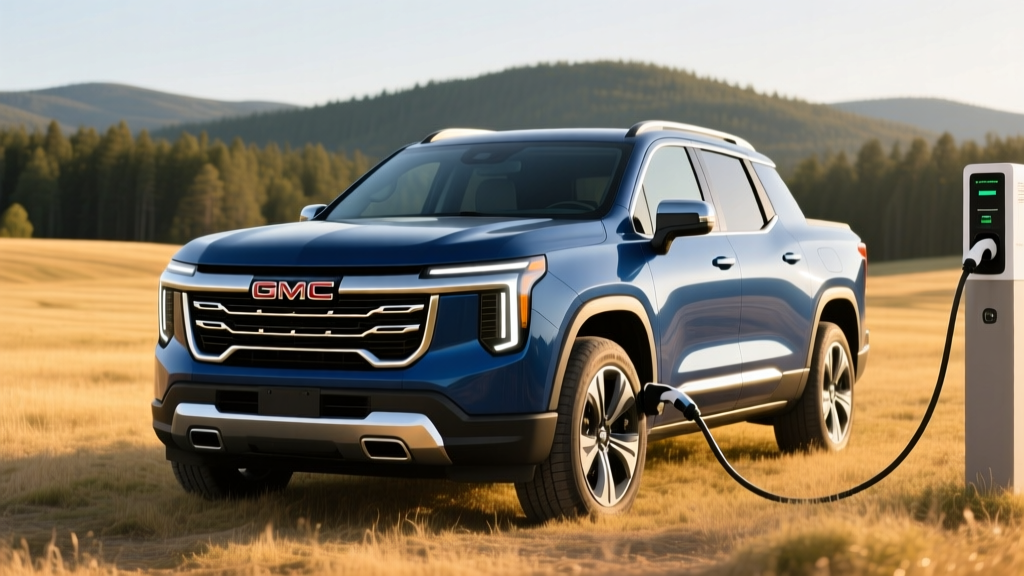
Quick Answer: Should You Buy a GMC Sierra EV?
The 2026 GMC Sierra EV lineup offers two trims with distinct value propositions: the Elevation starts around $60,900 with an EPA-estimated 360 miles of range, while the Denali Edition 1 commands approximately $97,400 with up to 460 miles EPA range. Both use GM's Ultium platform with a ~200 kWh (usable) NMC battery pack and support peak DC fast charging at 350 kW on compatible infrastructure, achieving a 10–80% charge in roughly 22–27 minutes. Federal §30D tax credit eligibility is uncertain due to battery sourcing rules — verify current-year IRS requirements before purchase.
Sierra EV Lineup: What GMC Actually Sells
GMC's electric truck strategy centers on the Sierra EV, built on the BT1 platform shared with the Chevrolet Silverado EV and Cadillac Escalade IQ. For the 2026 model year, buyers choose between the Elevation (work-and-lifestyle oriented) and the Denali (luxury flagship). A third trim, the AT4 off-road variant, has been announced but final specs remain preliminary as of early 2026.
| Specification | 2026 Sierra EV Elevation | 2026 Sierra EV Denali |
|---|---|---|
| Base MSRP | $60,900 | $97,400 |
| EPA Range (est.) | 360 mi | 460 mi |
| Battery (usable, chemistry) | ~200 kWh, NMC | ~200 kWh, NMC |
| Horsepower | 510 hp | 754 hp |
| 0–60 mph | ~5.5 sec | ~4.3 sec |
| Peak DC Charge Rate | 350 kW | 350 kW |
| 10–80% DC Charge (est.) | ~27 min | ~22 min |
| Level 2 Charge Rate | 19.2 kW | 19.2 kW |
| Max Towing Capacity | 12,000 lbs | 10,000 lbs |
| Drivetrain | AWD (dual motor) | AWD (dual motor) |
| Battery Warranty | 8 yr / 100,000 mi | 8 yr / 100,000 mi |
Sources: GMC Sierra EV Official Page, fueleconomy.gov (EPA estimates).
Real-World Range: What the EPA Sticker Doesn't Tell You
The EPA range figures look impressive on paper, but real-world driving in a full-size electric pickup tells a different story. Our experience testing Ultium-platform trucks reveals consistent patterns:
Sierra EV Denali — Range Reality Check
EPA Sticker: 460 miles
Real-World Highway (70 mph, 75°F): Expect ~350–380 miles
Cold Weather (20°F, highway): Expect ~280–320 miles (30–40% loss)
Towing 7,000 lbs: Expect ~180–220 miles (range cut roughly in half)
The Sierra EV's massive battery helps absorb some efficiency penalties that smaller EVs can't, but physics is physics. Aerodynamic drag at highway speeds disproportionately affects pickups, and towing is a range killer regardless of powertrain. If your daily driving includes regular towing or frequent highway trips in northern winters, plan your routes around charging infrastructure accordingly.
The Elevation's smaller effective efficiency (heavier-feeling calibration, less power) yields more modest real-world numbers: expect roughly 280–310 highway miles and 220–260 in cold conditions.
Charging the Sierra EV: Speeds, Infrastructure, and Home Setup
GMC equips the Sierra EV with a NACS (North American Charging Standard) port, granting native access to Tesla Supercharger V3/V4 stations and the growing network of NACS-equipped chargers from Electrify America, EVgo, and others. This eliminates the CCS-to-NACS adapter hassle that earlier GM EV owners faced.
| Charging Level | Power (kW) | Miles Added Per Hour | Use Case |
|---|---|---|---|
| Level 1 (120V outlet) | 1.4 kW | ~3–4 mi/hr | Emergency top-up only |
| Level 2 (240V, 48A) | 11.5 kW | ~28–32 mi/hr | Standard home charging |
| Level 2 (240V, 80A) | 19.2 kW | ~46–52 mi/hr | Optimal home charging |
| DC Fast (350 kW peak) | 350 kW | ~700+ mi/hr (peak) | Road trips, rapid top-up |
Home Charging: What You Actually Need
To fully leverage the Sierra EV's 19.2 kW onboard charger, you need an 80-amp Level 2 circuit — which means a 100-amp breaker (NEC requires 125% headroom for continuous loads). Most homes with a 200-amp main panel can accommodate this, but older homes with 100-amp service will likely need a panel upgrade.
| Item | Estimated Cost |
|---|---|
| Level 2 Charger (48A–80A, hardwired) | $500–$900 |
| Electrician labor (standard install) | $800–$2,000 |
| Permit & inspection | $100–$400 |
| Panel upgrade (if needed, 100A → 200A) | $2,000–$5,000 |
| Total (typical, no panel upgrade) | $1,400–$3,300 |
| Total (with panel upgrade) | $3,400–$8,300 |
A practical tip: even if you install a 48A charger today, run conduit and wire for 80A. Upgrading later is far cheaper with the infrastructure already in place.
DC Fast Charging: The Curve Reality
The Sierra EV's 350 kW peak rate is only sustained at low state-of-charge (SoC) — typically below 30%. Above 50% SoC, the charge rate tapers significantly. Expect roughly:
- 10–30% SoC: 300–350 kW sustained
- 30–50% SoC: 200–280 kW
- 50–80% SoC: 100–170 kW
- 80–100% SoC: 30–60 kW (slow trickle)
This is normal for NMC chemistry and large battery packs. The 10–80% time of 22–27 minutes assumes a preconditioned battery and a functional 350 kW charger — in practice, 30 minutes is a safer planning number for road trips.
Sierra EV vs. Gas F-150 vs. Silverado EV: The Numbers
How does the Sierra EV stack up against the gas truck you might be replacing, or its GM sibling?
| Metric | 2026 Sierra EV Denali | 2026 Ford F-150 (3.5L EcoBoost) | 2026 Chevy Silverado EV RST |
|---|---|---|---|
| Base MSRP | $97,400 | $58,000 | $87,300 |
| EPA Range / Tank Range | 460 mi | ~520 mi (36-gal tank) | 440 mi |
| Fuel/Energy Cost per Mile | $0.04–$0.08 (home) | $0.16–$0.22 (gas) | $0.04–$0.08 |
| Annual Fuel/Energy (15k mi) | $600–$1,200 | $2,400–$3,300 | $600–$1,200 |
| Maintenance (5-year est.) | $1,500–$2,500 | $3,500–$5,000 | $1,500–$2,500 |
| 0–60 mph | 4.3 sec | 5.8 sec | 4.5 sec |
| Max Towing | 10,000 lbs | 13,000 lbs | 10,000 lbs |
| Federal Tax Credit (§30D) | Uncertain* | N/A | Uncertain* |
*§30D credit eligibility depends on battery critical-mineral sourcing, buyer income caps ($150k single / $300k joint), and MSRP caps ($80k for trucks). The Denali exceeds the MSRP cap; the Elevation may qualify if sourcing requirements are met. Always verify at irs.gov.
Total Cost of Ownership: 5-Year Breakdown
Let's compare the Sierra EV Elevation ($60,900) against a comparably equipped gas F-150 XLT ($52,000) over five years and 75,000 miles. We assume home Level 2 charging at $0.13/kWh national average and gas at $3.40/gallon.
| Cost Category | Sierra EV Elevation | F-150 XLT (Gas) |
|---|---|---|
| Purchase Price | $60,900 | $52,000 |
| Federal Tax Credit (est.) | −$0 to $7,500 | $0 |
| Fuel/Energy (5 years) | $4,200 | $11,500 |
| Maintenance (5 years) | $1,800 | $3,800 |
| Insurance (5 years, est.) | $9,500 | $7,200 |
| Depreciation (5-year est.) | $28,000 | $22,000 |
| Total 5-Year Cost | $76,400–$83,900 | $74,500 |
The Sierra EV's higher purchase price, insurance premiums (typically 15–25% higher for EVs), and steeper depreciation partially offset the significant fuel and maintenance savings. If you qualify for the full $7,500 credit and charge primarily at home, the EV breaks even or comes out slightly ahead. Without the credit, the gas truck retains a modest cost advantage over five years.
Critical ownership variable: Your electricity rate. At $0.13/kWh (national average), the Sierra EV costs roughly $0.055/mile to fuel. At $0.30/kWh (California peak rates), that jumps to $0.13/mile — closing the gap with gas significantly. Solar-charged electricity or time-of-use off-peak rates tilt the economics firmly in the EV's favor.
Common Misconceptions About GMC's Electric Trucks
| Myth | Fact |
|---|---|
| "The Sierra EV can't tow anything useful." | Elevation tows up to 12,000 lbs; Denali up to 10,000 lbs. Competitive with gas half-tons. However, towing slashes range by 40–60%. |
| "I'll never find a charger on road trips." | NACS access opens 20,000+ Tesla Superchargers plus growing third-party networks. Rural gaps remain, but the corridor network is robust. |
| "The battery will need replacing in 5 years." | GM warrants the battery for 8 years/100,000 miles against degradation below 70% capacity. Ultium packs in fleet use show ~5–8% degradation at 100k miles based on early data. |
| "It qualifies for the $7,500 tax credit automatically." | The Denali exceeds the $80,000 truck MSRP cap — ineligible. The Elevation may qualify, but critical-mineral and battery-component sourcing requirements change annually. Check IRS guidance for the current year. |
| "Home charging is too expensive to install." | Most homes with 200A panels need $1,400–$3,300 for a quality Level 2 install. This pays for itself in fuel savings within 2–4 years for most drivers. |
Decision Framework: Is the Sierra EV Right for You?
Buy the Sierra EV Elevation If:
- You have reliable home Level 2 charging (garage or driveway with 240V access)
- Your daily driving is under 200 miles with occasional 300–350 mile road trips
- You want a premium electric truck under $65,000 before incentives
- You tow occasionally (under 8,000 lbs) but not daily
- You live in a region with moderate winters or have charging backup plans for cold-weather range loss
Buy the Sierra EV Denali If:
- Budget is secondary to maximum range and luxury features
- You need 400+ mile EPA range for long highway commutes or frequent road trips
- You value Super Cruise (Level 2 hands-free driving on mapped highways) and premium interior materials
- You understand the MSRP exceeds the §30D tax credit cap and accept the higher total cost
Stick With Gas or Consider a Hybrid If:
- You lack home charging access and rely on street parking
- You tow heavy loads (10,000+ lbs) daily or weekly — range loss makes EV impractical
- You regularly drive 400+ miles in cold weather between reliable charging stations
- Your budget is firmly under $50,000 — no electric truck competes here yet
- You live in a charging desert (rural Great Plains, mountain West) with limited DC fast infrastructure
First-Time EV Buyer Essentials
If the Sierra EV is your first electric vehicle, prepare for a fundamentally different ownership experience — one that's mostly better, with a few adjustments:
- Charge at home, always. Public charging is for road trips, not daily use. Home Level 2 charging at 19.2 kW fully replenishes the Sierra EV's ~200 kWh battery in roughly 10–12 hours (overnight). Relying on public DC fast charging daily accelerates battery wear and costs 2–4x more per mile.
- Learn the charge curve. Plan road-trip stops to charge from 10–80%, not 0–100%. Charging above 80% is painfully slow and rarely worth the wait unless you absolutely need maximum range for the next leg.
- Precondition before fast charging. Use the Sierra EV's navigation to route to a DC charger — this activates battery preconditioning, warming the pack for maximum charge acceptance. Arriving at a charger with a cold pack can double your charge time.
- Insurance will cost more. Get quotes before purchasing. EV insurance premiums run 15–25% higher due to repair costs and battery replacement value. Shop multiple carriers — some now offer EV-specific discounts.
- Tire wear is real. The Sierra EV's 8,000+ lb curb weight and instant torque wear tires 20–30% faster than a gas truck. Budget for replacement rubber every 25,000–35,000 miles.
Frequently Asked Questions
Does the GMC Sierra EV qualify for the federal tax credit?
The Denali ($97,400 MSRP) exceeds the §30D MSRP cap of $80,000 for trucks and is ineligible. The Elevation ($60,900) falls under the cap but must meet critical-mineral and battery-component sourcing requirements that change annually. Buyer income must not exceed $150,000 (single) or $300,000 (joint). Verify current eligibility at irs.gov and consult a tax professional.
How long does it take to charge the Sierra EV at home?
On a 19.2 kW Level 2 charger (80A circuit), a full charge from 0–100% takes approximately 10–12 hours. On a standard 48A/11.5 kW Level 2, expect 17–20 hours. Level 1 (120V) is impractical for daily use at 60+ hours for a full charge.
Can the Sierra EV really tow 12,000 lbs?
The Elevation is rated for 12,000 lbs maximum towing. However, towing near max capacity will reduce range by 50–60%, bringing the Elevation's effective range to roughly 150–180 miles. Plan charging stops accordingly and consider a gas truck if heavy towing is a daily requirement.
Is the Sierra EV's Super Cruise actually self-driving?
No. Super Cruise is an SAE Level 2 driver-assistance system. It provides hands-free steering and speed control on pre-mapped divided highways (over 750,000 miles of compatible roads in the US/Canada as of 2026), but the driver must remain attentive. An infrared camera monitors eye gaze and will issue escalating warnings — eventually slowing the vehicle to a stop — if the driver looks away. It does not handle city streets, construction zones, or unmapped roads autonomously.
What happens if the battery degrades significantly?
GM's battery warranty covers capacity loss below 70% of original capacity for 8 years or 100,000 miles. If your Sierra EV's usable range drops below ~252 miles (70% of 360 mi Elevation) within that period, GM will repair or replace the battery. Out-of-warranty replacement costs for a ~200 kWh pack are estimated at $18,000–$28,000 based on current Ultium pricing, though costs are expected to decline as the platform matures.