The Hummer EV Is an Engineering Marvel — But Who Is It For?
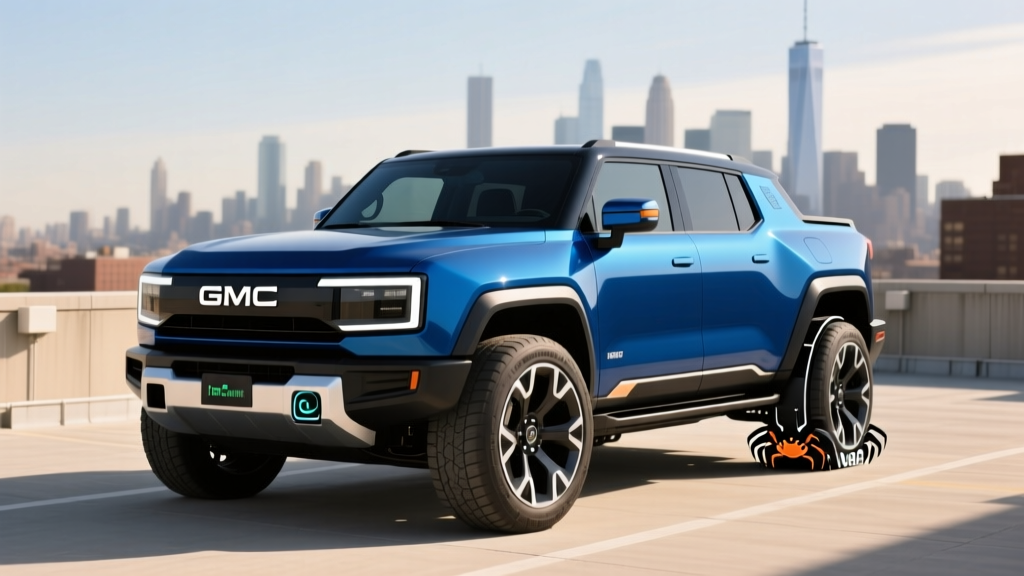
GMC's Hummer EV has never been about subtlety. It's a 9,000-pound electric supertruck that can crab walk diagonally down a trail, hit 60 mph in roughly three seconds, and tow 7,500 pounds — all while producing zero tailpipe emissions. For the 2026 model year, GMC has expanded the lineup with a new 2X trim that slots between the base 2X and the range-topping Edition 1, bringing the starting price to a still-eye-watering $112,495 before destination.
But beyond the party tricks — the diagonal CrabWalk mode, the Watts to Freedom launch-control sequence, the removable roof panels — is the Hummer EV a practical daily driver and road-trip companion? We've spent time with the truck on highways, at DC fast chargers, and in stop-and-go traffic to answer that question with hard data, not marketing copy.
Range, Efficiency, and the Real-World Reality Check
The 2026 GMC Hummer EV Pickup 3X (dual-motor) carries an EPA-estimated range of 381 miles on its massive 246 kWh (gross) Ultium battery pack, of which approximately 212 kWh is usable. The battery uses GM's NCMA (nickel-cobalt-manganese-aluminum) cathode chemistry — an NMC variant optimized for energy density and cycle life, not the LFP chemistry found in lower-cost EVs.
- EPA sticker: 381 miles (3X Pickup, 20-inch wheels)
- Real-world highway (70 mph, moderate temps): ~300–320 miles
- Cold weather (below 32°F, highway): ~240–270 miles
- City/regenerative driving: ~350–370 miles (regen recovers energy effectively)
The Hummer EV's aerodynamic profile — essentially a brick with a bed — means highway efficiency suffers more than most EVs. If your commute is mostly city driving with regenerative braking, you'll land closer to the EPA number. Plan road trips around 280–300 miles of usable range to maintain a comfort buffer.
Efficiency is rated at 47 MPGe combined by the EPA, which translates to roughly 72 kWh per 100 miles. That's thirsty by EV standards — for comparison, a Tesla Model S uses about 28 kWh/100 mi. But the Hummer EV isn't trying to be a Model S. It's moving 9,000 pounds of truck, and the energy cost reflects the physics.
| Spec | 3X Pickup (Dual-Motor) | 2X Pickup (Dual-Motor) |
|---|---|---|
| EPA Range | 381 mi | 318 mi |
| Battery (Usable/Gross) | ~212 kWh / 246 kWh | ~150 kWh / 175 kWh |
| Chemistry | NCMA (NMC variant) | NCMA (NMC variant) |
| Horsepower | 830 hp | 625 hp |
| 0–60 mph | ~3.0 sec | ~4.5 sec |
| Drivetrain | AWD (e4WD) | AWD (e4WD) |
| Towing Capacity | 7,500 lbs | 7,500 lbs |
| Efficiency (MPGe) | 47 MPGe combined | 50 MPGe combined |
| Base MSRP | $112,495 | $99,995 |
Charging Speed: 350 kW Peak, but Read the Fine Print
GMC equips the Hummer EV with an 800-volt electrical architecture, enabling DC fast-charge rates up to 350 kW on compatible chargers (like Electrify America's 350 kW stalls). At that rate, GMC claims a 10–80% charge in approximately 30 minutes for the 3X with its larger pack.
However, the charge curve matters more than peak kW. The Hummer EV sustains its highest charge rates between roughly 10% and 40% State of Charge (SoC), then tapers progressively. From 80% to 100%, expect the rate to drop below 50 kW — standard behavior for large NMC packs protecting cell longevity, but worth budgeting for on long trips. Plan your stops around 10–80% increments; charging past 80% at a DC fast charger is painfully slow and rarely worth the wait.
| Charge Level | Power / Rate | Miles Added per Hour | Notes |
|---|---|---|---|
| Level 1 (120V, 12A) | ~1.4 kW | ~2 mi/hr | Emergency/trickle only; a full charge takes days |
| Level 2 (240V, 48A) | 11.5 kW | ~16 mi/hr | Home overnight standard; 10–80% in ~14 hours (3X) |
| Level 2 (240V, 80A) | 19.2 kW | ~27 mi/hr | Requires hardwired 100A circuit; 10–80% in ~9 hours |
| DC Fast (350 kW peak) | Up to 350 kW | N/A | 10–80% in ~30 min; requires 800V-capable station |
| DC Fast (150 kW) | Up to 150 kW | N/A | 10–80% in ~55–60 min; more common at public stations |
For home charging, the Hummer EV's onboard charger accepts up to 19.2 kW on Level 2 when connected to an 80-amp hardwired EVSE on a 100-amp dedicated circuit. Most buyers will install a 48-amp Level 2 charger on a 60-amp circuit (11.5 kW), which adds roughly 16 miles of range per hour — enough to replenish a typical day's driving overnight. A full 10–80% charge at 11.5 kW takes about 14 hours for the 3X's massive pack. If you can accommodate the electrical upgrade, the 80-amp setup cuts that to roughly 9 hours.
Performance: Watts to Freedom and Then Some
The 3X dual-motor powertrain produces 830 horsepower and a staggering 1,200 lb-ft of torque. Engage Watts to Freedom (WTF) mode — GMC's launch-control sequence that lowers the air suspension, haptics rumble through the seat, and a countdown plays on the 13.4-inch infotainment screen — and the Hummer EV hits 0–60 mph in approximately 3.0 seconds. For a vehicle that weighs as much as two Honda Civics, that number borders on absurd.
The 2X dual-motor makes do with 625 hp and reaches 60 mph in roughly 4.5 seconds — still quick by any truck standard, and it comes with the smaller battery for a lower price and slightly better efficiency.
All trims feature standard e4WD with torque vectoring across the rear axle (3X), four-wheel steering, and GM's Adaptive Air Ride suspension that can raise the ride height up to 6 inches for off-road clearance or lower it for highway efficiency and easier garage entry.
CrabWalk, Extract Mode, and the Tech That Defines the Hummer EV
CrabWalk is the feature that launched a thousand YouTube videos. By turning the rear wheels up to 10 degrees in the same direction as the front wheels, the Hummer EV moves diagonally — useful for navigating tight off-road obstacles or sliding laterally out of a narrow trail. It's not a gimmick in off-road contexts; it genuinely reduces the turning footprint in technical terrain.
Extract Mode raises the air suspension a full 6 inches, providing 15.9 inches of ground clearance for serious off-road situations. Combine that with underbody cameras (visible on the infotainment screen), skid plates, and 35-inch Goodyear Wrangler Territory MT tires on the 3X, and the Hummer EV is a legitimate rock crawler — albeit one that weighs 9,000 pounds.
The 13.4-inch diagonal infotainment touchscreen runs GM's latest Ultifi software with Google Built-In (Google Maps, Google Assistant, Play Store). A 12.3-inch driver display handles gauges and navigation. Wireless Apple CarPlay and Android Auto are standard. The available Super Cruise hands-free driving system works on over 750,000 miles of mapped highways in the US and Canada.
GM's Super Cruise is an SAE Level 2 system. It controls steering, acceleration, and braking on compatible highways, but you must remain attentive. A driver-monitoring camera tracks your eye gaze. If you look away from the road for more than a few seconds, the system escalates warnings and will eventually disengage. You are always the driver.
Pricing, Trims, and the Federal Tax Credit Question
The 2026 GMC Hummer EV lineup starts at $99,995 for the 2X Pickup (dual-motor, smaller battery) and climbs to $112,495 for the 3X Pickup. The SUV body style commands a premium, with the 3X SUV starting at approximately $114,995. A fully loaded 3X Pickup with the Extreme Off-Road Package and Infinity Roof can push past $130,000.
| Trim | Base MSRP | Federal §30D Credit | Effective Price |
|---|---|---|---|
| 2X Pickup | $99,995 | Not eligible (MSRP cap) | $99,995 |
| 3X Pickup | $112,495 | Not eligible (MSRP cap) | $112,495 |
| 3X SUV | $114,995 | Not eligible (MSRP cap) | $114,995 |
The Hummer EV does not qualify for the $7,500 federal EV tax credit under IRS §30D. The reason is straightforward: the §30D credit caps eligible pickup trucks at an MSRP of $80,000 (and SUVs/vans at $80,000 as well, per current IRS rules). Every Hummer EV trim exceeds that threshold by a wide margin. Additionally, buyer income caps apply to the credit ($150,000 single / $300,000 joint filing), and battery critical-mineral and component sourcing requirements must be met. Even if the Hummer EV were under the MSRP cap, it would need to clear those sourcing hurdles.
Some state-level incentives may still apply — check your local DMV or energy office — but at the federal level, plan to pay full MSRP. Consult a tax professional for your specific situation.
Interior Space, Cargo, and Daily Livability
The Hummer EV Pickup seats five across two rows. Front-seat passengers get 45.6 inches of legroom and commanding sightlines thanks to the tall ride height. Rear legroom measures 40.4 inches — adequate for adults on longer trips, though the high floor (dictated by the battery pack underneath) creates a knees-up seating position that some passengers find less comfortable than a conventional truck.
Cargo space in the 5-foot bed totals approximately 37.7 cubic feet behind the rear seats (in-bed). The lockable eTrunk (front trunk) provides an additional 11.3 cubic feet of weather-sealed storage — useful for charging cables, groceries, or gear you don't want in the bed. The Infinity Roof's removable transparent panels stow in a dedicated bag in the bed, trading cargo space for open-air driving.
For the SUV variant, cargo volume behind the second row is roughly 25.2 cubic feet, expanding to approximately 81.8 cubic feet with the rear seats folded — competitive with a large three-row SUV's two-row configuration.
Battery Warranty and Long-Term Ownership Costs
GM backs the Hummer EV's battery and electric powertrain with an 8-year / 100,000-mile limited warranty, retaining at least 70% of original capacity during that period. The bumper-to-bumper warranty covers 3 years / 36,000 miles.
Given the NCMA chemistry and GM's active thermal management system (liquid cooling and heating), long-term degradation should be moderate. Based on data from GM's Ultium platform vehicles in fleet use, expect approximately 8–12% capacity loss over the first 100,000 miles under normal use patterns. The massive battery size provides a natural buffer — even at 85% State of Health, the 3X still delivers over 320 EPA-rated miles.
Ownership costs to budget for:
- Home charging installation: $1,200–$3,500 for a Level 2 setup (48–80 amp), potentially more if your electrical panel needs a 200A service upgrade
- Insurance: Expect premiums 20–35% above comparable ICE trucks, given the repair cost profile and vehicle price
- Tires: The 35-inch Goodyear Wrangler Territory MT tires run $400–$500 each; replacement sets are a significant expense
- Electricity cost: At the national average of $0.17/kWh, charging the 3X from 10–80% at home costs roughly $25. A full charge (0–100%) costs about $36. Compare that to ~$85–$100 for a tank of gas in a comparable ICE truck
How Does It Compare to the Rivian R1T and Tesla Cybertruck?
The Hummer EV's closest competitors are the Rivian R1T (Dual-Motor, starting ~$79,900) and the Tesla Cybertruck (AWD, starting ~$81,895 for the Long Range). Here's how they stack up:
| Spec | GMC Hummer EV 3X | Rivian R1T Dual-Motor | Tesla Cybertruck LR AWD |
|---|---|---|---|
| Base MSRP | $112,495 | ~$79,900 | ~$81,895 |
| EPA Range | 381 mi | ~352 mi (Max Pack) | ~340 mi |
| Horsepower | 830 hp | 665 hp | 600 hp |
| 0–60 mph | ~3.0 sec | ~4.5 sec | ~4.1 sec |
| Max DC Charge | 350 kW | ~220 kW | ~250 kW |
| Towing | 7,500 lbs | 11,000 lbs | 11,000 lbs |
| Federal Tax Credit | No (over MSRP cap) | Varies by trim/source | Partial (check sourcing) |
| CrabWalk / 4-Wheel Steer | Yes | No | Yes (rear steer) |
The Rivian R1T wins on towing (11,000 lbs), price, and tax-credit potential. The Cybertruck offers rear-wheel steering (though not full CrabWalk), a lower price, and access to the Tesla Supercharger network natively. The Hummer EV wins on raw power, off-road hardware, range (with the 3X's massive pack), and sheer presence. Your choice depends on whether you prioritize capability-per-dollar or maximum-everything engineering.
Pros, Cons, and the Verdict
- Class-leading 381-mile EPA range (3X) despite massive weight
- 350 kW DC fast charging — among the fastest for any production EV
- CrabWalk and four-wheel steering are genuinely useful off-road
- 830 hp / 3.0-sec 0–60 in a 9,000-lb truck is engineering theater
- Super Cruise hands-free highway driving on 750,000+ miles of roads
- Removable Infinity Roof panels for open-air driving
- Excellent underbody camera system for off-road visibility
- No federal tax credit — MSRP far exceeds the $80,000 §30D cap
- 72 kWh/100 mi efficiency is poor; electricity costs add up on road trips
- 9,000-lb curb weight limits where you can take it (some trail bridges, soft terrain)
- Only a 5-foot bed; less cargo length than full-size ICE trucks
- Rear-seat knee-up seating position due to high battery floor
- Insurance premiums significantly above average
- Size makes urban parking and tight garages a challenge
Who Should Buy the Hummer EV?
- You want the most capable electric off-roader available, with CrabWalk, Extract Mode, and 15.9 inches of ground clearance
- You need 381 miles of EPA range for long trips and can charge at home overnight
- You value presence, performance, and conversation-starting engineering over cost efficiency
- You tow occasionally (up to 7,500 lbs) and want electric torque for the job
- Budget is a primary concern — the Rivian R1T starts $30,000+ lower and may qualify for the federal credit
- You tow heavy — the R1T and Cybertruck both tow 11,000 lbs vs. the Hummer's 7,500
- You live in an apartment or lack home charging access — the massive battery makes public-only charging expensive and time-consuming
- You need a full-size 6.5-foot bed for work hauling
Frequently Asked Questions
What is the real-world range of the Hummer EV?
The 3X Pickup's EPA estimate is 381 miles, but expect roughly 300–320 miles in real-world highway driving at 70 mph. In cold weather (below freezing), that drops to approximately 240–270 miles on the highway. City driving with regenerative braking gets you closer to the EPA number, around 350–370 miles.
How fast does the Hummer EV charge at home and on the road?
On a 350 kW DC fast charger, the Hummer EV can add roughly 100 miles of range in 12 minutes and charge from 10–80% in about 30 minutes. At home on a 48-amp Level 2 charger (11.5 kW), it adds about 16 miles per hour — a full overnight session replenishes roughly 160 miles. An 80-amp Level 2 setup (19.2 kW) cuts charge times nearly in half but requires a 100-amp dedicated circuit.
Does the Hummer EV qualify for the $7,500 federal EV tax credit?
No. Under IRS §30D rules, pickup trucks must have an MSRP at or below $80,000 to qualify. Every Hummer EV trim starts at $99,995 or higher, disqualifying it entirely. Buyer income caps and battery-sourcing requirements add further restrictions for eligible vehicles. Consult a tax professional for your specific situation and check your state for local incentives.
Is CrabWalk actually useful or just a gimmick?
In off-road contexts, CrabWalk is genuinely functional. By steering all four wheels in the same direction, the Hummer EV moves diagonally, which helps navigate narrow trails, slide around obstacles, and reduce the effective turning radius in technical terrain. On paved roads, it's mostly a conversation piece — you won't use it in daily driving. But if you plan to take the Hummer EV on trails, it's a legitimate capability advantage.
How does the Hummer EV compare to the Rivian R1T?
The R1T starts roughly $30,000 lower, tows 11,000 lbs (vs. 7,500 for the Hummer), and may qualify for the federal tax credit depending on trim and sourcing. The Hummer EV counters with more horsepower (830 vs. 665), longer EPA range (381 vs. ~352 mi), CrabWalk, faster DC charging (350 kW vs. ~220 kW), and more off-road hardware. The R1T is the value and utility pick; the Hummer EV is the maximum-capability pick.
What does it cost to charge the Hummer EV at home?
At the US national average electricity rate of $0.17/kWh, charging the 3X from 10–80% at home costs approximately $25. A full 0–100% charge costs about $36. Over a year of 12,000 miles, expect roughly $1,450 in home electricity costs — compared to $2,500–$3,200 for gasoline in a comparable ICE truck at 15 mpg and $3.50/gallon.
What's the battery warranty on the Hummer EV?
GM covers the Ultium battery and electric powertrain for 8 years or 100,000 miles, whichever comes first, warranting that the battery will retain at least 70% of its original capacity. The bumper-to-bumper limited warranty is 3 years / 36,000 miles.