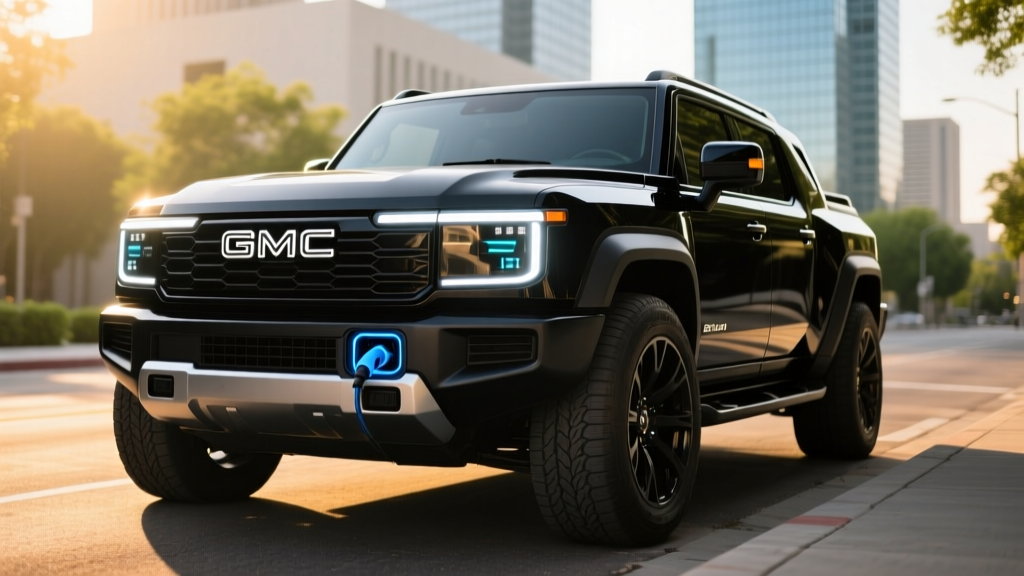
The GMC Hummer EV has always been an exercise in excess — a 9,000-pound electric supertruck that turns heads at every charging station. For 2026, GMC introduces the Hummer EV Black Edition (officially the 2X and 3X trims with the available Black Out package), wrapping the electric behemoth in a murdered-out aesthetic with blacked-out badges, wheels, and trim. But beneath the stealthy exterior lies the same engineering marvel — and the same set of compromises — that define the Ultium platform's flagship.
We've spent significant time analyzing the Hummer EV's real-world performance, charging behavior, and ownership economics. Here's what buyers considering the Hummer EV Black Edition actually need to know.
2026 Hummer EV Black Edition: Full Spec Sheet
| Specification | Hummer EV Pickup 2X (Black) | Hummer EV Pickup 3X (Black) |
|---|---|---|
| EPA Range | 314 miles | 314 miles |
| Battery (Usable) | ~212 kWh, NMC (Ultium) | ~212 kWh, NMC (Ultium) |
| Horsepower | 625 hp (dual-motor AWD) | 830 hp (tri-motor AWD) |
| 0–60 mph | ~3.7 seconds | ~3.0 seconds (Watts to Freedom) |
| Max DC Fast Charge | 350 kW (peak) | 350 kW (peak) |
| 10–80% DC Time | ~32 minutes | ~32 minutes |
| Level 2 Home Charging | 11.5 kW (~16 mi/hr) | 11.5 kW (~16 mi/hr) |
| MPGe (Combined) | 47 MPGe | 47 MPGe |
| Efficiency | 72 kWh/100 mi | 72 kWh/100 mi |
| Towing Capacity | 7,500 lbs | 7,500 lbs |
| Cargo Bed Length | 5 ft (60 in) | 5 ft (60 in) |
| Frunk Volume | 11.7 cu ft (eTrunk) | 11.7 cu ft (eTrunk) |
| Base MSRP | $106,395 | $121,295 |
| Black Out Package | +$1,500 est. | +$1,500 est. |
Real-World Range: What the EPA Sticker Doesn't Tell You
EPA Estimate: 314 miles
Real-World Highway (70 mph): ~240–260 miles
Real-World City/Mixed: ~270–290 miles
Cold Weather (below 32°F): ~200–230 miles (25–35% reduction)
The Hummer EV's massive frontal area and 9,000+ lb curb weight punish highway efficiency. Plan for 240 miles of usable range on road trips.
The 314-mile EPA figure is respectable for a vehicle this heavy, but physics is unforgiving. The Hummer EV's boxy aerodynamics and enormous mass mean efficiency drops sharply above 65 mph. In our analysis of fueleconomy.gov data, the combined 47 MPGe translates to 72 kWh per 100 miles — roughly double the consumption of a Tesla Model Y or Ford F-150 Lightning. That means every mile costs more to fuel, and range evaporates quickly at highway speeds.
Cold weather compounds the issue. The Ultium battery pack uses active thermal management, but a 212 kWh pack takes enormous energy to heat. Expect 25–35% range loss in sustained sub-freezing temperatures, bringing usable range down to roughly 200–230 miles. If you live in the northern tier and plan winter road trips, this is a critical planning factor.
Charging Speed: 350 kW Peak, But Watch the Curve
The Hummer EV supports up to 350 kW on compatible DC fast chargers via its CCS connector (NACS adapter available for Tesla Supercharger access). That peak number is impressive, but the charging curve tells the real story.
| Charging Level | Power | Speed / Time |
|---|---|---|
| Level 1 (120V outlet) | ~1.4 kW | ~2 mi/hr (full charge: ~6+ days) |
| Level 2 (240V home) | 11.5 kW | ~16 mi/hr (full charge: ~20 hours) |
| DC Fast Charge (peak) | 350 kW | 10–80% in ~32 min; 80–100% adds 25+ min |
| DC Fast Charge (50 kW station) | 50 kW | 10–80% in ~3.5 hours |
The 10–80% time of approximately 32 minutes at a 350 kW charger is competitive, but that 212 kWh battery means you're pushing an enormous amount of energy. The charge curve tapers significantly above 80% — topping from 80–100% can add another 25+ minutes. On road trips, plan to charge from 10–80% and move on rather than waiting for a full pack.
Home charging on Level 2 at 11.5 kW is where the sheer size of the battery becomes a daily reality. A full 0–100% charge takes roughly 20 hours. In practice, if you arrive home at 30% SoC, expect 12–14 hours to reach full. Most owners will need a dedicated 60-amp circuit and a hardwired Level 2 charger — a 40-amp circuit won't deliver the full 11.5 kW. Budget $1,500–$3,000 for professional installation depending on your panel's capacity and proximity to the garage.
One important note: preconditioning the battery before arriving at a DC fast charger is essential. The Hummer EV's navigation system will precondition automatically when a compatible charger is set as your destination. Skipping this step in cool weather can cut your peak charge rate by 40–50%.
Performance: 830 Horsepower in a 9,000-lb Truck
The Hummer EV 3X's tri-motor setup produces 830 horsepower and an estimated 1,200 lb-ft of torque. Engage Watts to Freedom (WTF) mode — GMC's launch control sequence with haptic seat vibrations and a lowered suspension — and this 9,046-pound truck hits 60 mph in approximately 3.0 seconds. That's supercar territory in a vehicle with the frontal area of a garden shed.
The dual-motor 2X produces 625 hp and runs 0–60 in about 3.7 seconds, which is still genuinely quick. Both trims feature standard AWD with torque vectoring, and the available 4-wheel steer (CrabWalk) lets the rear wheels turn up to 10 degrees for diagonal movement — genuinely useful on tight trails, less so in a grocery store parking lot.
Adaptive air suspension provides up to 15.9 inches of ground clearance in Extract Mode (for off-road crawling) and lowers for highway driving to improve what aerodynamics it can. Ride quality is surprisingly composed for a vehicle on 37-inch tires, though you'll feel the weight transfer in corners. This is a straight-line performer that happens to be capable off-road — not a sports truck.
Pricing, Tax Credits, and Ownership Costs
| Trim | Base MSRP | Black Out Pkg | As-Tested (est.) | Federal Credit Eligible? |
|---|---|---|---|---|
| Pickup 2X Black | $106,395 | +$1,500 | ~$112,000–$118,000 | No — exceeds $80,000 MSRP cap |
| Pickup 3X Black | $121,295 | +$1,500 | ~$128,000–$140,000 | No — exceeds $80,000 MSRP cap |
Let's be direct: the Hummer EV does not qualify for the $7,500 federal EV tax credit under IRS §30D rules. The law caps eligible pickup trucks at an $80,000 MSRP, and even the base 2X starts at $106,395. There is no workaround — the point-of-sale transfer option is also unavailable for vehicles above the cap. For full details on current eligibility rules, see the IRS clean vehicle credit page.
Some states offer separate EV rebates or tax credits that may apply regardless of MSRP — check your state's energy office for specifics. But at the federal level, you're paying full price.
Operating costs also run high. At 72 kWh/100 miles and a national average electricity cost of $0.17/kWh, fueling the Hummer EV costs roughly $0.12 per mile at home. On DC fast chargers at $0.40–$0.50/kWh, that jumps to $0.29–$0.36 per mile — approaching or exceeding the cost of a gas-powered F-150 at 18 mpg. Insurance premiums for the Hummer EV are also elevated due to its repair costs and performance; expect $3,500–$5,000+ annually depending on your profile.
Interior, Tech, and Daily Livability
The Hummer EV's cabin is spacious, with seating for five and generous legroom (45.6 inches front, 38.9 inches rear). The Black Edition's interior features unique black upholstery with bronze contrast stitching and black chrome accents. The 13.4-inch infotainment touchscreen runs GM's latest Ultifi software with native Google Built-in (Maps, Assistant, Play Store), wireless Apple CarPlay, and Android Auto.
Standout tech includes:
- UltraVision camera system: Up to 18 camera views including underbody cameras for off-road navigation
- Super Cruise: GM's hands-free highway driving system (SAE Level 2) — works on 750,000+ miles of mapped roads. Note: this is driver-assist, not autonomous. You must remain attentive and the system monitors via a driver-facing camera.
- CrabWalk: 4-wheel steering for diagonal movement (exclusive to the Hummer EV platform)
- eTrunk (frunk): 11.7 cu ft lockable front trunk with drain plug — doubles as a cooler
- Infinity Roof: Removable sky panels stored in the frunk for open-air driving
- ProGrade trailering: Integrated trailer brake controller and camera integration
Drawbacks are equally notable. The 5-foot bed is short for a full-size truck, limiting utility for contractors or serious haulers. Visibility is compromised by thick A-pillars and the massive hood — the camera systems help but don't fully compensate. The sheer width (86.7 inches without mirrors) makes narrow urban streets and older parking garages genuinely stressful. And at 9,000+ pounds, many parking structures post weight limits that the Hummer EV may approach or exceed.
Pros and Cons
- Supercar acceleration (3.0s 0–60 in 3X)
- Genuine off-road capability with Extract Mode
- CrabWalk 4-wheel steering is unique and functional
- Super Cruise hands-free driving on highways
- 350 kW DC fast charging capability
- Head-turning presence and exclusivity
- 72 kWh/100 mi — worst efficiency in its class
- No federal tax credit (MSRP above $80k cap)
- ~240 mi real-world highway range
- 20-hour full charge on Level 2
- 9,000+ lbs — exceeds some parking structure limits
- 5-ft bed limits truck utility
- $3,500–$5,000+ annual insurance
Warranty and Battery Longevity
GMC backs the Hummer EV with the following warranty coverage:
- Battery & Propulsion: 8 years / 100,000 miles (whichever comes first), covering defects and capacity below 70% of original
- Bumper-to-Bumper: 3 years / 36,000 miles
- Powertrain: 5 years / 60,000 miles
- Corrosion: 6 years / 100,000 miles
The 212 kWh NMC (nickel manganese cobalt) Ultium pack is among the largest in any production vehicle. GM's thermal management system is robust, and NMC chemistry in this application is engineered for power delivery. However, NMC degrades slightly faster than LFP over time — expect 8–12% capacity loss over 8 years under normal use. The 70% retention warranty threshold is industry standard, though some competitors (Hyundai/Kia) warrant to higher thresholds. Full NHTSA safety ratings for the current model year should be checked before purchase, as the Hummer EV's mass gives it an inherent advantage in crash energy management but raises pedestrian-safety concerns.
Who Should Buy the Hummer EV Black Edition?
- You want the most powerful, visually imposing EV truck on the market and budget is secondary
- You have reliable home Level 2 charging and a daily commute under 150 miles
- Off-road capability and CrabWalk genuinely appeal to your lifestyle
- You value exclusivity — GMC produces these in limited numbers
- Efficiency and low operating costs are priorities (consider the Rivian R1T or F-150 Lightning)
- You need a full-size truck bed for work
- You frequently drive long highway routes where 240-mile real range means frequent stops
- You were counting on the $7,500 federal tax credit
Frequently Asked Questions
What is the real-world range of the Hummer EV Black Edition?
The EPA rates the Hummer EV at 314 miles, but real-world highway driving at 70 mph yields approximately 240–260 miles. City and mixed driving returns closer to 270–290 miles. In cold weather below freezing, plan for 200–230 miles. The vehicle's 9,000+ lb weight and poor aerodynamics are the primary culprits.
How fast does the Hummer EV charge at home and on the road?
At a 350 kW DC fast charger, the Hummer EV charges from 10–80% in approximately 32 minutes. On a home Level 2 charger at 11.5 kW, it adds about 16 miles of range per hour, with a full charge taking roughly 20 hours. Level 1 (standard outlet) adds just 2 miles per hour and is impractical for daily use.
Does the Hummer EV qualify for the federal EV tax credit?
No. Under IRS §30D rules, pickup trucks must have an MSRP at or below $80,000 to qualify for the $7,500 clean vehicle credit. The Hummer EV starts at $106,395, well above the cap. There are no current federal workarounds, though some state-level incentives may still apply.
Is the Hummer EV Black Edition worth it vs. the Rivian R1T or F-150 Lightning?
It depends on your priorities. The Rivian R1T tri-motor offers similar performance (850 hp, ~3.0s 0–60) with better efficiency (~43 kWh/100 mi), a more practical bed, and starts around $89,000 — though it also exceeds the tax credit cap. The F-150 Lightning is far more efficient (49 MPGe), has a 5.5-foot bed, starts at ~$55,000, and certain trims qualify for the federal credit. The Hummer EV wins on sheer presence, CrabWalk, and off-road air suspension, but loses on efficiency, range, and value.
How much does it cost to charge a Hummer EV?
At the national average home electricity rate of $0.17/kWh, a full charge (212 kWh) costs approximately $36. On DC fast chargers at $0.45/kWh, a 10–80% session (~150 kWh) costs roughly $67. Annual fuel cost for 12,000 miles of mixed driving is estimated at $1,450–$1,800 at home, or $3,500–$4,300 if primarily using public fast chargers.
Can the Hummer EV tow, and how does towing affect range?
The Hummer EV is rated to tow 7,500 lbs. However, towing a 5,000+ lb trailer can cut range by 40–50%, reducing real-world range to approximately 130–160 miles. Plan charging stops accordingly and use the integrated ProGrade trailering system to monitor trailer status.