GMC Hummer EV 0-60: The Quick Answer
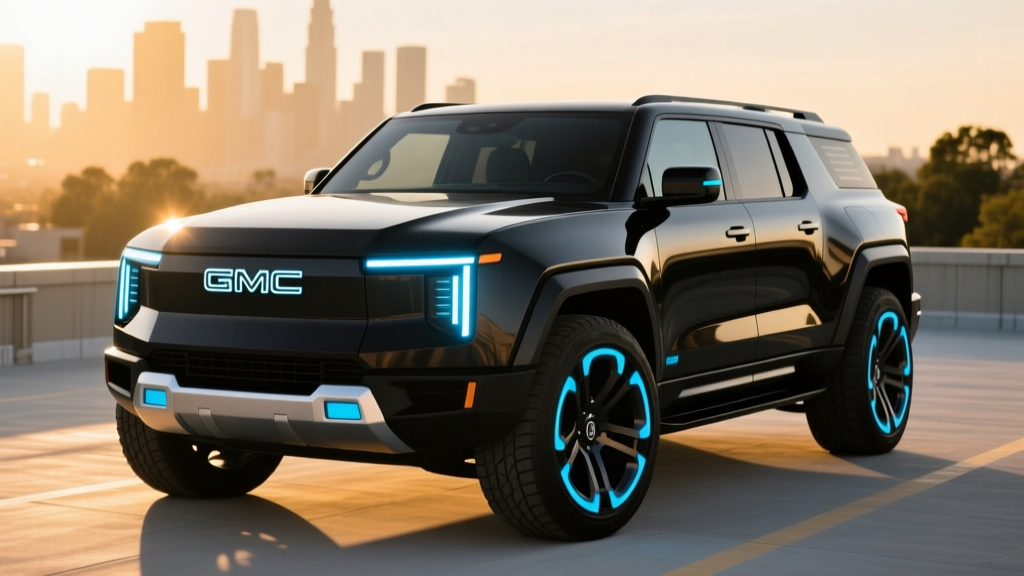
The 2025/2026 GMC Hummer EV Pickup reaches 0-60 mph in approximately 3.0 seconds in Watts to Freedom (WTF) mode on the Edition 1 and 3X trims equipped with the dual-motor AWD powertrain producing up to 830 horsepower and 1,200 lb-ft of torque. The 2X trim achieves 0-60 in roughly 3.5 seconds with 625 hp. The Hummer EV SUV variant posts nearly identical times. These figures make the 9,000+ pound Hummer EV one of the quickest production trucks ever built — but raw acceleration is only part of the ownership equation.
If you're researching the Hummer EV's 0-60 performance, you're likely weighing whether this electric supertruck delivers on its promises beyond the drag strip. This guide covers the complete ownership picture: real-world range, charging logistics, costs compared to gas trucks, and the practical realities of living with a vehicle that weighs as much as two compact cars.
Hummer EV Performance by Trim: 0-60, Horsepower, and Specs
GMC offers the Hummer EV in several configurations. The 0-60 time varies by trim, motor count, and whether you engage the launch-oriented Watts to Freedom mode, which preconditions the battery, stiffens the adaptive air suspension, and lowers the ride height for maximum traction.
| Trim | Powertrain | Horsepower | Torque (lb-ft) | 0-60 mph | EPA Range (est.) | Base MSRP |
|---|---|---|---|---|---|---|
| 2X | Dual-Motor AWD | 625 hp | 7,400 | ~3.5 sec | ~314 mi | ~$99,995 |
| 3X | Tri-Motor AWD | 830 hp | 1,200 | ~3.0 sec | ~298 mi | ~$119,995 |
| Edition 1 (sold out) | Tri-Motor AWD | 830 hp | 1,200 | ~3.0 sec | ~329 mi | $112,595 (launch) |
Real-world acceleration note: The 3.0-second 0-60 time requires Watts to Freedom mode, a fully charged (or near-full) battery, optimal tire temperature, and a dry, flat surface. In everyday driving with standard modes, expect 0-60 in the 4.0–4.5 second range for the 3X — still brutally fast for a vehicle with a curb weight exceeding 9,000 pounds.
The tri-motor 3X uses two rear motors and one front motor, enabling torque vectoring across the rear axle. This is what enables the Hummer EV's signature CrabWalk diagonal-drive feature and contributes to the sub-3-second launch by distributing torque precisely to the wheels with the most grip.
Battery, Range, and the Real-World Gap
The Hummer EV's Ultium battery pack is massive — approximately 212.7 kWh of usable capacity (246.8 kWh gross) using nickel-cobalt-manganese-aluminum (NCMA) pouch cells arranged in 24 modules. This is roughly three times the battery capacity of a Tesla Model Y and is the largest pack in any production passenger vehicle.
EPA Range vs. What You'll Actually See
EPA sticker: Up to 329 miles (Edition 1), 314 miles (2X), 298 miles (3X tri-motor)
Real-world highway (70-80 mph): Expect 240–270 miles. The Hummer EV's aerodynamic profile — essentially a rolling brick with a 5.4-foot-wide stance — causes significant efficiency loss at highway speed. Observed consumption often reaches 55–65 kWh/100mi on flat interstate driving, compared to the EPA-rated ~47–50 kWh/100mi combined.
Cold weather (below 30°F): Subtract 20–30% from EPA range. The enormous battery takes longer to precondition, and cabin heating demands are substantial. Expect 200–230 miles in freezing conditions even with the heat pump engaged.
Towing/hauling: With the 7,500-lb max towing rating engaged, range drops to roughly 150–180 miles depending on trailer weight and terrain.
The Hummer EV's efficiency is its fundamental trade-off. According to fueleconomy.gov, the combined MPGe hovers around 47–50 MPGe depending on trim. For comparison, a Ford F-150 Lightning Extended Range achieves roughly 66 MPGe combined with a smaller 131 kWh pack and 320-mile EPA range — at roughly 6,000 pounds versus the Hummer's 9,000+.
Charging Speeds: What 350 kW Means in Practice
GMC rates the Hummer EV for up to 350 kW peak DC fast charging on 800-volt-capable chargers. But peak rate is not sustained rate, and the charging curve tells the real story.
| Charging Level | Max Power (kW) | Miles Added Per Hour | 10-80% Time (approx.) | Typical Use Case |
|---|---|---|---|---|
| Level 1 (120V household) | ~1.4 kW | ~3 mi/hr | Not practical (100+ hours) | Emergency trickle only |
| Level 2 (240V, 48A) | ~11.5 kW | ~25 mi/hr | ~14 hours (full charge) | Overnight home charging |
| Level 2 (240V, 80A) | ~19.2 kW | ~42 mi/hr | ~8.5 hours (full charge) | High-amperage home/depot |
| DC Fast (350 kW peak) | Up to 350 kW | ~100 mi in ~12 min | ~30-35 min (10-80%) | Road trips on Electrify America, EVgo 350kW stations |
| DC Fast (150 kW station) | Up to 150 kW | ~55 mi/hr avg | ~55-65 min (10-80%) | Older CCS stations, some Tesla Superchargers with adapter |
Charging curve reality: The Hummer EV will sustain peak rates only at low state-of-charge (roughly 10–30% SoC) and with a preconditioned battery. Above 50% SoC, the rate tapers significantly. Above 80%, it drops to under 50 kW. A 10–80% session at a 350 kW charger typically takes 30–35 minutes — not the 12 minutes that peak-rate marketing might imply.
Connector note: The Hummer EV ships with a CCS1 connector. GM has announced NACS (Tesla Supercharger) compatibility for newer model years, and a GM-approved adapter enables access to Tesla's network. Verify your specific model year's connector before planning road trips around Superchargers.
Hummer EV vs. Gas Trucks: Cost and Performance Comparison
The Hummer EV competes against full-size performance trucks like the Ford F-150 Raptor R, Ram 1500 TRX, and the electric Ford F-150 Lightning and Rivian R1T. Here's how the numbers stack up against gas-powered rivals and fellow EVs:
| Vehicle | 0-60 mph | Horsepower | Curb Weight | Fuel/Energy Cost Per Mile | Starting MSRP |
|---|---|---|---|---|---|
| GMC Hummer EV 3X | ~3.0 sec | 830 hp | ~9,063 lbs | ~$0.05–0.07/mi (home L2) | ~$119,995 |
| Ram 1500 TRX (discontinued 2024) | ~4.5 sec | 702 hp | ~6,770 lbs | ~$0.22–0.28/mi (12 mpg, $3.50/gal) | $92,000 (was) |
| Ford F-150 Raptor R | ~3.7 sec | 720 hp | ~6,100 lbs | ~$0.20–0.25/mi (12 mpg) | ~$109,145 |
| Ford F-150 Lightning Platinum | ~3.8 sec | 580 hp | ~6,500 lbs | ~$0.04–0.06/mi (home L2) | ~$96,874 |
| Rivian R1T Tri-Motor Max | ~2.9 sec | 850 hp | ~7,100 lbs | ~$0.04–0.06/mi (home L2) | ~$115,900 |
The Hummer EV's 0-60 time is legitimately supercar territory, beating the Raptor R and matching the tri-motor Rivian R1T. But the physics tax is real: at over 9,000 pounds, it consumes roughly 50% more electricity per mile than the F-150 Lightning, and its massive battery means longer charging sessions and higher home electricity costs per full charge.
5-Year Estimated Ownership Cost: Hummer EV 3X vs. Raptor R
| Cost Category | Hummer EV 3X | Ford F-150 Raptor R |
|---|---|---|
| Purchase Price | $119,995 | $109,145 |
| Federal Tax Credit (§30D) | $0 (MSRP cap & sourcing)* | $0 (not eligible — ICE) |
| Fuel/Energy (60,000 mi) | ~$3,600 (home L2 @ $0.14/kWh) | ~$15,000 (12 mpg @ $3.50/gal) |
| Maintenance (5 yr) | ~$1,500 (no oil, fewer fluids) | ~$4,500 (oil, filters, plugs) |
| Insurance (5 yr est.) | ~$18,000 (high-performance EV premium) | ~$14,000 |
| Tires (5 yr, heavy vehicle wear) | ~$3,200 (37" OEM, faster wear at 9K lbs) | ~$2,400 |
| Total Estimated 5-Year | ~$146,295 | ~$145,045 |
*The Hummer EV likely does not qualify for the $7,500 §30D federal tax credit due to battery component and critical mineral sourcing requirements. Always verify current eligibility on IRS.gov and consult a tax professional. The MSRP cap for trucks under §30D is $80,000 — and the Hummer EV exceeds this threshold.
The energy savings are substantial: roughly $11,400 less in fuel over 60,000 miles. But those savings are largely offset by higher insurance premiums, faster tire wear from the extreme weight, and the lack of a federal tax credit. The Hummer EV is not a cost-savings play — it's a performance and presence play.
Real-World Ownership: What First-Time EV Buyers Must Know
Home Charging Is Nearly Mandatory
With a 212+ kWh battery, the Hummer EV is effectively unchargeable on Level 1 (120V) in any practical timeframe — a full charge would take over 100 hours. You need a Level 2 home charger at minimum.
- 48-amp Level 2 circuit (60A breaker): Adds ~25 miles per hour. Full charge in ~14 hours. Installation cost: $800–$2,000 depending on panel proximity and local permitting.
- 80-amp Level 2 circuit (100A breaker): Adds ~42 miles per hour. Full charge in ~8.5 hours. Installation cost: $1,500–$3,500, and may require a 200A panel upgrade ($2,000–$5,000 additional).
- Electrical panel upgrade: Many homes with 100A or 150A service will need an upgrade to 200A to accommodate an 80A EV charger alongside existing loads. Budget $3,000–$5,000 for this if needed. Always get a quote from a licensed electrician.
Weight Has Consequences
At 9,063 pounds, the Hummer EV's mass affects everything:
- Tire wear: Expect 20,000–30,000 miles on OEM 37-inch all-terrain tires versus 40,000+ on a lighter vehicle. Budget $1,200–$1,600 per replacement set.
- Brake life: Regenerative braking helps, but the sheer mass still stresses rotors. Expect 40,000–60,000 miles on rotors.
- Road infrastructure: Some parking structures, bridges, and residential roads have weight limits. The Hummer EV exceeds the posted limit on certain older parking garages (typically rated at 7,000–8,000 lbs per vehicle).
- Registration fees: Several states impose additional EV registration fees ($50–$225/year), and some weight-based registration structures apply.
Climate and Driving Pattern Realities
If you live in a region with harsh winters (Upper Midwest, Northeast, Mountain West), plan for 20–30% range loss in sustained sub-freezing temperatures. The heat pump helps, but warming a cabin the size of the Hummer EV's and maintaining battery temperature is energy-intensive.
For daily commuting under 60 miles round-trip with home charging, the Hummer EV works well even in cold climates — you'll start each morning with a full charge. Road trips require more planning: with real-world highway range around 240–270 miles, plan DC fast-charging stops every 200 miles to maintain a comfort buffer.
Common Hummer EV Misconceptions, Corrected
| Myth | Fact |
|---|---|
| "It qualifies for the $7,500 federal tax credit" | It exceeds the §30D MSRP cap of $80,000 for trucks. Even if it didn't, current critical mineral and battery component sourcing rules likely disqualify it. Always check IRS.gov for current eligibility. |
| "350 kW charging means a full charge in 12 minutes" | 350 kW is the peak rate at low SoC. Sustained average is much lower. Expect 30–35 minutes for a 10–80% session. The massive 212 kWh battery takes longer to fill than any smaller-pack EV. |
| "329 miles of range means 329 miles on the highway" | EPA range is a mixed driving cycle. At 75 mph on flat interstate, expect 240–270 miles. Add cold weather or towing, and it drops further. |
| "I can charge it on a regular household outlet" | Level 1 (120V) adds about 3 miles per hour. A full charge from empty would take over 100 hours. A Level 2 home charger is essential. |
| "It's self-driving with Super Cruise" | Super Cruise is an SAE Level 2 driver-assistance system. It requires driver attention, works only on mapped divided highways (~750,000+ miles in North America), and you must remain engaged at all times. |
| "The battery will need expensive replacement soon" | GM covers the Ultium battery with an 8-year/100,000-mile warranty (whichever comes first) against defects and excessive degradation (below 60% capacity retention). NCMA chemistry is proven durable, and the large pack means individual cell degradation has less impact on total range. |
Super Cruise: SAE Level 2 — Not Self-Driving
GMC's Super Cruise is an excellent hands-free highway driving system on compatible roads, but it is SAE Level 2 automation. The driver must remain alert, eyes on the road (monitored by a camera), and ready to take over instantly. It does not handle construction zones, unmapped roads, inclement weather routing, or complex urban driving. For full context on automation levels, Level 4 (no driver needed in defined conditions) currently exists only in robotaxi services like Waymo — not in any consumer vehicle.
Decision Framework: Is the Hummer EV Right for You?
Choose the GMC Hummer EV If:
- You want a sub-3.5-second 0-60 time in a full-size truck and the Hummer's presence appeals to you
- You have a garage or dedicated parking with access to a 240V Level 2 charger (or can install one)
- Your daily driving is under 150 miles round-trip, and road trips are occasional
- You value features like CrabWalk, Extract Mode (air suspension raises 6 inches for obstacles), and the Infinity Roof with removable panels
- You understand the total cost will exceed $140,000 over five years and accept this as the price of performance
Look Elsewhere If:
- You need a cost-efficient daily driver — the F-150 Lightning or Rivian R1T deliver strong performance at lower energy cost and weight
- You lack home charging access and rely solely on public infrastructure — the massive battery means long sessions at public chargers
- You regularly tow heavy loads over long distances — range drops to 150–180 miles with a trailer, requiring frequent charging stops
- You need federal tax credit eligibility — the Hummer EV's MSRP exceeds the $80,000 truck cap under §30D
- Parking garage weight limits are a concern in your daily routine
Frequently Asked Questions
What is the GMC Hummer EV's exact 0-60 time?
The 3X tri-motor trim achieves approximately 3.0 seconds 0-60 mph in Watts to Freedom mode. The 2X dual-motor trim posts roughly 3.5 seconds. These times require optimal conditions — a preconditioned battery, dry pavement, and WTF mode engagement. In normal driving modes, expect 4.0–4.5 seconds for the 3X.
How much does it cost to fully charge a Hummer EV at home?
With the ~212.7 kWh usable battery and a national average electricity rate of $0.14/kWh, a full charge from empty costs roughly $29.78. In practice, most owners charge from 20–80% daily, costing about $17.88. This is dramatically cheaper than fueling a comparable gas truck — a Ram TRX at 12 mpg would cost roughly $87.50 for the equivalent range at $3.50/gallon.
Does the Hummer EV qualify for any federal tax credits?
No. The §30D clean vehicle credit has an MSRP cap of $80,000 for trucks (and $55,000 for sedans). Every Hummer EV trim exceeds this cap. Additionally, battery component and critical mineral sourcing requirements further limit eligibility for many high-end EVs. Some state or local incentives may apply — check your state's energy office for details. Consult a tax professional for personal eligibility guidance.
Can the Hummer EV use Tesla Superchargers?
GM has been rolling out NACS (Tesla connector) compatibility across its EV lineup. For Hummer EV models equipped with CCS1, a GM-approved NACS adapter provides access to Tesla's Supercharger network (V3 stalls at 150 kW and V4 stalls). Verify adapter availability and compatibility for your specific model year through your GMC dealer.
How does the Hummer EV's weight affect daily driving?
At over 9,000 pounds, the Hummer EV requires longer braking distances, wears tires faster (expect 20,000–30,000 miles on a set), and may exceed weight limits on some older parking structures. The adaptive air suspension and rear-wheel steering help manage the mass admirably, giving it a surprisingly manageable turning radius, but the physics of 9,000 pounds can't be fully engineered away.
What is the Hummer EV's battery warranty?
GM provides an 8-year/100,000-mile limited warranty on the Ultium battery pack, covering defects and capacity loss below a specified retention threshold (typically 60% of original capacity). The vehicle limited warranty is 3 years/36,000 miles bumper-to-bumper and 5 years/60,000 miles powertrain. For a vehicle at this price point, some buyers opt for extended coverage.
How does the Hummer EV SUV compare to the pickup?
The Hummer EV SUV shares the same powertrain options, battery pack, and performance figures. 0-60 times are nearly identical (within ~0.1 seconds). The SUV has a shorter wheelbase, slightly less cargo space behind the second row, and a marginally lower tow rating. Range figures are comparable. Choose based on whether you need a truck bed or prefer an enclosed cargo area.
Sources: EPA fuel economy data via fueleconomy.gov, GMC official specifications, IRS clean vehicle credit guidelines at irs.gov. All pricing and specifications reflect the most recent model year data available. Tax credit eligibility rules are subject to change — always verify with official sources and a qualified tax professional before purchasing.