Quick Answer: What GMC Electric Models Can You Buy in 2026?
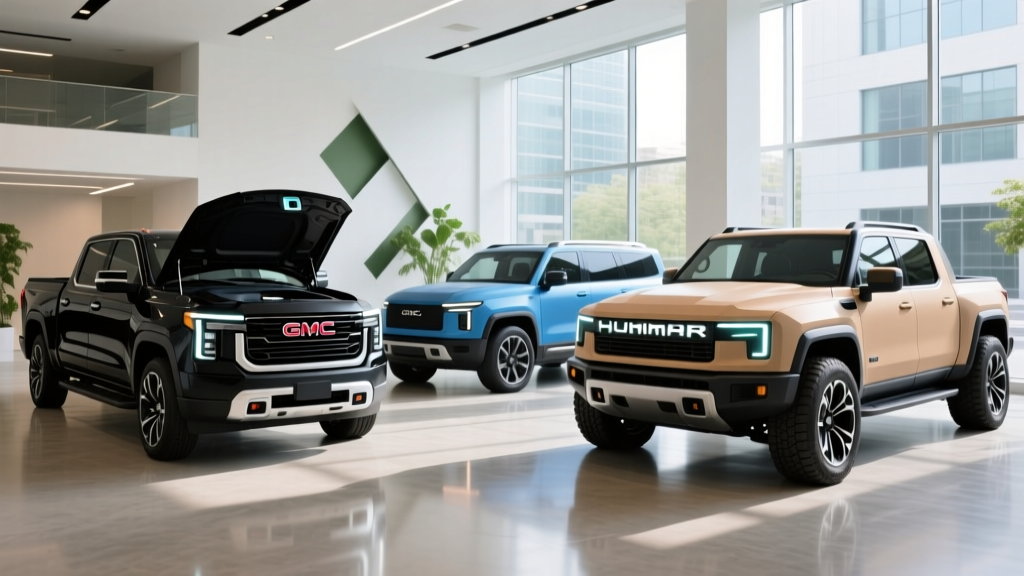
GMC offers three electric vehicles for 2026: the Sierra EV (390-460 mile range, $79,900-$99,900), the Hummer EV SUV and Pickup (314-381 mile range, $98,845-$142,095), and the upcoming Terrain EV (announced for late 2026/early 2027, estimated 300+ mile range, ~$50,000). Only the Sierra EV qualifies for the full $7,500 federal tax credit under current §30D rules, subject to income caps and battery sourcing requirements.
2026 GMC Electric Lineup: Specs & Real-World Performance
| Model | EPA Range | Battery (kWh) | Peak DC Charge | 10-80% Time | 0-60 mph | Base MSRP |
|---|---|---|---|---|---|---|
| Sierra EV Denali Edition 1 | 440 mi | 200+ (est.) | 350 kW | ~12 min | 4.3 sec | $99,900 |
| Sierra EV Elevation | 390 mi | ~180 (est.) | 350 kW | ~12 min | 5.0 sec (est.) | $79,900 |
| Hummer EV SUV | 314-381 mi | 212.7 (usable) | 300+ kW | ~15 min | 3.5-4.5 sec | $98,845 |
| Hummer EV Pickup | 329-350 mi | 212.7 (usable) | 300+ kW | ~15 min | 3.0-3.5 sec | $112,595 |
| Terrain EV (announced) | 300+ mi (est.) | TBD | TBD | TBD | TBD | ~$50,000 (est.) |
Real-World Range Reality Check
EPA estimates vs. what you'll actually see:
- Sierra EV Denali (440 mi EPA): Expect 350-380 miles in mixed driving at 65-70 mph. Highway-only at 75+ mph drops to ~320-340 miles. Cold weather (below freezing) reduces range 20-30%, so winter highway driving may yield 260-290 miles.
- Hummer EV SUV (381 mi max EPA): Real-world highway driving typically nets 290-320 miles. The 9,000+ lb curb weight and boxy aerodynamics hit efficiency hard above 70 mph. Cold weather highway range: 240-270 miles.
- Charging curve taper: Both models peak at 300-350 kW but taper significantly above 80% state of charge. A 10-80% charge takes ~12-15 minutes, but 80-100% adds another 15-20 minutes. Plan road trips around 10-80% charges for efficiency.
GMC EV vs. Gas Trucks: Total Cost of Ownership
Let's compare the 2026 Sierra EV Elevation ($79,900) against a similarly equipped 2026 Sierra 1500 Denali gas model (~$68,000) over 5 years and 75,000 miles:
| Cost Category | Sierra EV Elevation | Sierra 1500 Denali (Gas) |
|---|---|---|
| Purchase Price (after tax credit) | $72,400 (assuming $7,500 credit) | $68,000 |
| Fuel/Energy (75k miles) | $4,500 (home charging @ $0.14/kWh) | $11,250 (@ 17 MPG, $3.50/gal) |
| Maintenance (5 years) | $1,200 (cabin filter, tires, fluid checks) | $3,800 (oil changes, transmission, brakes) |
| Insurance (5 years) | $9,500 (EV premium ~15-20%) | $7,800 |
| Total 5-Year Cost | $87,600 | $90,850 |
Break-even analysis: The Sierra EV breaks even around year 4 if you charge primarily at home. Public DC fast charging (at $0.40-0.50/kWh) cuts savings dramatically—frequent road-trippers relying on Electrify America or EVgo may not see fuel cost advantages.
Federal Tax Credit Eligibility: What You Need to Know
Under current IRS §30D rules for 2026, GMC EV buyers must navigate several requirements:
- MSRP cap: Trucks/vans/SUVs must be under $80,000. Only the Sierra EV Elevation ($79,900) qualifies; Denali Edition 1 and Hummer EV models exceed the cap.
- Income limits: Modified AGI cannot exceed $150,000 (single), $225,000 (head of household), or $300,000 (joint filers).
- Battery sourcing: Increasing percentages of critical minerals and battery components must come from US/free-trade partners. Verify current-year compliance on IRS qualified vehicle list before purchase.
- Point-of-sale transfer: You can transfer the credit to the dealer for an immediate price reduction, but you must still meet income requirements when filing taxes.
Critical caveat: Tax credit rules change frequently. The Sierra EV Elevation's eligibility depends on GM's battery supply chain compliance in your purchase month. Always check the IRS website and consult a tax professional before relying on the credit.
Home Charging: The Make-or-Break Factor
GMC's large battery packs (180-212 kWh) demand serious home charging infrastructure:
| Component | Cost Range | Notes |
|---|---|---|
| Level 2 Charger (48A, 11.5 kW) | $500-$800 | ChargePoint Home Flex, Wallbox Pulsar Plus, or GM-recommended units |
| Electrical Panel Upgrade (if needed) | $1,500-$3,500 | Required if you have a 100A panel; 200A service recommended |
| Wiring & Installation (50-60A circuit) | $800-$2,200 | Depends on run length from panel to garage/driveway |
| Permits | $100-$400 | Varies by jurisdiction |
| Total Installation | $2,900-$6,900 | Most homeowners spend $3,500-$4,500 |
Charging speed reality: A 48A Level 2 charger adds ~30-35 miles of range per hour. Fully recharging a depleted Sierra EV (180+ kWh battery) takes 16-18 hours. This works fine for daily driving (50-100 miles), but road-trippers should plan DC fast-charging stops.
No home charging? Relying on public infrastructure for a 200 kWh battery is expensive and time-consuming. A 10-80% DC fast charge costs $35-50 and takes 15-20 minutes, but you'll spend 30-40 minutes total including parking and setup. Apartment dwellers without workplace charging should reconsider EV ownership or choose a smaller-battery vehicle.
Decision Framework: Which GMC EV (If Any) Is Right for You?
Choose the Sierra EV if:
- You need a full-size truck for towing (up to 9,500 lbs) or work use
- You have home charging and drive 50-150 miles daily
- You qualify for the $7,500 tax credit (Elevation trim, income under caps)
- You value instant torque and quiet operation over traditional V8 feel
- Budget: $72,000-$100,000 after incentives
Choose the Hummer EV if:
- You want extreme off-road capability (35-inch tires, adaptive air suspension, CrabWalk)
- You need 1,000+ horsepower and don't care about efficiency (1.5-2.0 kWh/mile)
- You have a 240V/60A home charging setup and don't mind 16+ hour full charges
- Budget: $100,000-$145,000 (no federal tax credit due to MSRP cap)
Wait for the Terrain EV if:
- You want a compact/midsize electric SUV under $55,000
- You don't need truck capability but want GMC styling
- You're not in a rush (production starts late 2026/early 2027)
Stick with gas or hybrid if:
- You lack home charging access and your area has sparse public infrastructure
- You regularly tow 10,000+ lbs or drive 400+ miles in a single day
- You live in extreme cold climates and can't tolerate 25-30% winter range loss
- Your budget is under $65,000 (consider the Chevy Silverado Hybrid or wait for more affordable options)
Common Misconceptions About GMC Electric Vehicles
| Myth | Fact |
|---|---|
| "The Sierra EV can tow as much as a gas Sierra" | Max towing is 9,500 lbs (Elevation) to 10,000 lbs (Denali), but towing 8,000+ lbs cuts range by 40-50%. A gas Sierra 1500 tows 9,500-13,300 lbs with less range anxiety. |
| "I'll save money on fuel no matter how I charge" | Home charging at $0.14/kWh saves ~$6,750 over 75k miles vs. gas. But frequent DC fast charging at $0.48/kWh cuts savings to ~$2,000—barely worth the upfront premium. |
| "All GMC EVs get the $7,500 tax credit" | Only the Sierra EV Elevation qualifies under the $80,000 MSRP cap. Hummer EV and Sierra Denali Edition 1 are too expensive. Even the Elevation requires income limits and battery sourcing compliance. |
| "Electric trucks don't need maintenance" | EVs skip oil changes and transmission service, but tires wear 20-30% faster due to instant torque and heavy weight (7,000-9,000 lbs). Budget $1,200-$1,800 for tire replacement every 25,000-35,000 miles. |
| "The battery will need replacement in 5-8 years" | GM covers the battery for 8 years/100,000 miles (whichever comes first) against defects and excessive degradation (below 60-70% capacity). Modern NMC chemistries typically retain 85-90% capacity after 100k miles based on Bolt EV fleet data. |
Frequently Asked Questions
Can I charge a GMC EV on a regular 120V outlet?
Technically yes, but it's impractical. Level 1 charging (120V/12A) adds only 2-3 miles of range per hour. Fully charging a 200 kWh Hummer EV battery would take 80+ hours. You'll need a 240V Level 2 setup for daily use.
How does cold weather affect GMC EV range?
Expect 20-30% range loss below freezing due to battery chemistry and cabin heating demands. A Sierra EV rated for 440 miles EPA may deliver only 310-350 miles in 20°F weather. Preconditioning the battery while plugged in helps, but cold-climate owners should plan for reduced range.
Is the GMC Hummer EV practical for daily driving?
It depends on your definition of practical. The Hummer EV is 81+ inches wide (challenging in parking garages), gets 1.5-2.0 kWh/mile (expensive to charge), and costs $100,000+. But if you have home charging, don't drive 300+ miles daily, and value the capability and presence, it works as a daily driver.
What happens if the battery fails after the warranty expires?
Out-of-warranty battery replacement for a 200+ kWh pack would cost $25,000-$40,000 based on current pricing. However, catastrophic failures are rare—most degradation is gradual. GM's 8-year/100,000-mile warranty covers defects and excessive capacity loss. Third-party battery repair shops are emerging as a lower-cost option for module-level repairs.
Does the Sierra EV qualify for HOV lane access?
Yes, in most states that offer clean vehicle decals (California, Colorado, etc.), but programs are winding down as EV adoption increases. Check your state's DMV for current eligibility and expiration dates.
Can I use Tesla Superchargers with a GMC EV?
Starting in 2025-2026, GM vehicles can access Tesla Superchargers using a NACS adapter (included or available for purchase). However, you'll need the GM Energy app or Tesla app for payment, and not all Supercharger stalls are compatible with non-Tesla vehicles yet.
Bottom line: GMC's 2026 electric lineup targets premium truck and SUV buyers who want instant torque, home charging convenience, and cutting-edge tech—but the economics only work if you have Level 2 charging access, qualify for tax incentives, and don't regularly push the limits of range and towing. For work-truck buyers who tow heavy loads daily or live in charging deserts, a gas or hybrid Sierra remains the pragmatic choice.