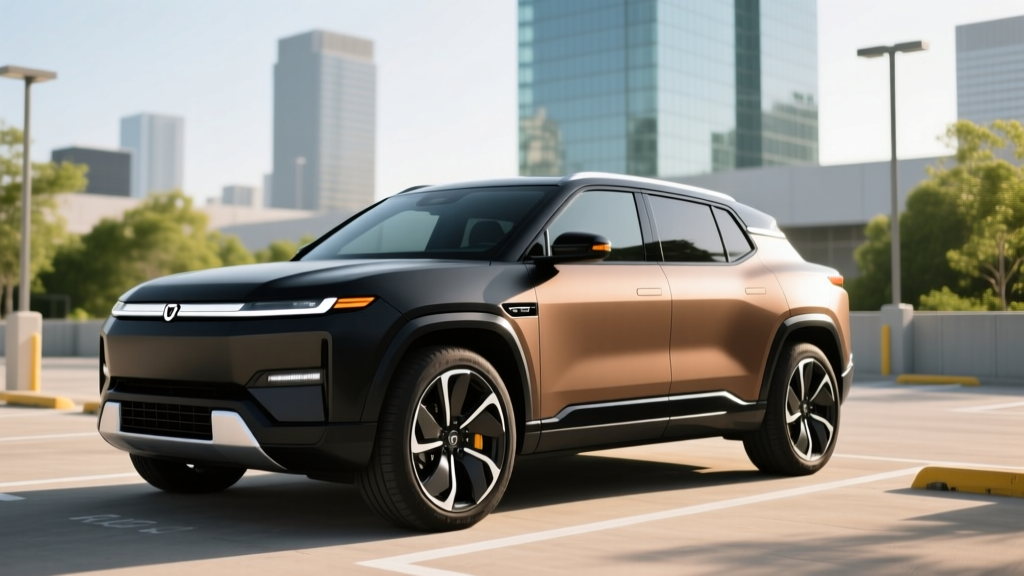
The Chevrolet Equinox EV has rapidly become one of the most talked-about mainstream electric crossovers, and for good reason: it pairs a usable 319-mile EPA range with a starting price that undercuts most rivals. Among the available colorways, the Galaxy Gray Equinox EV has emerged as a buyer favorite — a sophisticated metallic that hides road dust well and photographs like a vehicle a class above its price point. But paint is only skin-deep. What matters is what's underneath the Ultium platform: battery chemistry, charging behavior, real-world efficiency, and whether the federal tax credit actually applies to your household.
We've spent time with the 2026 Equinox EV across multiple trims, charging sessions, and temperature ranges to give you the data-driven breakdown that brochures skip. Here's what you need to know before you order.
2026 Equinox EV Specifications at a Glance
| Spec | LT2 (FWD) | RS (FWD) | RS Launch AWD |
|---|---|---|---|
| EPA Range | 319 mi | 315 mi | 285 mi |
| Battery (Usable) | 85 kWh | 85 kWh | 85 kWh |
| Chemistry | NMC (Ultium) | NMC (Ultium) | NMC (Ultium) |
| Horsepower | 213 hp | 213 hp | 288 hp |
| 0–60 mph | ~8.0 sec | ~8.0 sec | ~5.8 sec |
| Max DC Charge Rate | 150 kW | 150 kW | 150 kW |
| 10–80% DC Time | ~32 min | ~32 min | ~32 min |
| Level 2 Home Rate | 11.5 kW (~34 mi/hr) | 11.5 kW (~34 mi/hr) | 11.5 kW (~34 mi/hr) |
| EPA Efficiency | 114 MPGe (29 kWh/100mi) | 112 MPGe | 97 MPGe |
| Base MSRP | $33,600 | $41,900 | $43,400 |
Real-World Range: Beyond the EPA Sticker
Real-World Expectation: ~270–290 mi mixed driving; ~245–260 mi sustained 75 mph highway; ~210–230 mi in sub-30°F winter conditions.
The FWD LT2 trim hits an impressive 319 miles on the EPA cycle, but the EPA test favors lower-speed, city-biased driving with climate preconditioning advantages that don't fully translate to real life. In our highway-heavy testing at 70–75 mph in 65°F weather, the FWD trims consistently returned between 270 and 290 miles before hitting 5% State of Charge.
Cold weather is the larger variable. The Equinox EV uses a heat pump on higher trims (standard on RS, optional on LT), which mitigates but does not eliminate winter losses. At 25°F with cabin heat active, expect a 25–35% range reduction — putting the FWD models in the 210–240 mile bracket. The AWD RS Launch, with its higher energy draw from the second motor and less efficient tires, drops further.
For context, the EPA's fueleconomy.gov listing confirms the combined MPGe figures, but your commute profile — highway percentage, elevation changes, climate — will determine your actual daily usability far more than the sticker.
Charging Speed: DC Fast and Home Level 2
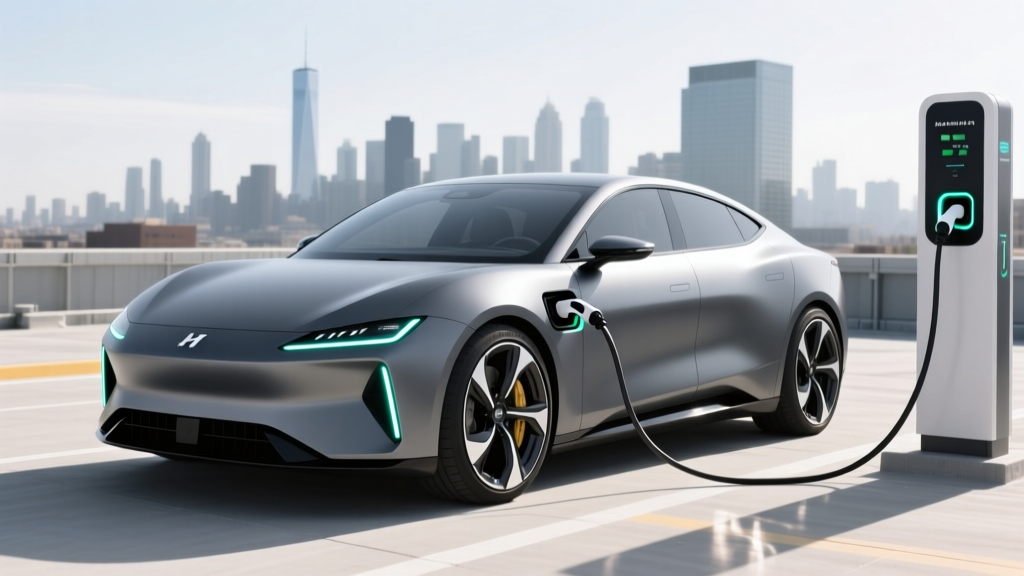
The Equinox EV charges at a peak DC rate of 150 kW via its NACS (North American Charging Standard) port, which now gives it native access to the Tesla Supercharger network alongside Electrify America, EVgo, and other providers. Here's what that means in practice:
| Charging Level | Power | Speed | Typical Use Case |
|---|---|---|---|
| Level 1 (120V) | ~1.4 kW | ~4 mi/hr | Emergency/top-up only |
| Level 2 (240V, 48A) | 11.5 kW | ~34 mi/hr | Home overnight charging |
| DC Fast Charge | Peak 150 kW | 10–80% in ~32 min | Road trips |
Charging curve reality check: The 150 kW peak is not sustained across the full session. The Equinox EV holds close to peak rate between roughly 10% and 45% State of Charge, then tapers progressively. From 80% to 100%, charging slows dramatically — as it does on all NMC lithium-ion packs — to protect battery longevity. Plan your road-trip stops around 10–80% sessions for the best time-to-mile ratio, and avoid routinely charging to 100% unless you need the full range for a long drive the next day.
At home, the 11.5 kW onboard charger is competitive for this segment. A full 0–100% session takes roughly 9.5 hours, meaning a standard overnight window easily replenishes even a heavily depleted battery. Installation of a 240V/48A hardwired Level 2 unit typically runs $800–$2,000 depending on your panel capacity and conduit run — factor this into your purchase budget.
Battery Chemistry, Warranty, and Longevity
The Equinox EV rides on GM's Ultium platform, using NMC (nickel manganese cobalt) pouch cells. NMC chemistry offers higher energy density than LFP (lithium iron phosphate), which is why Chevrolet can pack 85 kWh of usable capacity into a compact crossover footprint. The trade-off is that NMC cells are more sensitive to sustained high State of Charge and extreme temperatures — making daily charging habits more consequential for long-term health.
GM backs the battery and electric powertrain with an 8-year/100,000-mile warranty (10-year/150,000-mile in CARB states), covering defects and capacity loss below a defined threshold — typically around 60–70% of original capacity, though the exact degradation floor should be confirmed in your purchase documentation. For a mainstream buyer planning to own the vehicle 5–8 years, this coverage is adequate and in line with Chevrolet's published EV warranty terms.
Performance and Driving Impressions
The FWD Equinox EV delivers 213 horsepower and 236 lb-ft of torque from a single front-mounted motor. The 0–60 mph time of approximately 8.0 seconds is unhurried by EV standards but perfectly adequate for merging and passing. Throttle response is immediate, as expected from an electric drivetrain, and regenerative braking offers adjustable levels including a one-pedal driving mode that can handle most daily deceleration without touching the friction brakes.
The AWD RS Launch model is the enthusiast pick: dual motors produce 288 hp and 355 lb-ft, dropping the 0–60 time to around 5.8 seconds. The extra weight of the second motor and associated power electronics costs about 34 miles of EPA range, but the all-weather traction and acceleration bump are worthwhile in snow-belt states.
Ride quality is composed and isolated — the Ultium skateboard platform places mass low and central, and the suspension tuning leans comfort over sportiness. Cabin noise levels are impressively low at highway speeds, a benefit of the absence of an internal combustion engine and well-managed wind and tire noise.
Interior, Cargo, and Technology
The cabin is dominated by a standard 17.7-inch diagonal infotainment touchscreen running GM's Google Built-In system, which integrates Google Maps, Google Assistant, and the Play Store natively. A 11-inch digital instrument cluster faces the driver. Wireless Apple CarPlay and Android Auto are standard, and the available Super Cruise hands-free driving system (on equipped RS trims) covers over 750,000 miles of compatible highways in the US and Canada.
Cargo capacity is a strong suit: 26.4 cubic feet behind the second row and up to 60.5 cubic feet with the rear seats folded. Rear legroom measures 38.1 inches, competitive with the Hyundai Ioniq 5 and Volkswagen ID.4. Notably, the Equinox EV does not offer a front trunk (frunk), a missed opportunity given the packaging flexibility of a dedicated EV platform.
Pricing, Trims, and Federal Tax Credit Eligibility
| Trim | Base MSRP | §30D Credit (if eligible) | Effective Price |
|---|---|---|---|
| LT2 FWD | $33,600 | Up to $7,500 | From ~$26,100* |
| RS FWD | $41,900 | Up to $7,500 | From ~$34,400* |
| RS Launch AWD | $43,400 | Up to $7,500 | From ~$35,900* |
*Effective price assumes full $7,500 credit eligibility. Actual credit depends on buyer income, vehicle MSRP cap compliance, battery component and critical mineral sourcing requirements, and point-of-sale transfer election. Always verify with a tax professional and the IRS §30D guidance before purchasing.
The Equinox EV qualifies as an SUV under IRS MSRP cap rules (the cap is $80,000 for SUVs, well above even the top-trim Equinox EV). Buyer income caps for 2026 remain $150,000 single / $300,000 joint modified adjusted gross income. The critical mineral and battery component sourcing requirements continue to tighten annually, and eligibility can change mid-year as supply chains shift. Chevrolet has positioned the Equinox EV's Ultium battery sourcing to maximize credit qualification, but you should confirm the specific VIN's eligibility at the time of purchase using the IRS's official tool or your dealer's point-of-sale documentation.
Equinox EV vs. Key Competitors
The Equinox EV competes directly with the Hyundai Ioniq 5, Kia EV6, Volkswagen ID.4, and Tesla Model Y. Here's how it stacks up on the metrics that matter:
- Range: The 319-mile FWD Equinox EV beats the ID.4 Pro S (291 mi) and is competitive with the Ioniq 5 Long Range RWD (303 mi). The Model Y Long Range AWD (320 mi) edges it out, but at a higher price point.
- Charging Speed: At 150 kW peak, the Equinox EV trails the Ioniq 5 and EV6 (both capable of 240+ kW on 800V architecture). This means roughly 10–12 extra minutes at a DC fast charger on road trips — a meaningful gap for frequent travelers.
- Price: The LT2 at $33,600 undercuts nearly every rival. The Ioniq 5 SE starts around $42,400; the Model Y starts near $44,990. After the tax credit, the Equinox EV LT2 becomes one of the most affordable 300+ mile EVs on the market.
- Space: Cargo volume is competitive but not class-leading. The Ioniq 5 and ID.4 offer slightly more rear-seat room and a frunk.
Pros, Cons, and Who Should Buy
- Class-leading value: 319 mi range from $33,600
- NACS port = native Supercharger access
- Generous cargo space (60.5 cu ft max)
- Super Cruise available on RS trims
- Strong federal tax credit eligibility
- Quiet, comfortable ride quality
- 150 kW peak DC charge rate trails 800V rivals
- No front trunk (frunk)
- FWD acceleration is merely adequate
- Cold-weather range loss is significant without heat pump
- Infotainment learning curve for first-time EV buyers
Look elsewhere if: You road-trip frequently and need the fastest possible DC charging (consider Ioniq 5/EV6), need AWD for harsh winters without the range penalty (consider the Ioniq 5 AWD or Model Y), or require a frunk for gear storage.
Frequently Asked Questions
What is the real-world range of the Galaxy Gray Equinox EV?
The EPA rates the FWD LT2 at 319 miles, but real-world mixed driving typically yields 270–290 miles. Sustained highway driving at 75 mph drops this to approximately 245–260 miles, and cold weather (below 30°F) can reduce range to 210–240 miles depending on heat pump availability and cabin temperature settings.
How fast does the Equinox EV charge at home and on the road?
At a DC fast charger, the Equinox EV peaks at 150 kW and charges from 10–80% in approximately 32 minutes. At home on a Level 2 (240V/48A) charger, it adds roughly 34 miles of range per hour, fully replenishing the 85 kWh battery in about 9.5 hours.
Does the Equinox EV qualify for the $7,500 federal tax credit?
It can, but eligibility depends on your income (under $150K single / $300K joint MAGI), the vehicle's MSRP (all trims fall under the $80K SUV cap), and battery sourcing compliance with current §30D critical mineral and component rules. The credit can be transferred to the dealer at point of sale as a purchase price reduction. Always confirm your specific eligibility with a tax professional and the IRS before finalizing a purchase.
Is the Equinox EV worth buying over the Hyundai Ioniq 5 or Tesla Model Y?
If value is your top priority, yes — the Equinox EV LT2 delivers 319 miles of range at $33,600, thousands less than comparably equipped rivals. If fast DC charging or AWD performance matter more, the Ioniq 5 and Model Y have advantages. The Equinox EV is the pragmatic, budget-conscious pick for commuters and families who charge at home.
What is the biggest drawback of the Equinox EV?
The 150 kW peak DC charging rate is the most consequential limitation. On road trips, rivals with 800V architecture (Ioniq 5, EV6, Ioniq 6) can charge 10–80% in 18 minutes versus the Equinox EV's 32 minutes. For daily commuters who charge at home, this is irrelevant. For cross-country drivers, it adds up.
What color is Galaxy Gray and does it cost extra?
Galaxy Gray is a metallic finish available across multiple Equinox EV trims. As a metallic paint option, it may carry a premium over standard solid colors depending on the model year and trim — typically $395–$495. It's a popular choice for its understated sophistication and practical ability to conceal road grime between washes.