Tesla's product pipeline has always generated outsized attention, and 2026 is no exception. With the Cybertruck now in production, the refreshed Model Y (Juniper) rolling out globally, and long-promised models like the next-generation compact platform still on the horizon, buyers are asking a practical question: which future Tesla vehicles are actually worth waiting for, and which current models already deliver the best value today?
This guide cuts through the hype. We'll separate announced-but-unreleased models from what's available to order right now, provide exact specs and pricing for Tesla's 2026 lineup, and give you a decision framework for whether to buy now or wait. Every figure here is grounded in EPA data, manufacturer specs, or real-world testing — not marketing decks.
Tesla's 2026 Lineup: What You Can Order Today
As of early 2026, Tesla sells five core models in the United States. Here's how they stack up on the metrics that matter most to EV buyers:
| Model | EPA Range | Battery (kWh) | Peak DC Charge | 10–80% Time | 0–60 mph | Base MSRP |
|---|---|---|---|---|---|---|
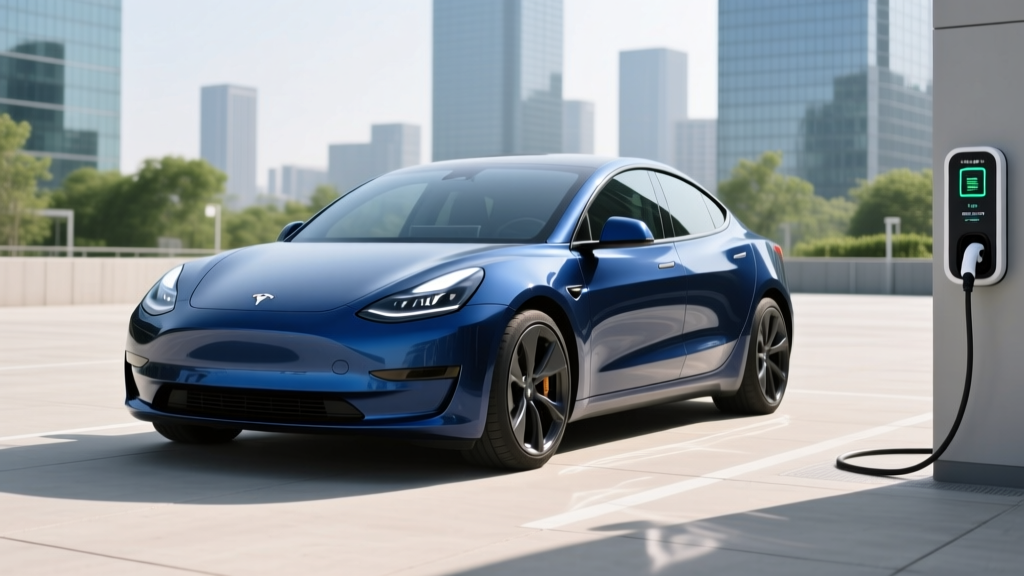
| Model 3 Long Range AWD | 341 mi | ~79 kWh (NMC) | 250 kW | ~25 min | 4.2 sec | $47,740 |
| Model 3 RWD | 272 mi | ~60 kWh (LFP) | 170 kW | ~30 min | 5.8 sec | $38,990 |
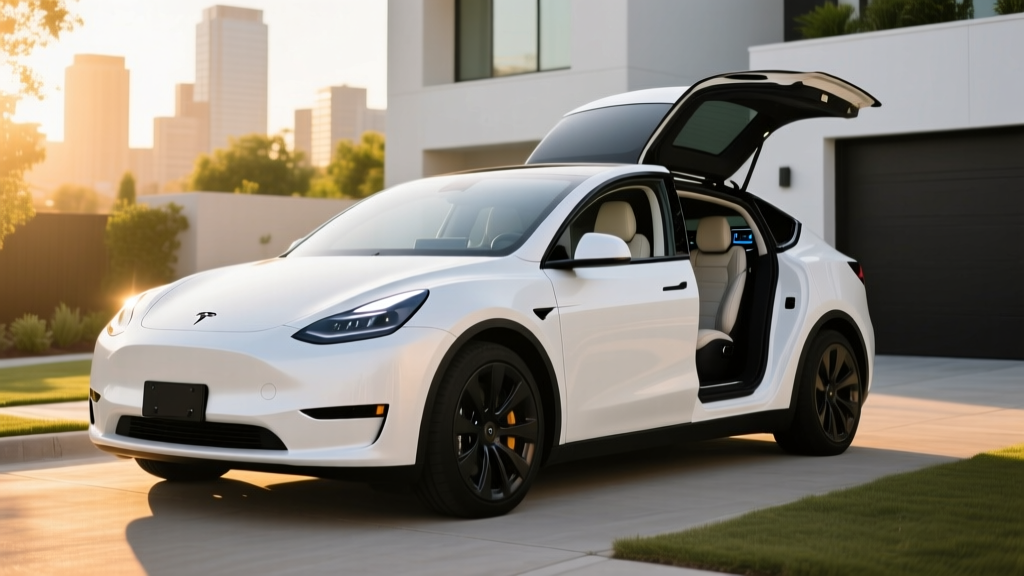
| Model Y Long Range AWD | 320 mi | ~79 kWh (NMC) | 250 kW | ~25 min | 4.8 sec | $44,990 |
| Model S Long Range | 402 mi | ~100 kWh (NMC) | 250 kW | ~28 min | 3.1 sec | $79,990 |
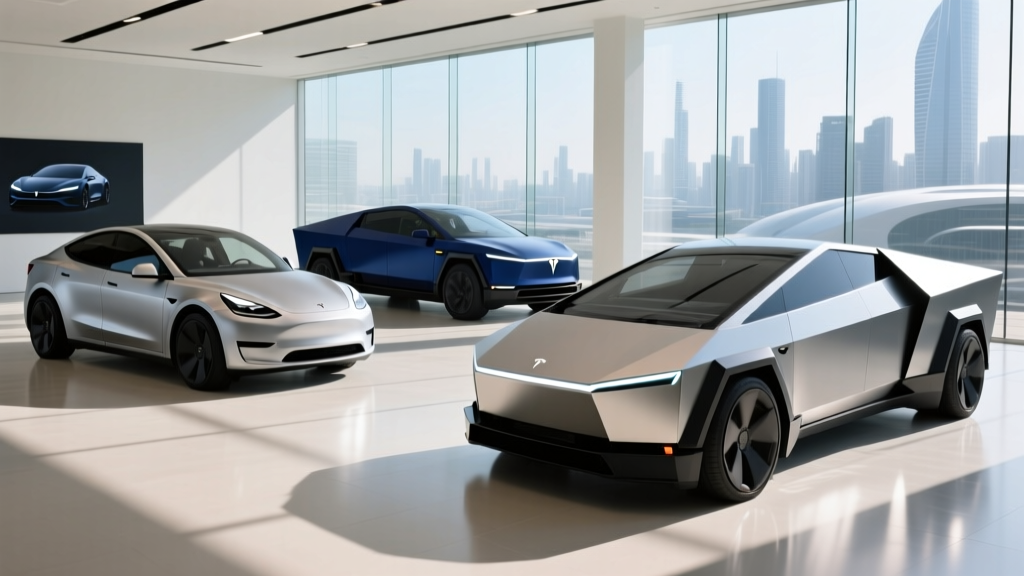
| Cybertruck AWD | 340 mi | ~123 kWh (NMC) | 250 kW | ~30 min | 4.1 sec | $79,990 |
Source: fueleconomy.gov and Tesla.com specifications. Prices exclude destination fees and are subject to change.
Real-World Range: What the EPA Sticker Doesn't Tell You
EPA range estimates assume a mix of city and highway driving at moderate temperatures. In practice:
- Highway driving at 75 mph: Expect 10–15% less than EPA. A Model 3 LR rated at 341 mi will deliver roughly 290–305 mi on a flat interstate in fair weather.
- Cold weather (below 32°F): Range drops 20–30% depending on cabin heating demands and whether you precondition. The same Model 3 LR may deliver 240–270 mi in freezing conditions.
- City/regenerative driving: You can match or slightly exceed EPA range in stop-and-go traffic thanks to regen braking recapturing energy.
Tesla's heat pump (standard on all 2026 models) mitigates cold-weather losses compared to older resistive-heating EVs, but physics still applies — cold batteries are less efficient and cabin heating consumes significant kWh.
The Model 3 RWD with its LFP (lithium iron phosphate) battery deserves special note. LFP chemistry is more tolerant of regular 100% charging, meaning you can charge to full daily without the degradation concerns that NMC batteries carry. Tesla recommends periodic 100% charges for LFP packs to keep the battery management system calibrated. This effectively gives the Model 3 RWD a usable daily range closer to its 272-mi EPA sticker, whereas NMC owners typically set an 80% daily charge limit (~273 mi usable for the Model 3 LR).
Charging Speed and Infrastructure
Charging speed is where Tesla retains a significant advantage in 2026, not because of peak kW numbers — many competitors now match 250 kW — but because of the Supercharger network's reliability and density. Over 6,000 Supercharger stalls operate in North America, and Tesla vehicles route and precondition the battery automatically when you navigate to a charger.
| Charging Level | Power | Typical Speed | Best Use Case |
|---|---|---|---|
| Level 1 (120V household) | ~1.4 kW | 3–5 mi/hr | Overnight top-up, emergencies |
| Level 2 (240V home/public) | 7.7–11.5 kW | 28–44 mi/hr | Daily home charging |
| DC Fast (Supercharger V3) | Up to 250 kW | ~1,000 mi/hr peak | Road trips, rapid top-ups |
Charging curve reality check: No Tesla sustains its peak 250 kW for an entire session. The charge curve tapers significantly above 50% state of charge (SoC), and more aggressively above 80%. A Model 3 Long Range will pull close to 250 kW between 10–30% SoC, then step down to ~150 kW around 50%, and drop below 50 kW past 80%. This is why the 10–80% metric matters — charging from 80–100% can take nearly as long as 10–80%.
For home Level 2 charging, Tesla's Wall Connector ($475) delivers up to 11.5 kW on a 60A circuit, adding roughly 44 miles of range per hour. Most owners install a 48A circuit for 9.6 kW (~36 mi/hr), which fully replenishes any Tesla overnight. Installation costs range from $800–$2,500 depending on panel proximity and whether your electrical panel needs an upgrade to 200A service.
Future Tesla Vehicles: Announced and Upcoming Models
Here's where we separate confirmed plans from speculation. These models are announced or strongly signaled but not yet available for purchase as of early 2026:
Next-Generation Compact Platform (Often Called "Model 2" or "Redwood")
Tesla has confirmed a next-generation, lower-cost vehicle platform targeted at roughly $25,000 MSRP. Production timing has shifted multiple times; Tesla's most recent earnings calls reference initial production at Gigafactory Texas potentially in late 2026 or 2027. Expected specs remain preliminary:
- Target range: ~250–300 miles (EPA estimated)
- Battery: Likely LFP chemistry for cost control, ~50–55 kWh
- Platform: Unboxed manufacturing process — a fundamentally different assembly approach Tesla has detailed in investor presentations
- Size: Compact crossover/hatchback, smaller than Model Y
Should you wait? If your budget is firmly under $30,000 and you need an EV in 2026, the Chevrolet Equinox EV (starting ~$33,000, eligible for the full $7,500 federal credit) or a used Tesla Model 3 may be more realistic. The compact Tesla's $25K price point is a target, not a guarantee, and initial production volumes will likely be limited.
Tesla Roadster (Second Generation)
Announced in 2017 with a promised 620-mile range, 0–60 in 1.9 seconds, and a $200,000 base price. This vehicle has been delayed repeatedly and remains unavailable for order with a firm delivery date. Tesla has occasionally referenced it in earnings calls, but no production timeline has been confirmed for 2026. Treat all published specs as preliminary and aspirational until Tesla opens firm orders with a delivery window.
Robotaxi / Cybercab
Tesla unveiled a dedicated robotaxi prototype in late 2024, targeting a steering-wheel-free, Level 4 autonomous vehicle. However, regulatory approval for driverless operation in the U.S. remains uncertain, and Tesla has no confirmed production date or consumer pricing. This is a commercial/fleet product concept — not a vehicle individual consumers can currently order for personal use.
Pricing, Tax Credits, and Total Cost
Tesla's pricing has fluctuated frequently. The table below reflects early 2026 MSRP figures before incentives:
| Model / Trim | Base MSRP | §30D Credit Eligible? | Effective Price (est.) |
|---|---|---|---|
| Model 3 RWD | $38,990 | Yes — up to $7,500 | ~$31,490 |
| Model 3 Long Range AWD | $47,740 | Yes — up to $7,500 | ~$40,240 |
| Model 3 Performance | $52,990 | Yes — up to $7,500 | ~$45,490 |
| Model Y Long Range AWD | $44,990 | Yes — up to $7,500 | ~$37,490 |
| Model Y Performance | $48,990 | Yes — up to $7,500 | ~$41,490 |
| Model S Long Range | $79,990 | No — exceeds MSRP cap | $79,990 |
| Cybertruck AWD | $79,990 | No — exceeds MSRP cap | $79,990 |
The $7,500 credit is not automatic. Eligibility depends on:
- MSRP cap: Sedans must be ≤$55,000; SUVs/trucks ≤$80,000. This is why Model S and Cybertruck (above cap) do not qualify.
- Buyer income cap: Modified AGI ≤$150,000 (single), ≤$300,000 (joint), ≤$225,000 (head of household).
- Battery sourcing: Critical minerals and battery components must meet phased-in domestic/free-trade-partner sourcing thresholds that tighten annually. Tesla has largely qualified for the full $7,500 on Model 3 and Model Y, but always verify current-year rules at IRS.gov.
- Point-of-sale transfer: As of 2024, you can transfer the credit to the dealer at purchase, reducing your out-of-pocket cost immediately rather than waiting for tax filing.
Driver Assistance: Autopilot, FSD, and What Tesla's Tech Actually Does
Tesla's Autopilot and Full Self-Driving (Supervised) are Level 2 driver-assistance systems under the SAE J3016 framework. This means the vehicle can control steering and acceleration simultaneously, but the driver must remain attentive, keep hands available, and be prepared to take over at any moment. This is not self-driving. Only Level 4 services like Waymo operate without a human driver, and those are geofenced to specific cities.
In 2026, Tesla includes Basic Autopilot (adaptive cruise control + lane centering) standard on all models. Full Self-Driving (Supervised) remains a $8,000 add-on (or $99/month subscription) that adds automatic lane changes, navigation-guided on/off-ramp handling, traffic light and stop sign recognition, and enhanced parking features. FSD's real-world performance varies significantly by geography and road conditions — it excels on well-marked highways but can struggle with construction zones, faded lane markings, and complex urban intersections.
Tesla's infotainment remains proprietary — a 15.4-inch center touchscreen handles navigation, media, vehicle controls, and a growing library of games and streaming apps. There is no Apple CarPlay or Android Auto, which remains a dealbreaker for some buyers accustomed to phone-mirroring interfaces.
Who Should Buy a Tesla in 2026 — And Who Should Wait?
Buy a Model 3 RWD now if: You want the most affordable entry into Tesla's Supercharger ecosystem, commute under 200 miles round-trip, and can charge at home. At ~$31,490 after the federal credit, it's one of the best-value EVs on the market.
Buy a Model Y Long Range now if: You need crossover cargo space (30.2 cu ft behind the second row, 76.2 cu ft with seats folded), all-wheel drive for snow or rain, and family seating for five. The Juniper refresh brought a quieter cabin, ventilated seats, and a rear touchscreen.
Consider waiting for the next-gen compact if: Your hard budget ceiling is $25,000–$28,000, you don't need a vehicle immediately, and you're comfortable with the risk that pricing and timing may shift again. Have a backup plan — the Equinox EV, Hyundai Kona Electric, or a certified pre-owned Model 3 are viable alternatives.
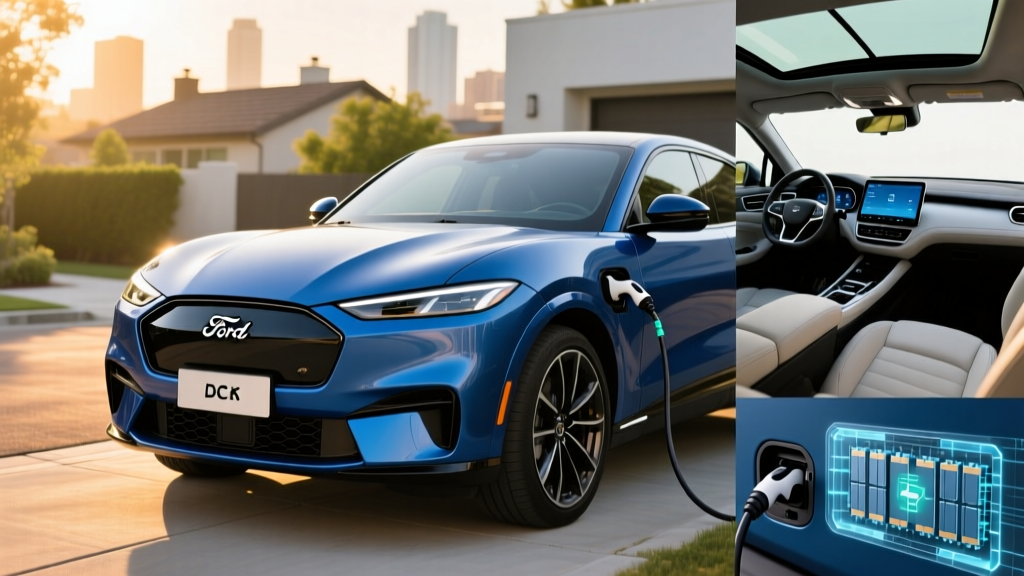
Look at competitors if: You want Apple CarPlay (Hyundai Ioniq 5, Ford Mustang Mach-E), a more traditional interior layout, or a lower price point without relying on tax credit eligibility. The Ioniq 5 also offers 800V architecture for faster peak charging (up to 350 kW on compatible chargers).
Pros and Cons: Tesla in 2026
Pros
- Supercharger network — still the most reliable DC fast-charging ecosystem in North America
- Class-leading efficiency — Model 3 achieves 132 MPGe combined, meaning lower per-mile electricity costs
- Over-the-air updates continuously add features without dealer visits
- LFP battery option (Model 3 RWD) allows daily 100% charging with minimal degradation concern
- Strong resale value relative to most EV competitors
- 8-year/100,000-mile battery and drive unit warranty (120,000 mi on Long Range models)
Cons
- No Apple CarPlay or Android Auto — all navigation and media through Tesla's proprietary system
- Minimalist interior not for everyone — no physical buttons for climate, mirrors, or glovebox
- Panel gaps and paint quality still inconsistent compared to legacy luxury automakers
- FSD (Supervised) costs $8,000 and remains a Level 2 system requiring constant driver attention
- Model S and Cybertruck priced above the federal tax credit MSRP cap
- Service center wait times can be lengthy in some metro areas
Frequently Asked Questions
What is the real-world range of Tesla's 2026 models?
Real-world range typically falls 10–15% below EPA estimates during sustained highway driving and 20–30% below in freezing temperatures. A Model 3 Long Range rated at 341 mi EPA will realistically deliver 290–305 mi on the highway in moderate weather and 240–270 mi in winter. City driving with regenerative braking can match or slightly exceed the EPA number.
How fast do Tesla vehicles charge at home and on the road?
At home on a Level 2 Wall Connector (11.5 kW), Teslas add 36–44 miles of range per hour, fully charging overnight. On Superchargers, peak rates reach 250 kW, adding up to 200 miles in 15 minutes under ideal conditions. Real-world 10–80% charging takes 25–30 minutes depending on the model and battery temperature.
Does the Tesla Model 3 qualify for the $7,500 federal tax credit?
Yes — both the Model 3 RWD ($38,990) and Model 3 Long Range ($47,740) fall under the $55,000 MSRP cap for sedans and have historically qualified for the full $7,500 credit, provided the buyer meets income requirements (≤$150K single / ≤$300K joint). Battery sourcing requirements under §30D can change, so verify current eligibility at IRS.gov before purchasing.
Is a Tesla worth buying versus competitors like the Hyundai Ioniq 5 or Ford Mustang Mach-E?
It depends on your priorities. Tesla wins on charging network reliability, software updates, and efficiency (MPGe). Competitors win on interior material quality, Apple CarPlay availability, and in some cases faster peak DC charging (Ioniq 5 at 350 kW on 800V chargers). Test-drive both and weigh which ecosystem fits your daily driving and road-trip habits.
Should I wait for the $25,000 Tesla compact vehicle?
Only if your budget is strictly under $30,000 and you can afford to wait — production timing has been fluid, and initial availability may be limited. If you need an EV now, the Model 3 RWD at ~$31,490 after the federal credit is close to that price point with a proven platform and full Supercharger access.
What is Tesla's battery warranty?
Tesla covers the battery and drive unit for 8 years or 100,000 miles (whichever comes first) on standard-range models, and 8 years or 120,000 miles on Long Range and Performance models. The warranty guarantees the battery will retain at least 70% of its original capacity during the warranty period. Real-world data from high-mileage Tesla owners suggests NMC packs typically retain 85–90% capacity at 100,000 miles under normal use patterns.