Quick Answer: Is the Ford Maverick Electric Available in 2026?
No — the Ford Maverick Electric has not yet entered production as of early 2026. Ford has confirmed an electric Maverick is in development, with industry reporting pointing to a likely 2027 model-year launch. The current Maverick lineup (2026 model year) offers a 2.5L hybrid powertrain and a 2.0L EcoBoost gas engine. Buyers searching for a "Ford Maverick electric" today should consider the Maverick Hybrid (EPA-estimated 42 MPG city) as the most efficient Maverick currently available, or look to other compact electric trucks and SUVs if a full battery-electric vehicle (BEV) is a priority.
This guide covers what's known about the upcoming electric Maverick, how the current Maverick Hybrid compares to a full EV, and a realistic ownership cost breakdown to help you decide whether to wait, go hybrid, or choose a different electric vehicle today.
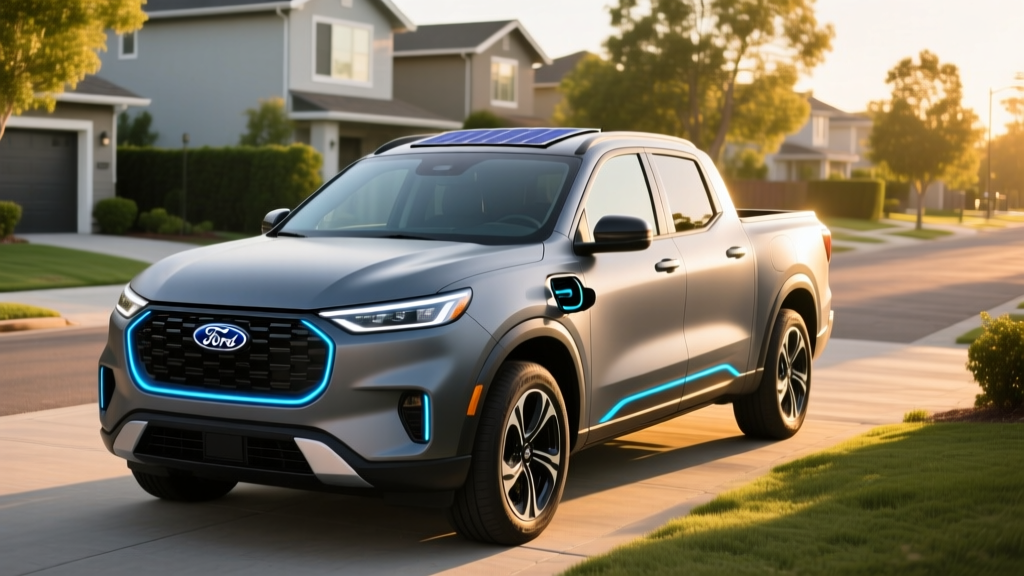
What We Know About the Ford Maverick Electric (Announced)
Ford CEO Jim Farley confirmed in a 2024 earnings call that a next-generation Maverick is in the pipeline, and multiple reports indicate an electric variant will join the lineup. However, Ford has not published official specifications — including battery capacity (kWh), EPA-estimated range, DC fast-charge rate (kW), or MSRP — for the electric Maverick.
Based on Ford's current EV architecture and the compact truck segment's requirements, here are reasonable preliminary estimates (not confirmed by Ford):
- Platform: Likely a derivative of Ford's flexible EV architecture (potentially related to the next-gen universal EV platform Ford announced for affordable models)
- Battery capacity: Estimated 70–85 kWh usable (NMC chemistry likely for energy density in a truck application)
- EPA range estimate: 250–300 miles (preliminary; real-world highway range typically 15–20% lower)
- DC fast charging: Likely 150–180 kW peak, with 10–80% in approximately 25–30 minutes
- Drivetrain: Available AWD (dual-motor) expected, given the Maverick's truck positioning
- Estimated starting MSRP: $35,000–$42,000 (before incentives)
- Projected availability: 2027 model year, likely arriving at dealers in late 2026 or early 2027
Important: These are analyst estimates based on segment trends and Ford's EV roadmap. Do not make purchasing decisions on preliminary figures. Ford will publish official specs closer to launch, and we will update this guide when they do.
Maverick Hybrid vs. Full EV: Which Makes Sense for You?
Since the electric Maverick isn't available yet, the practical question for 2026 buyers is whether the Maverick Hybrid meets your efficiency goals or whether you should look at a dedicated BEV from another brand. Here's how the current Maverick Hybrid stacks up against a representative compact electric SUV (since no direct electric compact truck competitor exists at the same price point) and the gas-only Maverick.
| Metric | Maverick Hybrid (FWD) | Maverick 2.0L EcoBoost (AWD) | Compact Electric SUV (e.g., Hyundai Ioniq 5 RWD) |
|---|---|---|---|
| Powertrain | 2.5L 4-cyl + electric motor | 2.0L turbo 4-cyl | Single-motor BEV |
| Horsepower | 191 hp (combined) | 250 hp | 168 hp |
| EPA Efficiency | 42 MPG city / 33 hwy / 37 combined | 23 MPG city / 30 hwy / 26 combined | 134 MPGe combined (25 kWh/100mi) |
| Range / Tank | ~500+ miles (16.5-gal tank) | ~429 miles | 303 miles (EPA, 77.4 kWh battery) |
| Annual Fuel/Energy Cost* | ~$1,350 (gas) | ~$1,920 (gas) | ~$540 (electricity, home charging) |
| Starting MSRP (2026) | ~$28,000 | ~$29,500 | ~$42,500 |
| Federal Tax Credit (§30D) | Not eligible (HEV) | Not eligible (ICE) | Up to $7,500 (eligibility varies) |
| Maintenance (5-yr est.) | ~$2,500 | ~$3,000 | ~$1,200 |
*Annual fuel/energy cost based on 15,000 miles/year, $3.40/gallon gas, and $0.16/kWh electricity (national average). Your costs vary by local fuel and electricity rates. Source: fueleconomy.gov.
Real Ownership Costs: EV, Hybrid, or Gas Maverick
Sticker price is only part of the equation. A genuine total-cost-of-ownership (TCO) analysis accounts for fueling, maintenance, insurance, depreciation, and available tax incentives. Below is a 5-year / 75,000-mile projection comparing the three powertrain paths available to a 2026 buyer.
| Cost Category | Maverick Hybrid (FWD) | Maverick EcoBoost (AWD) | Compact BEV SUV (~$42,500) |
|---|---|---|---|
| Purchase Price (MSRP) | $28,000 | $29,500 | $42,500 |
| Federal Tax Credit | $0 | $0 | Up to $7,500† |
| Effective Purchase Price | $28,000 | $29,500 | ~$35,000 |
| Home Charger Install (Level 2) | $0 | $0 | $800–$2,000 |
| 5-Year Fuel/Energy | $6,750 | $9,600 | $2,700 |
| 5-Year Maintenance | $2,500 | $3,000 | $1,200 |
| 5-Year Insurance (est.) | $6,500 | $6,800 | $8,200 |
| Estimated Depreciation (5-yr) | $11,200 | $12,400 | $17,000 |
| Total 5-Year Cost | ~$54,950 | ~$61,300 | ~$60,100–$62,100 |
† The §30D federal EV tax credit has MSRP caps (trucks: ≤$80,000), buyer income limits ($150K single / $300K joint), and battery critical-mineral sourcing requirements that change annually. As of 2026, many EVs qualify for a reduced credit or none at all depending on battery sourcing. Check current rules at IRS.gov or consult a tax professional. The credit can now be transferred to the dealer at point of sale as an upfront discount.
Key takeaway: The Maverick Hybrid's low purchase price and strong fuel economy make it remarkably cost-competitive over five years, even against a BEV that benefits from lower fueling and maintenance costs. The BEV's higher insurance premiums and steeper depreciation (a persistent issue in the EV segment) partially offset the energy savings. If your primary goal is minimizing total spend, the Maverick Hybrid is the value leader in this comparison.
Real-World Considerations Before You Decide
Numbers on a spreadsheet don't tell the whole story. These practical factors often determine whether an EV or hybrid actually works in your life.
Home Charging Access
EV ownership is dramatically cheaper and more convenient when you can charge at home. A Level 2 home charger (240V, typically 7–11 kW) adds roughly 25–40 miles of range per hour of charging, meaning overnight charging fully replenishes most EVs. Installation costs range from $800 to $2,000 depending on whether your electrical panel needs an upgrade (a 200-amp panel is ideal). If you live in an apartment, lack a garage, or your home has a 100-amp panel, Level 2 installation may cost $3,000+ or be impractical — in which case a hybrid is the far simpler choice.
Climate and Range Impact
Battery-electric vehicles lose 20–35% of their EPA-estimated range in sustained freezing temperatures (below 32°F). A BEV rated at 300 miles may deliver only 195–240 miles in cold winter conditions, especially with cabin heating. Hybrids are far less affected because the gas engine provides waste heat and the smaller battery is less range-critical. If you live in northern climates with harsh winters, this is a meaningful daily impact, not a theoretical concern.
Driving Patterns
If your typical day involves under 40 miles of driving with home charging available, a BEV handles daily needs effortlessly and you'll rarely visit a gas station. If you regularly drive 200+ miles in a day, tow, or take frequent road trips through areas with sparse DC fast-charging infrastructure, the Maverick Hybrid's 500-mile range and 5-minute refueling stops offer clear practical advantages. For the upcoming electric Maverick, expect towing to reduce range significantly — towing typically cuts EV range by 30–50% depending on trailer weight and aerodynamics.
Public Charging Reliability
While networks like Tesla Supercharger, Electrify America, and EVgo have expanded significantly, non-Tesla DC fast chargers still experience downtime and payment issues at a rate of roughly 10–20% depending on the network. Ford EVs will use the NACS connector and have access to Tesla Superchargers via adapter, which improves reliability considerably. But if your only charging option is public infrastructure, factor in occasional inconvenience.
Common Misconceptions About Electric Trucks
| Myth | Fact |
|---|---|
| "EV batteries need replacing every few years." | Modern EV batteries are warrantied for 8 years / 100,000 miles (federally mandated minimum). Real-world degradation data shows most NMC and LFP batteries retain 85–90% capacity at 100,000 miles. Full replacement is rare and typically covered under warranty during that period. |
| "Electric trucks can't tow." | Electric trucks can tow — the F-150 Lightning tows up to 10,000 lbs. But towing heavily reduces range (30–50% loss). A compact electric Maverick will likely have a lower tow rating (est. 2,000–4,000 lbs) and significantly reduced range while towing. For heavy towing, the gas or hybrid Maverick (1,500–2,000 lb rating) or a full-size truck is more practical. |
| "Everyone qualifies for the $7,500 tax credit." | The §30D credit has strict eligibility requirements: buyer income caps ($150K single, $300K joint for 2026), vehicle MSRP caps ($80K for trucks/vans/SUVs, $55K for sedans), and battery sourcing requirements that disqualify many vehicles. Many EVs in 2026 qualify for a partial credit or none at all. Always verify on fueleconomy.gov before purchasing. |
| "Charging an EV costs as much as gas." | At the national average electricity rate of ~$0.16/kWh, charging a 75 kWh battery from empty costs ~$12, providing ~250 miles of range. That's roughly $0.048/mile. Gas at $3.40/gallon in a 26 MPG truck is $0.131/mile — nearly 3x more. Public DC fast charging is more expensive ($0.30–$0.50/kWh) but still typically cheaper per mile than gas. |
| "Hybrids are just a compromise — go full EV or gas." | The Maverick Hybrid achieves 42 MPG city with zero lifestyle changes: no charging, no range anxiety, no cold-weather range loss, and a $28,000 starting price. For many buyers — especially those without home charging or in cold climates — a hybrid is not a compromise but the optimal solution. |
Decision Framework: What Should You Buy in 2026?
Choose the Maverick Hybrid if:
- You don't have reliable access to home Level 2 charging
- You live in a cold climate (sustained sub-32°F winters)
- You want the lowest total cost of ownership with zero charging hassle
- Your budget is under $35,000
- You regularly drive long distances or through charging-desert regions
- You want a truck bed today and don't want to wait for an unreleased model
Wait for the Ford Maverick Electric if:
- You have home Level 2 charging (or can install it)
- Your daily driving is under 80 miles with occasional longer trips
- You want zero tailpipe emissions and lower per-mile energy costs
- You're willing to wait until late 2026 or 2027 for availability
- You want access to Ford's NACS-enabled Supercharger network for road trips
Choose a different compact electric vehicle now if:
- You want a BEV immediately and don't strictly need a truck bed
- Vehicles like the Hyundai Ioniq 5, Tesla Model Y, or Chevrolet Equinox EV meet your cargo needs
- You want to lock in current §30D tax credit eligibility before sourcing rules tighten further
What First-Time EV Buyers Should Know
If you're seriously considering any EV — whether you wait for the electric Maverick or choose another model now — these fundamentals will save you money and frustration:
- kW vs. kWh: Kilowatts (kW) measure power — how fast you charge. Kilowatt-hours (kWh) measure energy — how much the battery holds. A 75 kWh battery charged at 150 kW charges faster than one charged at 50 kW, but both batteries might store the same energy. Think of kWh as your "tank size" and kW as your "pump speed."
- Charge curve taper: EVs don't charge at peak kW the entire session. A vehicle advertising "180 kW peak" may only sustain that rate from 10–40% state of charge, then taper to 80 kW, then 40 kW above 80%. This is why 10–80% charge times are a better real-world metric than peak kW alone.
- Preconditioning matters: Most EVs warm the battery before DC fast charging if you navigate to a charger using the built-in nav. Arriving at a fast charger with a cold battery without preconditioning can cut charge speeds in half.
- Level 2 home charging is essential: Relying solely on public charging is expensive (2–4x the cost of home charging) and inconvenient. Budget $800–$2,000 for a quality Level 2 charger installation when you buy an EV.
- Verify tax credit eligibility before signing: The §30D credit rules are complex and vehicle-specific. A car that qualified last year may not qualify this year due to battery sourcing changes. Confirm at IRS.gov and with your dealer before finalizing the purchase.
Frequently Asked Questions
Is the Ford Maverick Electric available to buy in 2026?
No. As of early 2026, Ford has not launched an electric Maverick. The company has confirmed it is in development, but no official specs, pricing, or release date have been published. The current Maverick is available as a hybrid (HEV) or gas (EcoBoost) model.
Will the electric Maverick qualify for the $7,500 federal tax credit?
It's too early to know. The §30D credit depends on battery sourcing (critical minerals and component manufacturing), vehicle MSRP (must be ≤$80,000 for trucks), and buyer income limits. Ford has been working to onshore battery supply chains, but eligibility is determined on a per-model, per-model-year basis. We'll update this guide when Ford publishes battery sourcing details.
How does the Maverick Hybrid's fuel cost compare to a full EV?
At 37 MPG combined and $3.40/gallon gas, the Maverick Hybrid costs about $0.092/mile in fuel. A comparable BEV charging at home at $0.16/kWh and consuming 25 kWh/100mi costs about $0.04/mile — roughly half. Over 15,000 miles/year, that's a savings of ~$780/year for the EV. However, the EV's higher purchase price, insurance, and home charger installation offset much of this savings in the first several years.
Should I wait for the electric Maverick or buy a hybrid now?
If you need a vehicle now and value low cost, simplicity, and zero charging infrastructure requirements, the Maverick Hybrid is an excellent choice with 42 MPG city and a sub-$30K starting price. If you have home charging, drive under 80 miles daily, and can wait 12–18 months, the electric Maverick may offer lower operating costs and zero tailpipe emissions. There's no wrong answer — it depends on your timeline and infrastructure.
What other electric trucks are available now?
As of 2026, the primary electric trucks on the market are the Ford F-150 Lightning (full-size, ~$55K+ starting), Rivian R1T (premium, ~$70K+), and Chevrolet Silverado EV (full-size, ~$55K+). None are in the Maverick's compact, affordable segment. The Hyundai Santa Cruz and Subaru Baja are compact trucks but not available as EVs. The electric Maverick, when it arrives, would be the first compact electric truck at an affordable price point.
Does the Maverick Hybrid need to be plugged in?
No. The Maverick Hybrid is a conventional hybrid (HEV), not a plug-in hybrid (PHEV). It charges its small battery through regenerative braking and the gas engine. You simply fill it with gas and drive — no charging cable, no plug, no electric-only range. It operates similarly to a Toyota Prius but in a truck body.