Quick Verdict: The Electric Truck That Still Sets the Bar
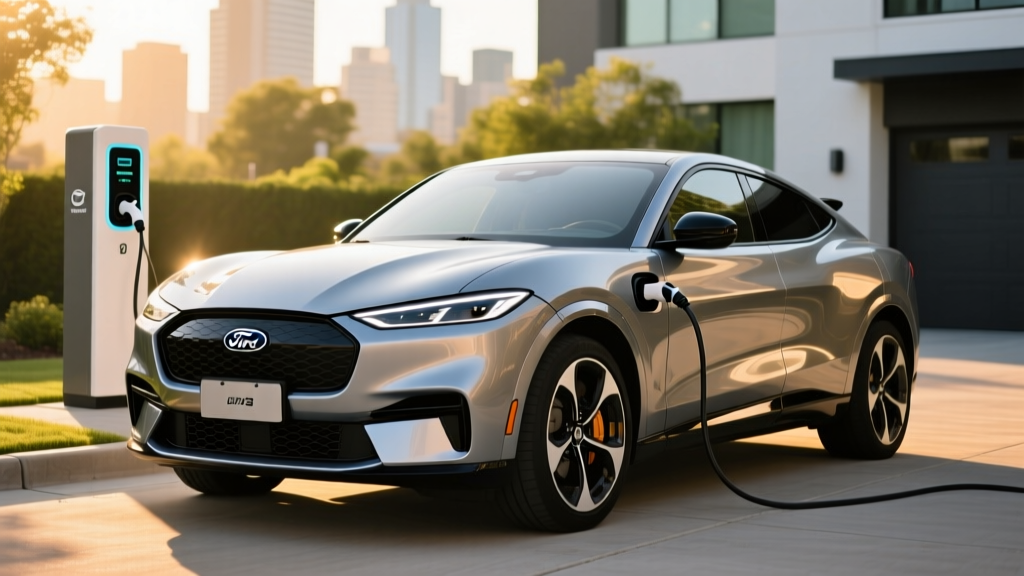
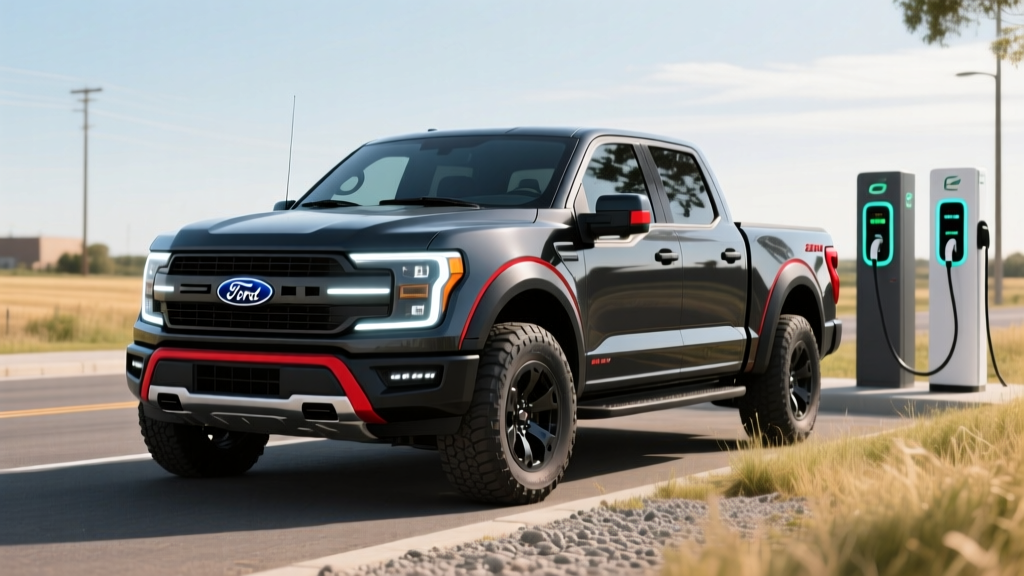
The Ford F-150 SVT Lightning remains one of the most practical and well-rounded electric trucks on the market in 2026. With up to 320 miles of EPA-estimated range (Extended Range), 580 horsepower, a usable frunk that redefines truck storage, and a starting price that undercuts several rivals, it earns its place in driveways across America. But real-world range drops noticeably under load, highway driving, and cold weather — and the DC fast-charging speed, while adequate, trails newer 800V architectures. This review breaks down every spec, cost, and ownership reality you need before signing the paperwork.
| Specification | Standard Range | Extended Range |
|---|---|---|
| EPA Range | 240 miles | 320 miles |
| Battery Capacity (usable) | 98 kWh | 131 kWh |
| Battery Chemistry | NMC (Nickel Manganese Cobalt) | NMC |
| Horsepower | 580 hp | 580 hp |
| Torque | 775 lb-ft | 775 lb-ft |
| 0–60 mph | ~4.0 seconds | ~3.8 seconds |
| Drivetrain | Dual-motor AWD | Dual-motor AWD |
| Max DC Fast Charge | 150 kW | 150 kW |
| 10–80% DC Time | ~36 minutes | ~41 minutes |
| Level 2 Home Charge Rate | 11.3 kW (30 mi/hr) | 11.3 kW (30 mi/hr) |
| Max Towing Capacity | 7,700 lbs | 10,000 lbs |
| Max Payload | 2,235 lbs | 1,952 lbs |
| EPA Efficiency | 68 MPGe (2.0 kWh/mi) | 70 MPGe (1.9 kWh/mi) |
| Battery Warranty | 8 yr / 100,000 mi | 8 yr / 100,000 mi |
Real-World Range: What the EPA Sticker Doesn't Tell You
EPA Estimate: 240 mi (Standard Range) / 320 mi (Extended Range)
Real-World Expectation: ~200–220 mi highway (Standard) / ~260–290 mi highway (Extended). Cold weather (below 32°F) can reduce range by 20–30%, bringing the Extended Range down to ~220–250 mi in winter conditions.
The F-150 Lightning's boxy aerodynamics and 6,000+ lb curb weight work against highway efficiency. On a 70-mph interstate run at moderate temperatures, expect roughly 1.9–2.2 kWh per mile in the Extended Range model — translating to around 260–290 miles before you need to plug in. That's a meaningful 10–18% drop from the EPA sticker.
Towing is where range contracts most dramatically. Ford's own testing and independent reviews confirm that pulling a 5,000–7,000 lb trailer can cut range roughly in half. Plan for 130–160 miles of range when towing near the maximum rating on the Extended Range battery. If your use case involves frequent long-distance towing, the Lightning demands careful route planning around DC fast chargers — or a willingness to accept more stops than a diesel equivalent.
The Lightning does include a heat pump on higher trims (Lariat and above for 2026), which mitigates cold-weather range loss somewhat compared to resistive heating systems. Preconditioning the battery while plugged in — a feature accessible through the FordPass app — is essential for preserving range and enabling peak DC charging speeds in cold weather.
Charging Speed and Infrastructure: Adequate, Not Class-Leading
| Charging Level | Power | Speed (miles of range per hour) | Notes |
|---|---|---|---|
| Level 1 (120V) | ~1.4 kW | ~2–3 mi/hr | Emergency/trickle only |
| Level 2 (240V, 48A) | 11.3 kW | ~30 mi/hr | Full charge in ~9–12 hours |
| DC Fast Charge | 150 kW peak | ~150–190 mi in 20 min | 10–80% in ~36–41 min |
The Lightning's 150 kW peak DC fast-charging rate is its most debated spec. On a 400V architecture, Ford has maximized what's practical without moving to an 800V system like the Hyundai Ioniq 5 or Porsche Macan EV. In real-world testing on Electrify America or Tesla Supercharger stations (with NACS adapter, now included on 2026 models), the Lightning typically peaks around 140–150 kW from roughly 15–50% state of charge, then tapers progressively. The Extended Range battery's larger capacity means the 10–80% session takes about 41 minutes — functional for road trips, but noticeably slower than the ~18-minute benchmarks set by 800V competitors.
Home Level 2 charging is where the Lightning shines for daily ownership. The onboard 11.3 kW charger adds roughly 30 miles of range per hour, meaning a full overnight session from 20% to 100% takes about 10–11 hours on the Extended Range pack. Ford's Mobile Power Cord comes bundled and can handle both 120V and 240V outlets, though most buyers will want a hardwired Level 2 wall unit for reliability and speed. Expect home charger installation costs between $800 and $2,500 depending on your electrical panel capacity — a 200-amp panel is typically sufficient, but older homes may require a panel upgrade ($1,500–$3,000 additional).
The Lightning's NACS port on 2026 models unlocks the full Tesla Supercharger network — over 20,000 stations in North America — dramatically improving road-trip charging access compared to the CCS-only earlier models.
Performance and Driving Dynamics
With 580 horsepower and 775 lb-ft of torque standard across all trims, the F-150 SVT Lightning delivers sports-car acceleration in a full-size truck. The dual-motor all-wheel-drive system provides instant torque delivery, launching the Extended Range model to 60 mph in approximately 3.8 seconds. That's quicker than a Ford Mustang GT and makes highway merging, passing, and stoplight launches genuinely thrilling.
The independent rear suspension — a first for the F-150 line — noticeably improves ride quality and handling compared to the solid rear axle on the gas F-150. Body roll is well-controlled for a 6,500-lb vehicle, and the low center of gravity (battery pack mounted under the floor) gives the Lightning a planted feel that defies its size.
Regenerative braking offers one-pedal driving capability, with adjustable levels through the touchscreen. The most aggressive setting brings the truck to a near-complete stop without touching the brake pedal — ideal for stop-and-go traffic and a meaningful efficiency booster in city driving.
Driver assistance comes via Ford's Co-Pilot360 2.0 suite, which includes adaptive cruise control with stop-and-go, lane centering, evasive steering assist, and intersection assist. BlueCruise (hands-free highway driving on pre-mapped divided highways) is available on Lariat and above, or as a subscription. It operates at SAE Level 2 — meaning you must remain attentive with eyes on the road at all times. It's competent for reducing fatigue on long highway stretches, but this is not autonomous driving.
Pricing, Trims, and Federal Tax Credit Eligibility
| Trim (2026) | Base MSRP | Battery | Est. Federal Credit (§30D) | Effective Price |
|---|---|---|---|---|
| Pro | $52,995 | Standard Range (98 kWh) | Up to $7,500* | ~$45,495 |
| XLT | $59,995 | Standard / Extended | Up to $7,500* | ~$52,495 |
| Lariat | $69,995 | Extended Range (131 kWh) | Up to $7,500* | ~$62,495 |
| Platinum | $89,995 | Extended Range (131 kWh) | Up to $7,500* | ~$82,495 |
*Federal tax credit eligibility under IRS §30D is subject to multiple requirements. The F-150 Lightning qualifies as a light truck, so the MSRP cap is $80,000 — meaning Pro, XLT, and Lariat trims are potentially eligible, while the Platinum trim exceeds the cap. Buyer income limits apply: $300,000 joint / $225,000 head of household / $150,000 individual (modified AGI). Battery component and critical mineral sourcing requirements must also be met. As of 2026, the Lightning is assembled in Dearborn, Michigan with qualifying domestic battery sourcing. The credit can be transferred to the dealer at point of sale for an instant price reduction. Always verify current eligibility at IRS.gov and consult a tax professional.
Destination charges, dealer markups (or discounts), and optional packages will shift your final out-the-door price. The Pro trim with Standard Range remains one of the most affordable full-size electric trucks available, making the Lightning accessible to commercial fleets and budget-conscious buyers. The Lariat Extended Range hits the sweet spot for most retail buyers seeking maximum range and premium features without crossing the $80K MSRP cap.
Cargo, Storage, and the Mega Power Frunk
The Lightning's defining feature isn't horsepower — it's storage. The front trunk (frunk) provides 14.1 cubic feet of lockable, weatherproof space with a 400-lb payload capacity, drain plug, and four electrical outlets (two 120V, two USB). It's large enough for two carry-on suitcases and a backpack, and it transforms the truck into a secure gear hauler without sacrificing the bed.
The 5.5-foot bed offers 52.8 cubic feet of cargo volume with the tailgate up, consistent with the gas F-150 SuperCrew short-bed configuration. Maximum payload ranges from 1,952 lbs (Extended Range) to 2,235 lbs (Standard Range) — the heavier battery pack slightly reduces payload on the larger-battery models.
Interior passenger space mirrors the gas F-150 SuperCrew: 43.9 inches of front legroom and 43.6 inches of rear legroom, with seating for five adults comfortably. The rear seat folds flat for additional in-cabin cargo flexibility.
Pro Power Onboard — available in 2.4 kW or 9.6 kW configurations — turns the Lightning into a mobile generator. The 9.6 kW version can power tools at a job site, run appliances during a home outage, or fuel a tailgate with multiple simultaneous 120V and 240V outlets in the bed and frunk.
Ownership Costs: 5-Year Outlook
Electric trucks trade higher upfront costs for lower running expenses. The F-150 Lightning's estimated electricity cost is approximately $0.06–$0.08 per mile at national average residential rates (~$0.16/kWh), compared to $0.18–$0.22 per mile for a gas F-150 at $3.50/gallon and 18 MPG combined. Over 15,000 miles per year, that's roughly $1,500–$2,100 in annual fuel savings.
Maintenance costs are significantly lower — no oil changes, no transmission fluid, fewer brake replacements thanks to regenerative braking. Ford's battery warranty covers 8 years or 100,000 miles against capacity loss below 70% of original capacity. Based on current NMC degradation data from similar packs, owners can expect roughly 85–92% state of health after 100,000 miles under normal use patterns (avoiding repeated 100% charges and DC fast-charging exclusively).
Insurance premiums for the Lightning tend to run 15–25% higher than the gas F-150 due to repair costs and battery replacement expense. A full battery replacement outside warranty currently ranges from $20,000–$30,000, though pack prices continue to decline. Get insurance quotes before purchasing to avoid surprises.
Depreciation has been volatile for the Lightning. Early models experienced steep drops in 2023–2024 as Ford cut new-vehicle prices, but the segment has stabilized. Expect 45–55% value retention at 5 years / 60,000 miles — competitive with gas trucks but below Toyota's class-leading retention.
How the Lightning Stacks Up Against Rivals
The electric truck segment in 2026 includes strong competitors, each with distinct trade-offs:
Chevrolet Silverado EV: Offers up to 440 miles of EPA range (4WT trim) and 200+ kW DC charging on its Ultium platform, but starts higher and lacks the Lightning's frunk versatility. Better for max-range buyers who prioritize road-trip efficiency.
Rivian R1T: More premium, more off-road capable, and slightly quicker, but starts around $75,000 and has a smaller bed. Better for adventure-oriented buyers willing to pay a premium.
Tesla Cybertruck: Faster charging via 4680 cells and a stainless-steel body that polarizes. Range falls short of early promises, and the yoke steering and build-quality inconsistencies remain concerns. Better for buyers who prioritize novelty and Tesla's Supercharger ecosystem.
The Lightning's advantage is breadth: it's the most normal, most truck-like electric truck. It drives like an F-150, works like an F-150, and fits into an F-150 buyer's life with minimal adaptation — which is exactly why it leads the segment in cumulative sales.
Pros
- Best-in-class frunk (14.1 cu ft, 400 lbs, powered)
- 580 hp / 3.8-sec 0–60 across all trims
- Pro Power Onboard turns truck into mobile generator
- Comfortable independent rear suspension ride
- Pro trim starts under $53K before incentives
- NACS port unlocks Tesla Supercharger network (2026)
- Strong BlueCruise highway assist (SAE Level 2)
Cons
- 150 kW DC charging trails 800V competitors
- Real-world range drops 30–50% when towing
- Heavy battery limits payload vs gas F-150
- Platinum trim exceeds $80K tax credit MSRP cap
- Insurance premiums 15–25% higher than gas equivalent
- No 350+ mile range option (Extended Range maxes at 320 EPA)
Who Should Buy the F-150 SVT Lightning?
The Lightning is ideal for truck buyers who commute daily, need secure lockable storage, want jobsite power capability, and have reliable home charging access. The Pro or XLT trim with Standard Range is a compelling fleet and work truck. The Lariat Extended Range is the best all-rounder for families and weekend adventurers.
It's less suited for buyers who regularly tow heavy trailers over long distances (the range hit is severe), those in extreme cold climates without garage parking (winter range loss is significant), or road-trip enthusiasts who prioritize the fastest possible DC charging. If your daily driving exceeds 250 miles or you lack home charging, a diesel F-150 or a longer-range EV like the Silverado EV 4WT may serve you better.
Frequently Asked Questions
What is the real-world range of the Ford F-150 Lightning?
The Extended Range model achieves approximately 260–290 miles on the highway in moderate temperatures, down from its 320-mile EPA estimate. The Standard Range delivers about 200–220 highway miles versus its 240-mile EPA sticker. Cold weather reduces these figures by an additional 20–30%.
How fast does the F-150 Lightning charge?
On a DC fast charger, it peaks at 150 kW and charges from 10–80% in approximately 36 minutes (Standard Range) or 41 minutes (Extended Range). At home on a Level 2 charger (240V, 48A), it adds about 30 miles of range per hour.
Does the F-150 Lightning qualify for the federal EV tax credit?
Yes, Pro, XLT, and Lariat trims potentially qualify for up to $7,500 under IRS §30D, as they fall under the $80,000 MSRP cap for light trucks. Buyer income limits ($150K–$300K depending on filing status) and battery sourcing requirements apply. The Platinum trim exceeds the MSRP cap and does not qualify. Verify at IRS.gov.
How much can the F-150 Lightning tow?
Up to 7,700 lbs with the Standard Range battery and 10,000 lbs with the Extended Range battery (requires the Max Trailer Tow Package). However, towing near maximum capacity reduces real-world range by approximately 40–50%.
Is the F-150 Lightning worth buying over gas F-150?
If you have home charging, drive under 200 miles daily, and value instant torque, quiet operation, the frunk, and Pro Power Onboard, the Lightning delivers meaningful daily advantages and lower per-mile fuel costs. If you tow long distances frequently, lack reliable charging access, or prioritize lowest upfront cost, the gas or PowerBoost hybrid F-150 may be the better choice.
What is the battery warranty?
Ford covers the high-voltage battery for 8 years or 100,000 miles against defects and capacity loss below 70% of original capacity. The powertrain is also warranted for 8 years / 100,000 miles.