Quick Verdict: The Working Truck That Went Electric
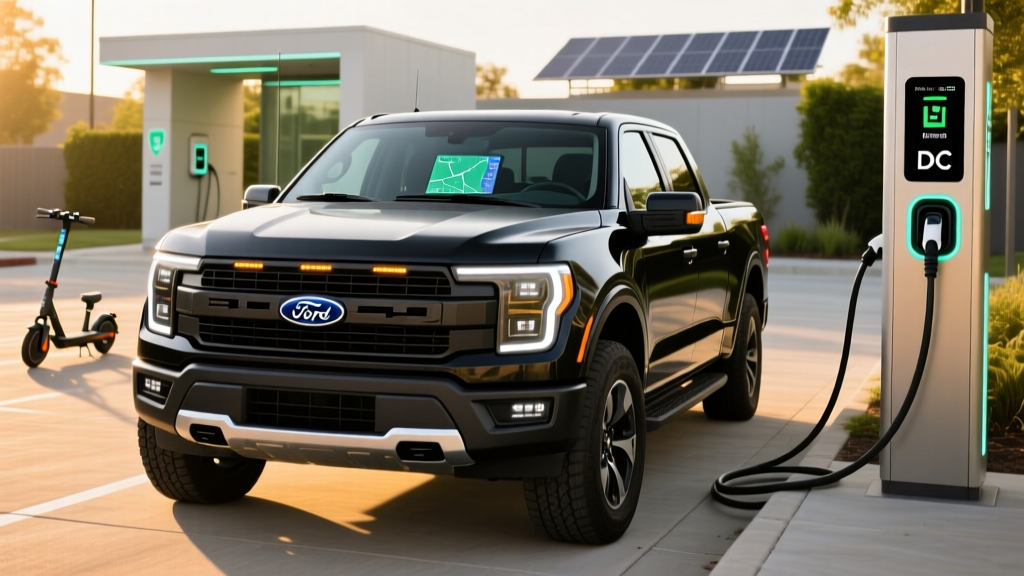
The 2022 Ford F-150 Lightning Pro arrived as the no-frills, fleet-oriented entry point into Ford's electric full-size pickup lineup. Built on a dedicated EV platform with a body-in-white adapted from the fourteenth-generation F-150, the Pro trim targets commercial buyers and cost-conscious retail shoppers who need a truck first and a technology showcase second. With dual-motor all-wheel drive standard, a usable battery capacity of approximately 98 kWh, and a starting MSRP that undercut most competitors at launch, the Lightning Pro made a compelling case as a daily-driver work truck. From a 2026 vantage point — with several model years of real-world ownership data behind it — the Pro remains a strong used-EV candidate, though buyers should understand its range limitations, charging behavior, and current tax-credit landscape before signing.
Range and Efficiency: EPA Numbers Meet Reality
The 2022 F-150 Lightning Pro comes equipped with the Standard Range battery pack, a nickel-manganese-cobalt (NMC) lithium-ion unit with approximately 98 kWh of usable capacity. Ford also offered an Extended Range pack (roughly 131 kWh usable) on higher trims, but the Pro was primarily configured with the Standard Range option.
Real-World Expectation: Plan for 190–210 miles on mixed highway driving at 70 mph. In cold weather (below 32°F), expect a 20–30% reduction, bringing effective range to approximately 160–185 miles. City driving with regenerative braking can push closer to or slightly above the EPA figure.
The EPA rates the Lightning Pro Standard Range at 78 MPGe combined, which translates to roughly 47 kWh per 100 miles. That efficiency figure is typical for a full-size electric pickup — the Lightning's 6,500+ lb curb weight and brick-like aerodynamics demand significant energy, especially at highway speeds. For comparison, the Rivian R1T Dual-Motor achieves a similar efficiency profile, while the smaller Chevrolet Silverado EV with its larger battery pushes range higher at the cost of added weight.
One nuance worth noting: Ford's thermal management system actively conditions the battery, which helps preserve range in moderate climates but cannot fully overcome the physics of a large, heavy vehicle pushing through cold, dense air. Owners in northern states should budget for 160–170 miles of practical winter range and plan charging stops accordingly on longer trips.
Charging Speed: DC Fast, Level 2, and Level 1
Charging is where truck buyers new to EVs need the most clarity. Here is the Lightning Pro's complete charging profile:
| Charging Level | Power / Voltage | Speed | Notes |
|---|---|---|---|
| Level 1 (120V household) | ~1.4 kW | ~3 miles per hour | Emergency/trickle only; 0–100% in ~70 hours |
| Level 2 (240V home, 32A) | 7.7 kW | ~23 miles per hour | Standard mobile charger included; 0–100% in ~13 hours |
| Level 2 (240V, 48A wall unit) | 11.5 kW | ~34 miles per hour | Requires Ford Charge Station Pro or equivalent hardwired unit; 0–100% in ~8.5 hours |
| DC Fast Charge (CCS) | Peak 150 kW | 10–80% in ~44 minutes | Charge curve tapers significantly above 80%; sustained rate averages ~90 kW over the 10–80% window |
The 150 kW peak DC fast-charge rate was competitive at the 2022 launch but trails newer platforms. The Hyundai Ioniq 5, for example, peaks at 240 kW on 800V architecture. The Lightning uses a 400V system, which limits peak charge rate but keeps costs down. On a typical Electrify America or EVgo 150 kW+ station, expect the Lightning Pro to pull its peak rate only between roughly 15% and 40% state of charge, then taper progressively. A 10–80% session takes approximately 44 minutes — adequate for a lunch stop, but not class-leading.
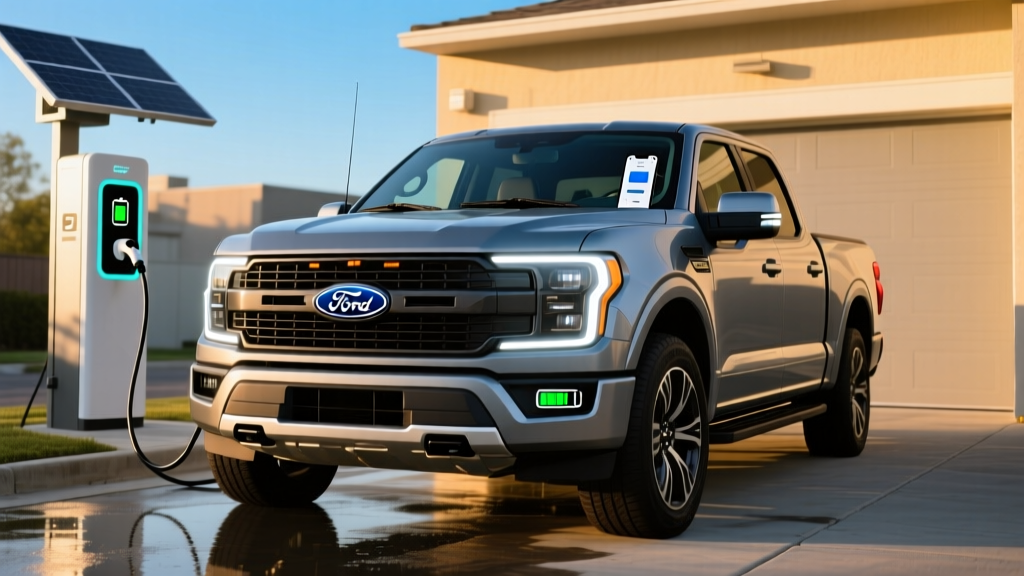
For home charging, the included 32-amp mobile charger delivers 7.7 kW on a 240V NEMA 14-50 outlet. Most owners will want to invest in a 48-amp hardwired Level 2 station (such as the Ford Charge Station Pro or a third-party unit like the ChargePoint Home Flex) to achieve the 11.5 kW onboard charger rate, which refills the Standard Range pack overnight in roughly 8–9 hours. Installation costs for a 48-amp circuit typically run $500–$2,000 depending on panel proximity and local permitting, with a 200-amp panel upgrade adding $1,500–$3,000 if your home requires it.
Performance and Drivetrain
Every 2022 F-150 Lightning Pro comes with dual-motor all-wheel drive — there is no rear-wheel-drive option. The Standard Range powertrain produces 452 horsepower and 775 lb-ft of torque, delivered instantaneously from the electric motors.
| Specification | 2022 F-150 Lightning Pro (Standard Range) |
|---|---|
| Drivetrain | Dual-motor AWD |
| Horsepower | 452 hp |
| Torque | 775 lb-ft |
| 0–60 mph | ~5.0 seconds |
| Battery (usable) | ~98 kWh, NMC chemistry |
| EPA Range | 230 miles |
| MPGe (combined) | 78 MPGe |
| Max Payload | 2,235 lbs |
| Max Towing | 7,700 lbs (10,000 lbs with Max Trailer Tow Package) |
| Base MSRP (2022) | $39,974 |
The 5.0-second 0–60 time is remarkable for a truck this size and makes highway merging effortless. The low center of gravity — the battery pack sits in a structural frame rail between the axles — gives the Lightning better body control than a comparable gas F-150 through corners, though the steering remains numb and the ride firm when the bed is empty. The independent rear suspension (a first for the F-150) improves on-road manners but slightly reduces ground clearance versus the solid rear axle on gas models.
Towing deserves specific attention: while the Pro can tow up to 10,000 lbs when properly equipped, towing at max capacity cuts range roughly in half. Expect 100–120 miles of range when pulling a heavy trailer at highway speeds. Ford's Pro Power Onboard system (2.4 kW standard on the Pro, upgradeable to 9.6 kW on higher trims) turns the Lightning into a mobile generator with 120V and 240V outlets in the bed — genuinely useful on job sites or for camping.
Cargo, Interior Space, and the Mega Power Frunk
The Lightning Pro is a SuperCrew configuration only, meaning four full-size doors and a five-passenger cabin. Rear legroom measures 43.6 inches — competitive with the best in the full-size segment — and the rear seat folds flat for expanded interior cargo.
The headline feature is the Mega Power Frunk (front trunk), which replaces the engine bay with 14.1 cubic feet of lockable, weather-sealed storage. It includes four electrical outlets (two 120V, two USB), a drain plug for use as a cooler, and enough space for two carry-on bags plus a full set of tools. This is one of the largest frunks in any production vehicle and a genuine differentiator for the Lightning platform.
The bed measures 5.5 feet (the SuperCrew/short-bed configuration), offering 52.8 cubic feet of cargo volume. Payload capacity of 2,235 lbs is respectable for an EV truck, though it falls short of some gas F-150 configurations rated above 3,000 lbs. The Pro trim uses a vinyl-trimmed interior with an 8-inch touchscreen running SYNC 4, wireless Apple CarPlay and Android Auto, and a 4G LTE Wi-Fi hotspot. It's utilitarian by design — no panoramic roof, no 15-inch portrait screen, no leather. For fleet buyers and tradespeople, that restraint keeps costs down and surfaces durable.
Pricing, Tax Credits, and Total Cost of Ownership
The 2022 F-150 Lightning Pro launched at a base MSRP of $39,974 (including destination). Ford raised prices multiple times during the 2022–2023 production run, and by late 2022, the Pro's sticker had climbed above $55,000 for equivalent builds. On the used market in 2026, expect to find 2022 Pro models between $30,000 and $42,000 depending on mileage, condition, and battery health.
| Cost Factor | Amount |
|---|---|
| Original Base MSRP (2022) | $39,974 |
| Avg. Used Price (2026 market) | $30,000–$42,000 |
| Federal Used EV Tax Credit (§25E) | Up to $4,000 (30% of sale price, capped) — income caps apply |
| Federal New EV Credit (§30D) | Up to $7,500 if purchased new and eligible — MSRP, income, and battery-sourcing rules apply |
| Estimated Home L2 Installation | $500–$2,000 (plus $1,500–$3,000 if panel upgrade needed) |
| Estimated Annual Electricity Cost (12,000 mi/yr) | $550–$750 (at $0.14/kWh national avg) |
Federal tax credit eligibility requires careful attention. For new-vehicle purchases, the IRS §30D credit offers up to $7,500, but eligibility depends on buyer income caps ($150,000 single / $300,000 joint modified AGI), vehicle MSRP caps ($80,000 for trucks and SUVs), and stringent battery-critical-mineral and component sourcing requirements that have narrowed qualifying vehicles significantly since 2023. The Lightning was eligible for the full credit at launch, but current-year sourcing rules must be verified on the IRS qualified vehicles list at time of purchase.
For used buyers in 2026, the §25E used clean vehicle credit provides 30% of the sale price up to $4,000, with lower income caps ($75,000 single / $150,000 joint). The vehicle must be at least two model years old (2022 models qualify), sold by a licensed dealer, and priced at or below $25,000 for the maximum credit — a threshold that many used Lightning Pros exceed, making this credit harder to capture on this specific model. Consult a tax professional to confirm your eligibility.
On the operating-cost side, the Lightning Pro costs roughly $0.05–$0.06 per mile to fuel on home electricity (at the national average of ~$0.14/kWh), compared to approximately $0.15–$0.18 per mile for a gas F-150 4WD averaging 19 MPG at $3.40/gallon. Over five years and 60,000 miles, that translates to roughly $6,000–$7,000 in fuel savings. Maintenance savings are additional — no oil changes, no transmission fluid, and significantly reduced brake wear thanks to regenerative braking.
Warranty, Battery Longevity, and Reliability
Ford backs the 2022 Lightning Pro with a comprehensive warranty package:
- Bumper-to-bumper: 3 years / 36,000 miles
- Powertrain: 5 years / 60,000 miles
- Battery pack: 8 years / 100,000 miles (covers capacity loss below 70% of original)
- Corrosation perforation: 5 years / unlimited miles
The 70% capacity retention threshold is the industry-standard trigger for a warranty claim. Based on early fleet data and owner reports through 2025, Standard Range Lightning packs are showing approximately 3–5% degradation at 50,000 miles — well within normal expectations for NMC chemistry with active thermal management. The liquid-cooled battery system preconditions during DC fast charging and in extreme temperatures, which helps mitigate the accelerated degradation that passive-cooled packs can suffer.
Full battery replacement cost, should it ever be needed out of warranty, is estimated at $15,000–$22,000 for the Standard Range pack based on current Ford parts pricing. However, module-level repair (replacing individual degraded cells or modules rather than the entire pack) is increasingly available through specialized EV service centers at a fraction of that cost.
Driver Assistance and Technology
The Pro trim includes Ford Co-Pilot360 2.0 as standard, which bundles:
- Pre-Collision Assist with Automatic Emergency Braking
- Blind Spot Information System (BLIS) with trailer coverage
- Lane-Keeping System
- Rear View Camera with dynamic hitch assist
- Auto High-Beam Headlamps
Notably absent on the Pro trim is Ford's BlueCruise hands-free driving system, which requires the available Co-Pilot360 Active 2.0 Prep package (not standard on the Pro). BlueCruise is an SAE Level 2 driver-assistance system — it manages steering, acceleration, and braking on pre-qualified divided highways, but the driver must remain attentive and ready to take over at all times. It is not autonomous driving. Pro buyers who want hands-free highway capability will need to look at XLT or Lariat trims or add the technology package.
The 8-inch SYNC 4 touchscreen is responsive and supports over-the-air updates, which Ford has used to add features and improve charging algorithms post-delivery. The onboard navigation includes a route planner that accounts for charging stops, battery preconditioning, and elevation changes — a critical feature for road-trip planning in an EV with 230 miles of range.
Pros and Cons
Pros
- Dual-motor AWD standard with 775 lb-ft of instant torque
- Massive 14.1 cu-ft Mega Power Frunk with integrated power outlets
- Pro Power Onboard (2.4 kW) turns the truck into a job-site generator
- Independent rear suspension delivers better on-road ride than gas F-150
- Strong 8-year/100,000-mile battery warranty
- Over-the-air updates have improved functionality post-launch
- Full SuperCrew cabin with 43.6 inches of rear legroom
Cons
- 230-mile EPA range is limiting for road trips and heavy towing
- 150 kW peak DC charge rate is slow by 2026 standards
- Pro trim lacks BlueCruise hands-free driving
- Towing at max capacity cuts range to ~100–120 miles
- Basic 8-inch screen and vinyl interior feel budget-tier at the price
- 5.5-foot bed limits cargo length vs. some competitors
- Used prices often exceed the $25,000 cap for the §25E used EV credit
Who Should Buy the 2022 F-150 Lightning Pro?
Buy it if: You need a daily-driver work truck with a short commute (under 80 miles round trip), you have access to home Level 2 charging, you value the frunk and Pro Power Onboard for job-site or outdoor use, and you want AWD capability without paying a premium for higher trims.
Look elsewhere if: You regularly tow heavy trailers over long distances, you take frequent road trips beyond 200 miles, you want hands-free highway driving (BlueCruise), or you need the Extended Range battery (not available on the Pro). Consider the Lightning XLT or Lariat with the Extended Range pack, or evaluate the Rivian R1T and Chevrolet Silverado EV for different trade-off profiles.
Frequently Asked Questions
What is the real-world range of the 2022 F-150 Lightning Pro?
The EPA rates it at 230 miles. In real-world mixed driving, expect 190–210 miles. Highway-only driving at 75+ mph drops this to approximately 180–195 miles. In cold weather below freezing, plan for 160–185 miles depending on cabin heating use and driving style.
How fast does the Lightning Pro charge at home and on the road?
On a 48-amp Level 2 home charger, the Pro refills at 11.5 kW, adding roughly 34 miles of range per hour and fully recharging overnight in about 8.5 hours. On DC fast charging, it peaks at 150 kW and reaches 10–80% in approximately 44 minutes, though the charge curve tapers above 80%.
Does the 2022 F-150 Lightning Pro qualify for the federal EV tax credit?
If purchased new, the Lightning Pro was eligible for up to $7,500 under §30D at launch, subject to buyer income caps ($150K single / $300K joint), the $80,000 truck MSRP cap, and battery-sourcing requirements that must be verified on the current IRS qualified vehicles list. For used purchases in 2026, the §25E credit offers up to $4,000, but the vehicle must sell for $25,000 or less — a threshold many used Lightning Pros exceed.
Is the Lightning Pro worth buying versus the Rivian R1T or Chevy Silverado EV?
The Pro wins on price, frunk utility, and Pro Power Onboard. The Rivian R1T offers more range (up to 352 miles on the Max Pack), faster charging, and a more refined interior, but at a significantly higher price point. The Chevy Silverado EV 4WT targets fleet buyers similarly but with a larger battery and longer range. Your choice depends on budget, range needs, and whether you value Ford's dealer/service network.
How much does it cost to charge the Lightning Pro at home vs. fueling a gas F-150?
At the national average electricity rate of $0.14/kWh, a full charge of the 98 kWh Standard Range pack costs approximately $13.70. That same distance in a gas F-150 4WD (19 MPG combined) at $3.40/gallon costs roughly $41. Over 12,000 miles per year, home charging saves approximately $1,200–$1,500 annually versus gasoline.
What is the biggest drawback of the Lightning Pro?
Range. At 230 miles EPA — and realistically 190–210 in mixed use — the Standard Range Pro requires more charging-stop discipline than most EVs, especially on road trips or when towing. If range is your top priority, the Extended Range pack (320 miles EPA on higher trims) or a competitor with a larger battery is a better fit.