The Bottom Line on Fleet Vehicles Electric in 2026
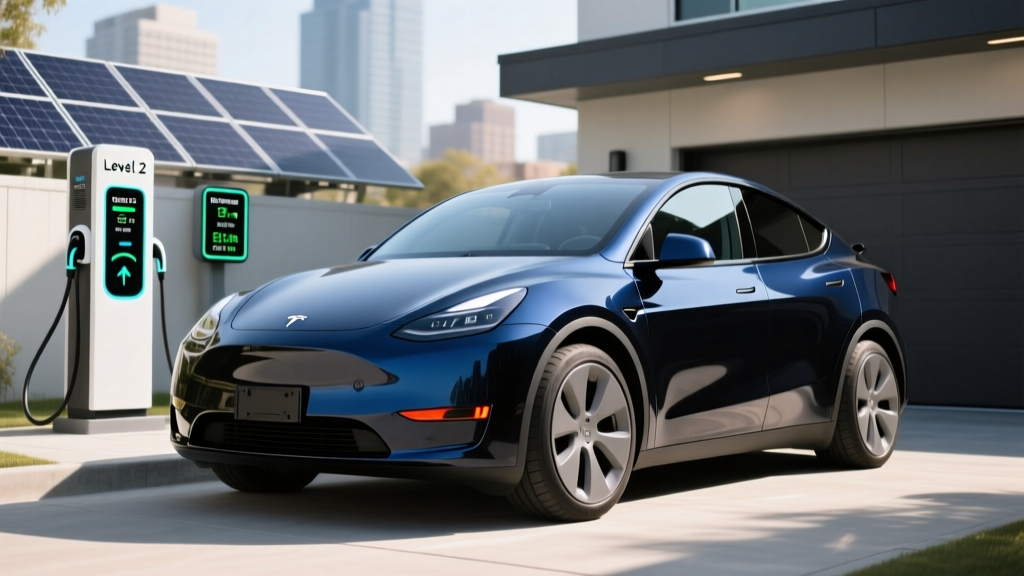
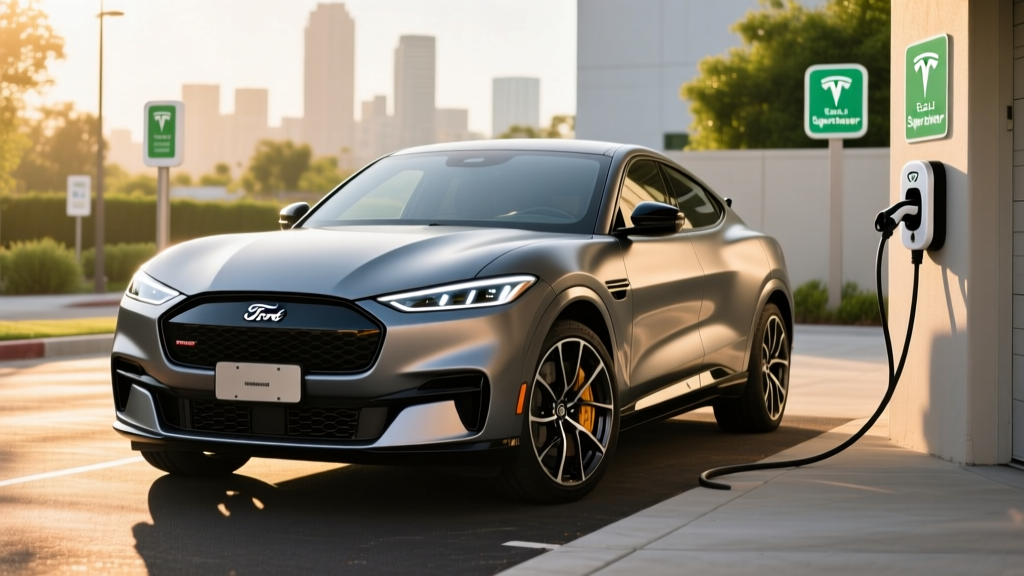
Switching a commercial fleet to electric vehicles makes financial sense when vehicles return to a depot nightly, average under 200 miles per day, and the business can install Level 2 charging infrastructure. A typical light-duty electric fleet vehicle (e.g., Ford E-Transit, Chevrolet Silverado EV, or Tesla Model Y for executive fleets) costs 20–40% more upfront than its gas equivalent but saves $4,000–$8,000 per vehicle annually in fuel and maintenance. Federal §30D tax credits up to $7,500 per vehicle — plus commercial clean vehicle credits under §45W — can offset the purchase premium. Payback typically occurs within 3–5 years depending on mileage, local electricity rates, and charging infrastructure costs. Fleets operating in charging deserts, running routes over 300 miles daily, or requiring heavy towing in extreme cold should delay or consider plug-in hybrids instead.
Why Fleets Are Going Electric — and Why Some Shouldn't
The case for electrifying fleet vehicles electric comes down to predictable routes, centralized parking, and total cost of ownership (TCO). Unlike individual consumers, fleet managers can precisely calculate daily mileage, control charging schedules, and amortize infrastructure costs across dozens of vehicles. The U.S. Department of Energy reports that fleet EVs typically achieve energy costs of $0.04–$0.08 per mile versus $0.12–$0.18 per mile for gasoline equivalents at current fuel prices.
But electric fleets aren't universally viable. Businesses with dispersed parking (no depot), routes exceeding 250 real-world miles in winter conditions, or operations in areas with unreliable public DC fast-charging networks face genuine operational risks. A delivery van that runs out of charge mid-route doesn't just inconvenience a driver — it breaks service commitments and costs revenue.
Here's what the data actually shows about fleet electrification in 2026:
| Metric | Electric Fleet Vehicle (e.g., Ford E-Transit) | Gas Fleet Vehicle (e.g., Ford Transit) |
|---|---|---|
| Base MSRP (2026) | $46,000–$52,000 | $38,000–$44,000 |
| EPA Range / Tank Range | 126 miles (EPA); ~100 mi loaded highway | 340 miles (25-gal tank) |
| Fuel/Energy Cost Per Mile | $0.05–$0.09 (depot L2 charging) | $0.14–$0.19 (gas at $3.40/gal, 18 MPG) |
| Maintenance Cost Per Mile | $0.04–$0.06 | $0.09–$0.13 |
| Federal Tax Credit (per vehicle) | Up to $7,500 (§30D) or $7,500 (§45W commercial) | $0 |
| 5-Year TCO (15k mi/yr) | ~$68,000–$78,000 | ~$74,000–$86,000 |
Sources: fueleconomy.gov, Ford commercial spec sheets, IRS §30D and §45W guidelines.
Real Costs: Purchase, Charging Infrastructure, and Ongoing Operations
The sticker price is only the beginning. Fleet electrification requires capital investment in charging infrastructure that gas fleets simply don't need.
Vehicle Purchase Cost
Light-duty electric fleet vehicles in 2026 range from roughly $35,000 (Chevrolet Equinox EV commercial trim) to $65,000+ (Ford F-150 Lightning Pro, Rivian EDV). The purchase premium over gas equivalents averages $8,000–$15,000 per vehicle before incentives.
Charging Infrastructure Investment
This is where most fleet cost analyses get optimistic. Here's a realistic breakdown for a 10-vehicle depot:
| Infrastructure Component | Cost Range (10-Vehicle Depot) | Notes |
|---|---|---|
| 10× Level 2 chargers (48A / 11.5 kW) | $6,000–$15,000 (hardware) | Commercial-grade networked units (ChargePoint, EVgo Business) |
| Electrical panel upgrade | $5,000–$25,000 | Depends on existing service; 400A+ often needed |
| Trenching, conduit, wiring | $8,000–$30,000 | Parking lot distance from panel drives cost |
| Permits and utility interconnect | $2,000–$8,000 | Varies widely by municipality |
| Software/fleet management | $500–$2,000/year | Scheduled charging, load balancing |
| Total Infrastructure | $21,000–$80,000 | Average: ~$45,000 for 10 vehicles |
At $4,500 per vehicle in infrastructure, the combined purchase premium + infrastructure investment can reach $12,000–$20,000 per vehicle before tax credits. The IRS §45W commercial clean vehicle credit provides up to $7,500 per vehicle for qualified commercial EVs (GVWR under 14,000 lbs), which is critical for businesses that don't owe enough income tax to use the §30D credit directly.
Ongoing Fuel and Maintenance Savings
Electric fleet vehicles eliminate oil changes, transmission fluid, spark plugs, and exhaust system maintenance. Regenerative braking extends brake pad life 2–3× compared to gas vehicles. The U.S. DOE's Alternative Fuels Data Center estimates EV fleet maintenance savings of $0.05–$0.07 per mile — translating to $750–$1,050 annually per vehicle at 15,000 miles/year.
Energy cost savings depend heavily on local commercial electricity rates and whether fleets can charge during off-peak hours. Commercial rates of $0.08–$0.15/kWh yield per-mile costs of $0.03–$0.06 for a typical electric van (consuming ~2.0–2.5 kWh/mile). Compare this to gasoline at $3.40/gallon with a fleet average of 18 MPG: $0.19/mile.
Fleet Vehicle Options in 2026: What's Actually Available
The commercial EV market has matured significantly. Here are the primary contenders by category, with real specifications:
Cargo Vans
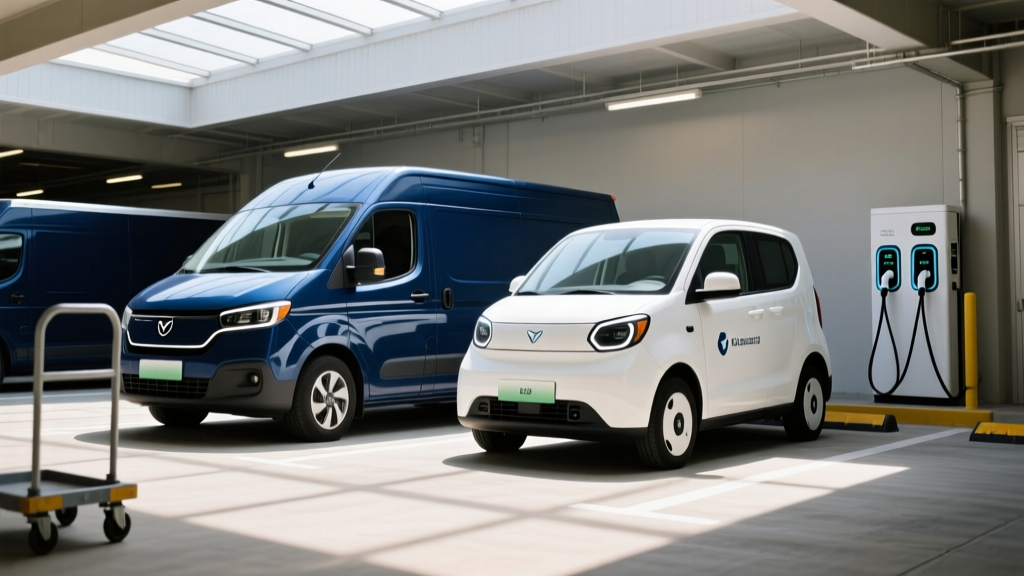
- Ford E-Transit (2026): 126 mi EPA range, 68 kWh usable battery (NMC), 120 kW peak DC charging (10–80% in ~45 min), 266 hp, starting ~$46,000. Best for: last-mile delivery under 100 miles/day.
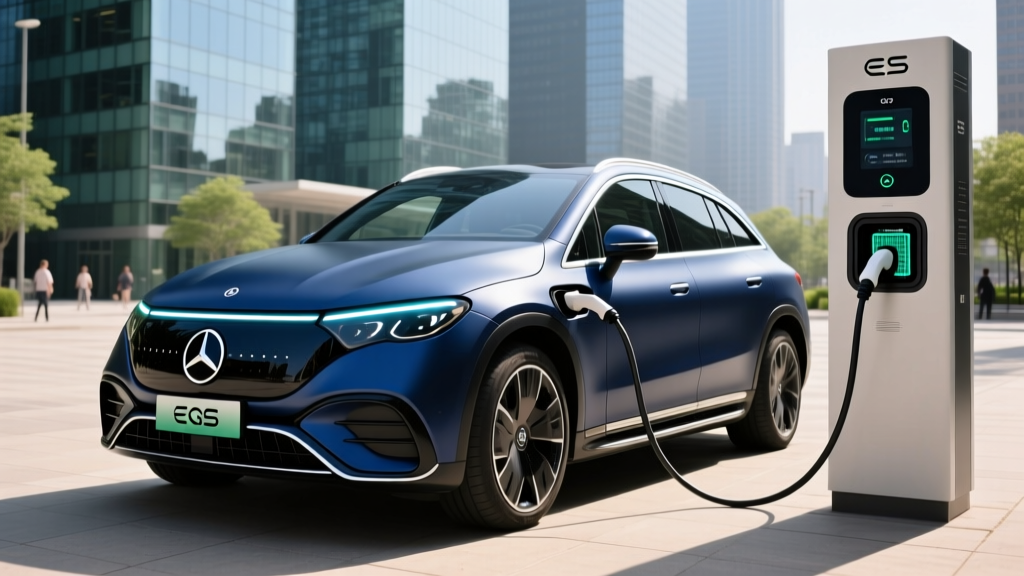
- Mercedes-Benz eSprinter (2026): 200+ mi EPA range (estimated), 113 kWh usable battery, 115 kW peak DC, starting ~$57,000. Best for: longer urban routes needing extended range.
- Rivian EDV (Commercial Van): 150–190 mi range depending on battery pack, 150 kW peak DC charging, available to Amazon-partnered and select fleets.
Pickup Trucks
- Ford F-150 Lightning Pro (2026): 240 mi EPA (standard range, 98 kWh usable), 320 mi (extended, 131 kWh), 150 kW peak DC (10–80% in ~41 min std), 580 hp, starting ~$55,000. Pro Power Onboard provides 9.6 kW V2L for job-site tools.
- Chevrolet Silverado EV 4WT (2026): 370 mi EPA (200+ kWh Ultium battery), 350 kW peak DC (10–80% in ~25 min at capable stations), 510 hp, starting ~$62,000.
Passenger / Executive Fleet
- Tesla Model Y (2026): 320 mi EPA (Long Range), 250 kW peak DC (10–80% in ~20 min), starting ~$44,000. Extensive Supercharger network advantage for traveling executives.
- Hyundai Ioniq 5 (2026): 310 mi EPA, 84 kWh NMC battery, 240 kW peak DC (10–80% in ~18 min), starting ~$42,000.
Decision Framework: Should Your Fleet Go Electric?
If-Then Fleet Electrification Guide
- IF vehicles return to a central depot nightly AND daily routes are under 150 miles → Strong candidate for full EV. Install Level 2 depot charging.
- IF daily routes exceed 200 miles BUT DC fast charging is available along the route → Moderate candidate. Test one vehicle in winter conditions before committing fleet-wide.
- IF vehicles park on-street or at driver homes with no charging access → Poor candidate for full EV. Consider PHEVs or wait for infrastructure to develop.
- IF routes require towing 5,000+ lbs in sub-30°F weather → Avoid full EV for now. Cold weather + towing can reduce range by 40–50%. PHEV or diesel remains more practical.
- IF your business qualifies for §45W commercial credits AND local utility offers commercial EV charging rates → Accelerate adoption. Payback drops to 2–3 years.
- IF fleet operates in rural areas with no public DC fast chargers within 50 miles → Delay or limit to depot-only routes. Stranded-vehicle risk is too high for longer routes.
Common Misconceptions About Electric Fleet Vehicles
| Myth | Fact |
|---|---|
| "EVs don't have enough range for fleet work." | Most fleet vehicles average 60–120 miles/day. A Ford E-Transit's real-world 100-mile loaded range covers ~80% of last-mile delivery routes. The mismatch is perception, not data. |
| "Charging takes too long for commercial use." | Depot Level 2 charging (11.5 kW) fully replenishes a 68 kWh battery in ~6 hours — overnight. Fleets don't need DC fast charging for depot-based operations. |
| "Batteries will need expensive replacement." | Commercial EV batteries carry 8-year/100,000-mile warranties (mandated minimum). Real-world degradation data shows 85–90% capacity retention at 150,000 miles for NMC chemistries. Most fleet vehicles retire before battery replacement is needed. |
| "The electrical grid can't handle fleet charging." | 10 vehicles charging at 11.5 kW simultaneously draw ~115 kW — comparable to a small commercial building. With load management software, fleets stagger charging to stay within existing panel capacity. |
| "Tax credits cover the full price difference." | The $7,500 §45W credit offsets part of the premium. Combined with fuel/maintenance savings, total payback is 3–5 years — not instant. Businesses still need upfront capital or financing. |
First-Time EV Fleet Buyer Checklist
If you're evaluating fleet vehicles electric for the first time, these are the operational realities that don't appear in manufacturer brochures:
- Audit your actual daily mileage. GPS telematics data from your current fleet will reveal whether routes fit within EV range. Don't rely on driver estimates — they tend to overestimate by 20–30%.
- Test in worst-case conditions. A van that covers 100 miles easily in July may struggle at 70 miles in January with cargo and cabin heating. Cold weather reduces EV range by 20–35% (AAA testing data confirms this consistently).
- Get a utility demand-charge analysis.Commercial electricity isn't just per-kWh. Utilities often impose demand charges based on peak kW draw. Ten vehicles charging simultaneously at 11.5 kW can trigger expensive demand charges unless managed with smart charging software.
- Budget for infrastructure, not just vehicles. A $45,000 charger-installation bill surprises many fleet managers. Get three electrician quotes and check whether your utility offers make-ready infrastructure rebates (many do, covering 50–100% of wiring costs).
- Verify §45W credit eligibility per vehicle. The commercial credit requires the vehicle to be manufactured by a qualified OEM, placed in service in the U.S., and meet battery-sourcing requirements that tighten annually. Consult a tax professional — don't assume eligibility.
- Plan for driver training. Regen braking, one-pedal driving, and charge planning require orientation. Fleets that skip training see 15–20% higher energy consumption in the first six months as drivers use friction brakes unnecessarily.
The Economics: 5-Year Fleet TCO Comparison
Here's a realistic five-year total cost of ownership model for a single light-duty cargo van driven 18,000 miles/year in a metro delivery application:
| Cost Category | Electric (Ford E-Transit) | Gas (Ford Transit 3.5L V6) |
|---|---|---|
| Purchase Price (after credit) | $38,500 ($46,000 − $7,500 §45W) | $40,000 |
| Charging Infrastructure (per vehicle share) | $4,500 | $0 |
| Fuel/Energy (5 years, 90,000 mi) | $5,400 (at $0.06/mi) | $16,200 (at $0.18/mi) |
| Maintenance (5 years) | $3,600 ($0.04/mi) | $9,000 ($0.10/mi) |
| Insurance (5 years, fleet rate) | $7,500 (typically 10–15% higher) | $6,500 |
| Residual Value (year 5) | −$12,000 (est. 30% retention) | −$14,000 (est. 35% retention) |
| 5-Year Net Cost | $47,500 | $57,700 |
| Per-Mile Cost | $0.53 | $0.64 |
The electric fleet vehicle saves approximately $10,200 over five years per vehicle in this scenario — or about $2,040 annually. For a 20-vehicle fleet, that's $40,800 in five-year savings, enough to justify the infrastructure investment and operational transition.
Key variables that shift this equation: electricity rates above $0.15/kWh erode savings; gas prices below $2.80/gallon narrow the gap; annual mileage below 12,000 extends the payback period beyond five years.
FAQ: Fleet Vehicles Electric
Can my fleet charge at public DC fast chargers instead of installing depot charging?
Technically yes, but it's a poor operational strategy. Public DC fast charging costs $0.25–$0.48/kWh (versus $0.06–$0.10 for depot Level 2), adding $0.10–$0.20 per mile in fuel cost alone. Add 20–40 minutes of driver downtime per charge session, and public charging eliminates most of the TCO advantage. Depot Level 2 charging is essential for fleet economics to work.
How does cold weather affect electric fleet range?
At 20°F, expect 25–35% range reduction compared to EPA ratings. A Ford E-Transit rated at 126 miles EPA delivers approximately 82–95 miles in cold, loaded conditions. Fleets in northern climates should spec routes at 70% of EPA range in winter. Vehicles with heat pumps (standard on most 2026 models) lose less range than those using resistive cabin heating.
What happens if a battery fails outside warranty?
Full battery replacements cost $8,000–$20,000 depending on pack size. However, NREL research shows modern NMC and LFP batteries retaining 80–90% capacity at 150,000–200,000 miles. Most fleet vehicles reach retirement age (250,000–300,000 miles for vans) with usable battery health. Module-level repair (replacing degraded cells rather than the full pack) is increasingly available for $3,000–$6,000.
Do electric fleet vehicles qualify for both the §30D and §45W tax credits?
No. The IRS prohibits double-dipping. The §30D credit applies to personal-use vehicles purchased by individuals. The §45W commercial clean vehicle credit applies to vehicles used in a trade or business. Businesses purchasing fleet vehicles should use §45W, which offers up to $7,500 for vehicles under 14,000 lbs GVWR and up to $40,000 for heavier commercial vehicles. Eligibility depends on battery sourcing requirements that tighten annually — verify with a tax professional before purchasing.
Should I consider plug-in hybrids (PHEVs) instead of full EVs for my fleet?
For fleets with mixed duty cycles — some short urban routes, some long highway runs — PHEVs offer a practical middle ground. The Chrysler Pacifica PHEV (32 miles electric-only) or the Ford Escape PHEV (37 miles electric-only) cover urban trips on electricity while retaining gas range for longer routes. However, PHEVs require the same maintenance as gas vehicles (oil changes, transmission service) and deliver lower per-mile savings. Full EVs are superior for predictable, depot-based routes under 150 miles.